Loss of protein tyrosine phosphatase receptor delta PTPRD increases the number of cortical neurons, impairs synaptic function and induces autistic-like behaviors in adult mice
Bastián I. Cortés, Rodrigo C. Meza, Carlos Ancatén-González, Nicolás M. Ardiles, María-Ignacia Aránguiz, Hideaki Tomita, David R. Kaplan, Francisca Cornejo, Alexia Nunez-Parra, Pablo R. Moya, Andrés E. Chávez, Gonzalo I. Cancino

TL;DR
Reduced levels of the PTPRD protein in mice lead to more brain neurons, impaired brain cell communication, and behaviors similar to autism in adulthood.
Contribution
This study reveals long-term effects of PTPRD loss on cortical development and behavior in mice.
Findings
Loss of Ptprd increases excitatory neurons in the medial prefrontal cortex in adult mice.
Ptprd deficiency impairs both excitatory and inhibitory synaptic transmission in the cortex.
Ptprd+/- or Ptprd-/- mice show autistic-like behaviors without memory or anxiety issues.
Abstract
The brain cortex is responsible for many higher-level cognitive functions. Disruptions during cortical development have long-lasting consequences on brain function and are associated with the etiology of brain disorders. We previously found that the protein tyrosine phosphatase receptor delta Ptprd, which is genetically associated with several human neurodevelopmental disorders, is essential to cortical brain development. Loss of Ptprd expression induced an aberrant increase of excitatory neurons in embryonic and neonatal mice by hyper-activating the pro-neurogenic receptors TrkB and PDGFRβ in neural precursor cells. However, whether these alterations have long-lasting consequences in adulthood remains unknown. Here, we found that in Ptprd+/- or Ptprd-/- mice, the developmental increase of excitatory neurons persists through adulthood, affecting excitatory synaptic function in the…
Genes, proteins, chemicals, diseases, species, mutations and cell lines named across the full text — each resolved to its canonical identifier and authoritative record.
Click any figure to enlarge with its caption.
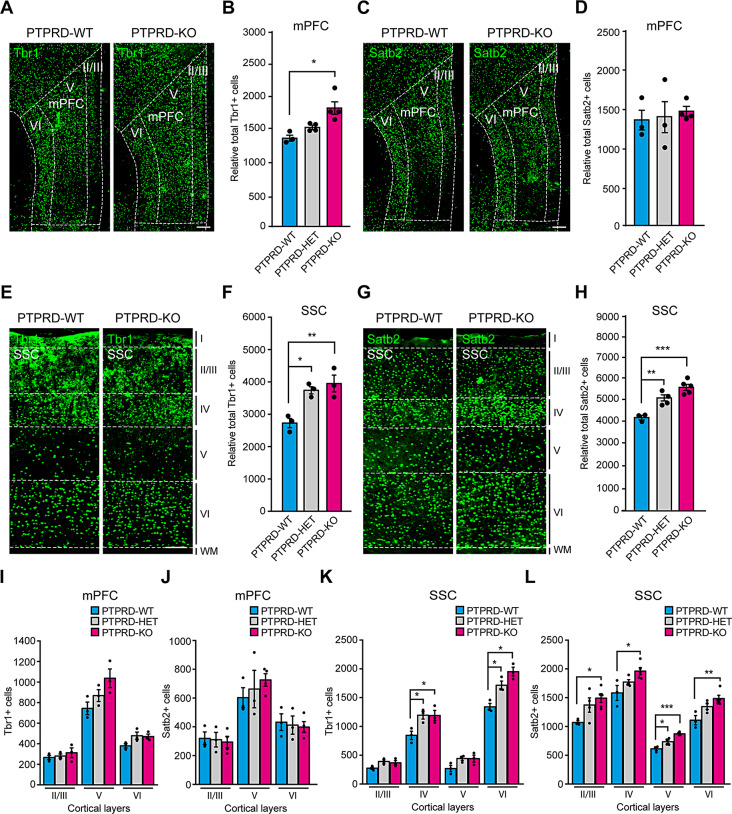 Figure 1
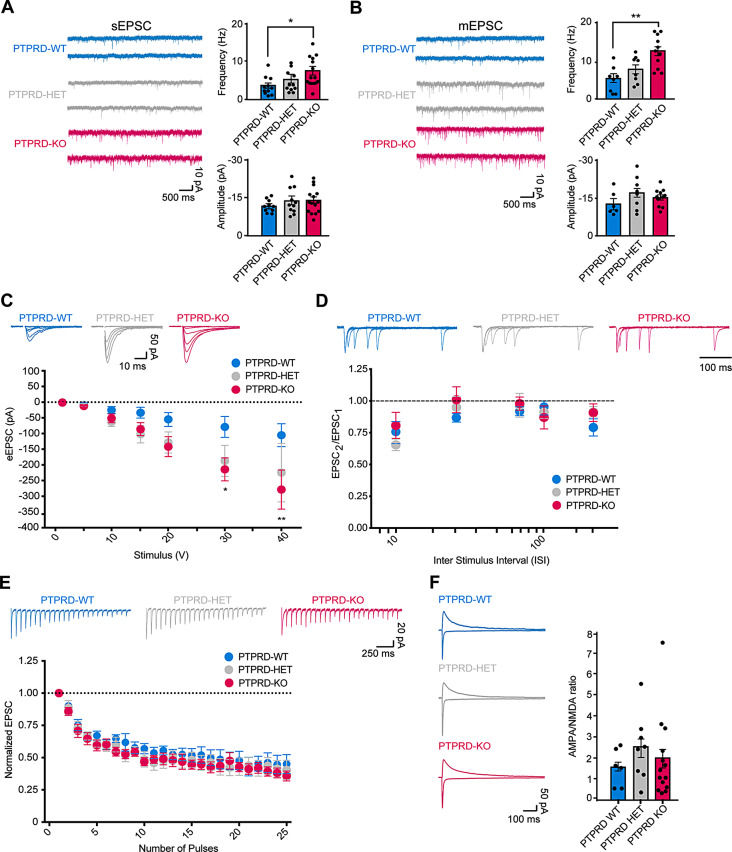 Figure 2
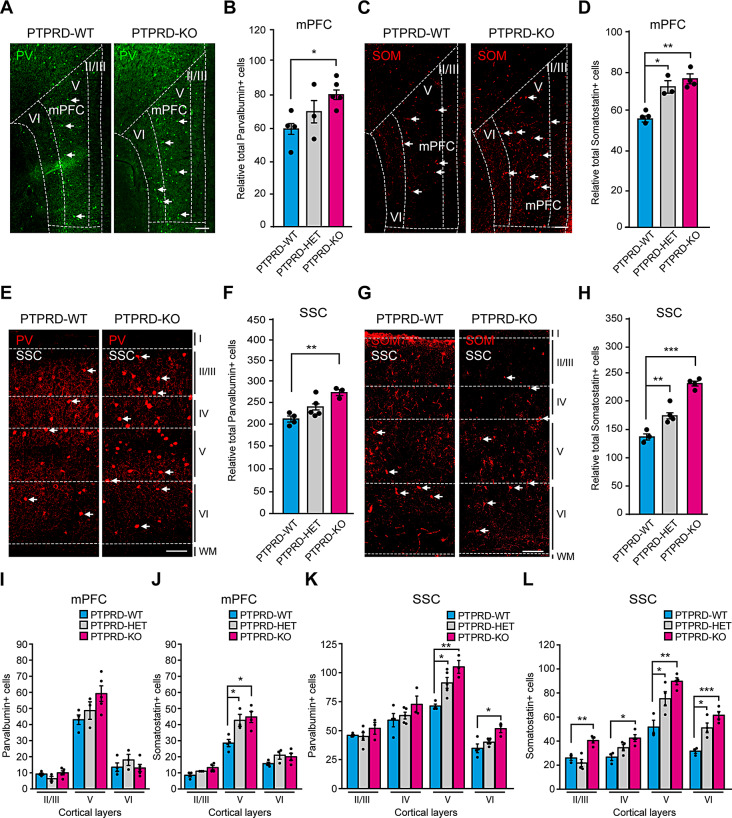 Figure 3
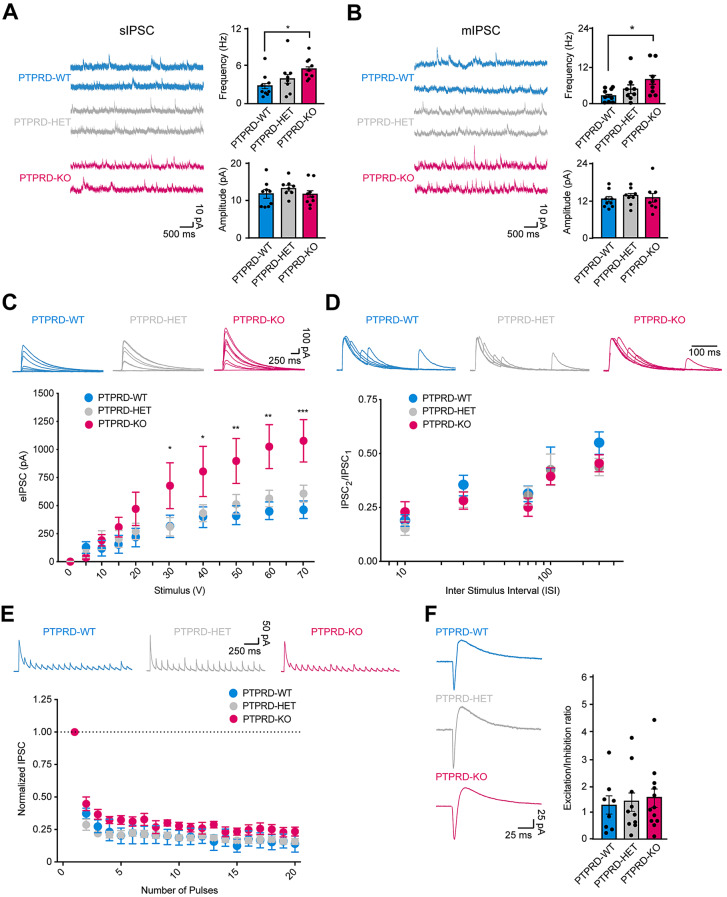 Figure 4
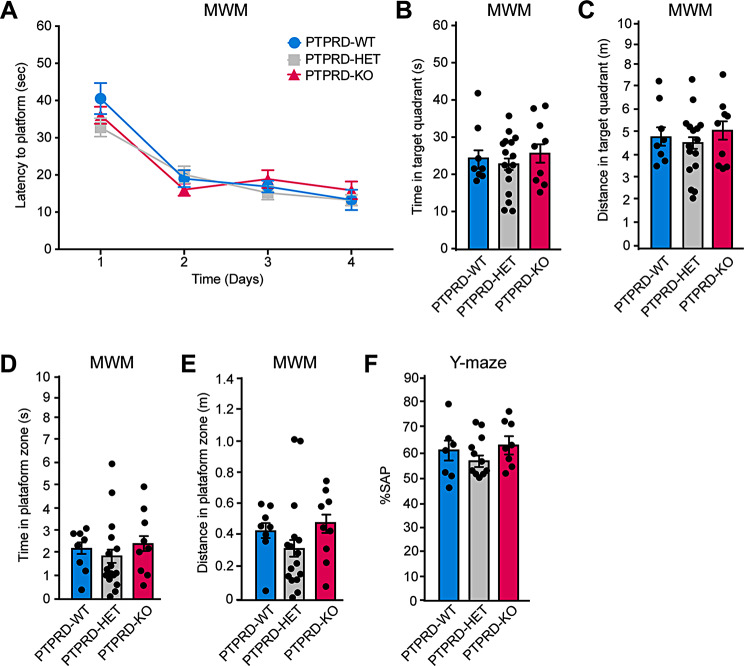 Figure 5
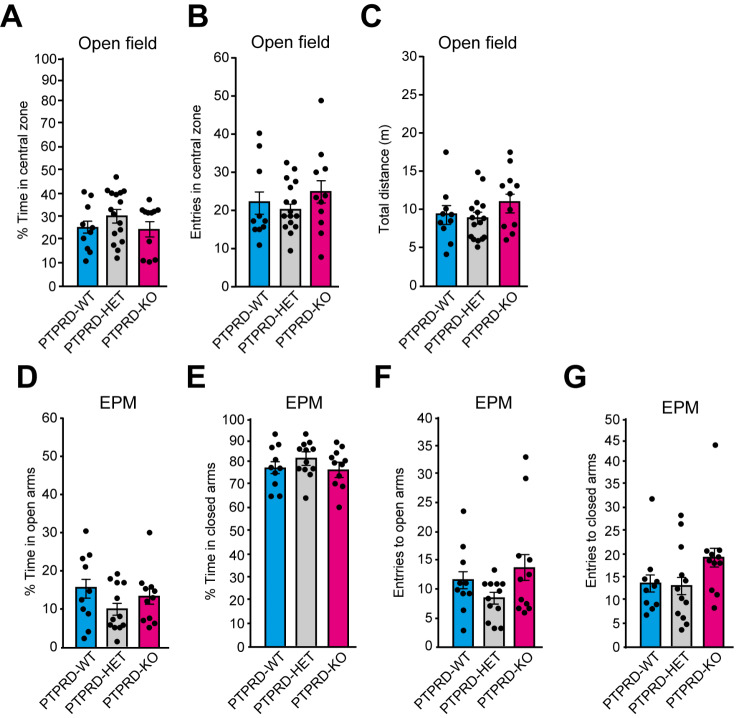 Figure 6
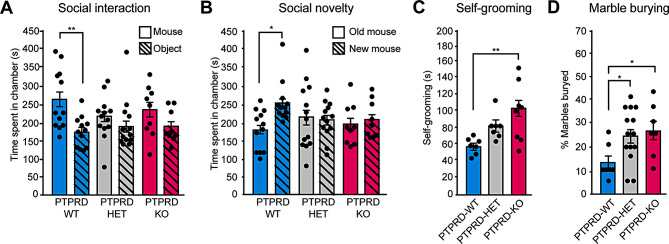 Figure 7
Peer Reviews
No public reviews on file for this paper yet. If you reviewed it on a platform where reviews are public (OpenReview, ICLR, NeurIPS, ICML), you can paste yours below so the community can read it here.
Videos
No videos yet. Explain this paper in a talk, walkthrough, or lecture? Add one.
Taxonomy
TopicsComparative International Legal Studies · Administrative Law and Governance · Labor Law and Work Dynamics