Integrated profiling identifies DXS253E as a potential prognostic marker in colorectal cancer
Pu Xing, Hao Hao, Jiangbo Chen, Xiaowen Qiao, Tongkun Song, Xinying Yang, Kai Weng, Yifan Hou, Jie Chen, Zaozao Wang, Jiabo Di, Beihai Jiang, Jiadi Xing, Xiangqian Su

TL;DR
This study identifies DXS253E as a potential marker for predicting outcomes in colorectal cancer and shows it promotes cancer progression through the AKT/mTOR pathway.
Contribution
The study reveals DXS253E's role in CRC progression and its association with prognosis and immune infiltration, suggesting it as a potential therapeutic target.
Findings
DXS253E is upregulated in CRC tissues and linked to poor patient survival.
High DXS253E methylation correlates with better CRC prognosis.
DXS253E promotes CRC cell proliferation and glycolysis via the AKT/mTOR pathway.
Abstract
Increasing evidence suggests that DXS253E is critical for cancer development and progression, but the function and potential mechanism of DXS253E in colorectal cancer (CRC) remain largely unknown. In this study, we evaluated the clinical significance and explored the underlying mechanism of DXS253E in CRC. DXS253E expression in cancer tissues was investigated using the Cancer Genome Atlas (TCGA) and Gene Expression Omnibus (GEO) databases. The Kaplan-Meier plot was used to assess the prognosis of DXS253E. The cBioPortal, MethSurv, and Tumor Immune Estimation Resource (TIMER) databases were employed to analyze the mutation profile, methylation, and immune infiltration associated with DXS253E. The biological functions of DXS253E in CRC cells were determined by CCK-8 assay, plate cloning assay, Transwell assay, flow cytometry, lactate assay, western blot, and qRT-PCR. DXS253E was…
Genes, proteins, chemicals, diseases, species, mutations and cell lines named across the full text — each resolved to its canonical identifier and authoritative record.
Click any figure to enlarge with its caption.
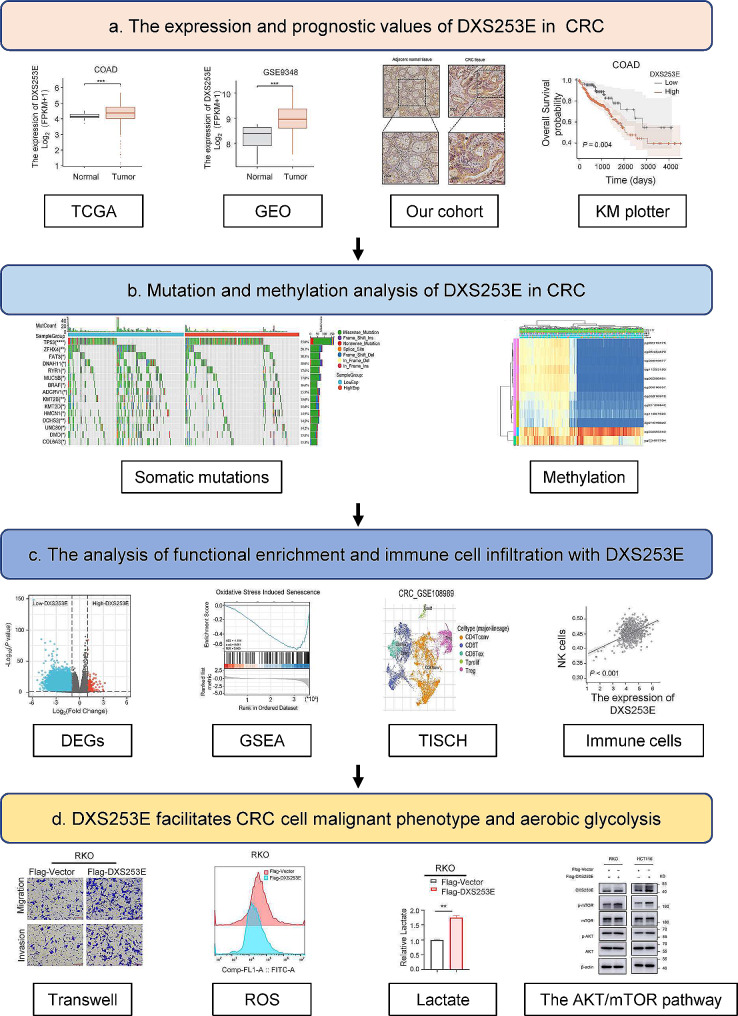 Figure 1
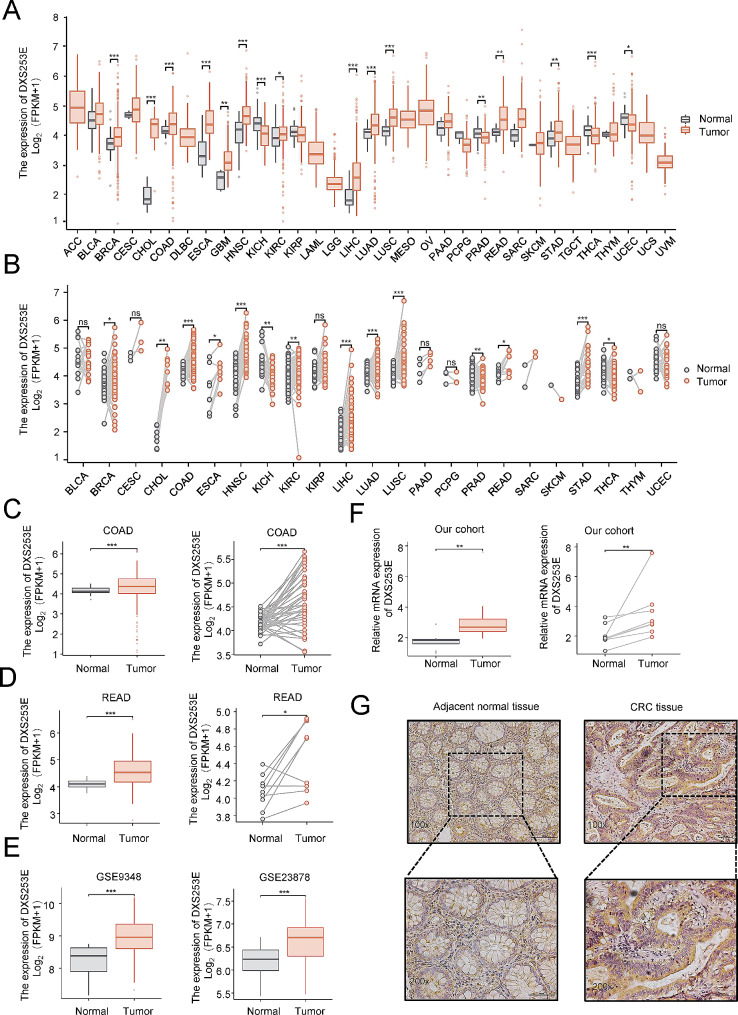 Figure 2
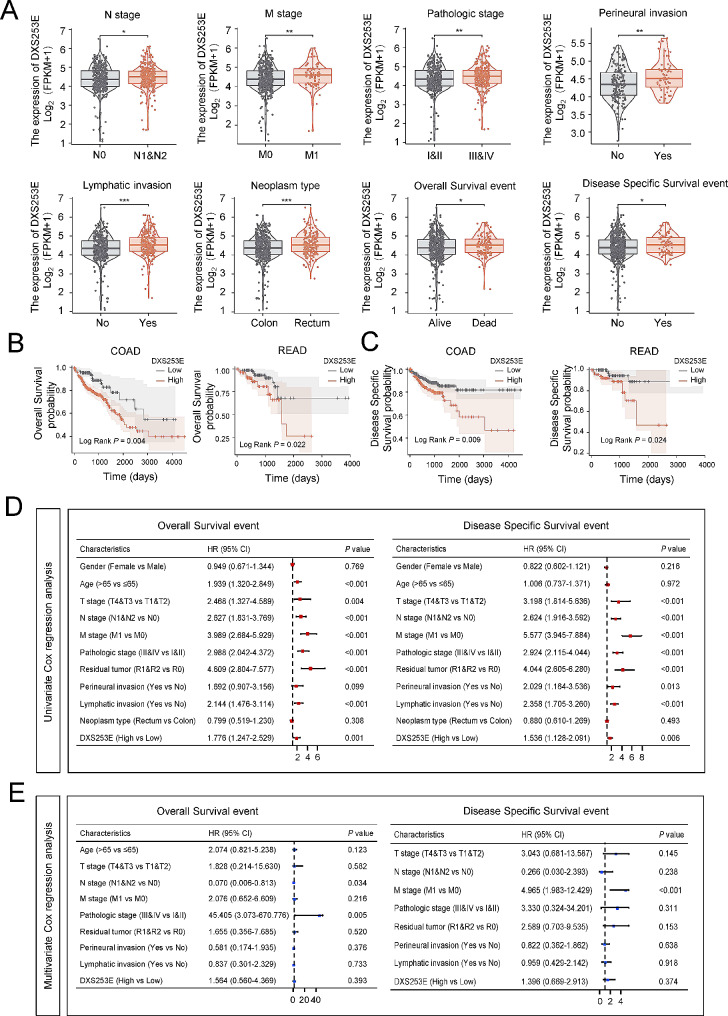 Figure 3
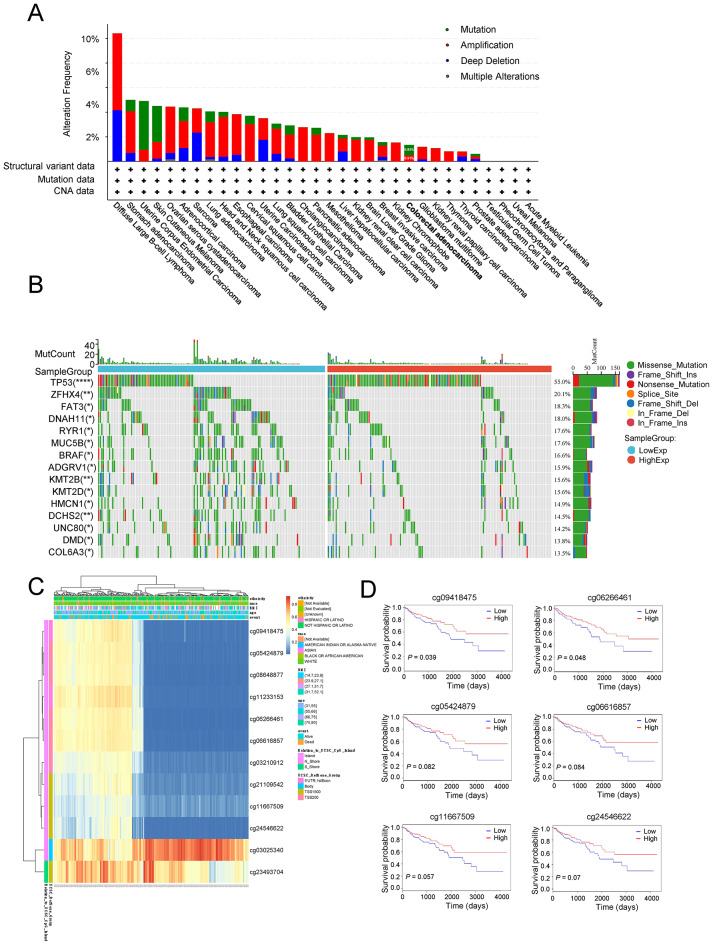 Figure 4
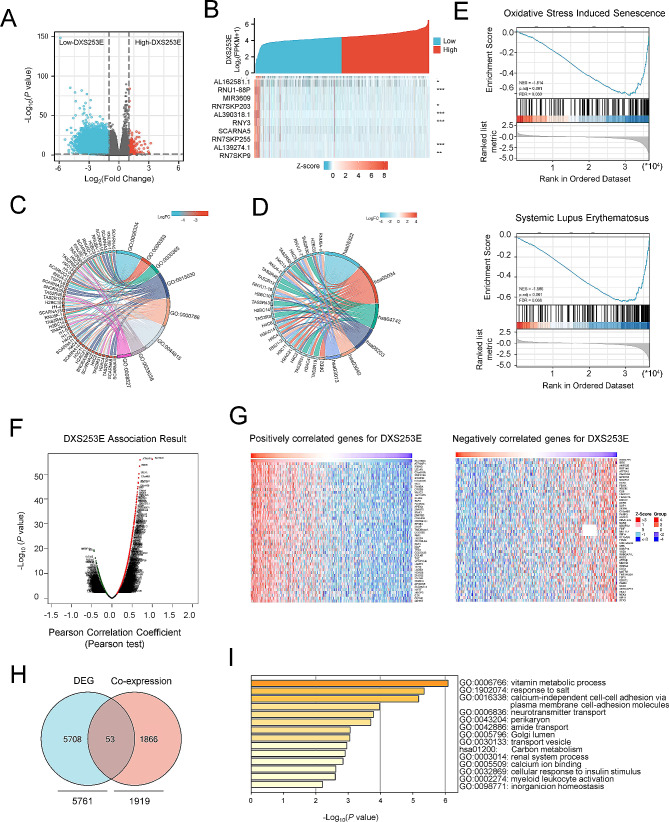 Figure 5
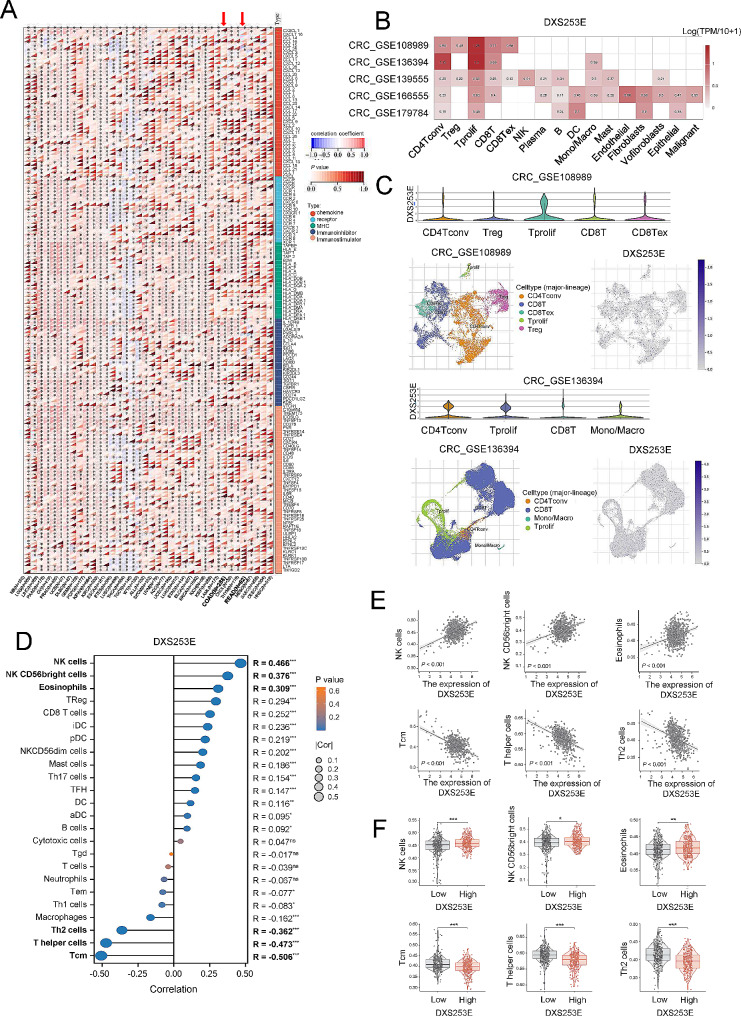 Figure 6
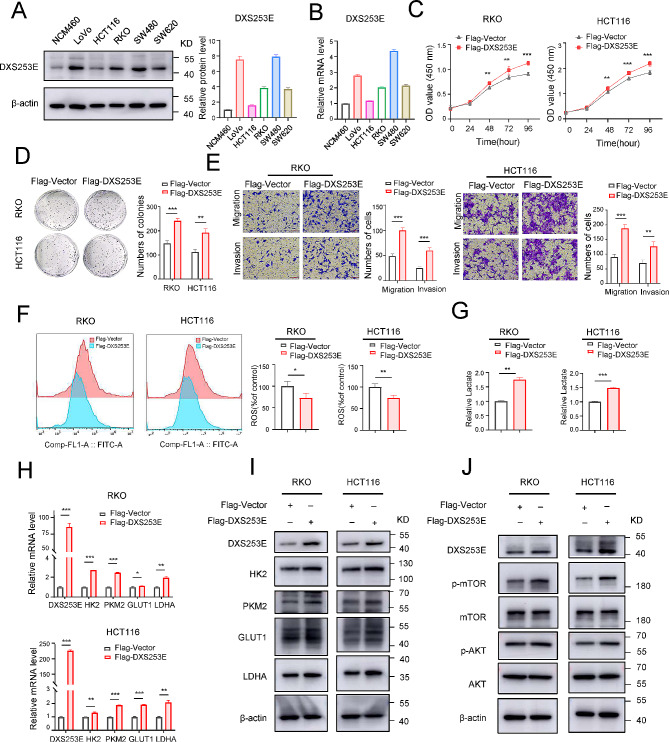 Figure 7
Peer Reviews
No public reviews on file for this paper yet. If you reviewed it on a platform where reviews are public (OpenReview, ICLR, NeurIPS, ICML), you can paste yours below so the community can read it here.
Videos
No videos yet. Explain this paper in a talk, walkthrough, or lecture? Add one.
Taxonomy
TopicsFerroptosis and cancer prognosis · RNA modifications and cancer · Cancer-related molecular mechanisms research