Polysubstance-Induced Hepatotoxicity and the Role of Supportive Management
Nadim A Qadir, Luke Stachler, Anvit D Reddy, Gerardo Diaz-Garcia, Elisa Sottile

TL;DR
This paper discusses liver injury caused by multiple drug use and shows that supportive care can help, even without a specific drug.
Contribution
The paper presents a novel case of DILI from illicit drug use managed without NAC.
Findings
A 29-year-old female with polysubstance-induced liver injury improved with supportive care.
N-acetylcysteine was not used in this case, yet the patient showed gradual improvement.
This case highlights the potential for supportive management in DILI from illicit drugs.
Abstract
With the continued rise of polysubstance use throughout the country, it has been shown to affect a multitude of organ systems. Drug-induced liver injury (DILI) has been widely documented in its association with salicylates or acetaminophen and the utility of using N-acetylcysteine (NAC) for its hepatoprotective effects. However, DILI caused by illicit drug use and guideline-directed management has had little research. We present the case of a 29-year-old female who presented with altered mental status. She was found to have a concomitant liver injury and was treated supportively without the use of NAC, with gradual improvement.
Genes, proteins, chemicals, diseases, species, mutations and cell lines named across the full text — each resolved to its canonical identifier and authoritative record.
Click any figure to enlarge with its caption.
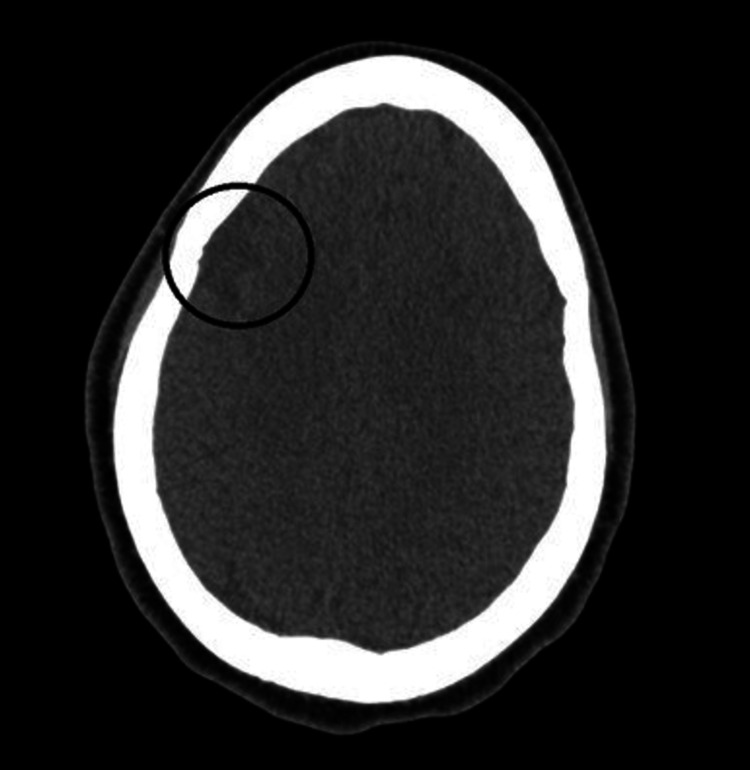 Figure 1
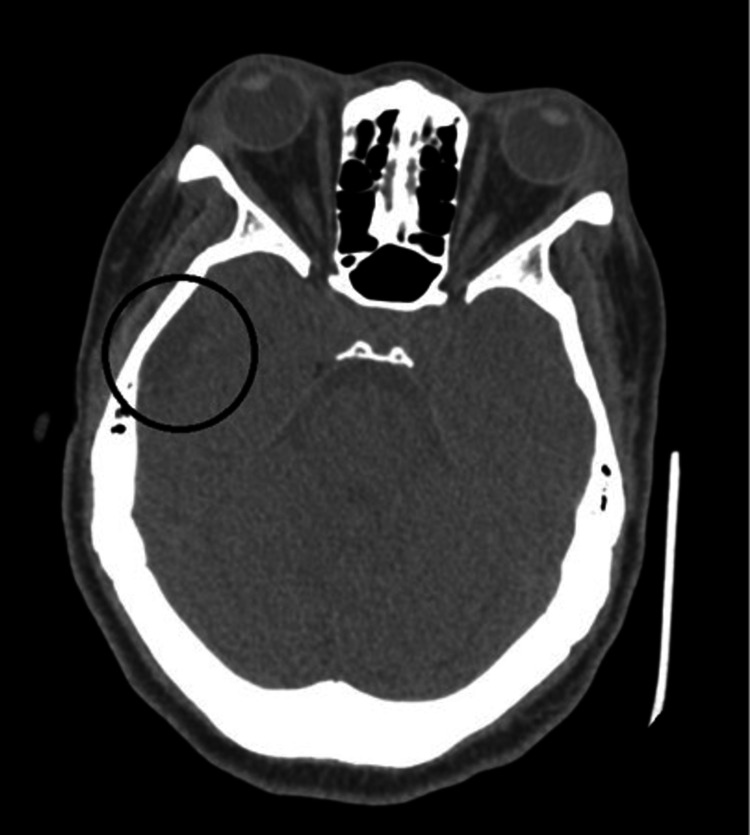 Figure 2
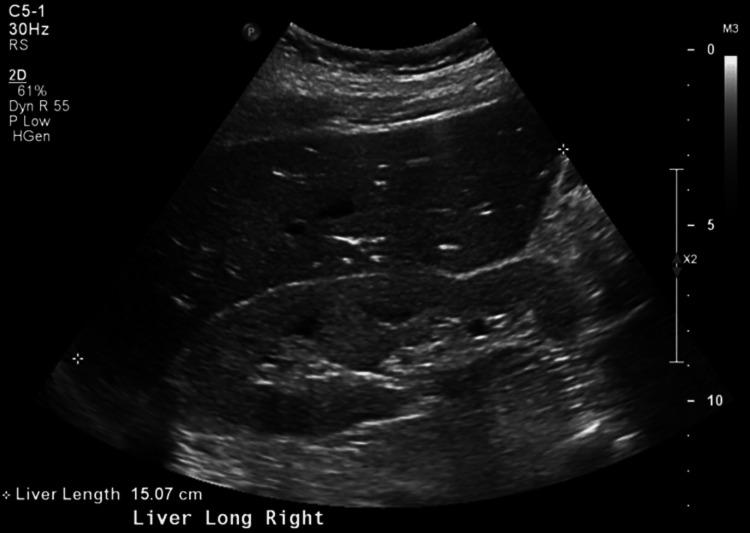 Figure 3
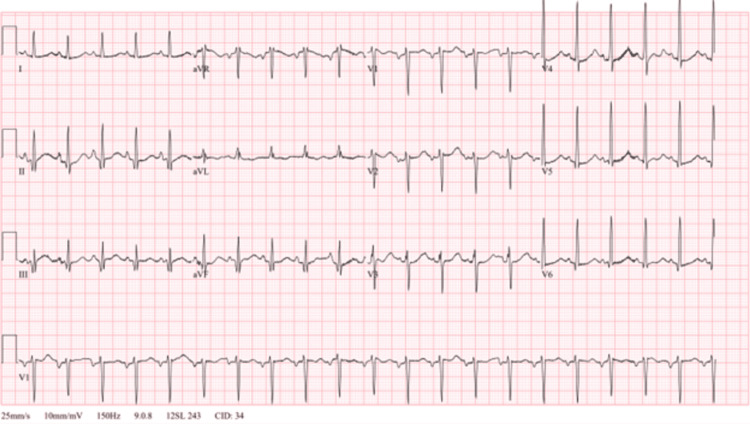 Figure 4
Peer Reviews
No public reviews on file for this paper yet. If you reviewed it on a platform where reviews are public (OpenReview, ICLR, NeurIPS, ICML), you can paste yours below so the community can read it here.
Videos
No videos yet. Explain this paper in a talk, walkthrough, or lecture? Add one.
Taxonomy
TopicsDrug-Induced Hepatotoxicity and Protection · Chemotherapy-induced organ toxicity mitigation · Alcohol Consumption and Health Effects