Destruction of the brush border by Salmonella enterica sv. Typhimurium subverts resorption by polarized epithelial cells
Alfonso Felipe-López, Nicole Hansmeier, Michael Hensel

TL;DR
Salmonella destroys the brush border of intestinal cells, reducing nutrient absorption and altering cell structure, which may cause diarrhea.
Contribution
The study reveals how Salmonella's SopE protein disrupts brush border function and F-actin dynamics in epithelial cells.
Findings
Salmonella destroys the brush border, reducing PEC resorption and endocytosis.
SopE alters F-actin polymerization, linking it to reduced endocytosis in infected cells.
Ezrin is lost from the apical side of PEC after Salmonella engulfment and appears in endosomes.
Abstract
Salmonella enterica serovar Typhimurium is an invasive, facultative intracellular gastrointestinal pathogen that destroys the brush border of polarized epithelial cells (PEC). The brush border is critical for the functions of PEC because it resorbs nutrients from the intestinal lumen and builds a physical barrier to infecting pathogens. The manipuation of PEC during infection by Salmonella was investigated by live-cell imaging and ultrastructural analysed of the brush border. We demonstrate that the destruction of the brush border by Salmonella significantly reduces the resorption surface of PEC along with the abrogation of endocytosis at the apical side of PEC. Both these changes in the physiology of PEC were associated with the translocation of type III secretion system effector protein SopE. Additionally, the F-actin polymerization rate at the apical side of PEC was highly altered by…
Genes, proteins, chemicals, diseases, species, mutations and cell lines named across the full text — each resolved to its canonical identifier and authoritative record.
Click any figure to enlarge with its caption.
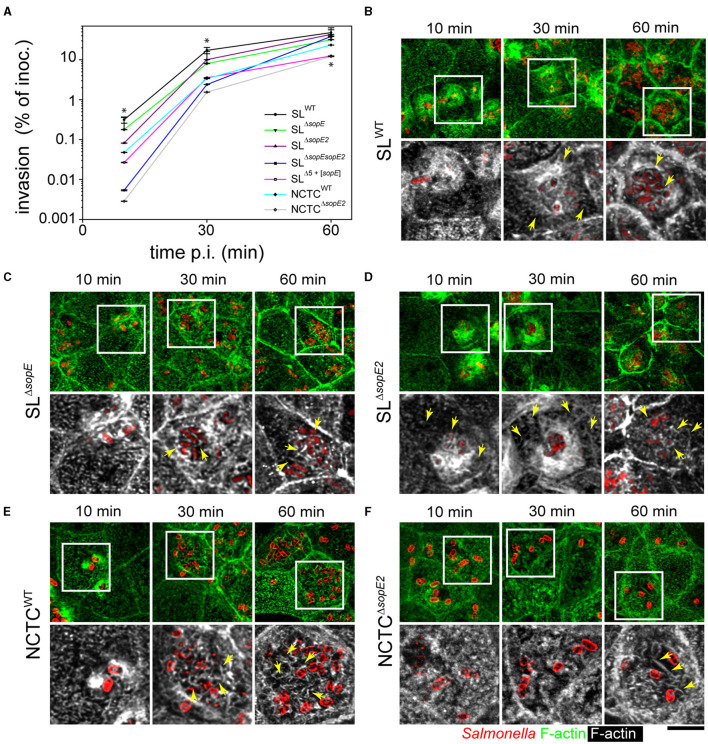 Figure 1
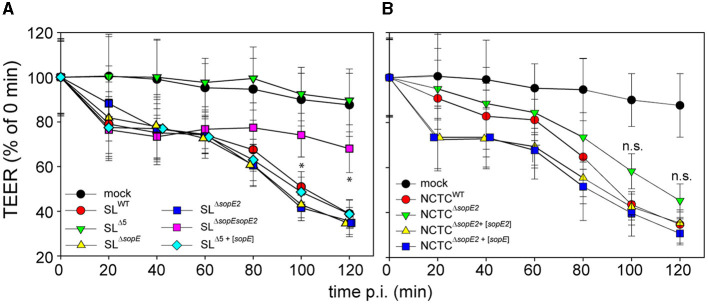 Figure 2
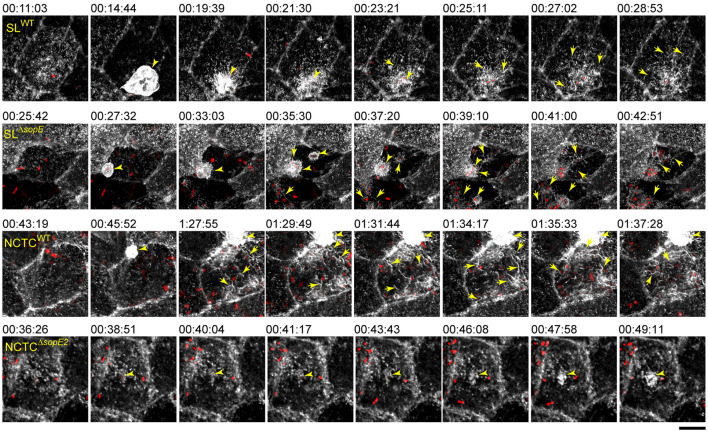 Figure 3
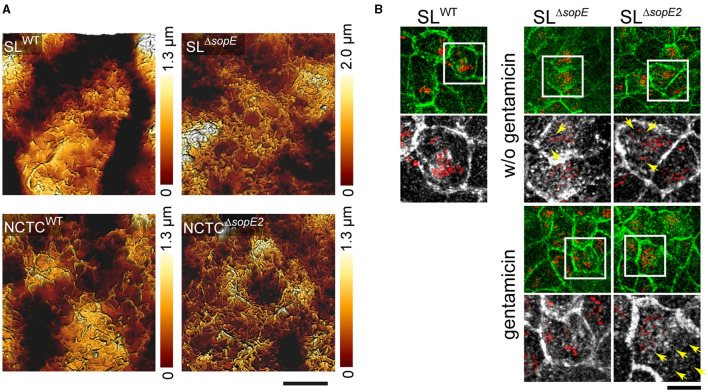 Figure 4
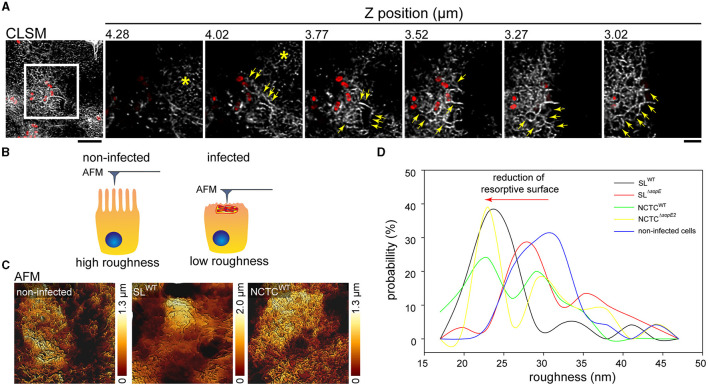 Figure 5
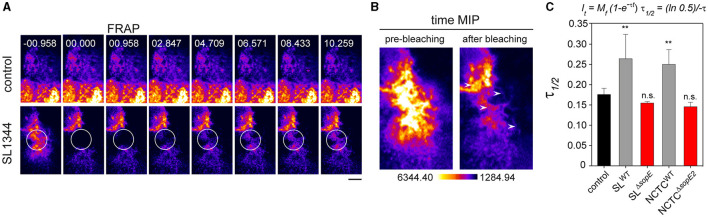 Figure 6
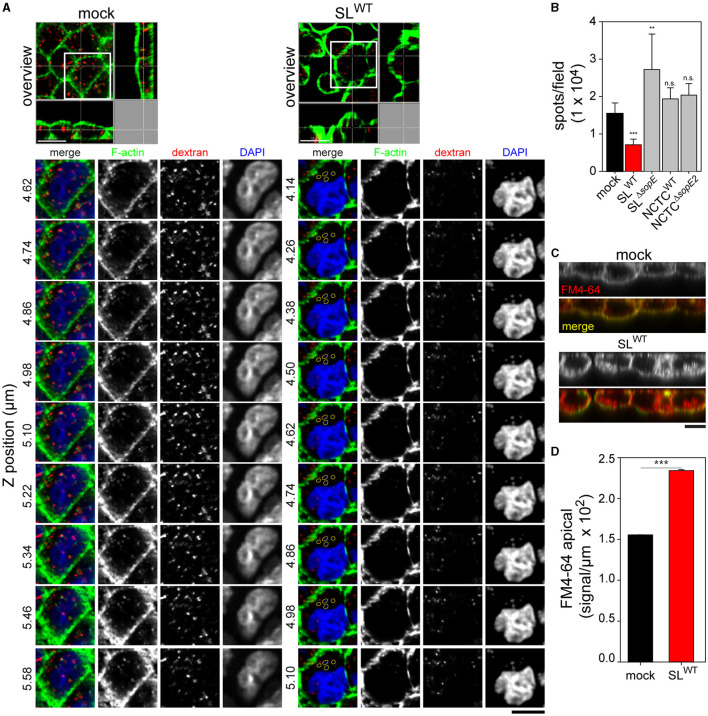 Figure 7
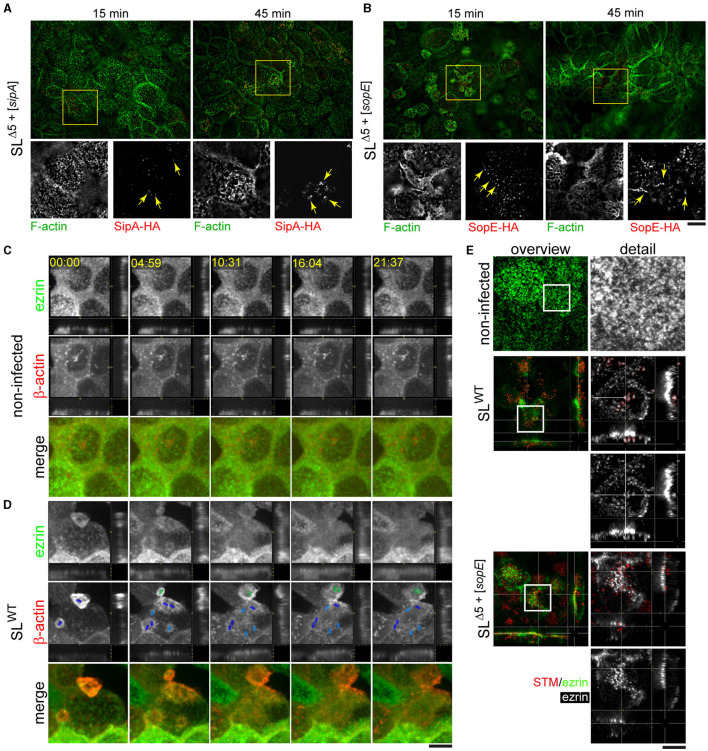 Figure 8
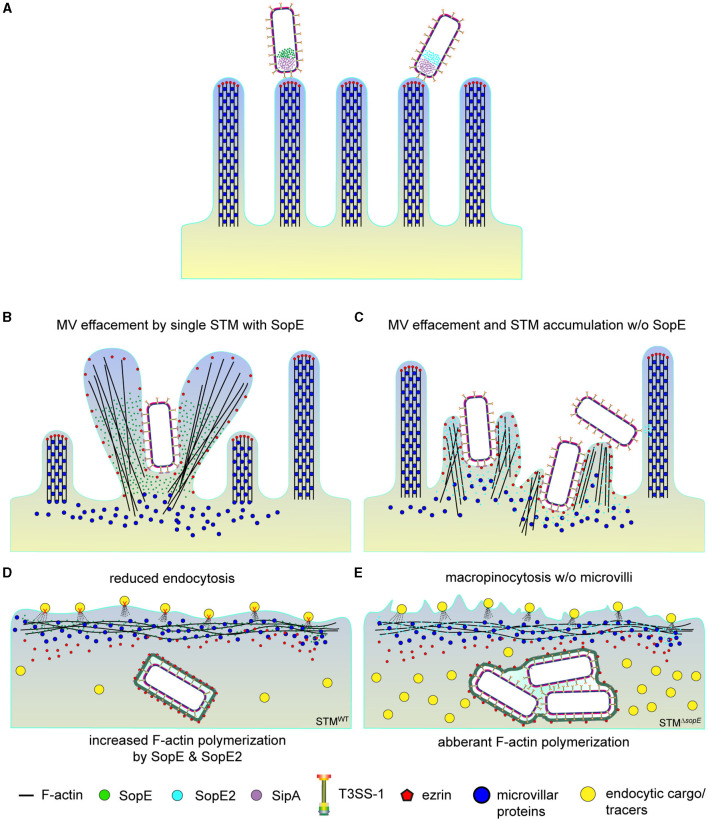 Figure 9
Peer Reviews
No public reviews on file for this paper yet. If you reviewed it on a platform where reviews are public (OpenReview, ICLR, NeurIPS, ICML), you can paste yours below so the community can read it here.
Videos
No videos yet. Explain this paper in a talk, walkthrough, or lecture? Add one.
Taxonomy
TopicsEscherichia coli research studies · Salmonella and Campylobacter epidemiology · Vibrio bacteria research studies