Biocompatibility of nano/micro-sized pyrophyllite particles by pulmo, liver, kidney and gastric mucosis cells
Smiljana Paraš, Jovana Paspalj, Karima Baghdad, Ognjenka Janković, Ranko Škrbić, Radoslav Gajanin, Pascale Massiani, Franck Launay, Suzana Gotovac Atlagić

TL;DR
This study examines the biocompatibility of pyrophyllite particles in various tissues and finds no major toxicity, suggesting potential biomedical uses.
Contribution
The study provides new in vitro and in vivo biocompatibility data for pyrophyllite, a previously under-researched natural clay.
Findings
Pyrophyllite showed no cytotoxic or genotoxic effects in THP-1 cells.
Nanoparticles accumulated selectively in gastric enterocytes without causing damage.
Liver and kidney tissues tolerated pyrophyllite particles well.
Abstract
Pyrophyllite is the least studied natural clay in terms of its potential in biomedical applications, although there are many deposits of this aluminosilicate around the world. Genotoxicity study was performed in vitro for this mineral. Subsequently, Wister rats were exposed to the pyrophyllite micronized to below 100 µm. After the exposure period, histology of the lung, liver, kidney and gastric tissues were performed, followed by the stereological and hematological analysis. The physicochemical analyses revealed typical XRD characteristics of pyrophyllite clay with particle-size distribution ranging 50 nm–100 μm with stable mineral composition and unique buffering property to pH around 8. The results showed that there were no cytotoxic effects on to THP-1 cells, or genotoxicity of pyrophyllite measured by the Comet assay. In vivo studies are accompanied by the thorough physicochemical…
Genes, proteins, chemicals, diseases, species, mutations and cell lines named across the full text — each resolved to its canonical identifier and authoritative record.
Click any figure to enlarge with its caption.
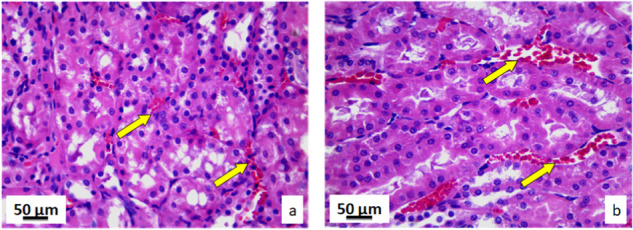 Figure 10
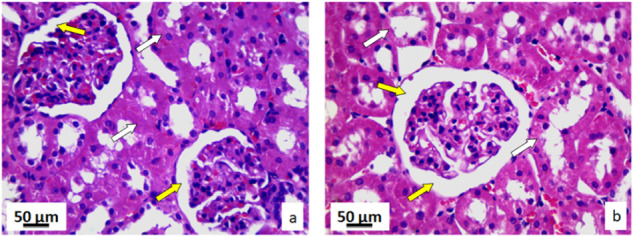 Figure 11
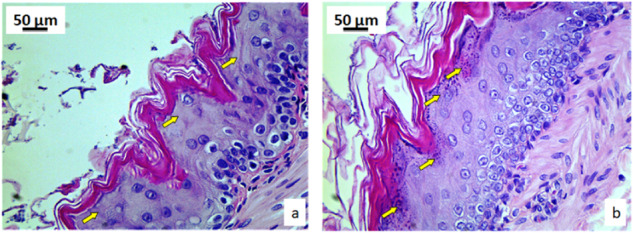 Figure 12
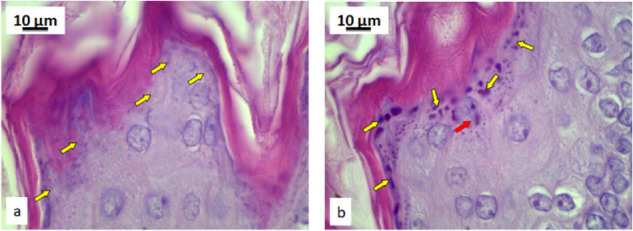 Figure 13
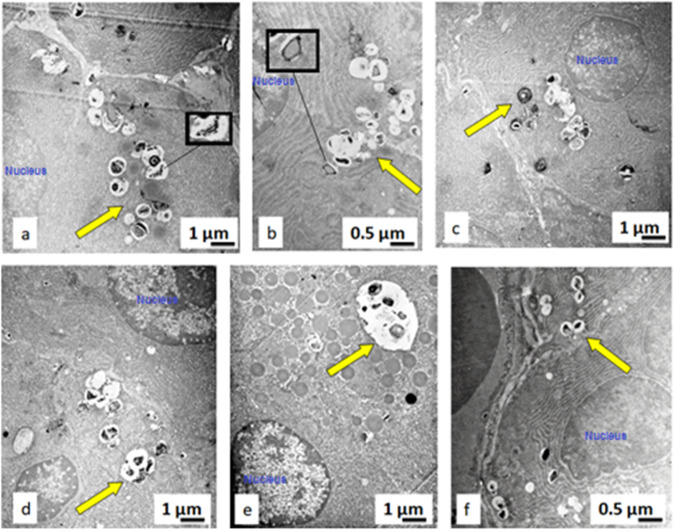 Figure 14
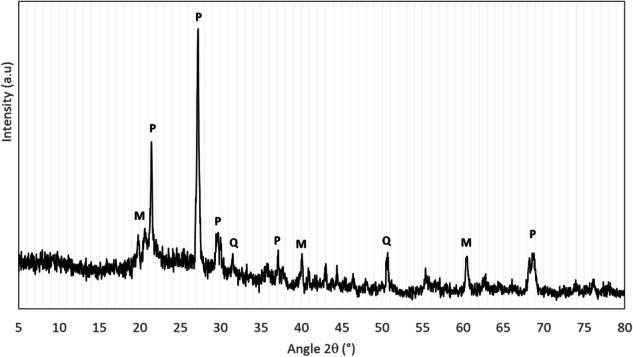 Figure 1
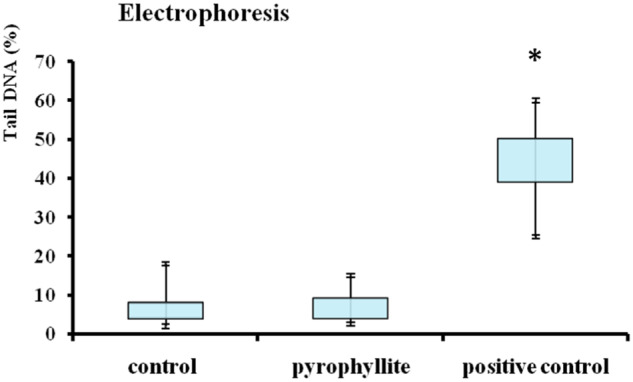 Figure 2
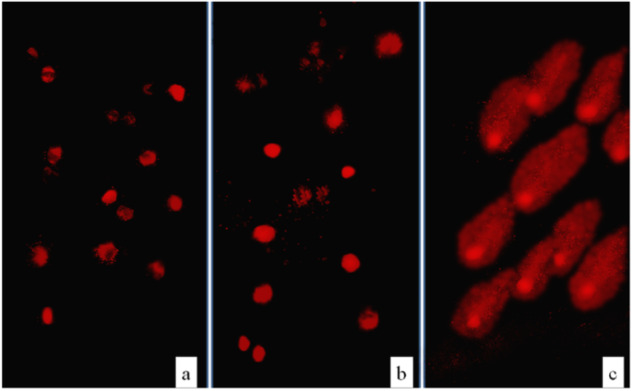 Figure 3
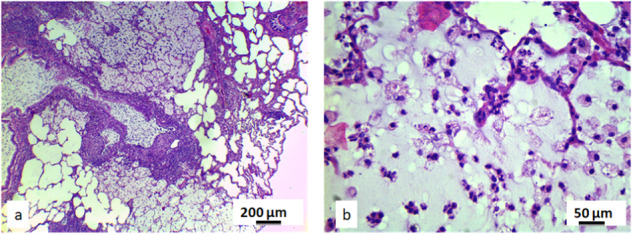 Figure 4
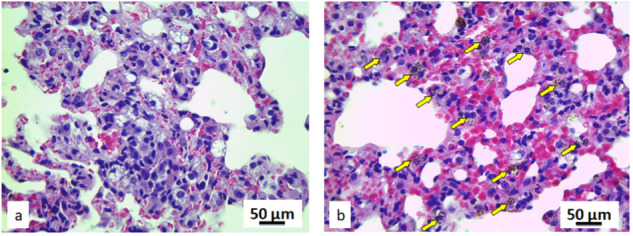 Figure 5
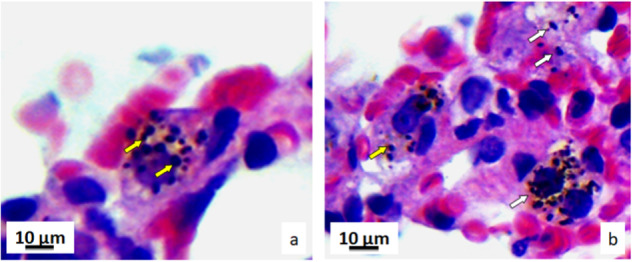 Figure 6
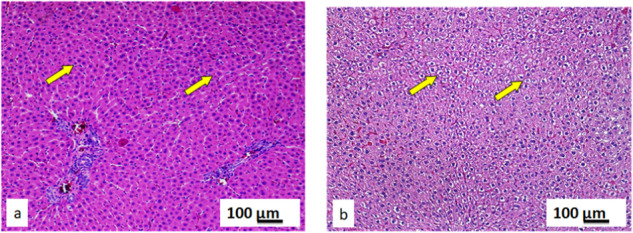 Figure 7
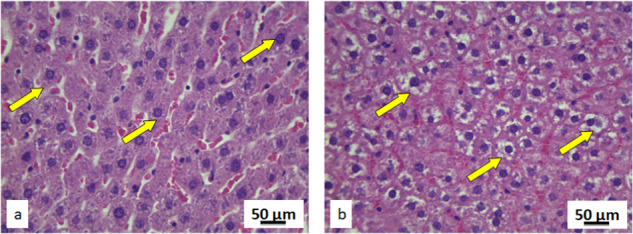 Figure 8
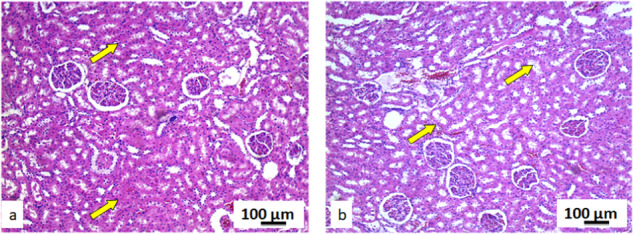 Figure 9
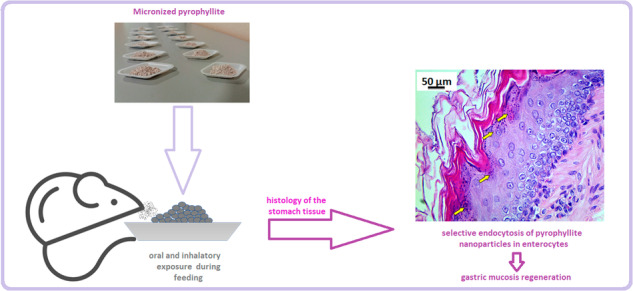 Figure 15
Peer Reviews
No public reviews on file for this paper yet. If you reviewed it on a platform where reviews are public (OpenReview, ICLR, NeurIPS, ICML), you can paste yours below so the community can read it here.
Videos
No videos yet. Explain this paper in a talk, walkthrough, or lecture? Add one.
Taxonomy
TopicsTherapeutic Uses of Natural Elements · Pancreatitis Pathology and Treatment · Clay minerals and soil interactions