Nasal cathelicidin is expressed in early life and is increased during mild, but not severe respiratory syncytial virus infection
Sofia Sintoris, Justyna M. Binkowska, Jonathan L. Gillan, Roy P. Zuurbier, Jonathan Twynam-Perkins, Maartje Kristensen, Lauren Melrose, Paula Lusaretta Parga, Alicia Ruiz Rodriguez, Mei Ling Chu, Sara R. van Boeckel, Joanne G. Wildenbeest, Dawn M. E. Bowdish, Andrew J. Currie

TL;DR
Nasal cathelicidin levels in infants increase with age and are higher during mild RSV infections, but not during severe cases, suggesting a role in immune defense.
Contribution
The study reveals how nasal cathelicidin expression changes in early life and its differential response to mild versus severe RSV infection.
Findings
Nasal cathelicidin levels are low at birth but increase by 9 months, reaching adult levels.
Cathelicidin levels are elevated in infants with mild RSV but not in those with severe RSV.
Nasal cathelicidin is associated with inflammation and microbial community composition in the upper airway.
Abstract
Respiratory syncytial virus is the major cause of acute lower respiratory tract infections in young children, causing extensive mortality and morbidity globally, with limited therapeutic or preventative options. Cathelicidins are innate immune antimicrobial host defence peptides and have antiviral activity against RSV. However, upper respiratory tract cathelicidin expression and the relationship with host and environment factors in early life, are unknown. Infant cohorts were analysed to characterise early life nasal cathelicidin levels, revealing low expression levels in the first week of life, with increased levels at 9 months which are comparable to 2-year-olds and healthy adults. No impact of prematurity on nasal cathelicidin expression was observed, nor were there effects of sex or birth mode, however, nasal cathelicidin expression was lower in the first week-of-life in winter…
Genes, proteins, chemicals, diseases, species, mutations and cell lines named across the full text — each resolved to its canonical identifier and authoritative record.
Click any figure to enlarge with its caption.
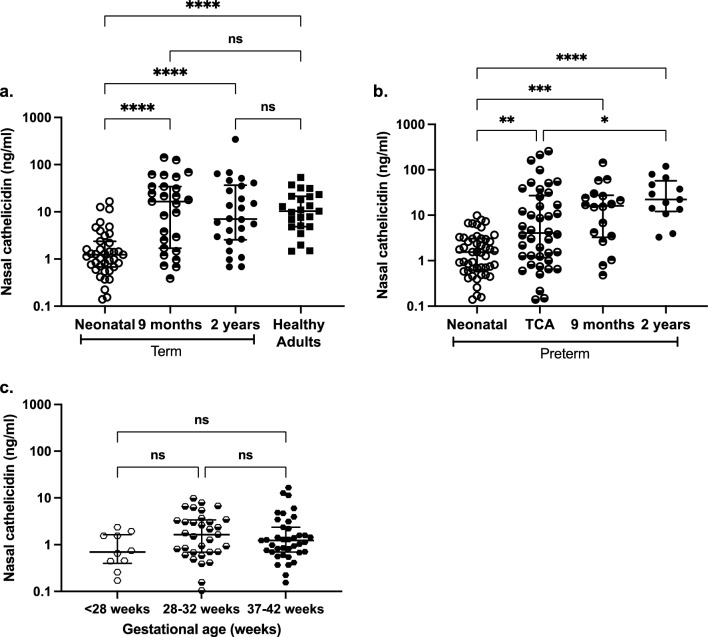 Figure 1
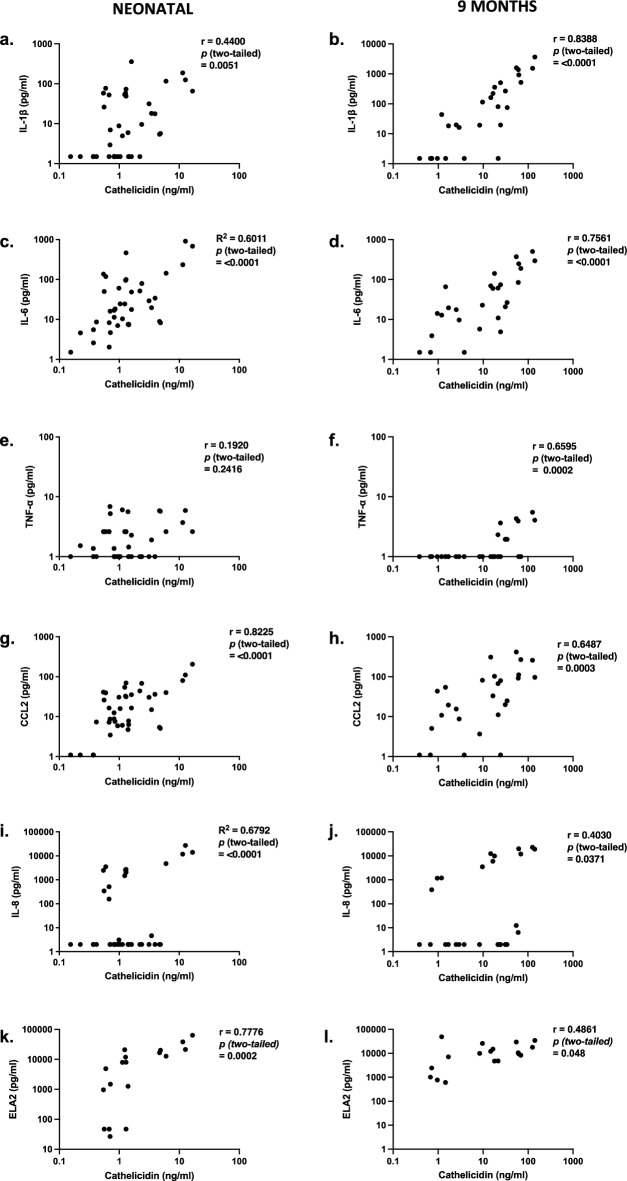 Figure 2
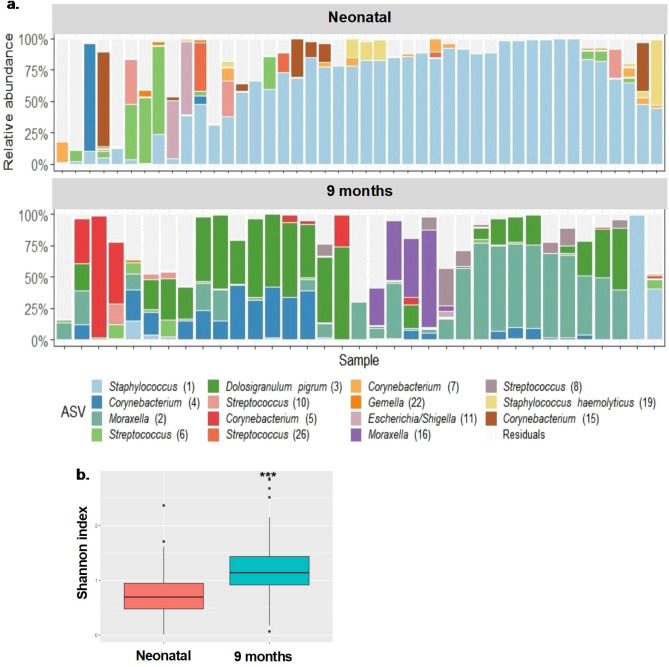 Figure 3
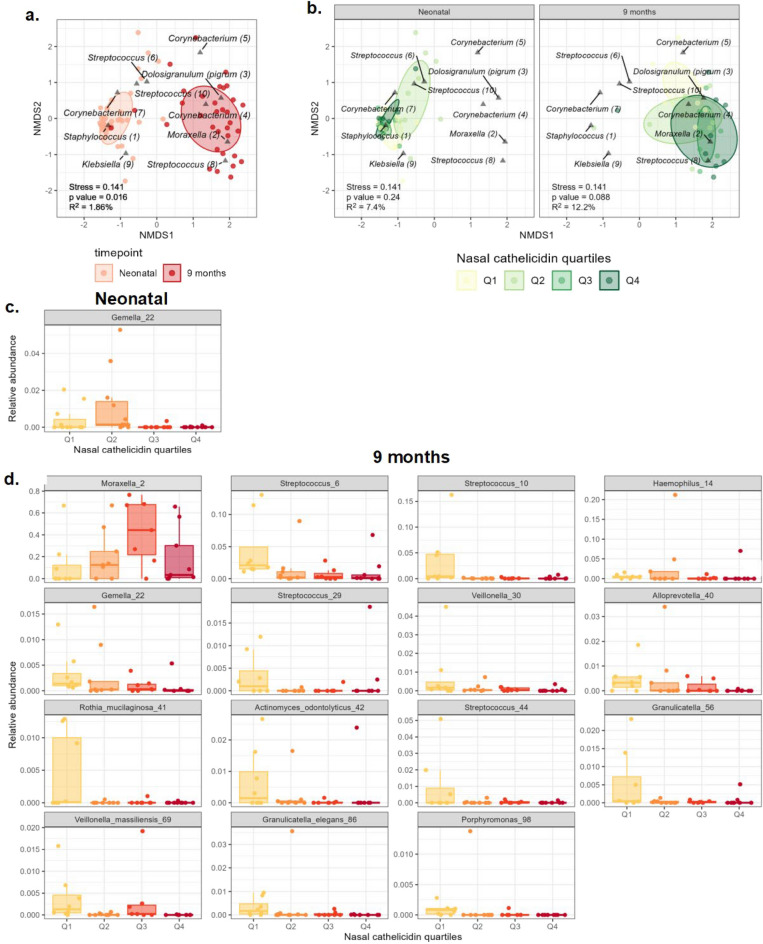 Figure 4
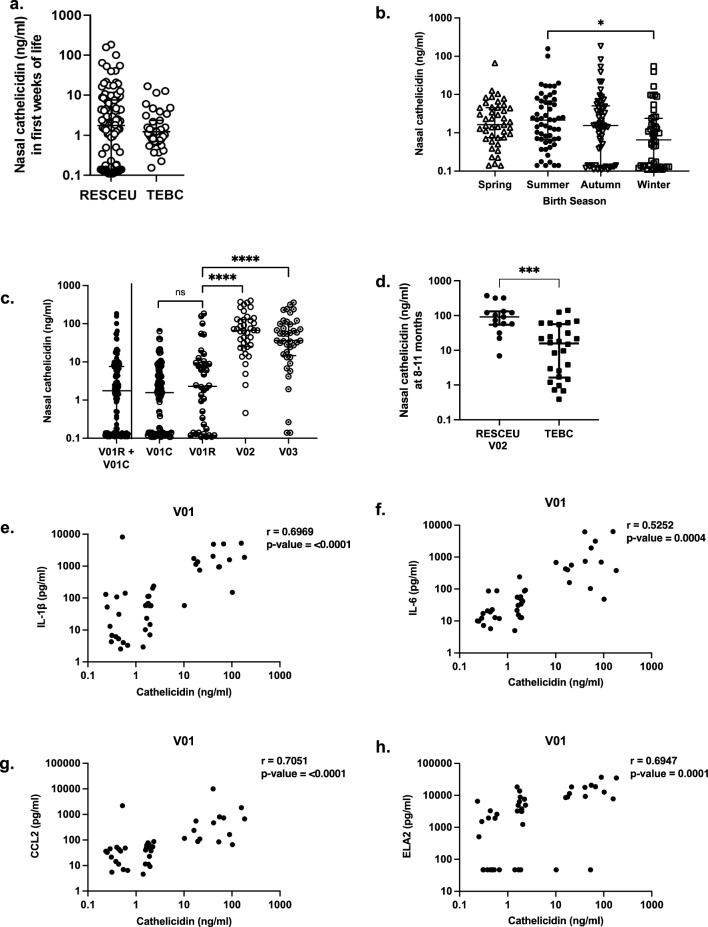 Figure 5
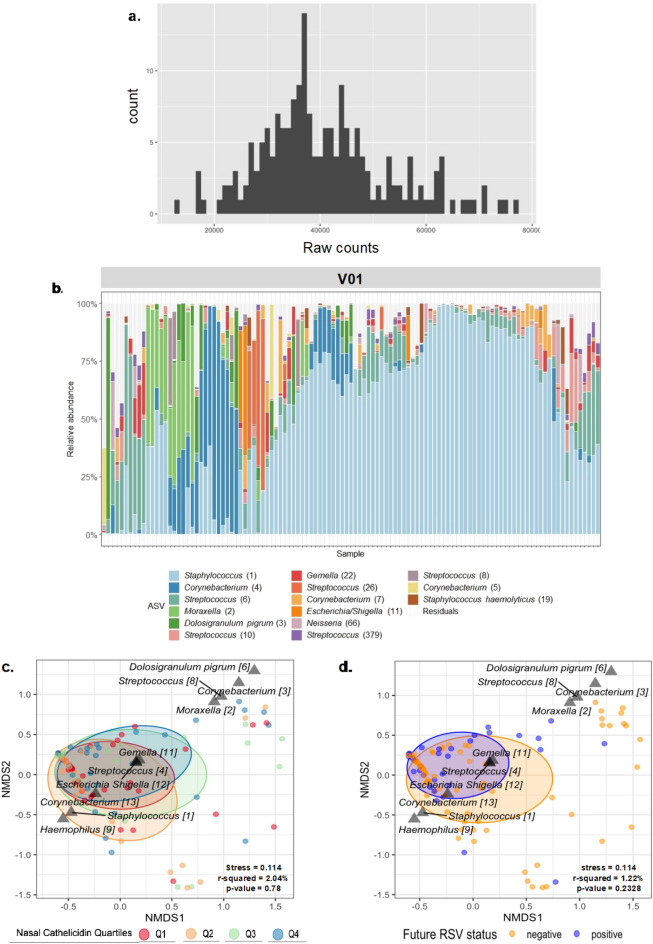 Figure 6
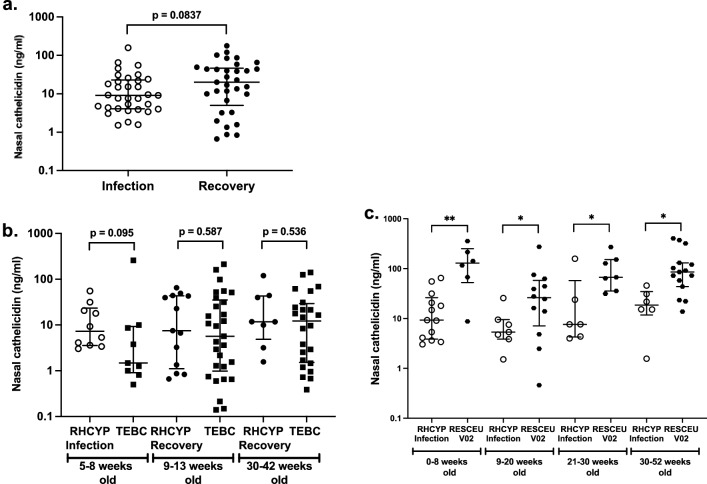 Figure 7
Peer Reviews
No public reviews on file for this paper yet. If you reviewed it on a platform where reviews are public (OpenReview, ICLR, NeurIPS, ICML), you can paste yours below so the community can read it here.
Videos
No videos yet. Explain this paper in a talk, walkthrough, or lecture? Add one.
Taxonomy
TopicsRespiratory viral infections research · Antimicrobial Peptides and Activities · Pediatric health and respiratory diseases