Prevalence of Depression, Anxiety, and Post-traumatic Stress Syndrome Among Intensive Care Unit Survivors in Jazan, Saudi Arabia
Mohammed Ageel, Abdullah Shbeer, Mariam Tawhari, Hussam Darraj, Maisa Baiti, Raghad Mobaraki, Areej Hakami, Nawaf Bakri, Rahf H Almahdi, Raghd Ageeli, Mawada Mustafa

TL;DR
This study finds high rates of depression, anxiety, and PTSD among ICU survivors in Jazan, Saudi Arabia, highlighting the need for mental health support in this population.
Contribution
The study provides region-specific insights into the psychological outcomes of ICU survivors in Jazan, Saudi Arabia.
Findings
24% of participants showed abnormal anxiety levels, and 21% showed abnormal depression levels.
8% of participants were diagnosed with severe PTSD, with anxiety more strongly linked to PTSD than depression.
Socioeconomic factors like income, education, and employment were significantly associated with psychological distress.
Abstract
Objective To quantify the prevalence of depression, anxiety, and post-traumatic stress disorder (PTSD) among ICU survivors in the Jazan region, Saudi Arabia, and explore the correlational relationships among these conditions to inform targeted mental health interventions in this unique regional context. Methods The study employed a cross-sectional observational design to assess ICU survivors from two major hospitals in the Jazan Region: Prince Mohammed Bin Nasser Hospital and King Fahad Central Hospital. One hundred participants were interviewed face-to-face to gather detailed insights into their post-ICU experiences. We employed the hospital anxiety and depression scale (HADS) and the post-trauma symptom scale (PTSS-10) to systematically assess the psychological impacts of anxiety, depression, and PTSD among participants. Results The demographic breakdown of participants showed a…
Genes, proteins, chemicals, diseases, species, mutations and cell lines named across the full text — each resolved to its canonical identifier and authoritative record.
Click any figure to enlarge with its caption.
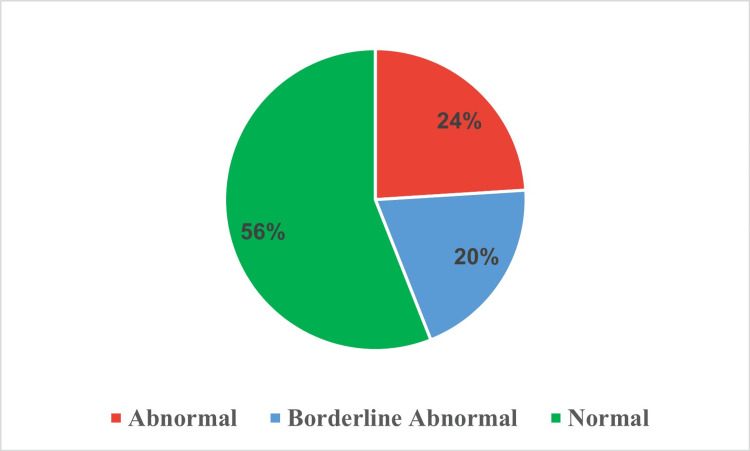 Figure 1
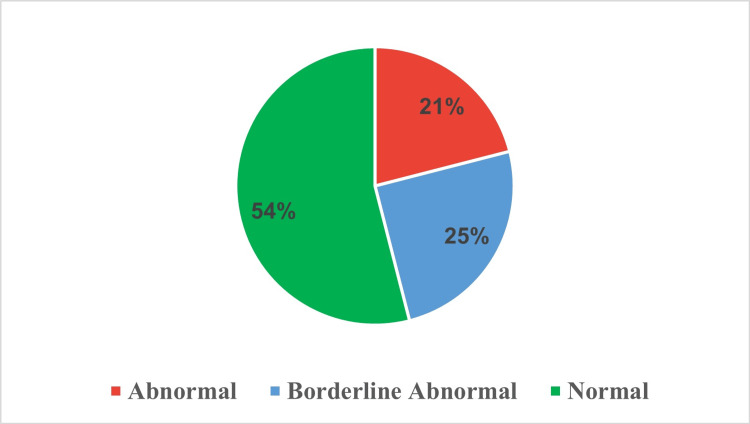 Figure 2
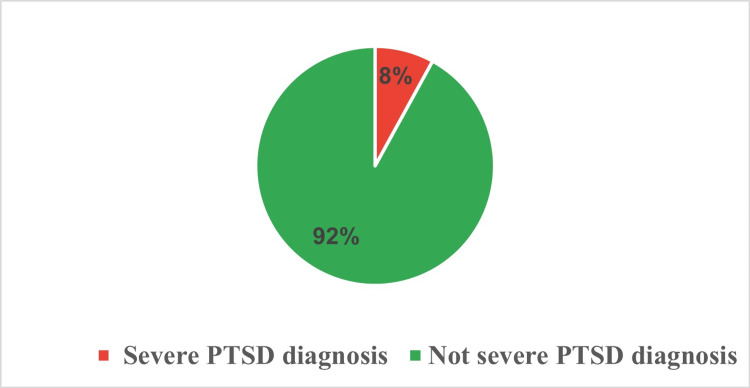 Figure 3
Peer Reviews
No public reviews on file for this paper yet. If you reviewed it on a platform where reviews are public (OpenReview, ICLR, NeurIPS, ICML), you can paste yours below so the community can read it here.
Videos
No videos yet. Explain this paper in a talk, walkthrough, or lecture? Add one.
Taxonomy
TopicsIntensive Care Unit Cognitive Disorders · Family and Patient Care in Intensive Care Units · Healthcare professionals’ stress and burnout