Extreme Few-View Tomography without Training Data
Gengsheng L Zeng

TL;DR
This paper introduces a method to improve image reconstruction in extreme few-view tomography by using known linear attenuation coefficients as extra constraints.
Contribution
The novelty is using known linear attenuation coefficients as constraints to enhance reconstruction in extreme few-view tomography.
Findings
Using known linear attenuation coefficients improves reconstruction quality in extreme few-view tomography.
Computer simulations confirm the effectiveness of the proposed method.
Abstract
There are fewer than 10 projection views in extreme few-view tomography. The state-of-the-art methods to reconstruct images with few-view data are compressed sensing based. Compressed sensing relies on a sparsification transformation and total variation (TV) norm minimization. However, for the extreme few-view tomography, the compressed sensing methods are not powerful enough. This paper seeks additional information as extra constraints so that extreme few-view tomography becomes possible. In transmission tomography, we roughly know the linear attenuation coefficients of the objects to be imaged. We can use these values as extra constraints. Computer simulations show that these extra constraints are helpful and improve the reconstruction quality.
Genes, proteins, chemicals, diseases, species, mutations and cell lines named across the full text — each resolved to its canonical identifier and authoritative record.
Click any figure to enlarge with its caption.
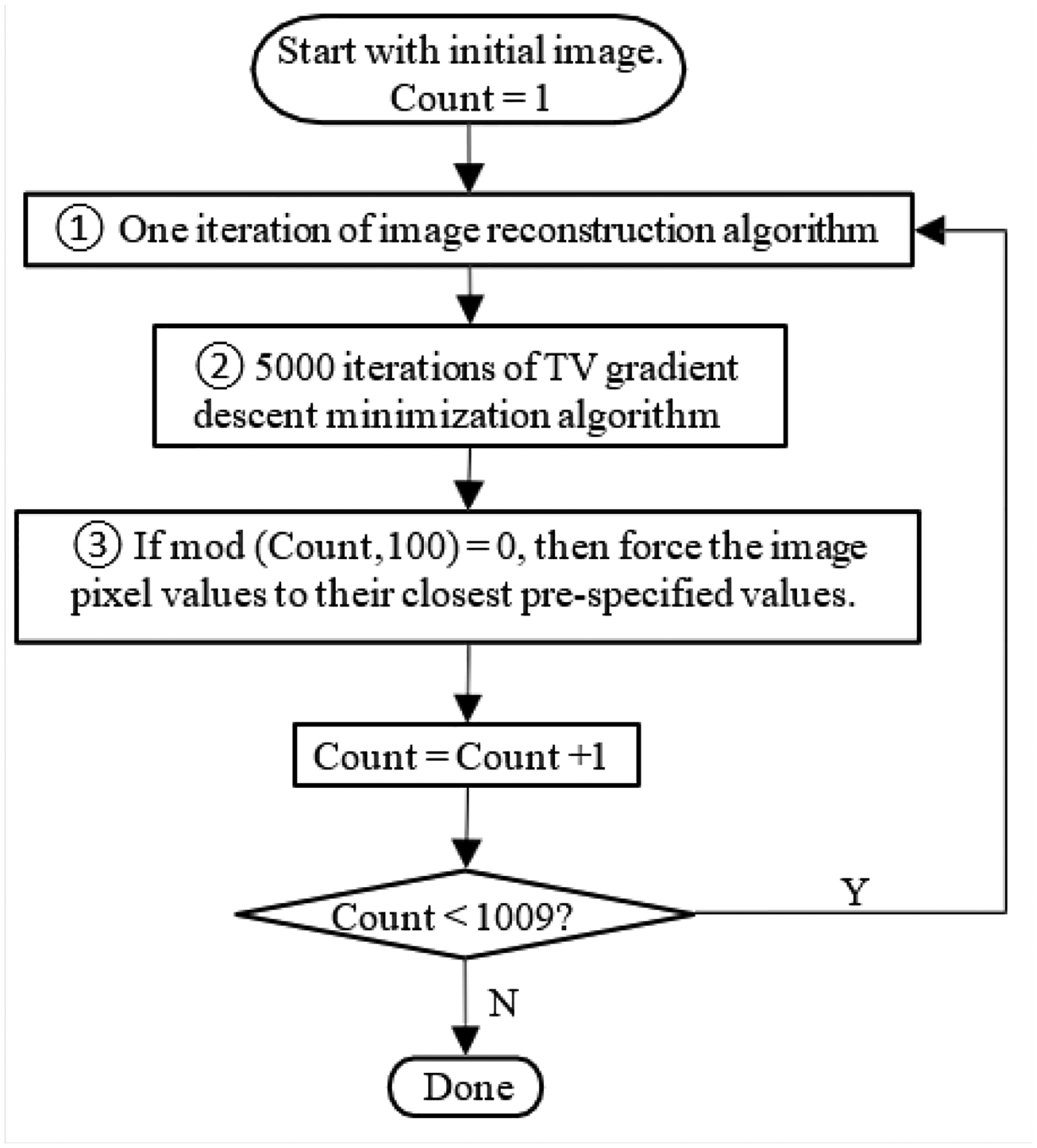 Figure 1
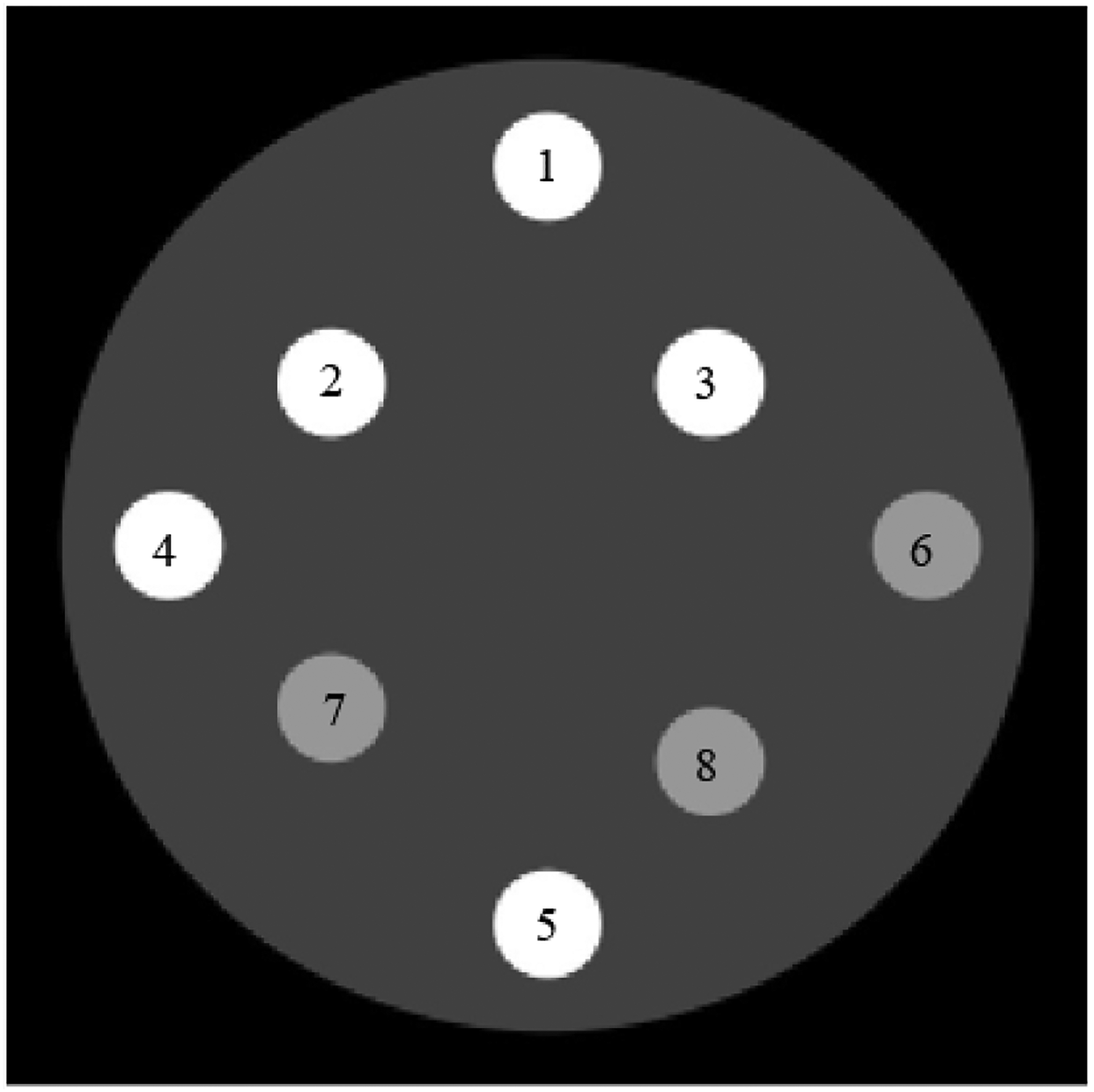 Figure 2
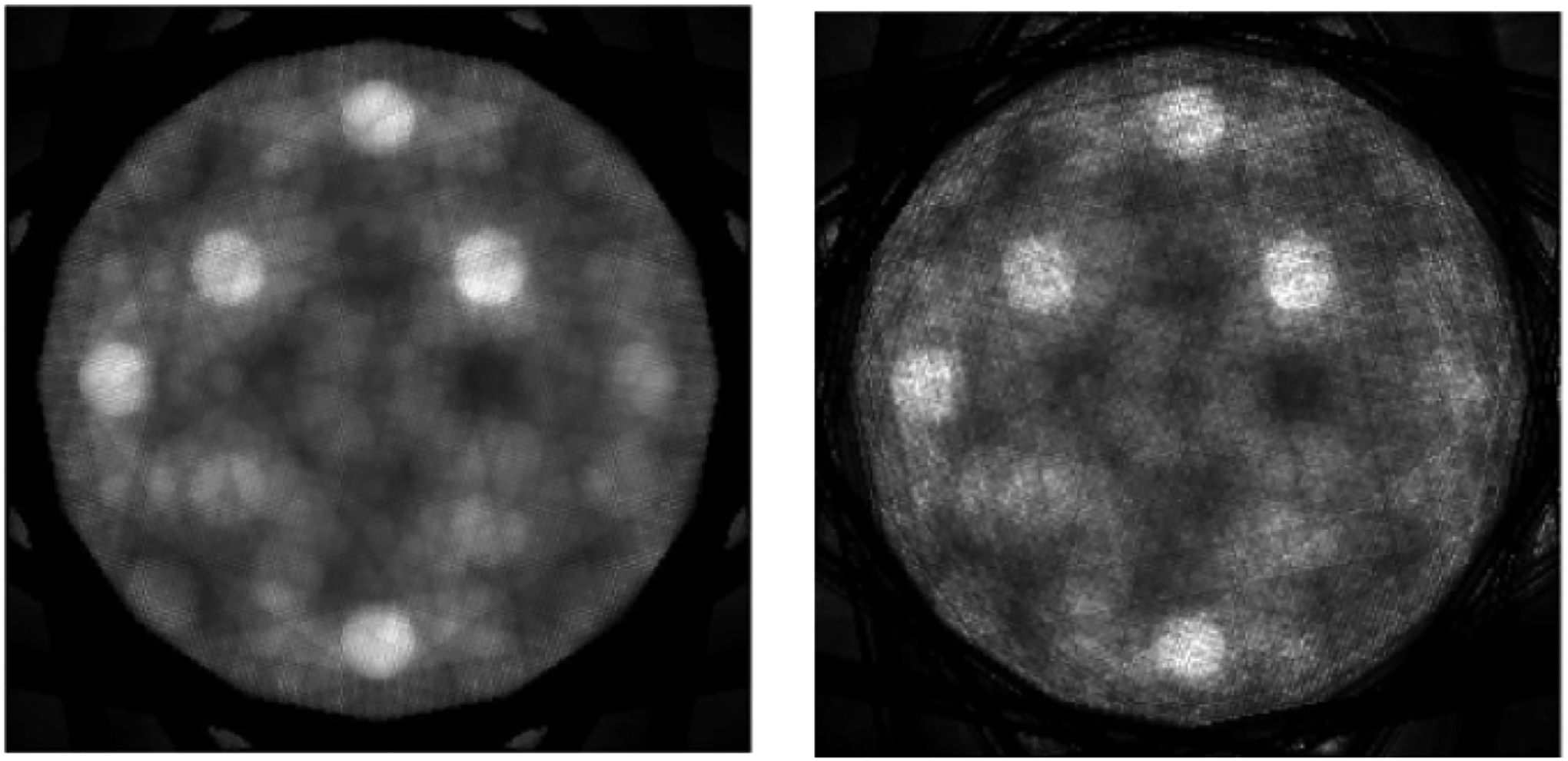 Figure 3
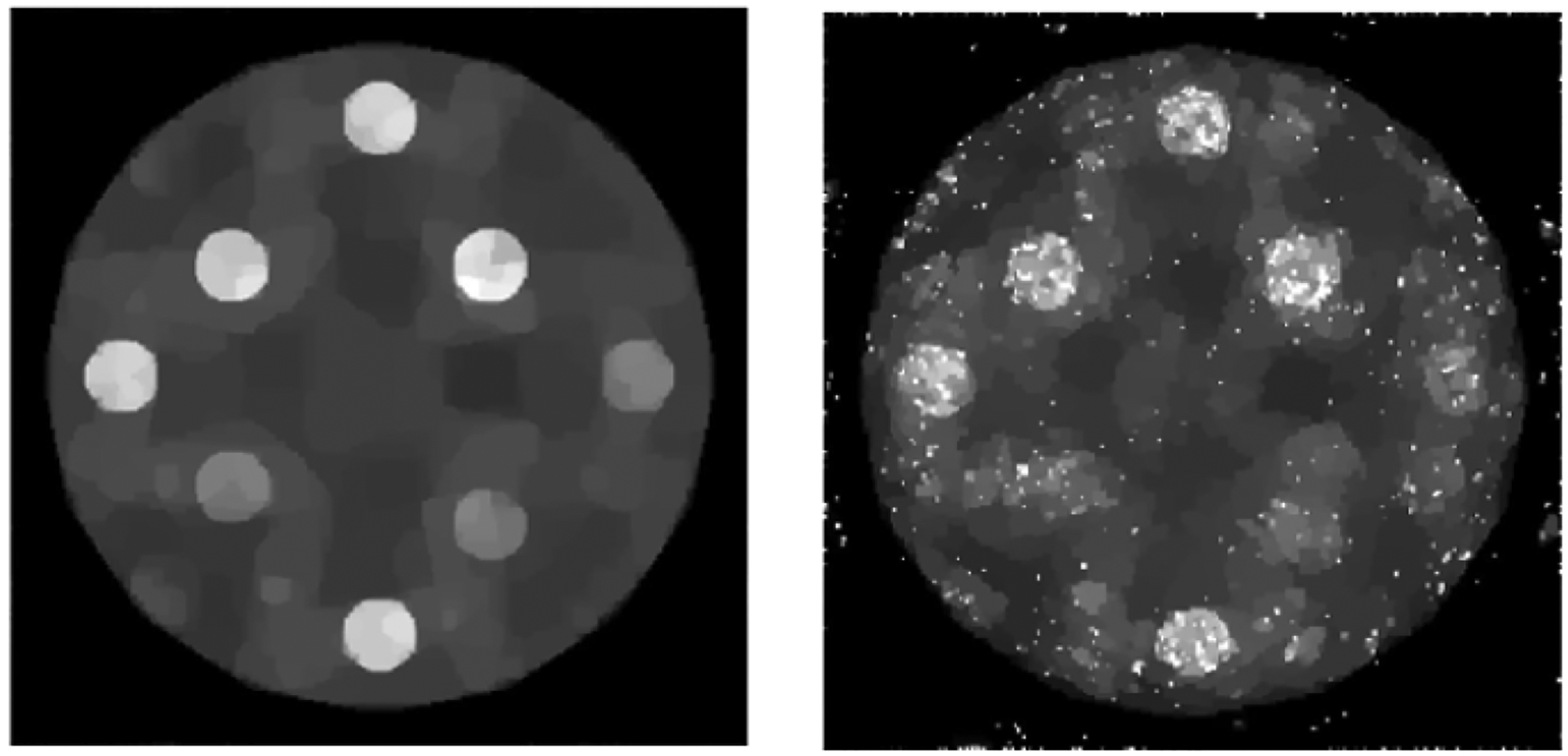 Figure 4
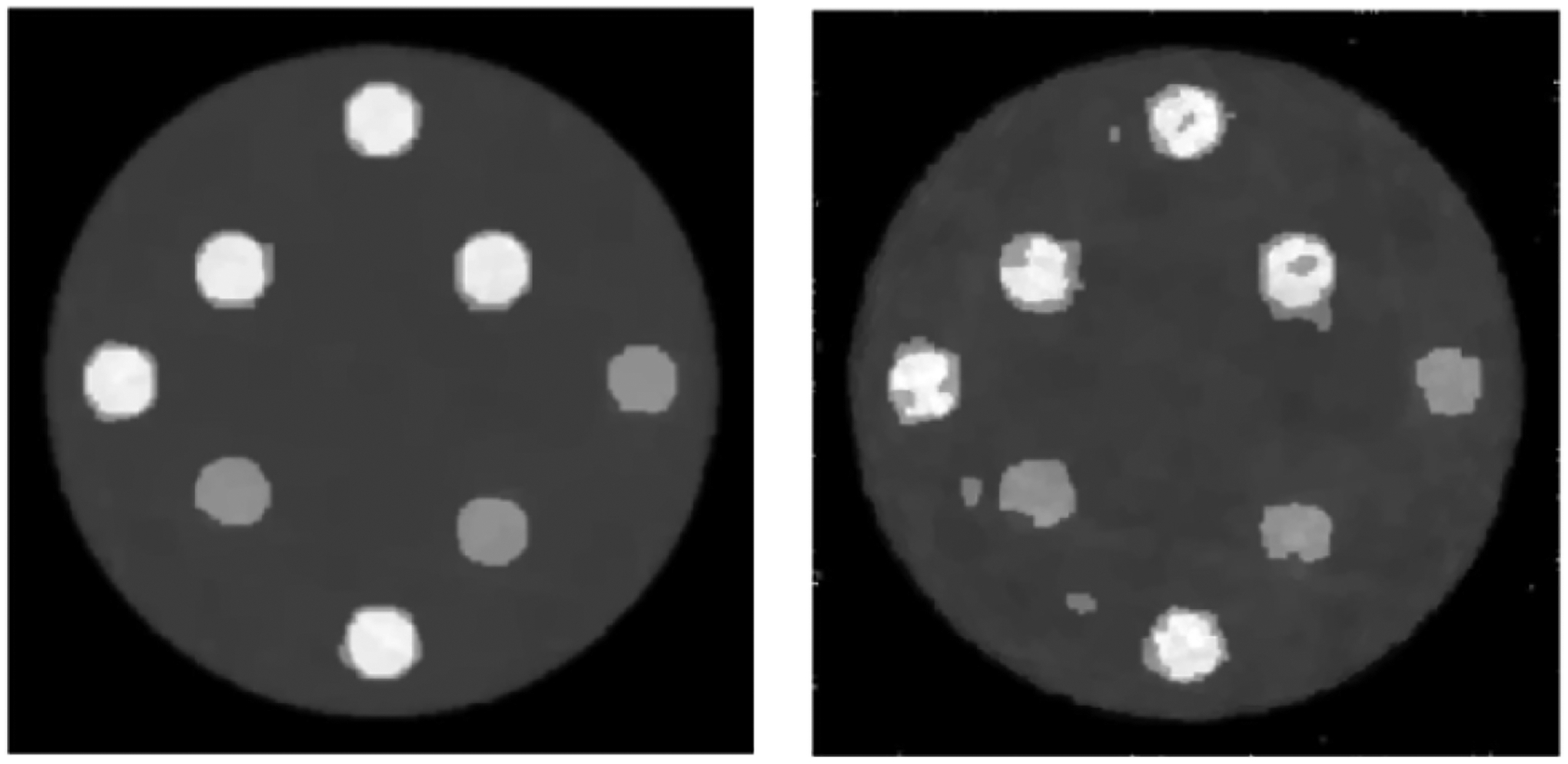 Figure 5
Peer Reviews
No public reviews on file for this paper yet. If you reviewed it on a platform where reviews are public (OpenReview, ICLR, NeurIPS, ICML), you can paste yours below so the community can read it here.
Videos
No videos yet. Explain this paper in a talk, walkthrough, or lecture? Add one.
Taxonomy
TopicsAdvanced X-ray and CT Imaging · Medical Imaging Techniques and Applications · Radiation Dose and Imaging