A Rare Tumor Causing Optic and Oculomotor Nerve Compression: Clivus Plasmacytoma Case Report
Betul Sevindik, Emine Uysal, Serdar Ugras

TL;DR
A rare case of clivus plasmacytoma caused optic and oculomotor nerve compression in a 64-year-old man, treated with radiotherapy.
Contribution
Presents a rare case of clivus plasmacytoma with optic and oculomotor nerve involvement.
Findings
Plasmacytoma in the clivus caused ptosis and decreased vision due to nerve compression.
Radiotherapy was used as the treatment for the tumor.
The case highlights the importance of considering plasmacytoma in clivus tumor differential diagnosis.
Abstract
Plasmacytomas rarely affect the skull base and may be found as an isolated lesion or as a part of multiple myeloma. The typical feature of plasmacytomas is aggressive bone destruction in the skull. It is often confused with the chordoma of the clivus. The most common location for skull-base plasmacytomas is the nasopharynx. The most commonly affected cranial nerve in clivus tumors is the abducens nerve. In our 64-year-old male case, a plasmacytoma was detected in the clivus. There was ptosis and decreased vision due to optic nerve and oculomotor nerve involvement due to the plasmacytoma. Radiotherapy was applied for the treatment.
Genes, proteins, chemicals, diseases, species, mutations and cell lines named across the full text — each resolved to its canonical identifier and authoritative record.
Click any figure to enlarge with its caption.
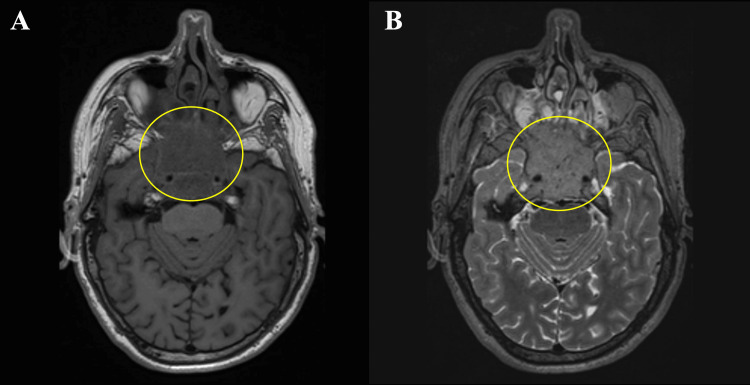 Figure 1
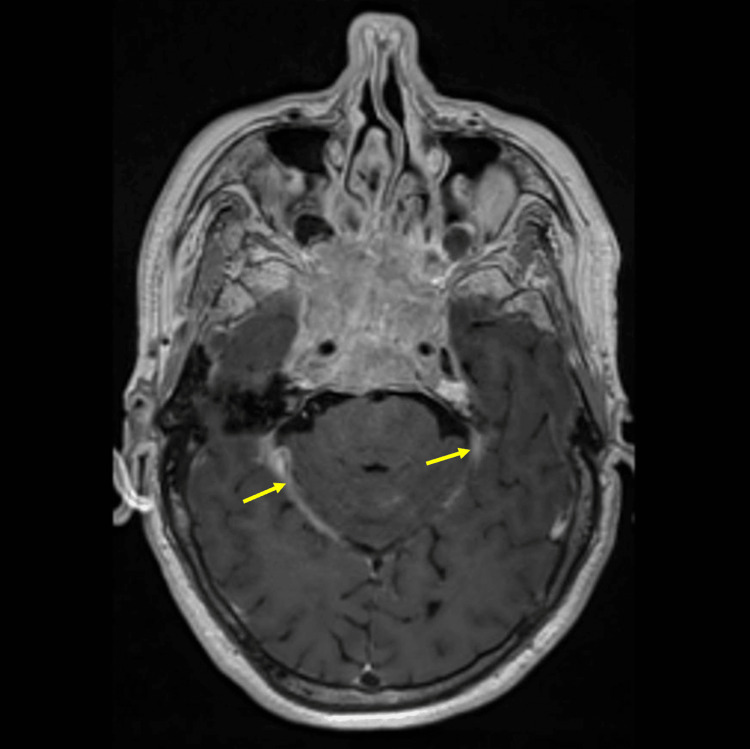 Figure 2
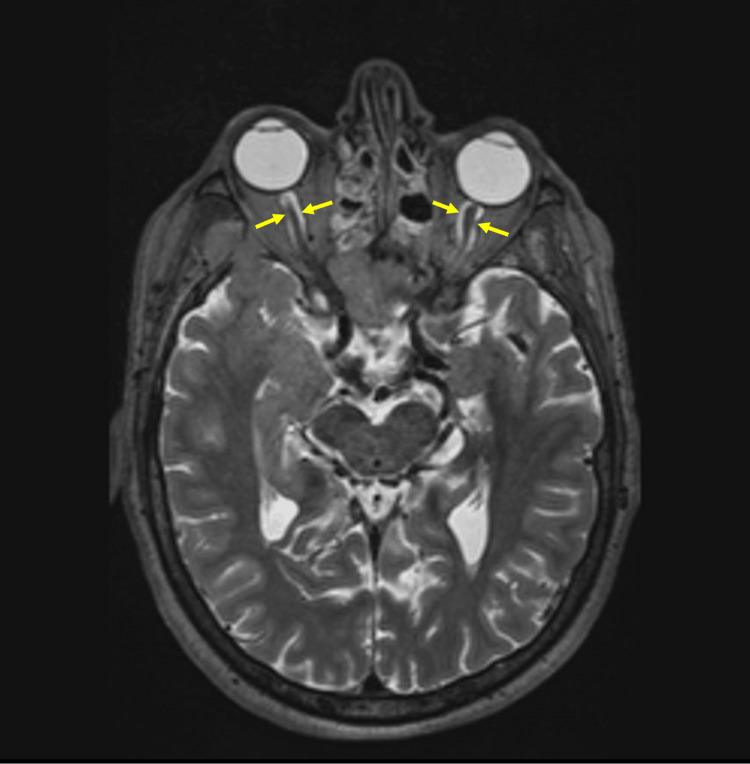 Figure 3
 Figure 4
Peer Reviews
No public reviews on file for this paper yet. If you reviewed it on a platform where reviews are public (OpenReview, ICLR, NeurIPS, ICML), you can paste yours below so the community can read it here.
Videos
No videos yet. Explain this paper in a talk, walkthrough, or lecture? Add one.
Taxonomy
TopicsMultiple Myeloma Research and Treatments · Meningioma and schwannoma management · Neurofibromatosis and Schwannoma Cases