Hypotension prediction index for prevention of intraoperative hypotension in patients undergoing general anesthesia: a randomized controlled trial
Chih-Jun Lai, Ya-Jung Cheng, Yin-Yi Han, Po-Ni Hsiao, Pei-Lin Lin, Ching-Tang Chiu, Jang-Ming Lee, Yu-Wen Tien, Kuo-Liong Chien

TL;DR
A new system called HPI helps reduce the severity and duration of low blood pressure during surgery under general anesthesia.
Contribution
The Hypotension Prediction Index (HPI) is introduced as a novel tool for preventing intraoperative hypotension.
Findings
The intervention group had significantly lower hypotension severity compared to the control group.
Median MAP during surgery was significantly higher in the HPI-guided group.
HPI guidance showed consistent benefits across multiple MAP thresholds.
Abstract
Intraoperative hypotension is a common side effect of general anesthesia. Here we examined whether the Hypotension Prediction Index (HPI), a novel warning system, reduces the severity and duration of intraoperative hypotension during general anesthesia. This randomized controlled trial was conducted in a tertiary referral hospital. We enrolled patients undergoing general anesthesia with invasive arterial monitoring. Patients were randomized 1:1 either to receive hemodynamic management with HPI guidance (intervention) or standard of care (control) treatment. Intraoperative hypotension treatment was initiated at HPI > 85 (intervention) or mean arterial pressure (MAP) < 65 mmHg (control). The primary outcome was hypotension severity, defined as a time-weighted average (TWA) MAP < 65 mmHg. Secondary outcomes were TWA MAP < 60 and < 55 mmHg. Of the 60 patients who completed the study, 30…
Genes, proteins, chemicals, diseases, species, mutations and cell lines named across the full text — each resolved to its canonical identifier and authoritative record.
Click any figure to enlarge with its caption.
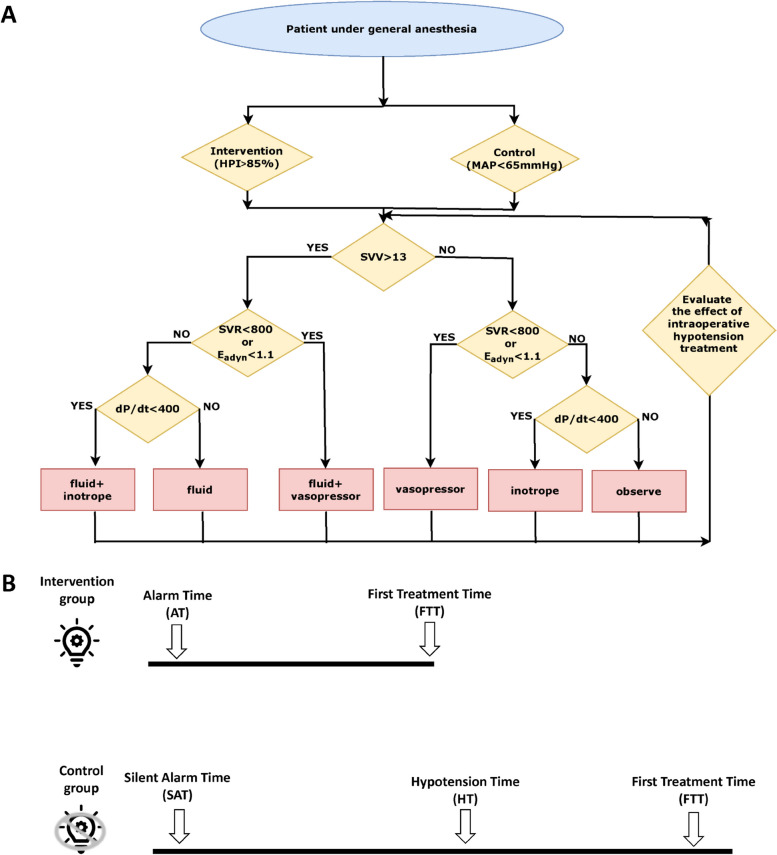 Figure 1
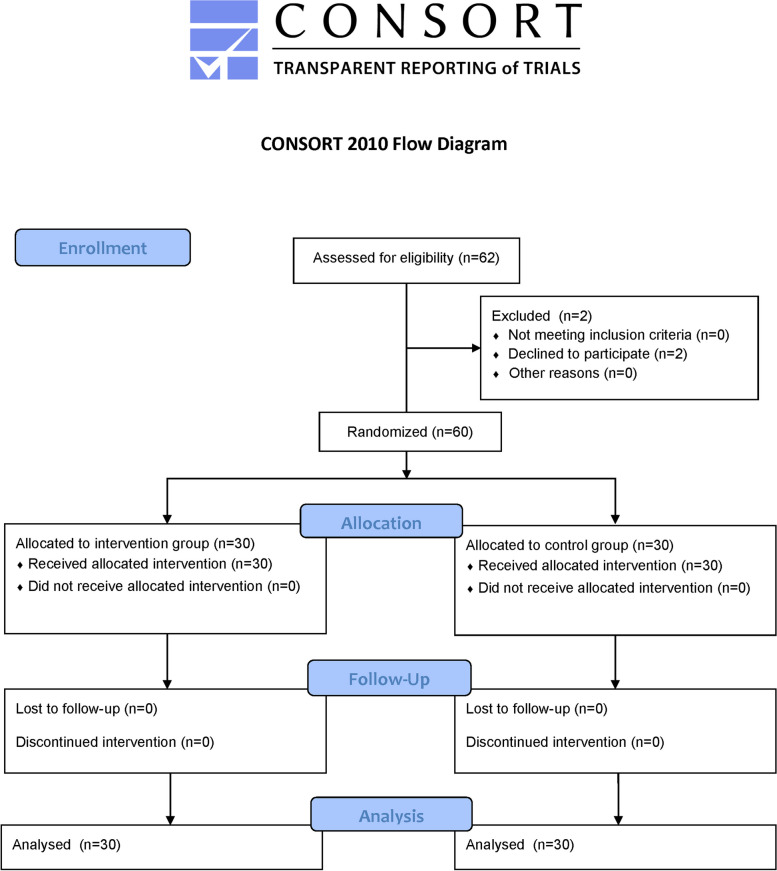 Figure 2
Peer Reviews
No public reviews on file for this paper yet. If you reviewed it on a platform where reviews are public (OpenReview, ICLR, NeurIPS, ICML), you can paste yours below so the community can read it here.
Videos
No videos yet. Explain this paper in a talk, walkthrough, or lecture? Add one.
Taxonomy
TopicsUltrasound and Cavitation Phenomena · Microfluidic and Bio-sensing Technologies · Microfluidic and Capillary Electrophoresis Applications