Herpes Zoster Ophthalmicus Secondary to Periorbital Cellulitis
Krishna Sheth, Cody Lee, Maha Jangda, Yaw Baah

TL;DR
This paper reports a rare case of herpes zoster ophthalmicus in a 54-year-old woman with an unusual medical history.
Contribution
The novelty lies in presenting an uncommon manifestation of the herpes zoster virus following periorbital cellulitis.
Findings
The patient exhibited a rare form of herpes zoster known as herpes zoster ophthalmicus.
The case highlights the importance of considering VZV reactivation in patients with atypical presentations.
The patient's medical history may have contributed to the unusual manifestation of the disease.
Abstract
Varicella zoster virus (VZV) infection, also commonly known as chickenpox, is a communicable disease most often contracted in childhood via contact, airborne, or droplet transmission. After about a two-week incubation period, patients can experience a prodromal phase, which includes a pruritic vesicular blistering rash with associated constitutional symptoms such as fever, headache, malaise, muscle aches, fatigue, and sore throat. Symptoms are often self-limiting and only require supportive care and observation. We report a case of a 54-year-old female who presented with an unusual background history and was found to have a rare manifestation of herpes zoster virus, presenting as herpes zoster ophthalmicus (HZO).
Genes, proteins, chemicals, diseases, species, mutations and cell lines named across the full text — each resolved to its canonical identifier and authoritative record.
Click any figure to enlarge with its caption.
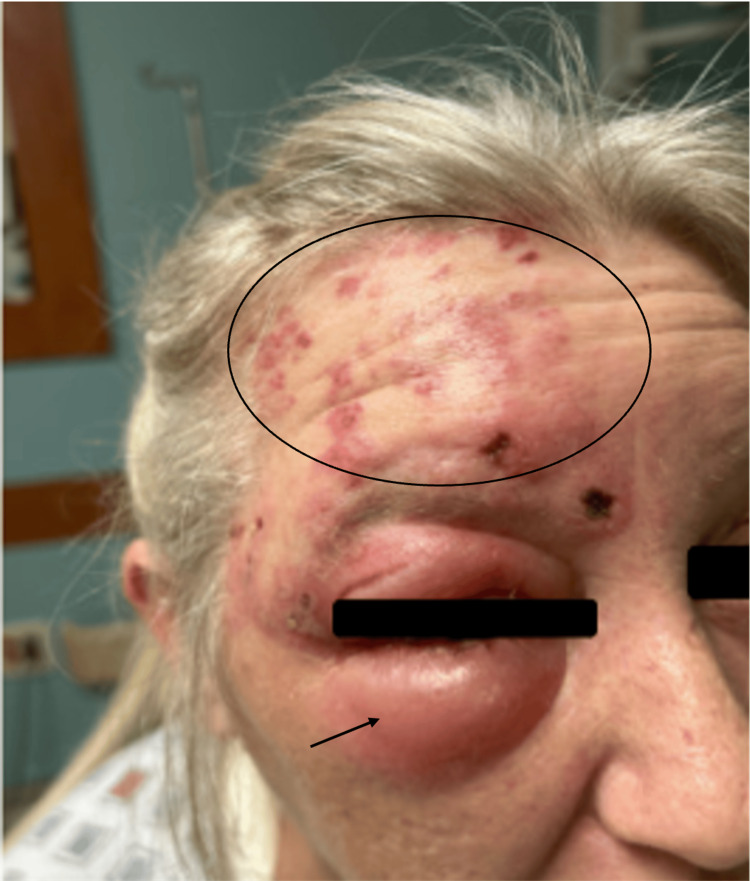 Figure 1
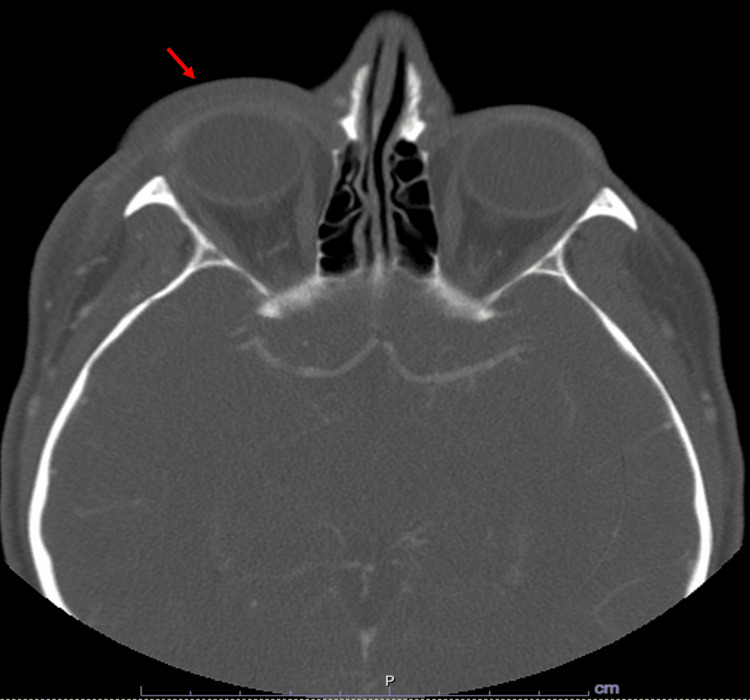 Figure 2
Peer Reviews
No public reviews on file for this paper yet. If you reviewed it on a platform where reviews are public (OpenReview, ICLR, NeurIPS, ICML), you can paste yours below so the community can read it here.
Videos
No videos yet. Explain this paper in a talk, walkthrough, or lecture? Add one.
Taxonomy
TopicsHerpesvirus Infections and Treatments · Ocular Diseases and Behçet’s Syndrome · Acne and Rosacea Treatments and Effects