Tick hazard in the South Downs National Park (UK): species, distribution, key locations for future interventions, site density, habitats
Jo Middleton, Ian Cooper, Anja S. Rott

TL;DR
This study maps tick distribution and hazard in South Downs National Park, identifying key sites and species to guide interventions that balance public health and ecosystem conservation.
Contribution
The study provides the first detailed mapping of tick hazard in SDNP and identifies key intervention sites and species, including a concerning range expansion of Haemaphysalis punctata.
Findings
Ixodes ricinus was most prevalent, with The Mens having the highest tick density.
Haemaphysalis punctata showed a potential range expansion, raising public health concerns.
Woodland habitats had significantly higher tick hazard than downland.
Abstract
South Downs National Park (SDNP) is UK’s most visited National Park, and a focus of tick-borne Lyme disease. The first presumed UK autochthonous cases of tick-borne encephalitis and babesiosis were recorded in 2019–20. SDNP aims to conserve wildlife and encourage recreation, so interventions are needed that reduce hazard without negatively affecting ecosystem health. To be successful these require knowledge of site hazards. British Deer Society members submitted ticks removed from deer. Key potential intervention sites were selected and six 50 m2 transects drag-sampled per site (mostly twice yearly for 2 years). Ticks were identified in-lab (sex, life stage, species), hazard measured as tick presence, density of ticks (all life stages, DOT), and density of nymphs (DON). Sites and habitat types were analysed for association with hazard. Distribution was mapped by combining our results…
Genes, proteins, chemicals, diseases, species, mutations and cell lines named across the full text — each resolved to its canonical identifier and authoritative record.
Click any figure to enlarge with its caption.
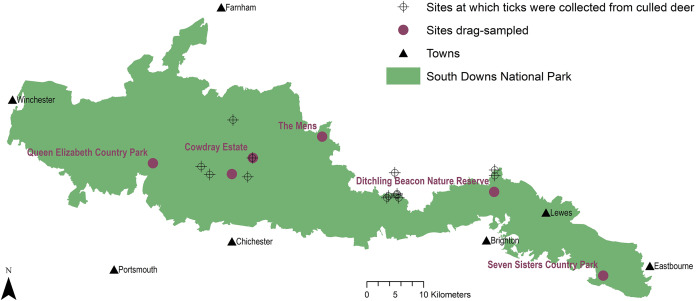 Figure 1
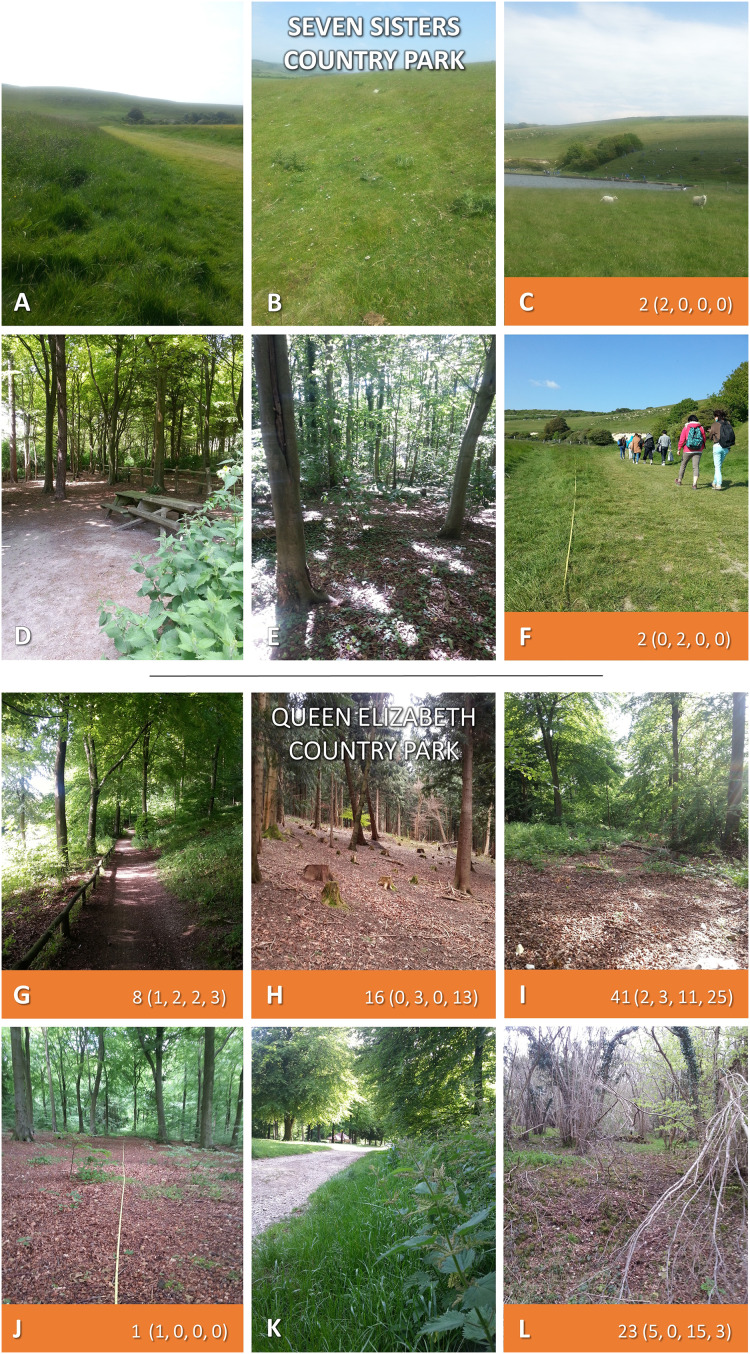 Figure 2
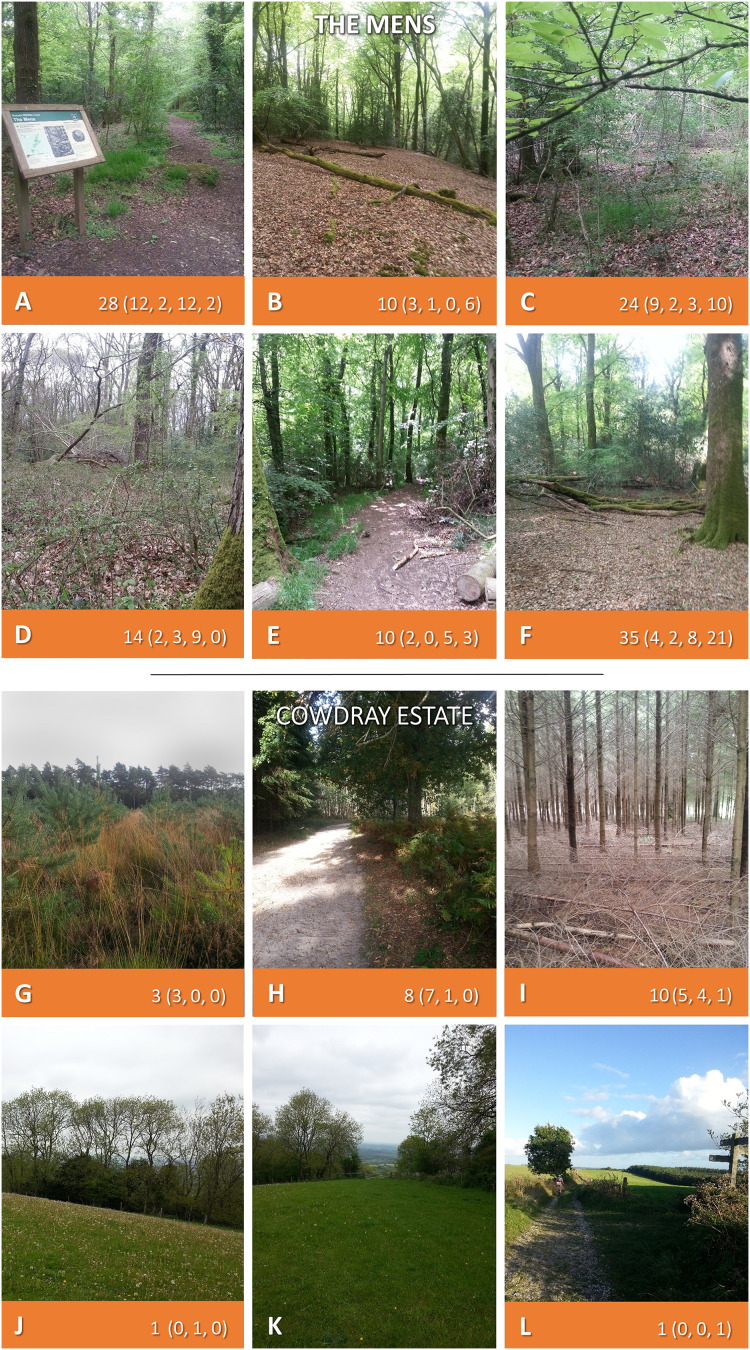 Figure 3
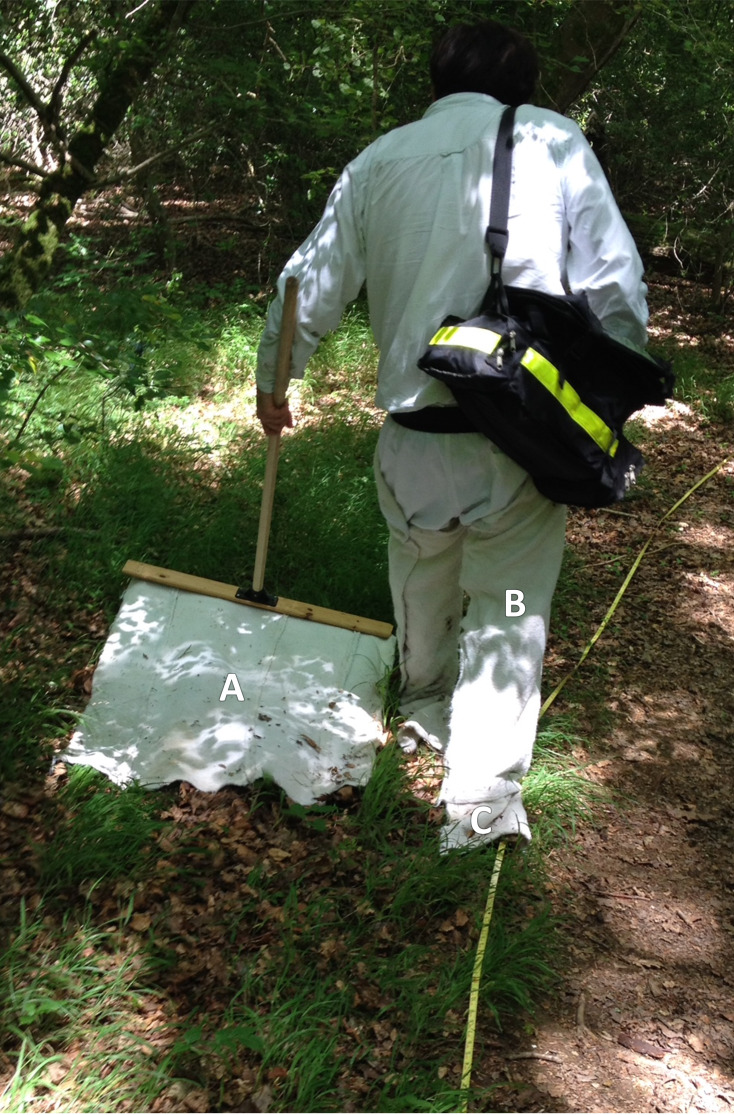 Figure 4
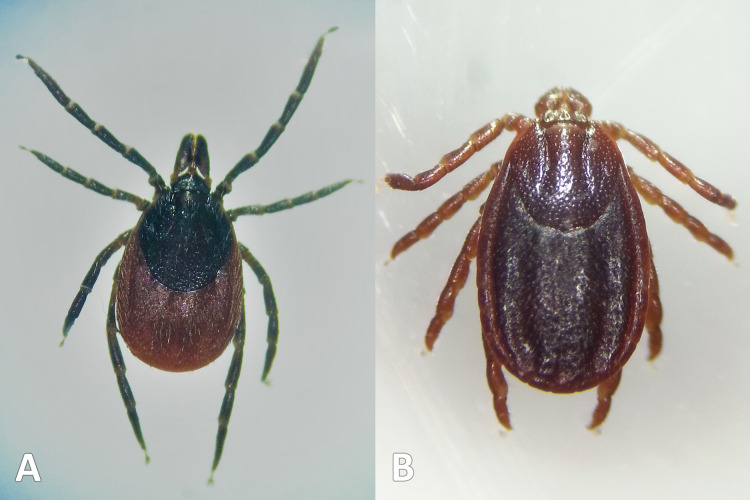 Figure 5
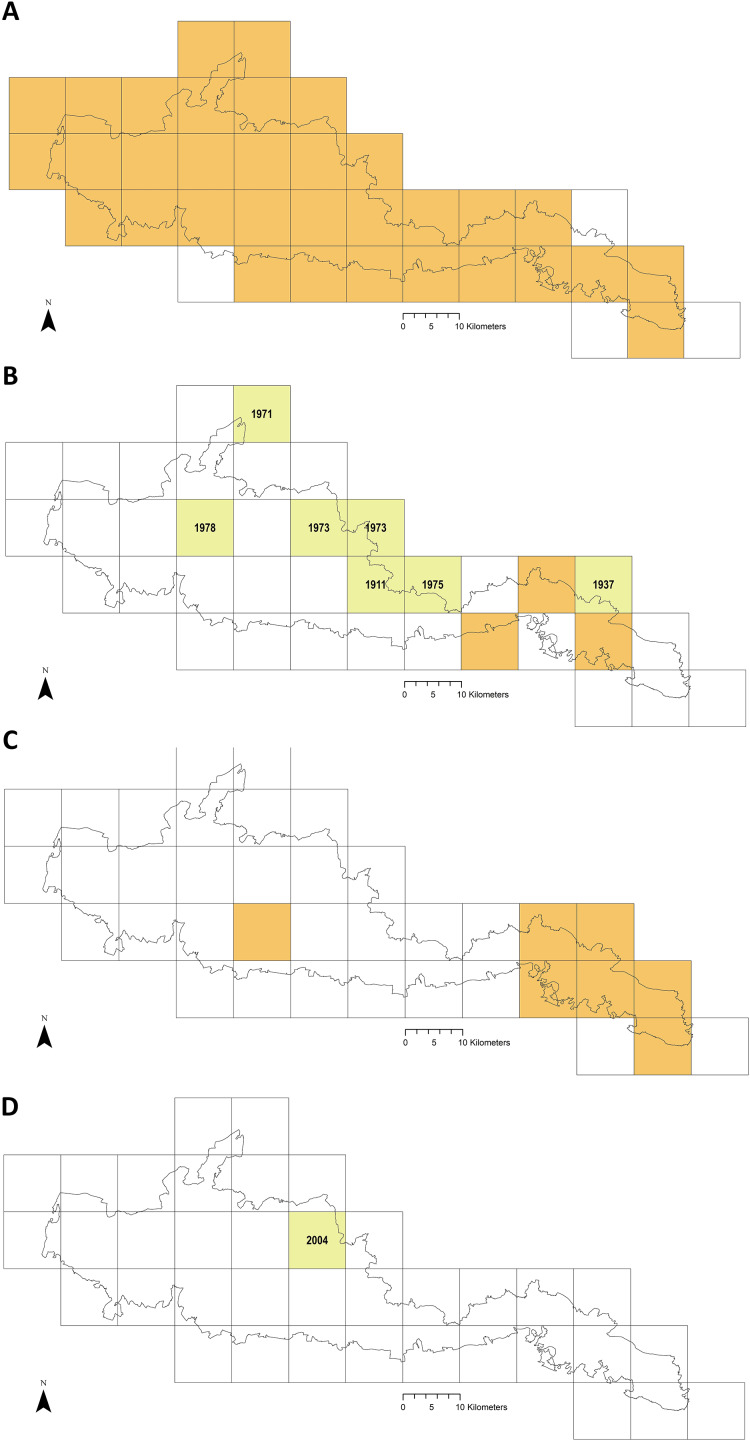 Figure 6
 Figure 7
 Figure 8
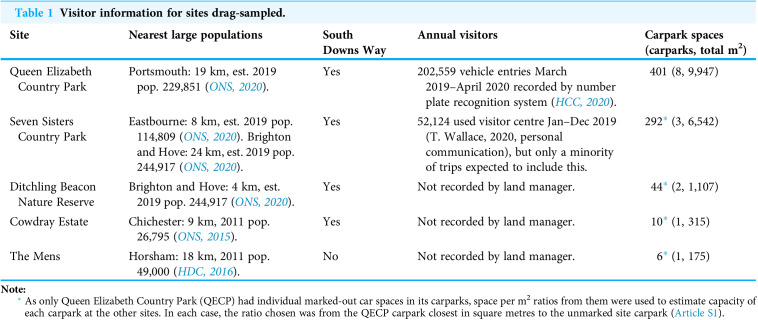 Figure 9
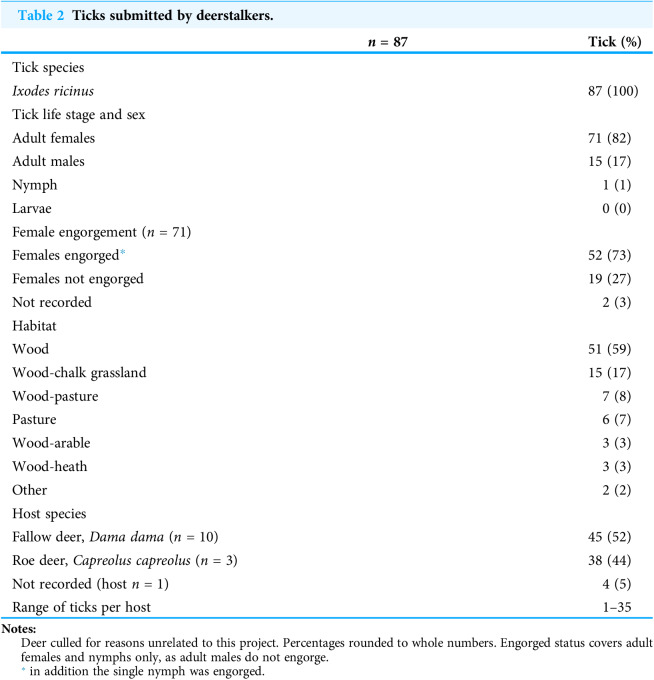 Figure 10
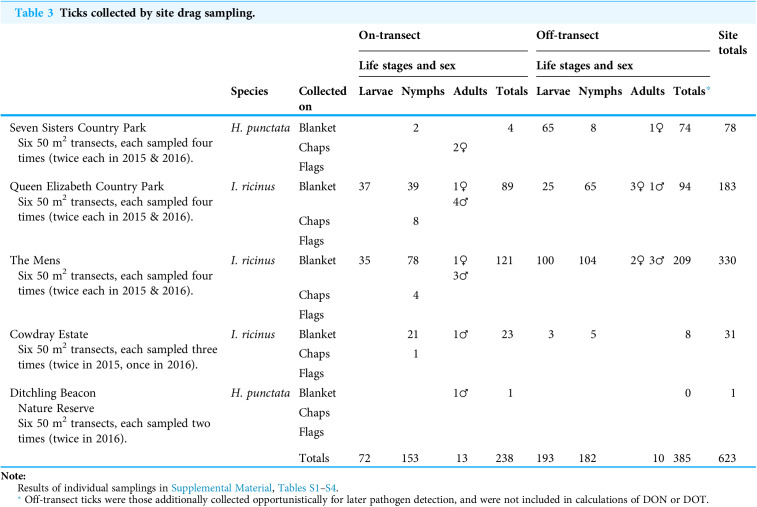 Figure 11
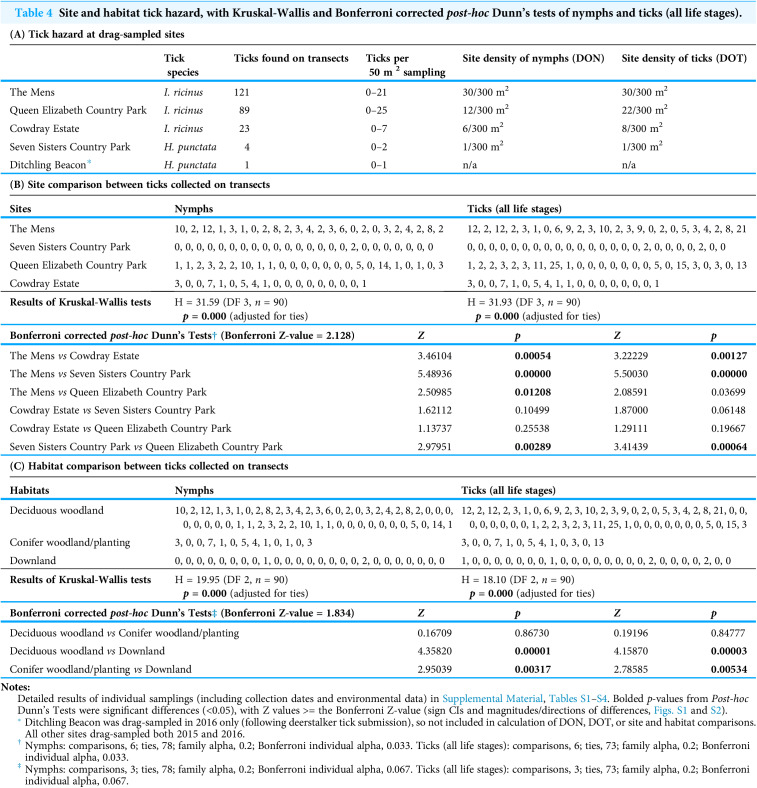 Figure 12
Peer Reviews
No public reviews on file for this paper yet. If you reviewed it on a platform where reviews are public (OpenReview, ICLR, NeurIPS, ICML), you can paste yours below so the community can read it here.
Videos
No videos yet. Explain this paper in a talk, walkthrough, or lecture? Add one.
Taxonomy
TopicsVector-borne infectious diseases · Viral Infections and Vectors · Zoonotic diseases and public health