How to treat a “sweetheart” in mitochondrial cardiomyopathy
Hsin-Pin Lin, Derek P Narendra

TL;DR
A high-fat diet can help treat mitochondrial cardiomyopathy by shifting energy sources away from glucose.
Contribution
The study introduces a metabolic therapy using fatty acids to treat mitochondrial heart disease.
Findings
Forcing sick mitochondria to use fatty acids rescued mitochondrial cardiomyopathy.
A high-fat diet improved outcomes in a mitochondrial disease model.
Glucose may not be the best fuel for sick mitochondria in heart disease.
Abstract
Mitochondria are the powerhouses of the cell, and they are fuel flexible. They can generate power from nearly every abundant carbon source in the body, including carbohydrates, amino acids, and fatty acids. When mitochondria are sick, however, some fuels may be better than others – and the best may not come in “heart healthy” packaging. In this issue of EMBO Molecular Medicine, Southwell et al, report dramatic rescue of a mitochondrial cardiomyopathy by forcing sick mitochondria to use fatty acids, delivered through a high fat diet, rather than sweet glucose they seem to prefer. D. Narendra and HP. Lin discuss the metabolic therapeutic strategy for the treatment of mitochondrial cardiomyopathies as reported by H. Kawamata and colleagues, in this issue of EMBO Mol Med.
Genes, proteins, chemicals, diseases, species, mutations and cell lines named across the full text — each resolved to its canonical identifier and authoritative record.
Click any figure to enlarge with its caption.
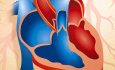 Figure 1
Peer Reviews
No public reviews on file for this paper yet. If you reviewed it on a platform where reviews are public (OpenReview, ICLR, NeurIPS, ICML), you can paste yours below so the community can read it here.
Videos
No videos yet. Explain this paper in a talk, walkthrough, or lecture? Add one.
Taxonomy
TopicsMitochondrial Function and Pathology · Metabolism and Genetic Disorders · ATP Synthase and ATPases Research