High-Dimensional Fixed Effects Profiling Models and Applications in End-Stage Kidney Disease Patients: Current State and Future Directions
Danh V. Nguyen, Qi Qian, Amy S. You, Esra Kurum, Connie M. Rhee, Damla Senturk

TL;DR
This paper reviews fixed effects profiling models used to evaluate dialysis facilities for patient outcomes in end-stage kidney disease patients and highlights future research directions.
Contribution
The paper provides a comprehensive review of fixed effects profiling models tailored for end-stage kidney disease patients on dialysis.
Findings
Fixed effects models are used to profile dialysis facilities for patient hospitalizations and adverse events.
The paper identifies facility characteristics like staffing levels that influence hospital readmissions.
Challenges in methodology and clinical studies for profiling models in ESKD patients are highlighted.
Abstract
Profiling analysis aims to evaluate health care providers, including hospitals, nursing homes, or dialysis facilities among others with respect to a patient outcome, such as 30-day unplanned hospital readmission or mortality. Fixed effects (FE) profiling models have been developed over the last decade, motivated by the overall need to (a) improve accurate identification or “flagging” of under-performing providers, (b) relax assumptions inherent in random effects (RE) profiling models, and (c) take into consideration the unique disease characteristics and care/treatment processes of end-stage kidney disease (ESKD) patients on dialysis. In this paper, we review the current state of FE methodologies and their rationale in the ESKD population and illustrate applications in four key areas: profiling dialysis facilities for (1) patient hospitalizations over time (longitudinally) using…
Genes, proteins, chemicals, diseases, species, mutations and cell lines named across the full text — each resolved to its canonical identifier and authoritative record.
Click any figure to enlarge with its caption.
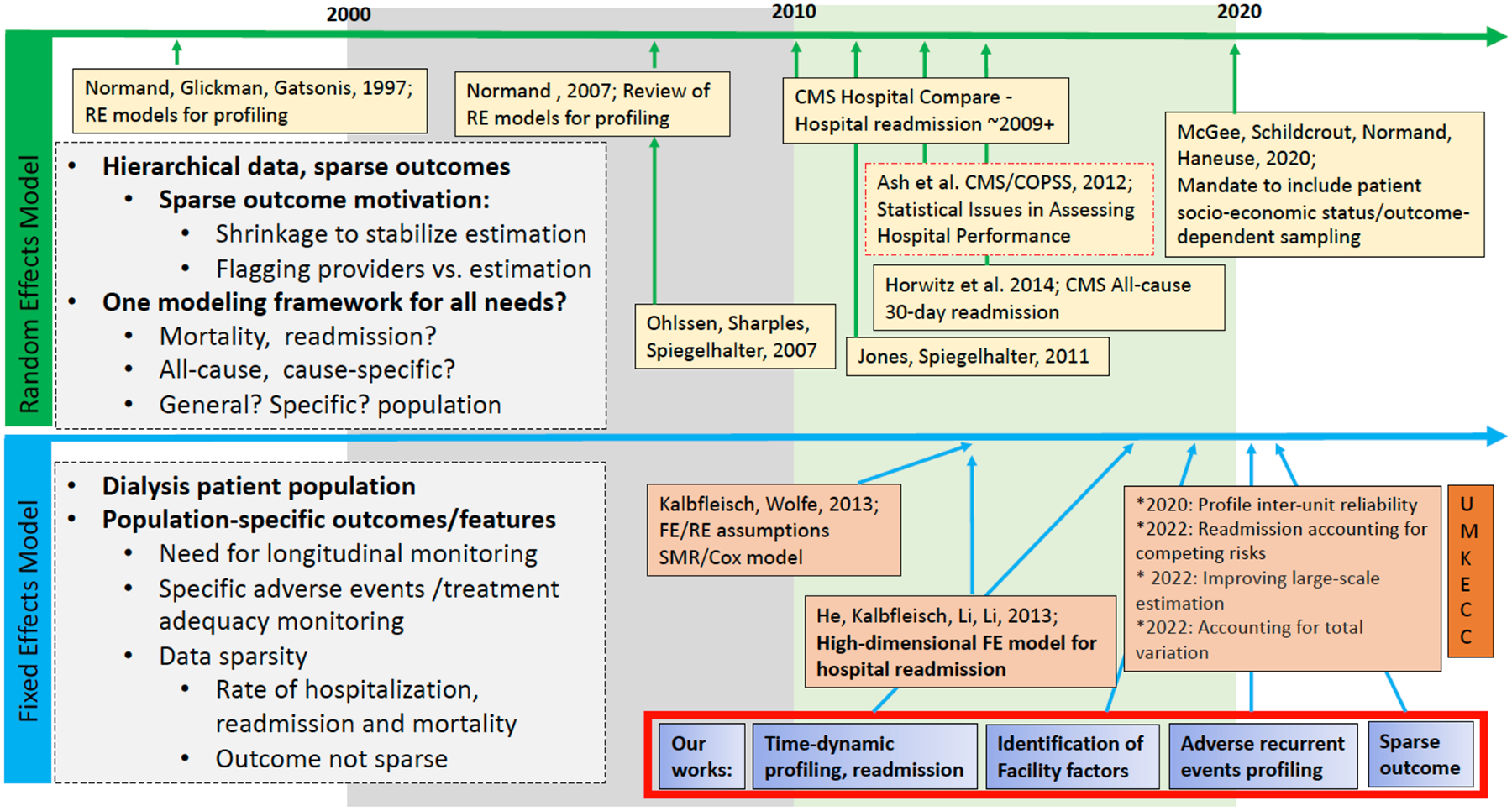 Figure 1
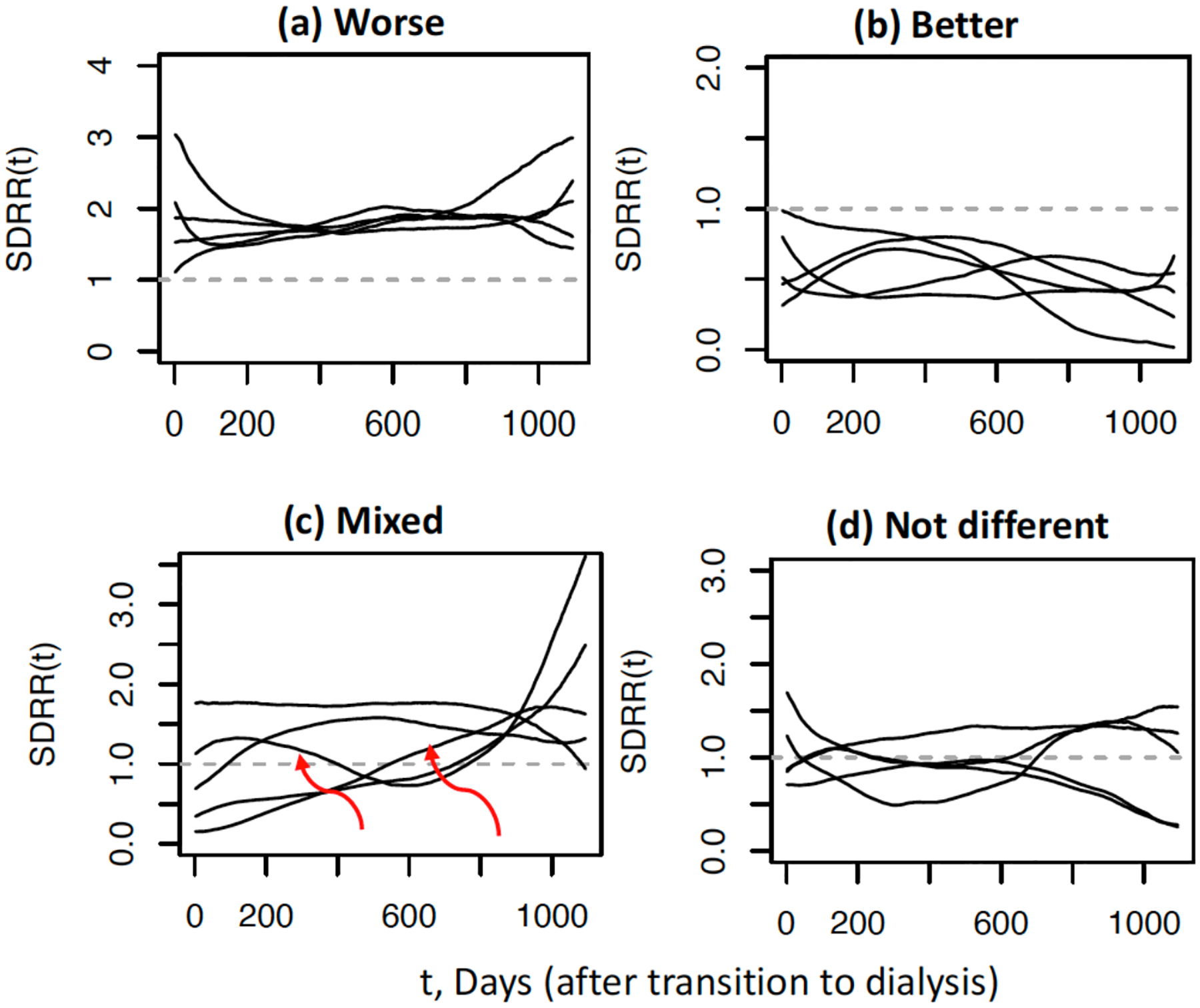 Figure 2
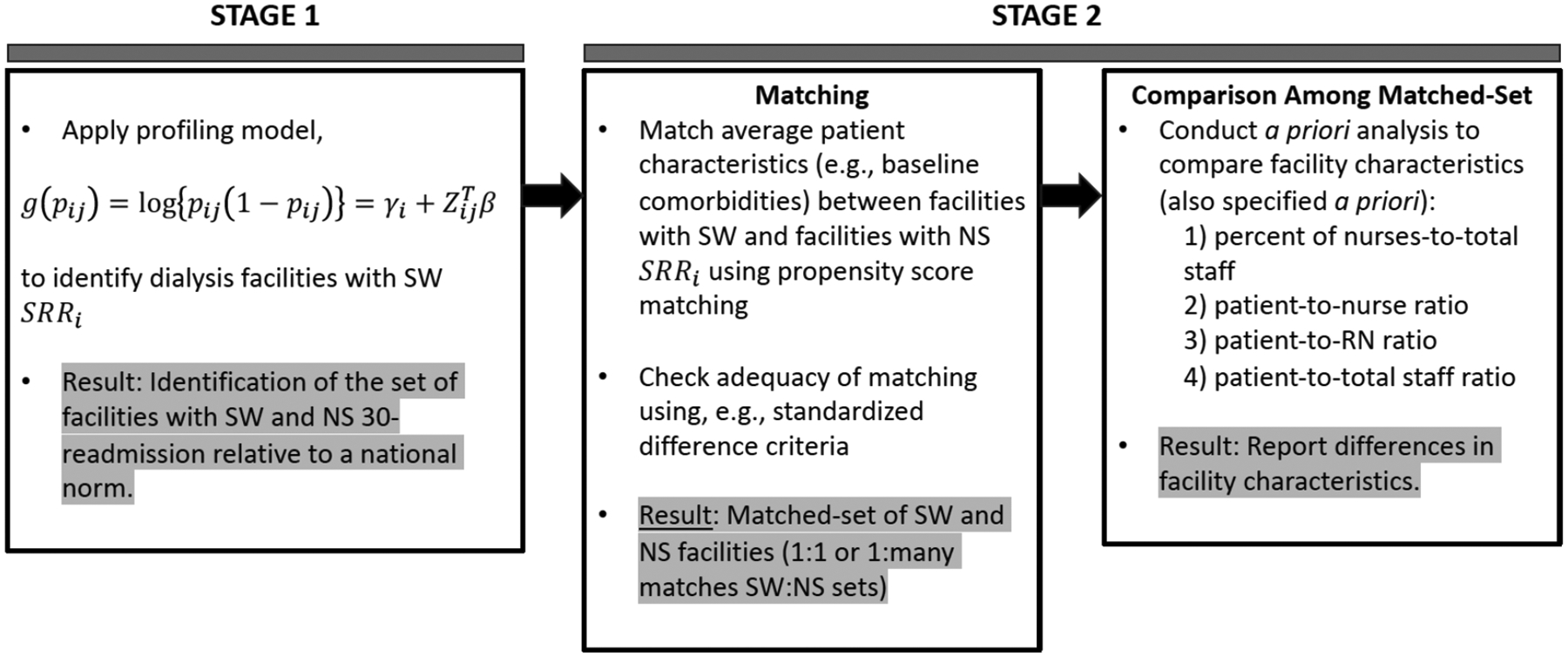 Figure 3
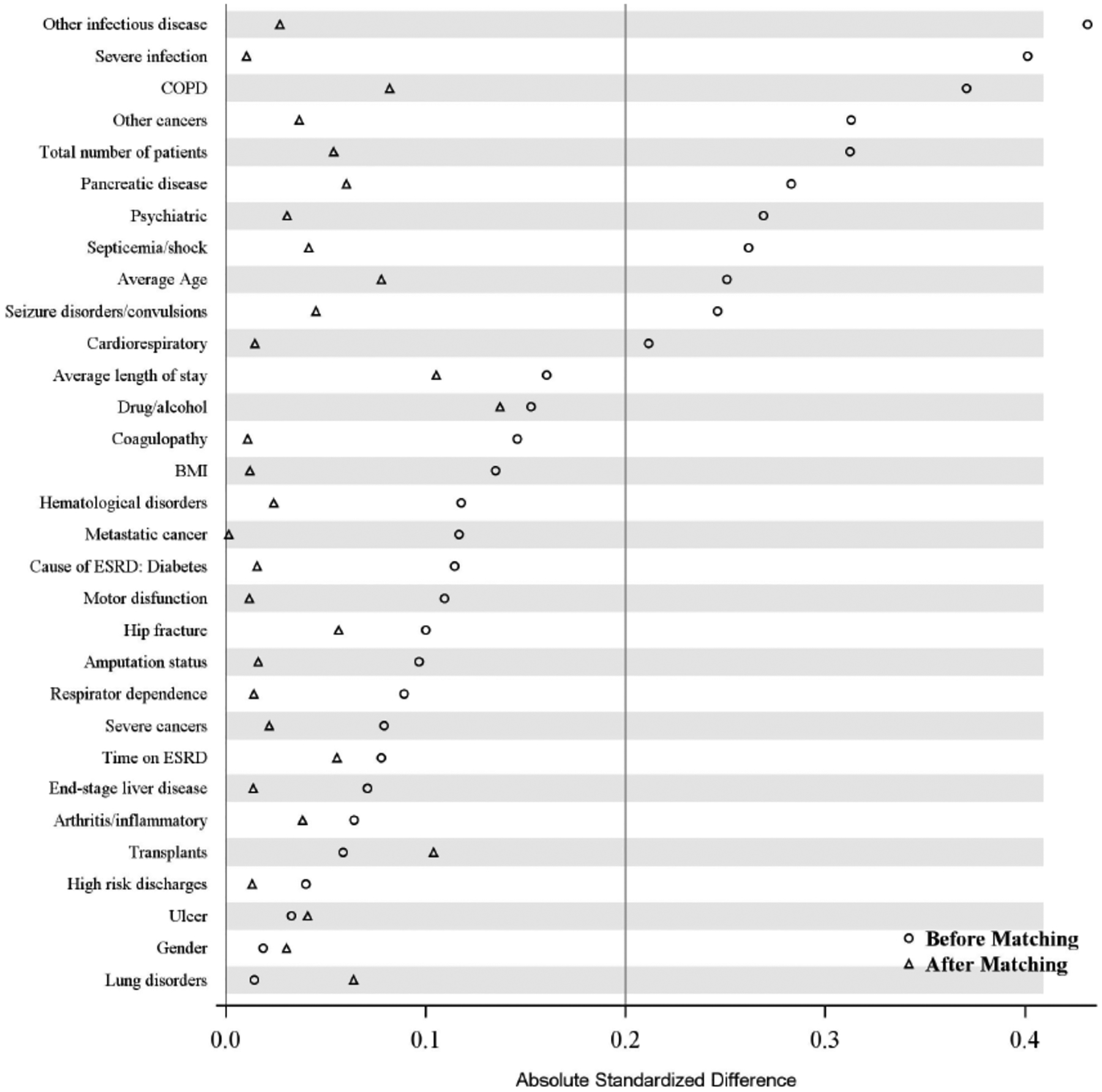 Figure 4
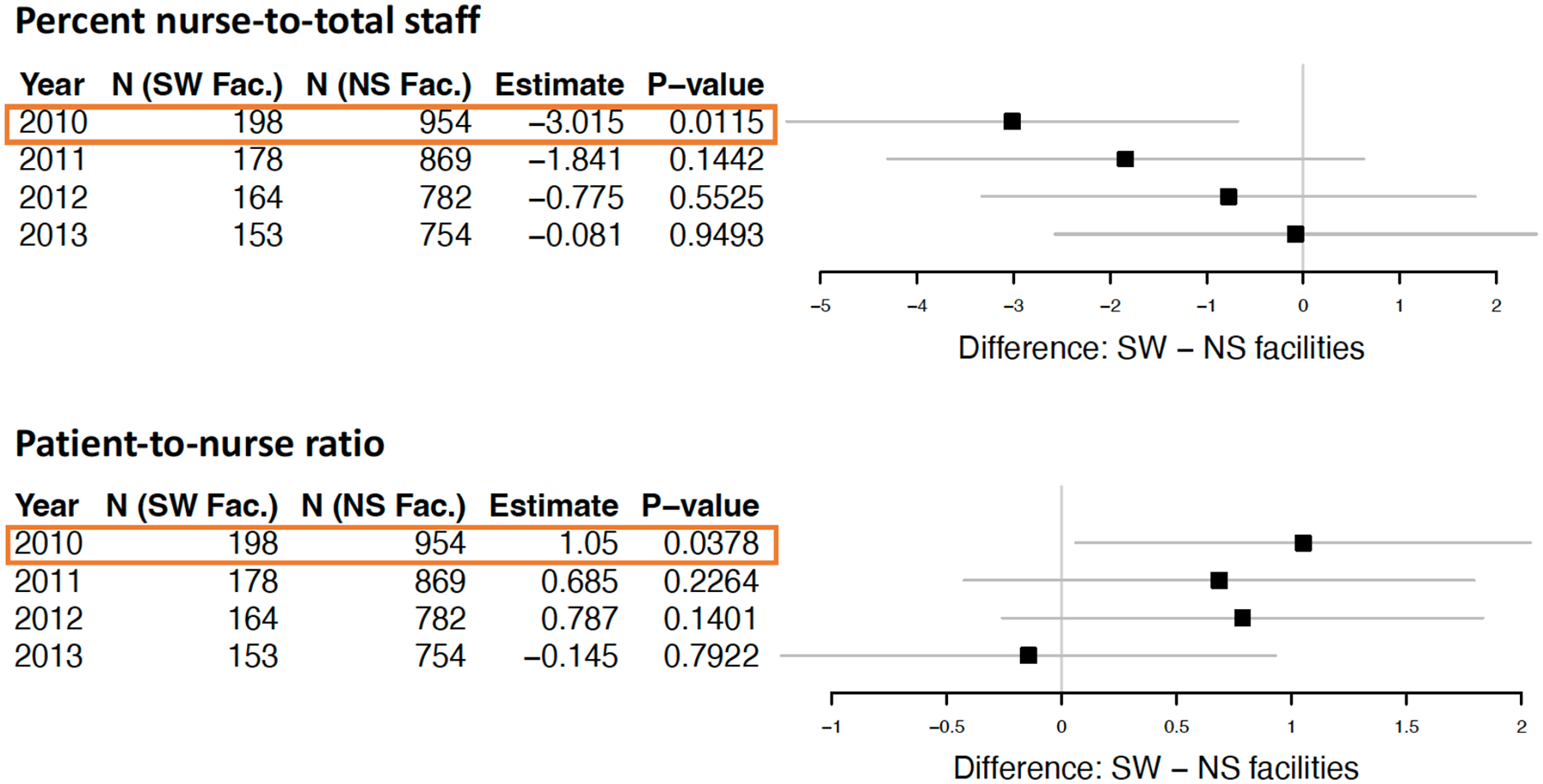 Figure 5
 Figure 6
 Figure 7
 Figure 8
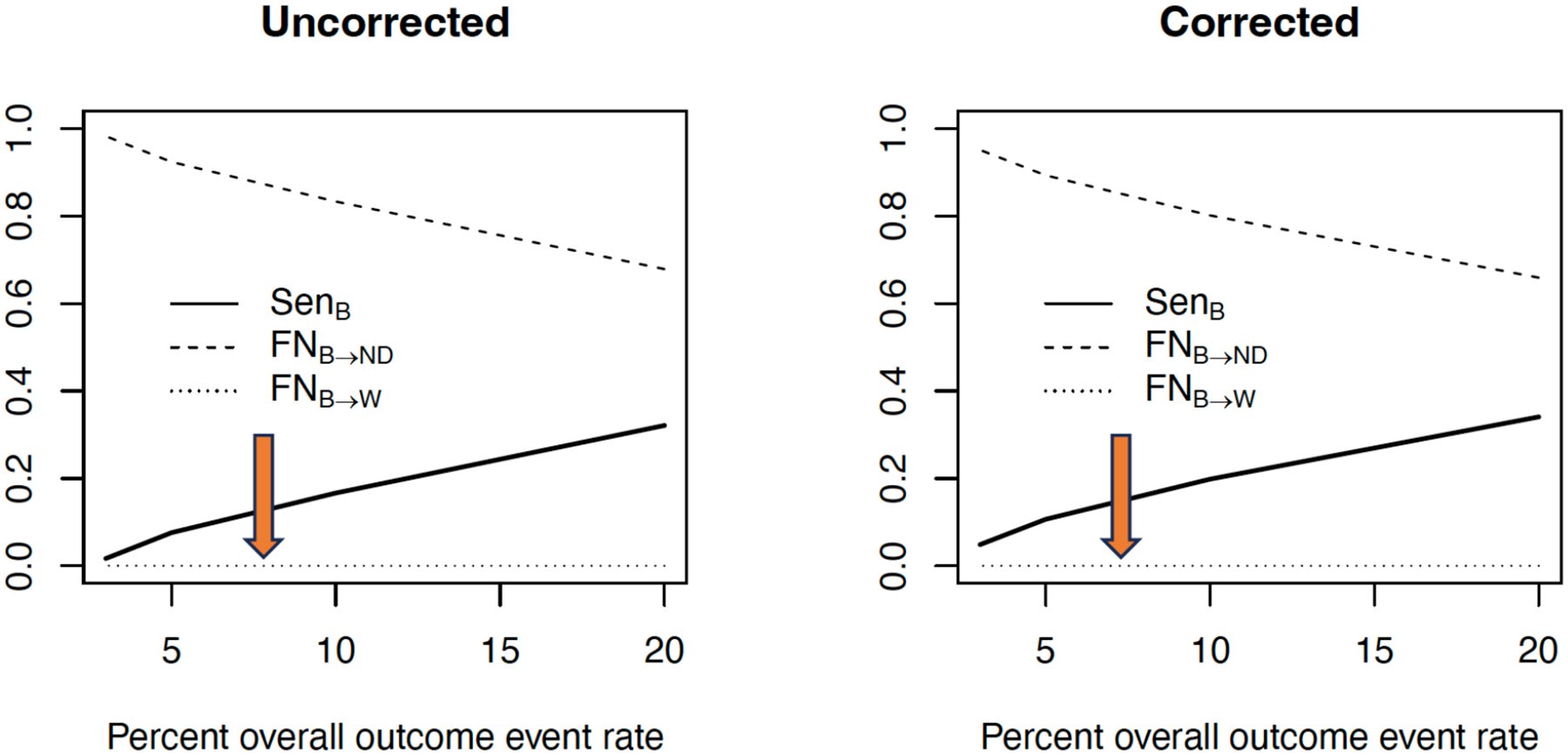 Figure 9
Peer Reviews
No public reviews on file for this paper yet. If you reviewed it on a platform where reviews are public (OpenReview, ICLR, NeurIPS, ICML), you can paste yours below so the community can read it here.
Videos
No videos yet. Explain this paper in a talk, walkthrough, or lecture? Add one.
Taxonomy
TopicsGeriatric Care and Nursing Homes · Heart Failure Treatment and Management · Advanced Causal Inference Techniques