The effects of the COVID-19 pandemic on Italian primary school children’s learning: A systematic review through a psycho-social lens
Eugenio Trotta, Gianluigi Serio, Lucia Monacis, Leonardo Carlucci, Chiara Valeria Marinelli, Annamaria Petito, Giovanna Celia, Aurora Bonvino, Antonella Calvio, Roberta Stallone, Ciro Esposito, Stefania Fantinelli, Francesco Sulla, Raffaele Di Fuccio, Gianpaolo Salvatore

TL;DR
This paper reviews how the pandemic affected Italian primary school children's learning and emotional well-being, highlighting challenges in distance learning and shared concerns among parents and teachers.
Contribution
The study provides a systematic review of the psychosocial effects of school closures on Italian primary school students, focusing on stakeholder perspectives and learning deficits.
Findings
Distance learning was seen as ineffective by parents and teachers, with technical difficulties reported.
Students showed learning deficits, especially in mathematics, as confirmed by INVALSI results.
The pandemic worsened emotional and academic challenges for students at risk of marginalization.
Abstract
The COVID-19 pandemic drastically affected many areas and contexts of today’s society, including school and family. Several studies focused on the worldwide effects of school closures on students’ learning outcomes, context, and well-being. However, the data emerging from these studies are often inconsistent and fragmentary, highlighting the need of a comprehensive analysis of the phenomenon. This need is especially urgent for the countries with the most severe school closure, like Italy. This systematic review aims to collect the opinions of parents, teachers, and students on: other dimensions of Italian primary school students affected by school closures, beyond academic performance; hypothetical agreement between the opinions of parents, teachers, and students regarding the different effects of school closures on Italian primary school students; possible differences between the…
Genes, proteins, chemicals, diseases, species, mutations and cell lines named across the full text — each resolved to its canonical identifier and authoritative record.
Click any figure to enlarge with its caption.
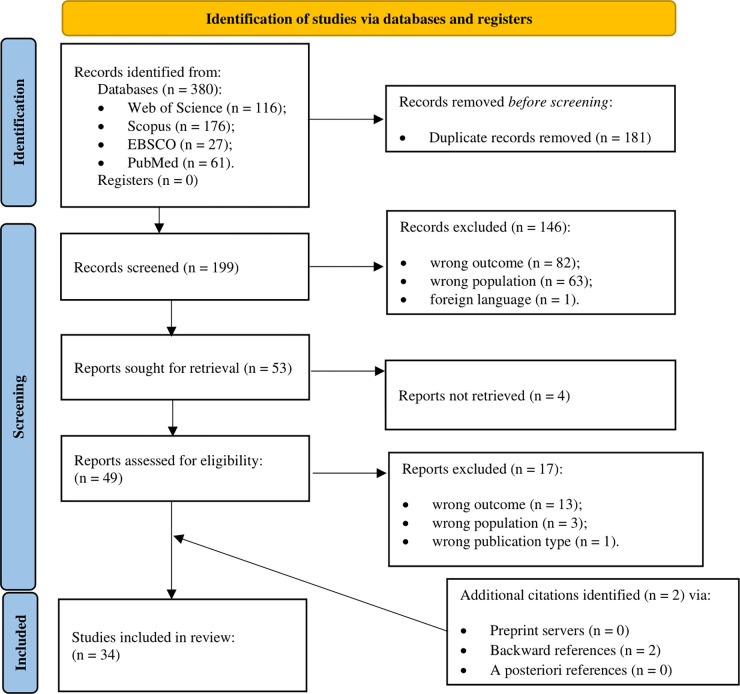 Figure 1
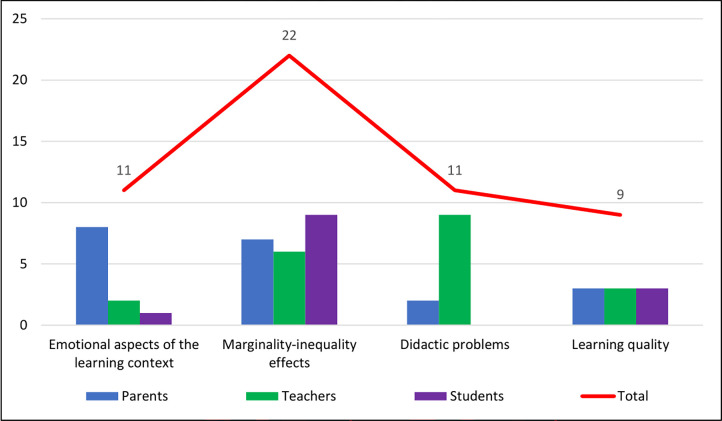 Figure 2
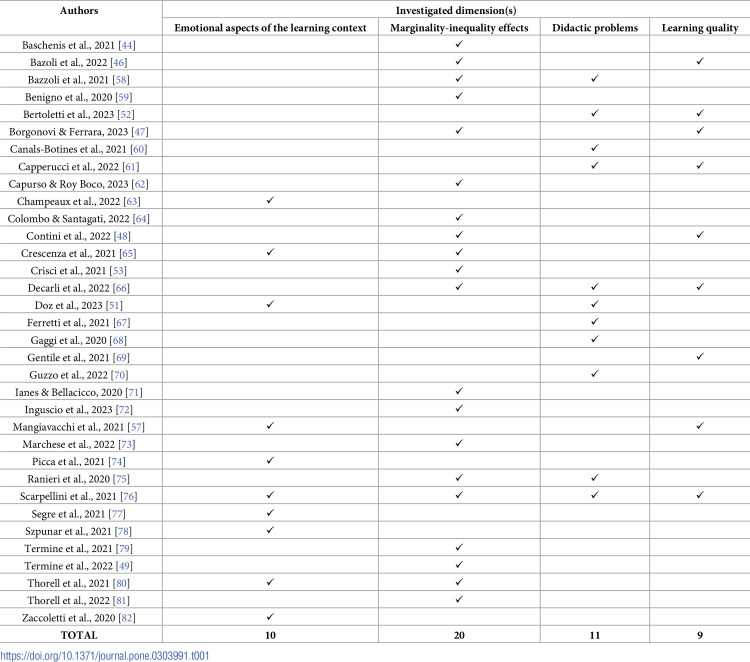 Figure 3
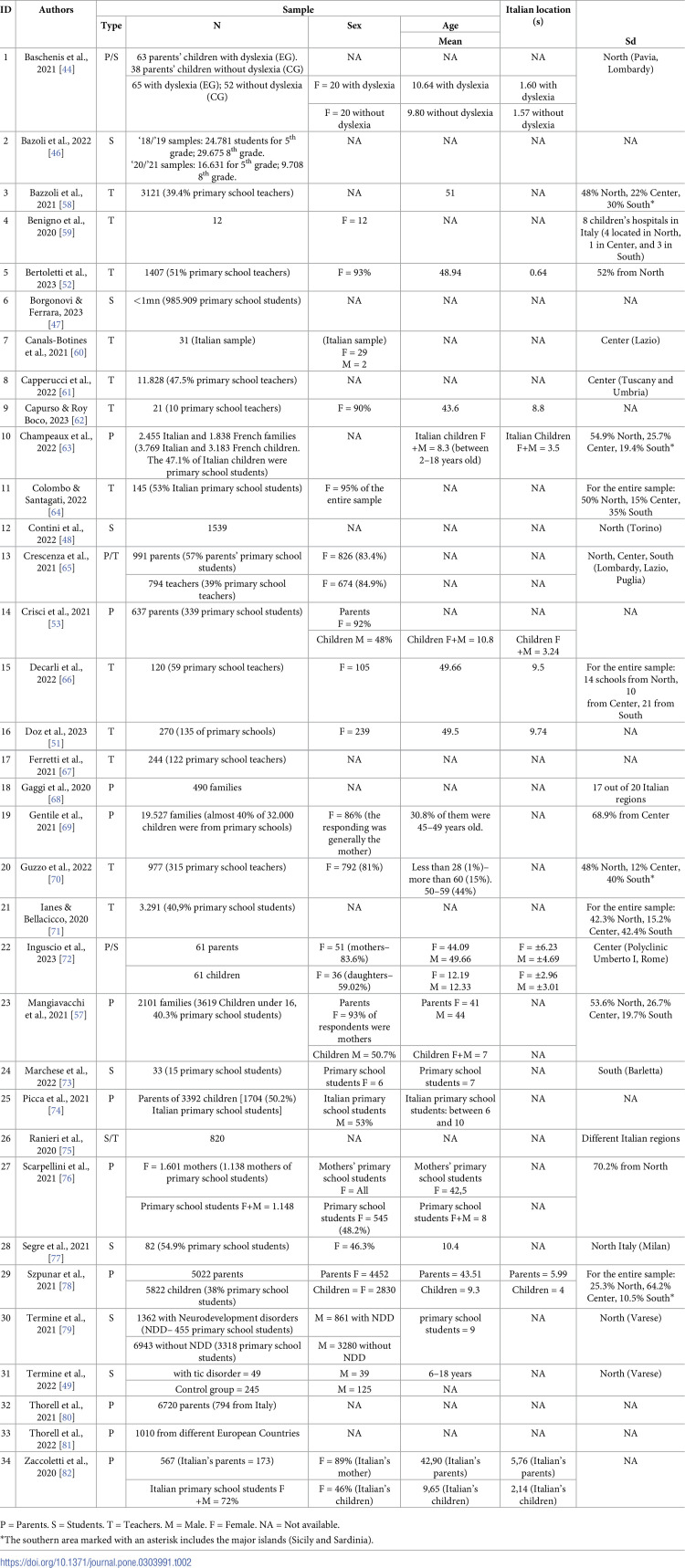 Figure 4
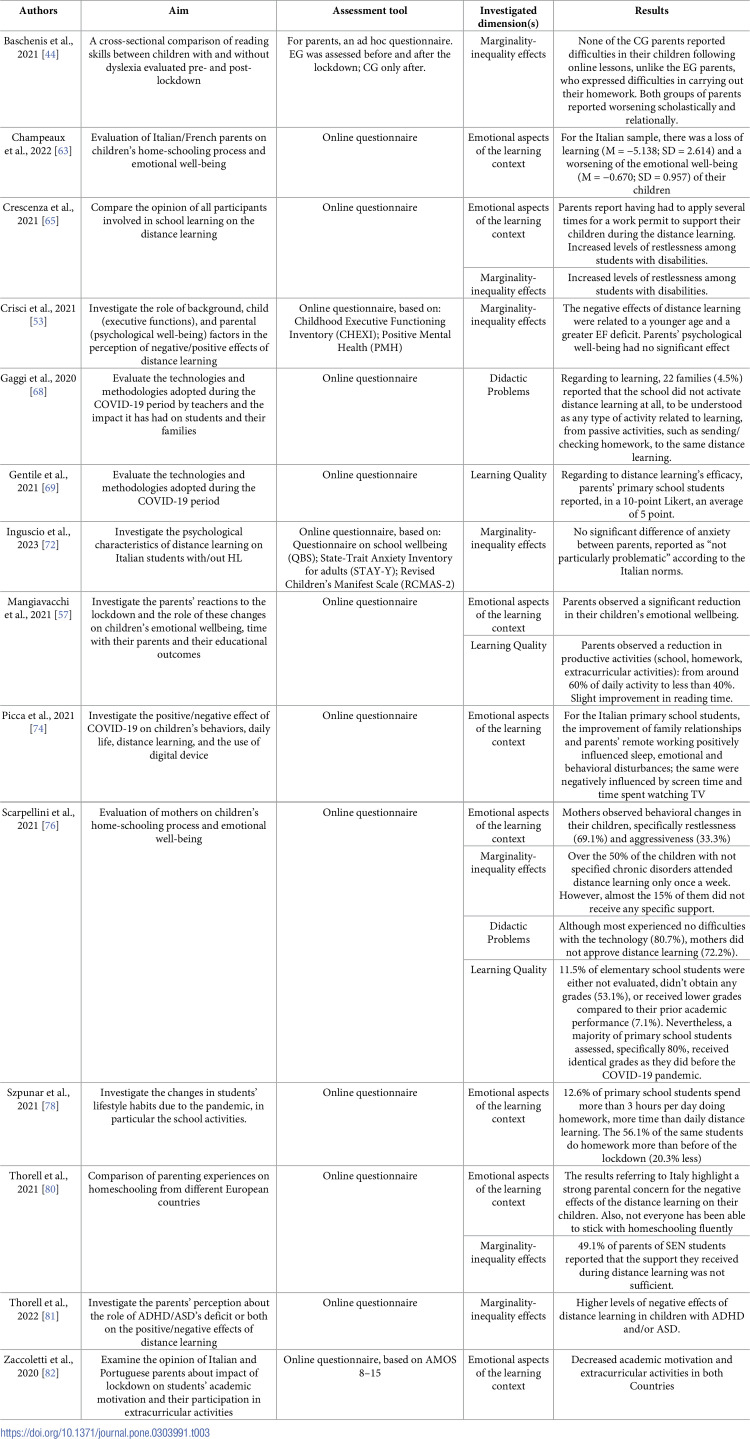 Figure 5
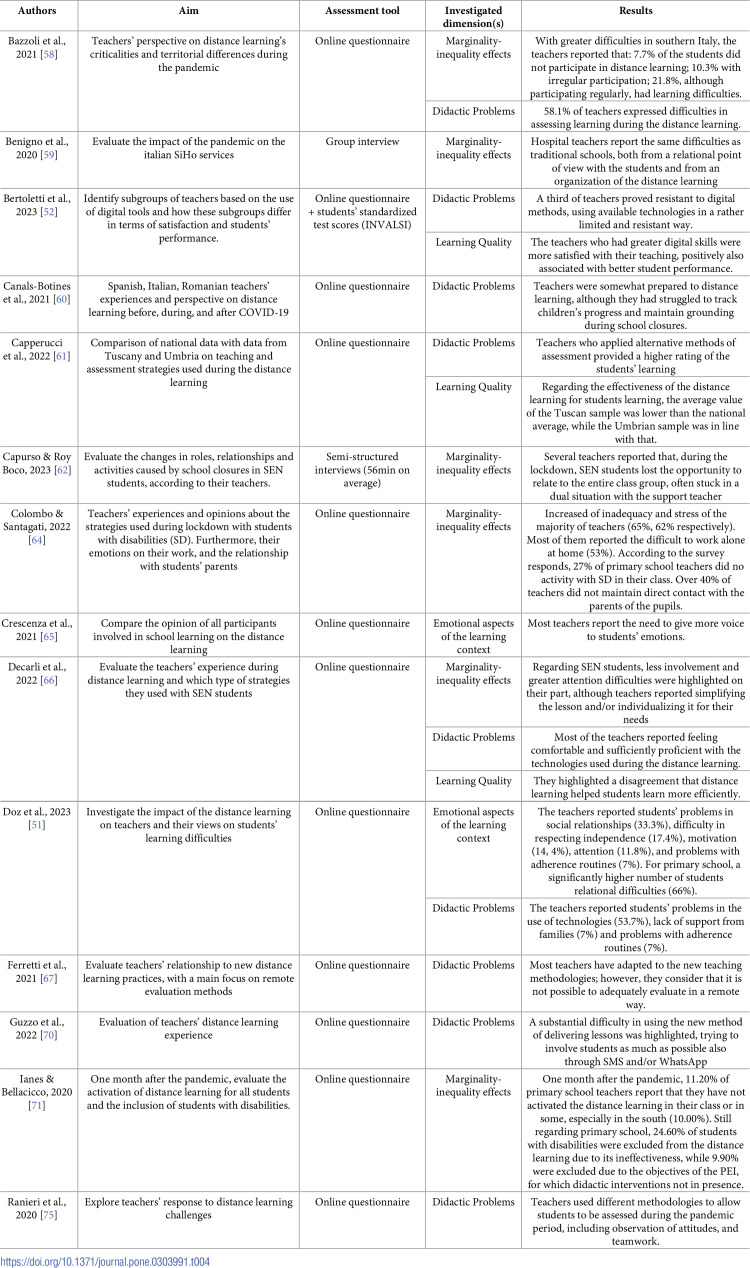 Figure 6
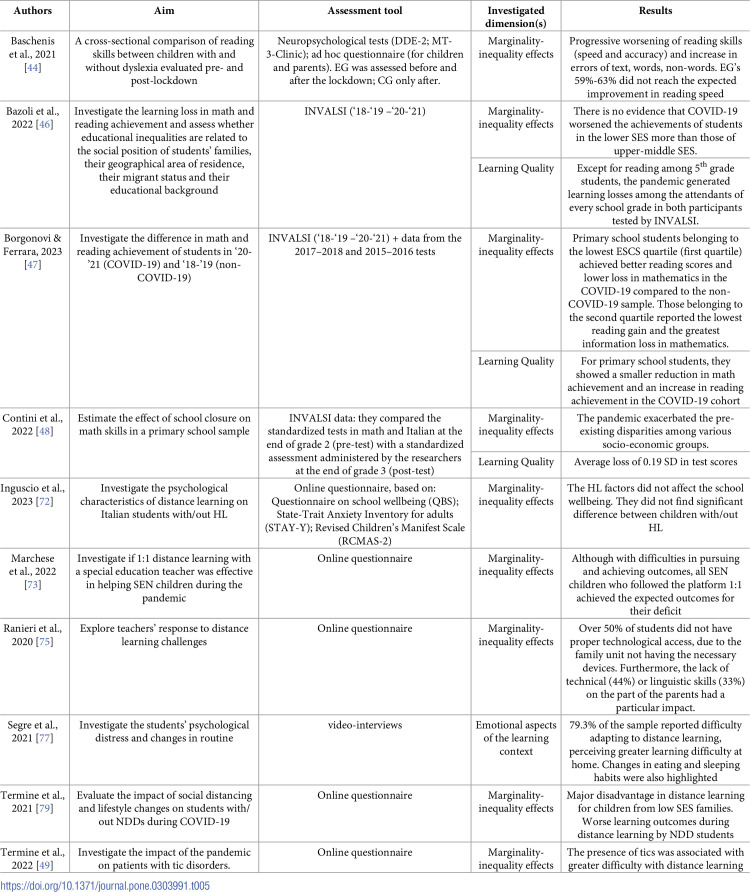 Figure 7
Peer Reviews
No public reviews on file for this paper yet. If you reviewed it on a platform where reviews are public (OpenReview, ICLR, NeurIPS, ICML), you can paste yours below so the community can read it here.
Videos
No videos yet. Explain this paper in a talk, walkthrough, or lecture? Add one.
Taxonomy
TopicsComplex Systems and Decision Making