Effects of two substrates at different phosphorus levels on morphology and physiology of Dianthus barbatus Linn
Gui Chen, Zhihuan Mao, Danhong Yin, Ling Liu, Xin Bin, Yike Qin, Shengping Zhao, Aoqin Ma, Tengfei Huang, Mojtaba Kordrostami, Mojtaba Kordrostami, Mojtaba Kordrostami, Mojtaba Kordrostami

TL;DR
This study examines how different phosphorus levels in two soil substrates affect the growth and physiology of Dianthus barbatus, finding that vegetable soil supports better growth than loess.
Contribution
The study identifies specific adaptive strategies of Dianthus barbatus under phosphorus stress and compares the effectiveness of two soil substrates.
Findings
Low-to-medium phosphorus treatments promoted growth in both above and underground parts of Dianthus barbatus.
Vegetable soil showed higher acid phosphatase activity and better plant growth compared to loess.
Increased chlorophyll content and acid phosphatase activity help mitigate phosphorus stress in Dianthus barbatus.
Abstract
Dianthus barbatus linn. is widely used in gardens, mainly as flower beds and flower borders. The effects of different gradients of P on the growth and root morphology of Dianthus barbatus were studied to explore its morphological and physiological responses and adaptive strategies. Hence, this study provides a theoretical basis and practical guidance for D. barbatus production. Two soil substrates, namely loess and vegetable soil, and five phosphorus concentration gradients were set; no phosphorus application was used as the control. The morphology and physiology of D. barbatus were also investigated. Low-to-medium- and low-phosphorus treatments promoted the growth of D. barbatus in the above and underground parts of the plants grown on both substrates. Chlorophyll content, flower quantity, and acid phosphatase activity in the rhizosphere soil were significantly increased in the H1 and…
Genes, proteins, chemicals, diseases, species, mutations and cell lines named across the full text — each resolved to its canonical identifier and authoritative record.
Click any figure to enlarge with its caption.
 Figure 1
 Figure 2
 Figure 3
 Figure 4
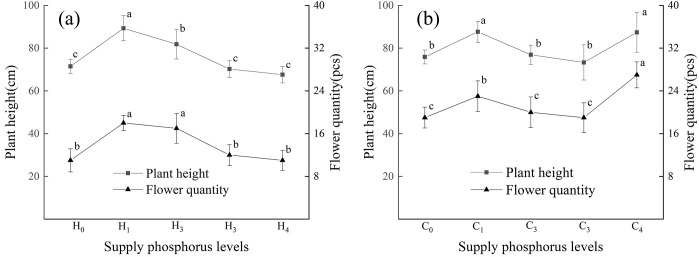 Figure 5
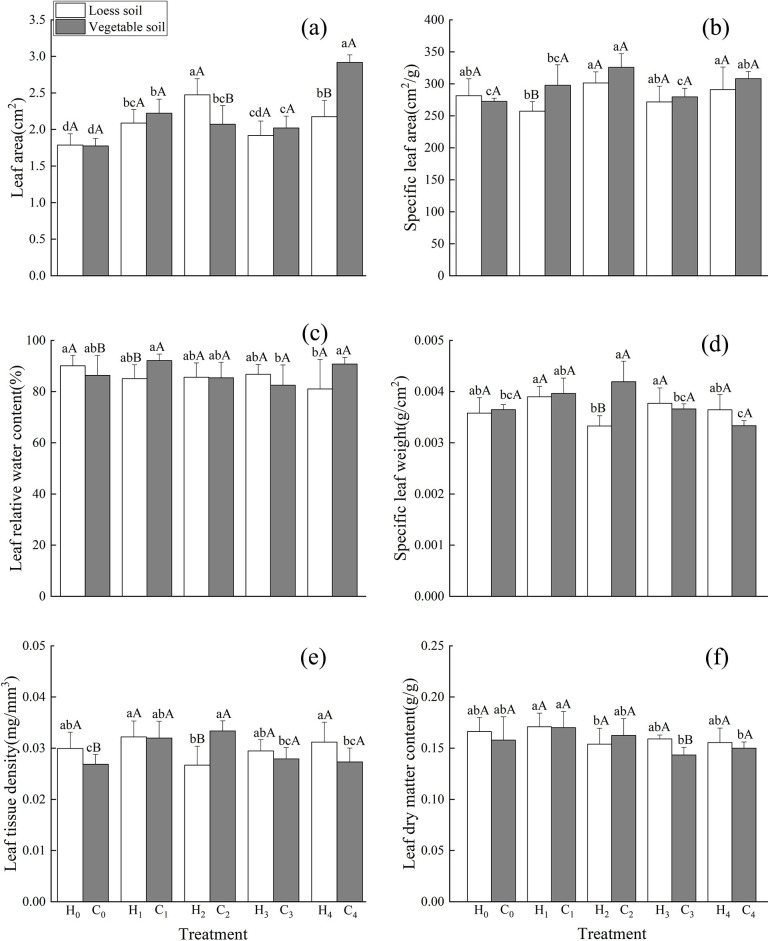 Figure 6
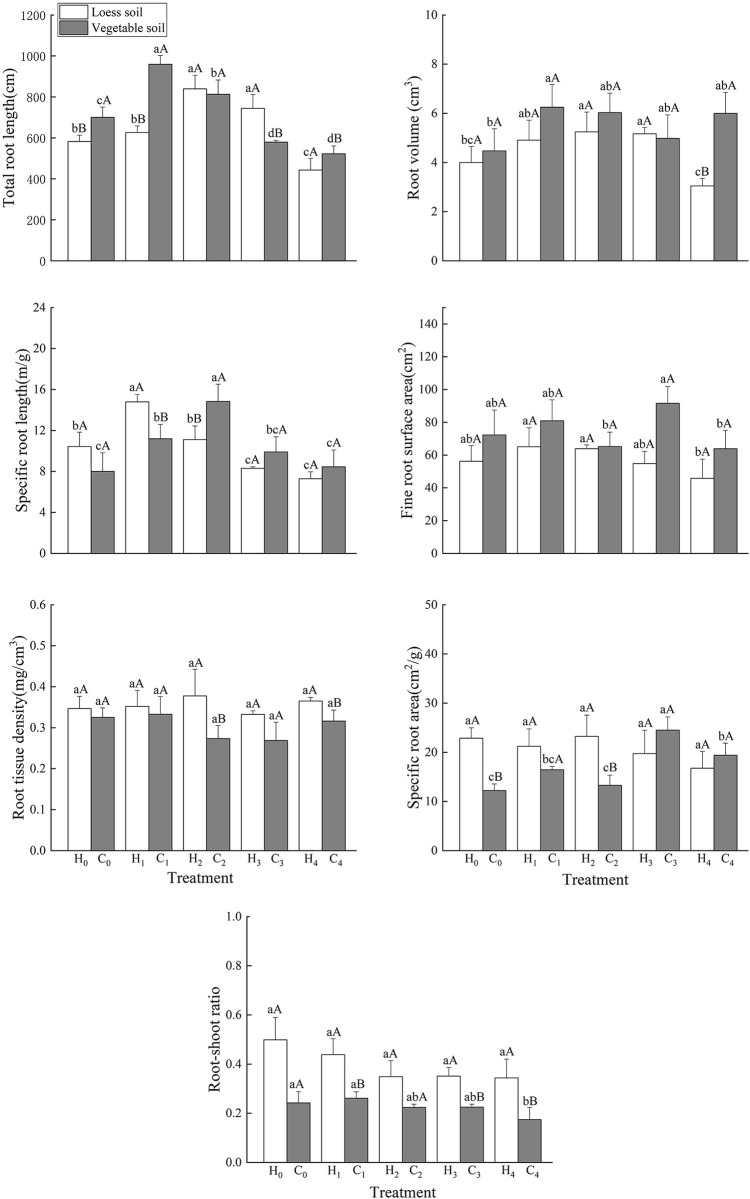 Figure 7
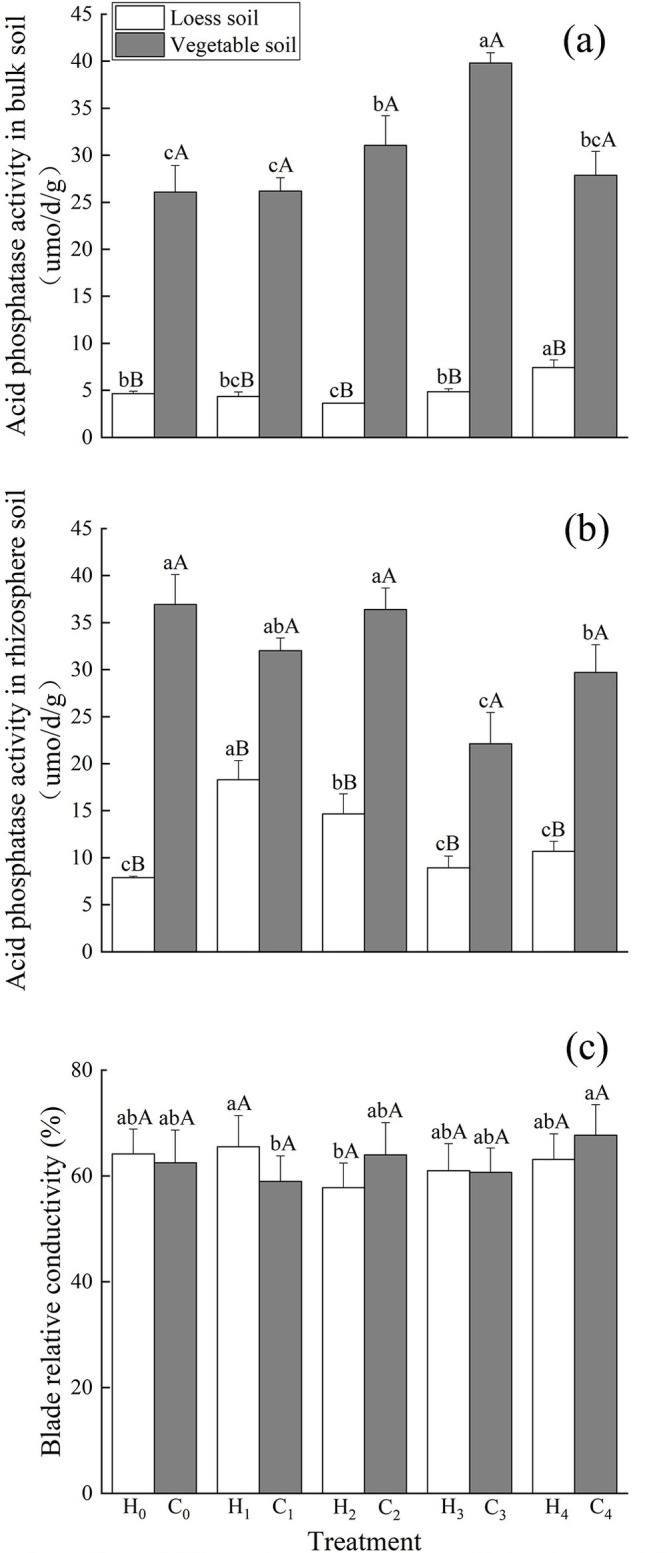 Figure 8
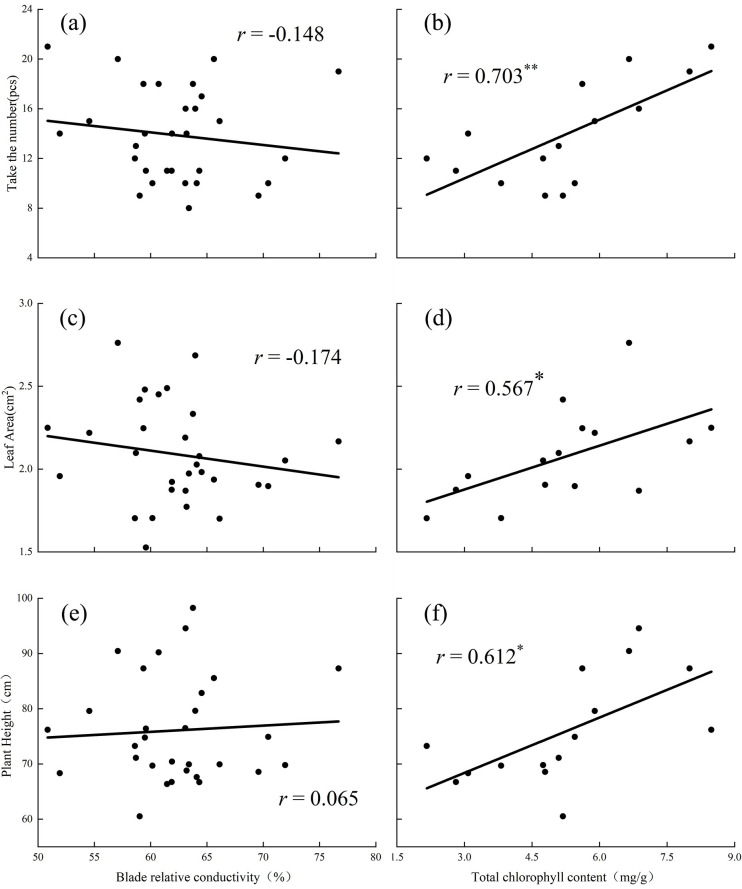 Figure 9
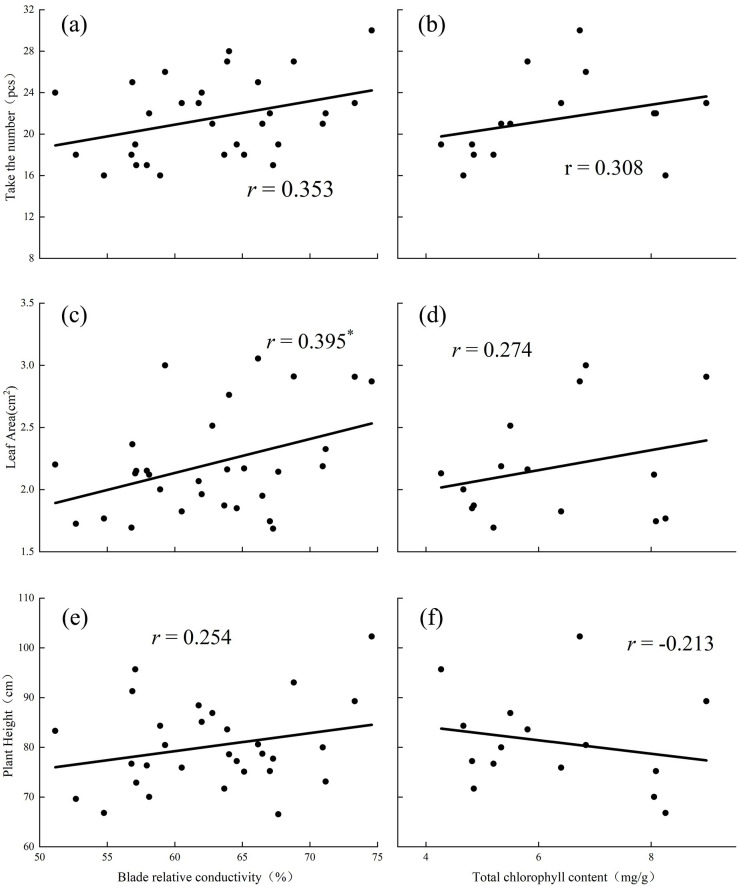 Figure 10
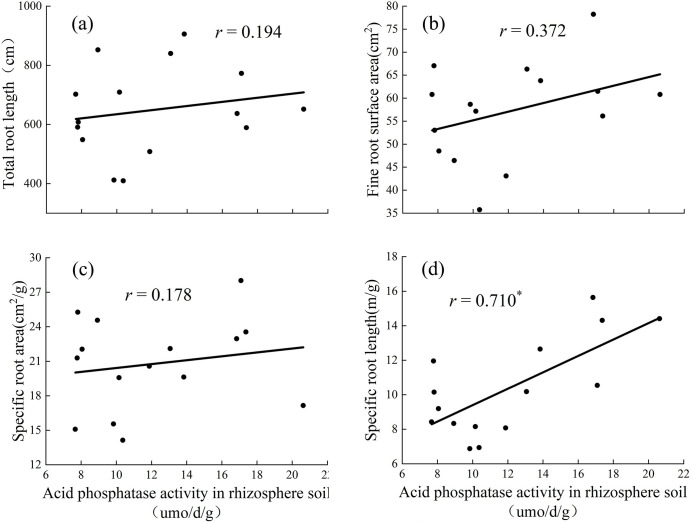 Figure 11
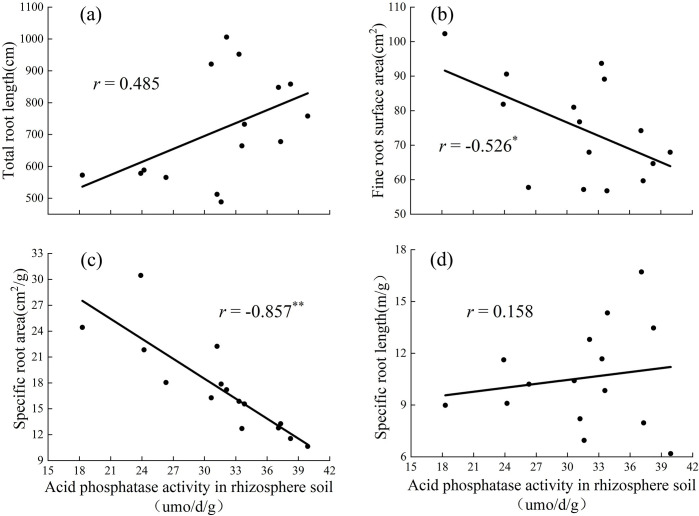 Figure 12
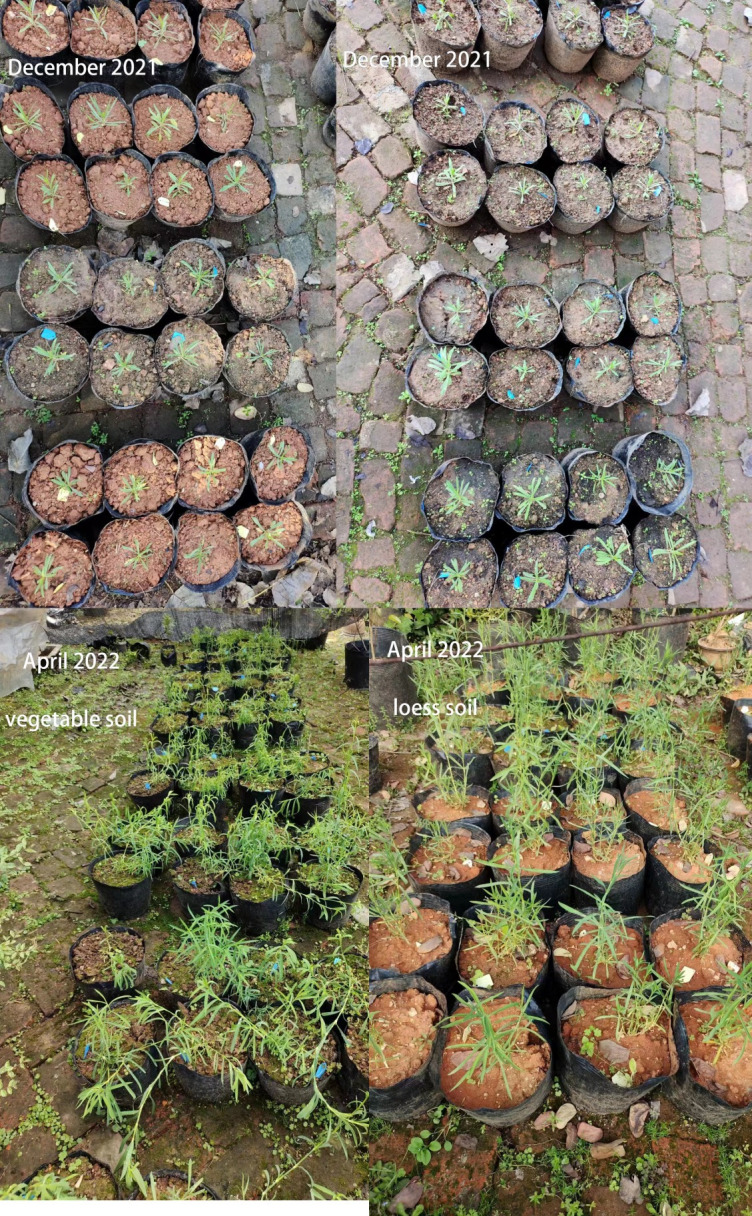 Figure 13
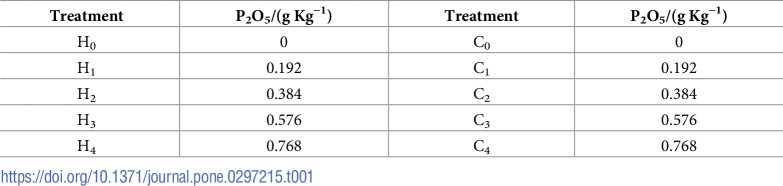 Figure 14
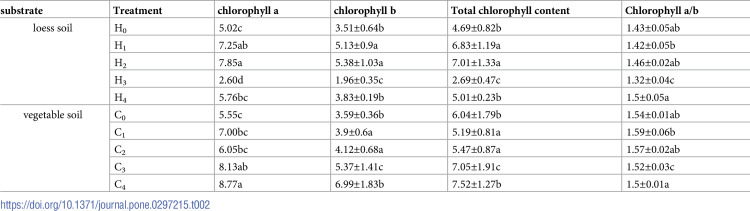 Figure 15
Peer Reviews
No public reviews on file for this paper yet. If you reviewed it on a platform where reviews are public (OpenReview, ICLR, NeurIPS, ICML), you can paste yours below so the community can read it here.
Videos
No videos yet. Explain this paper in a talk, walkthrough, or lecture? Add one.
Taxonomy
TopicsAluminum toxicity and tolerance in plants and animals · Plant nutrient uptake and metabolism · Growth and nutrition in plants