Acute internal medicine physicians’ clinical intuition based on acute care telephone referral: A prospective study
Paul M. E. L. van Dam, Roberto E. Lasso Peña, Jody A. Mommertz, Hella F. Borggreve, Nicole P. H. van Loon, Noortje Zelis, Dewa Westerman, Ronald M. A. Henry, Dirk Posthouwer, Jochen W. L. Cals, Patricia M. Stassen

TL;DR
This study shows that acute care physicians can accurately predict patient outcomes over the phone, helping prioritize emergency care.
Contribution
The study demonstrates the value of clinical intuition during telephone referrals for early risk assessment in emergency care.
Findings
Clinical intuition predicted hospital admission with 72% accuracy and 31-day mortality with 73% accuracy.
Age ≥65 years and a sense of alarm were significant predictors of adverse outcomes.
Predicted and observed triage categories matched in 45.2% of cases, with 92.5% within one category.
Abstract
In the Netherlands, most emergency department (ED) patients are referred by a general practitioner (GP) or a hospital specialist. Early risk stratification during telephone referral could allow the physician to assess the severity of the patients’ illness in the prehospital setting. We aim to assess the discriminatory value of the acute internal medicine (AIM) physicians’ clinical intuition based on telephone referral of ED patients to predict short-term adverse outcomes, and to investigate on which information their predictions are based. In this prospective study, we included adult ED patients who were referred for internal medicine by a GP or a hospital specialist. Primary outcomes were hospital admission and triage category according to the Manchester Triage System (MTS). Secondary outcome was 31-day mortality. The discriminatory performance of the clinical intuition was assessed…
Genes, proteins, chemicals, diseases, species, mutations and cell lines named across the full text — each resolved to its canonical identifier and authoritative record.
Click any figure to enlarge with its caption.
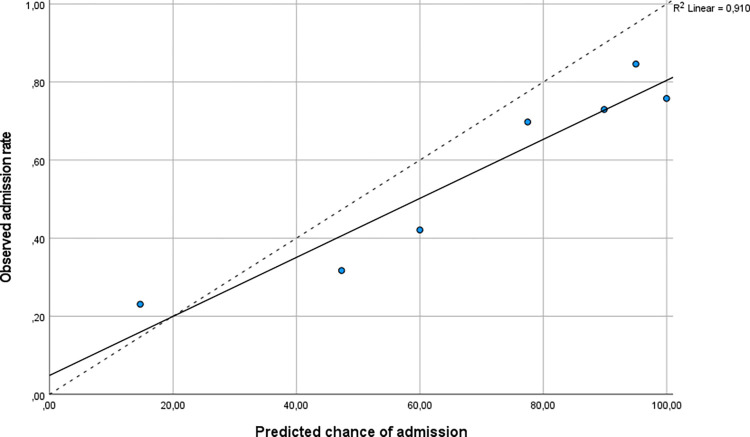 Figure 1
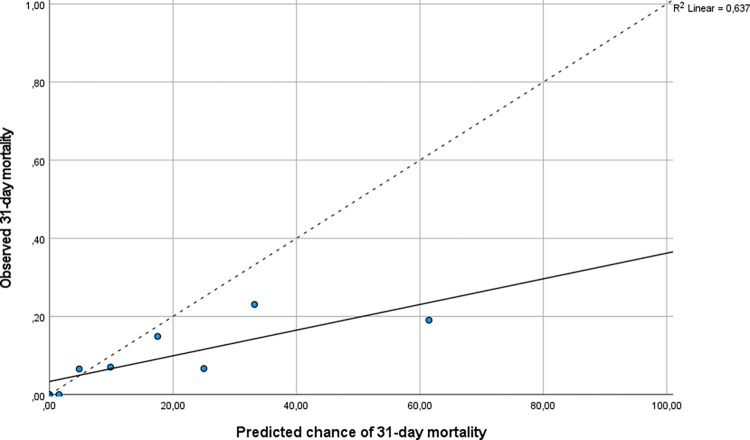 Figure 2
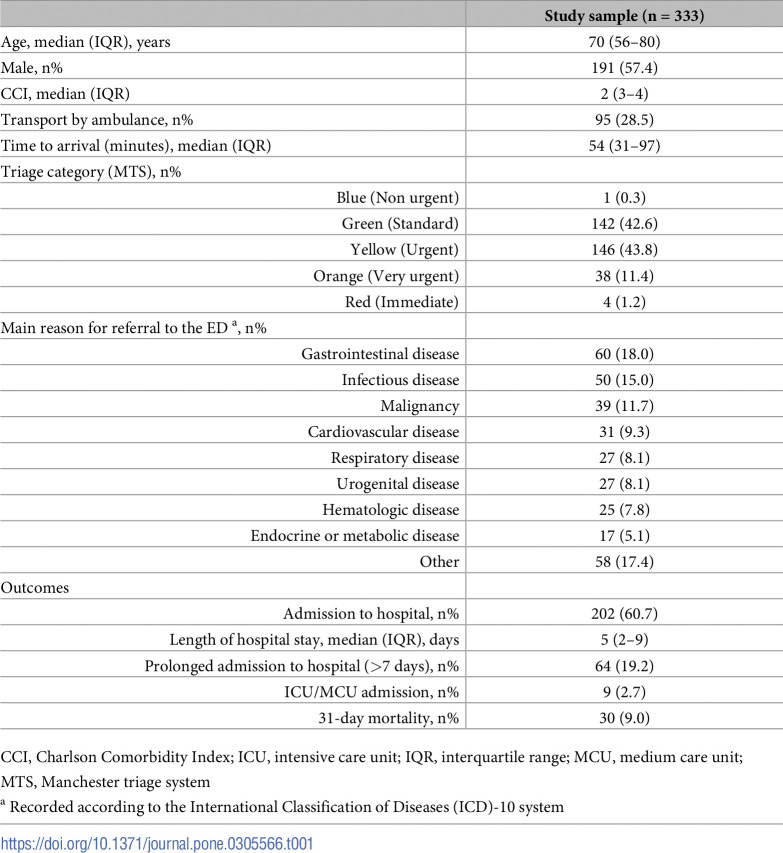 Figure 3
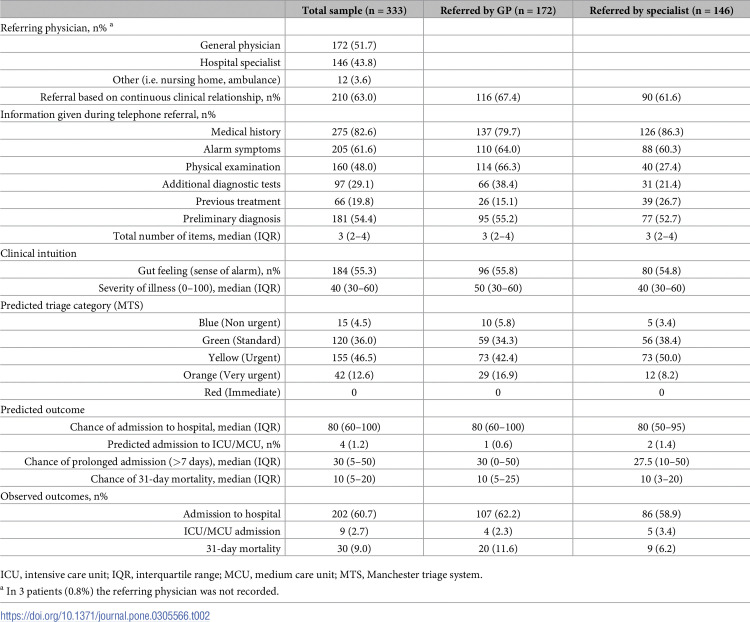 Figure 4
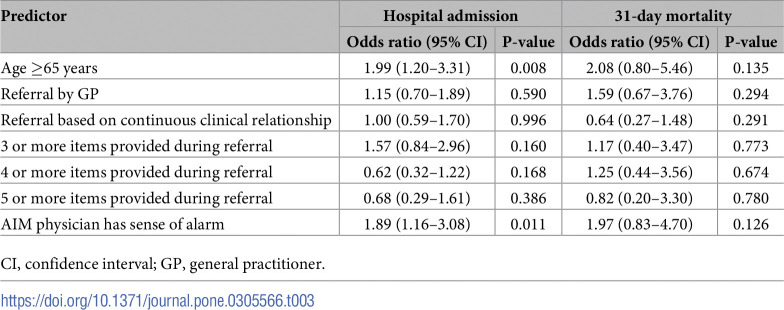 Figure 5
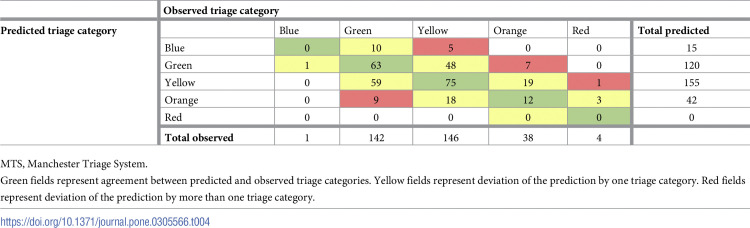 Figure 6
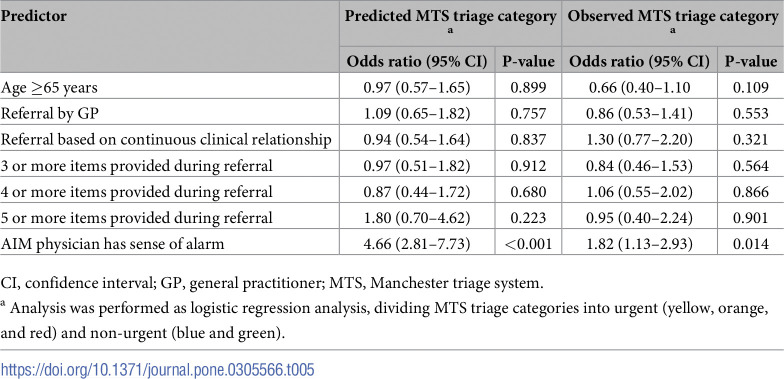 Figure 7
Peer Reviews
No public reviews on file for this paper yet. If you reviewed it on a platform where reviews are public (OpenReview, ICLR, NeurIPS, ICML), you can paste yours below so the community can read it here.
Videos
No videos yet. Explain this paper in a talk, walkthrough, or lecture? Add one.
Taxonomy
TopicsEmergency and Acute Care Studies · Clinical Reasoning and Diagnostic Skills · Reliability and Agreement in Measurement