Single-cell transcriptomic analyses of mouse idh1 mutant growth plate chondrocytes reveal distinct cell populations responsible for longitudinal growth and enchondroma formation
Vijitha Puviindran, Eijiro Shimada, Zeyu Huang, Xinyi Ma, Ga I Ban, Yu Xiang, Hongyuan Zhang, Jianhong Ou, Xiaolin Wei, Makoto Nakagawa, John Martin, Yarui Diao, Benjamin A. Alman

TL;DR
This study uses single-cell RNA sequencing to identify distinct cell populations in mouse growth plates with an IDH1 mutation, linking them to enchondroma formation and impaired bone growth.
Contribution
The study identifies specific cell populations in mutant growth plates associated with enchondromas and altered longitudinal bone growth.
Findings
A unique cluster of cells in mutant growth plates expresses genes upregulated in enchondromas.
Another cluster underrepresented in mutant growth plates expresses genes important for longitudinal bone growth.
Immunofluorescence and pseudo-time analysis suggest multiple origins for the mutant cell clusters.
Abstract
Enchondromas are a common tumor in bone that can occur as multiple lesions in enchondromatosis, which is associated with deformity of the effected bone. These lesions harbor mutations in IDH and driving expression of a mutant Idh1 in Col2 expressing cells in mice causes an enchondromatosis phenotype. In this study we compared growth plates from E18.5 mice expressing a mutant Idh1 with control littermates using single cell RNA sequencing. Data from Col2 expressing cells were analyzed using UMAP and RNA pseudo-time analyses. A unique cluster of cells was identified in the mutant growth plates that expressed genes known to be upregulated in enchondromas. There was also a cluster of cells that was underrepresented in the mutant growth plates that expressed genes known to be important in longitudinal bone growth. Immunofluorescence showed that the genes from the unique cluster identified in…
Genes, proteins, chemicals, diseases, species, mutations and cell lines named across the full text — each resolved to its canonical identifier and authoritative record.
Click any figure to enlarge with its caption.
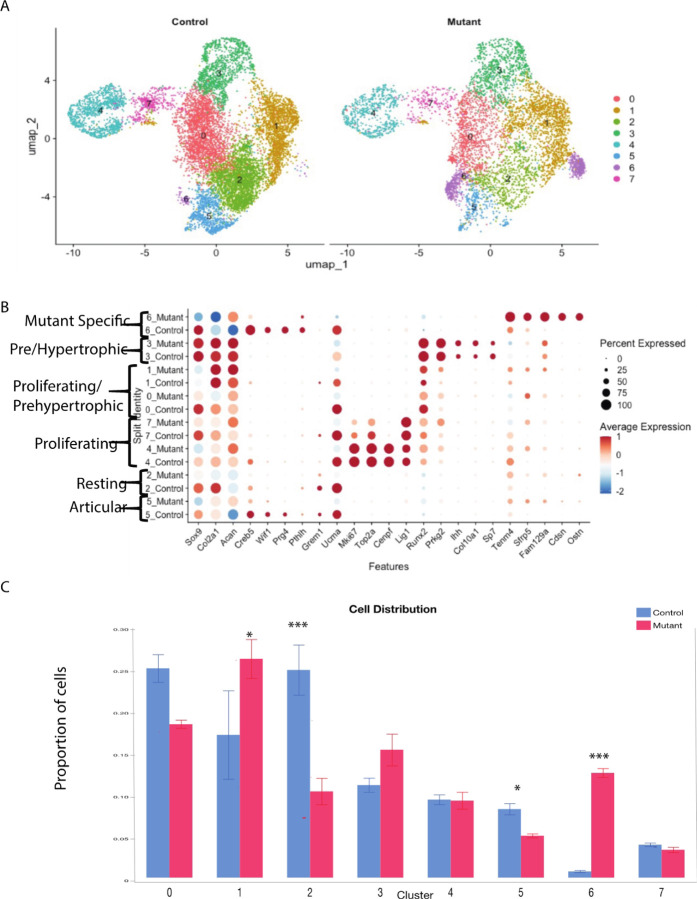 Figure 1
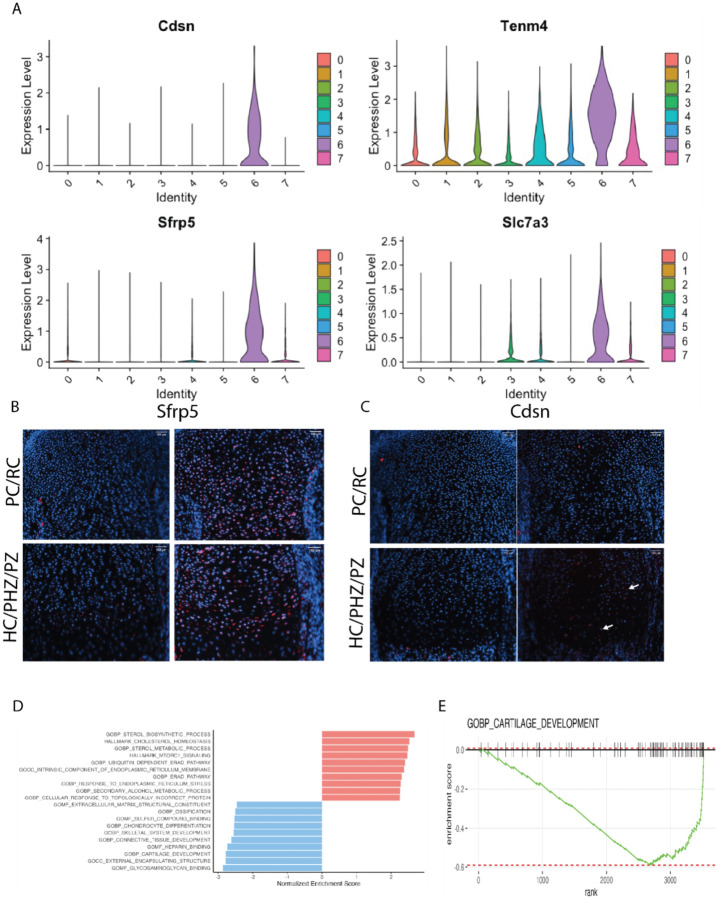 Figure 2
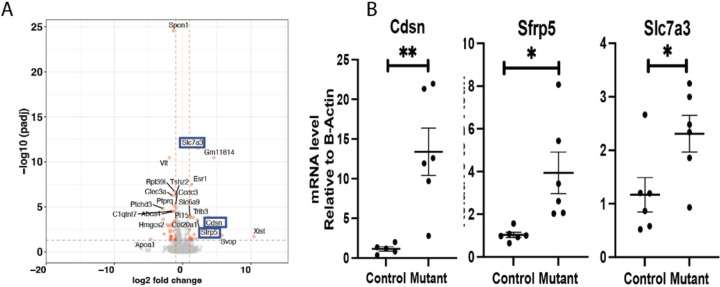 Figure 3
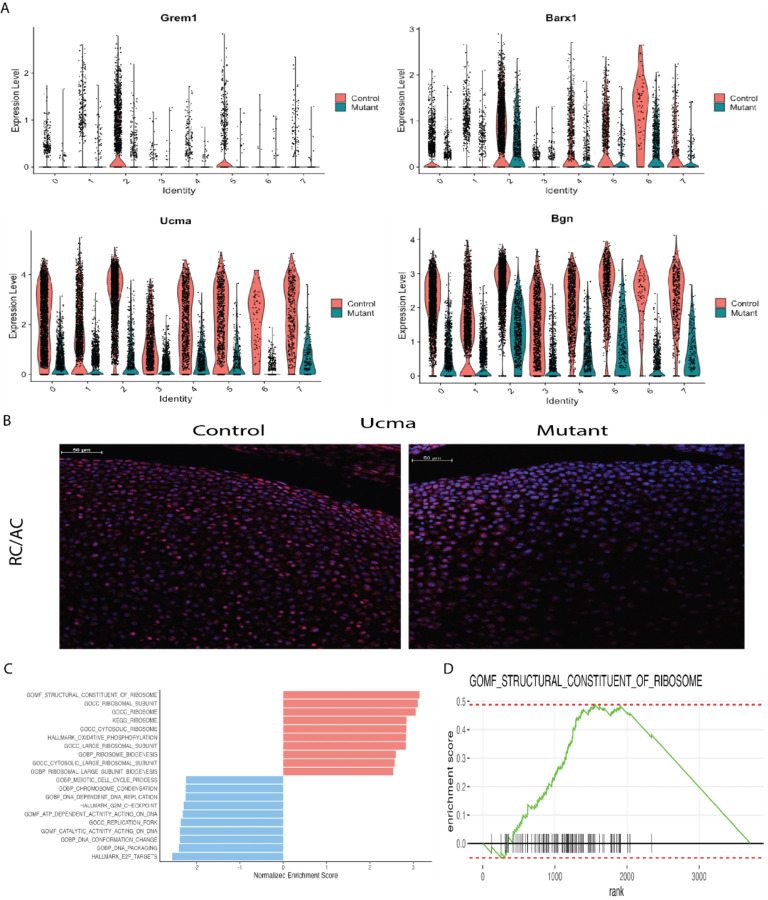 Figure 4
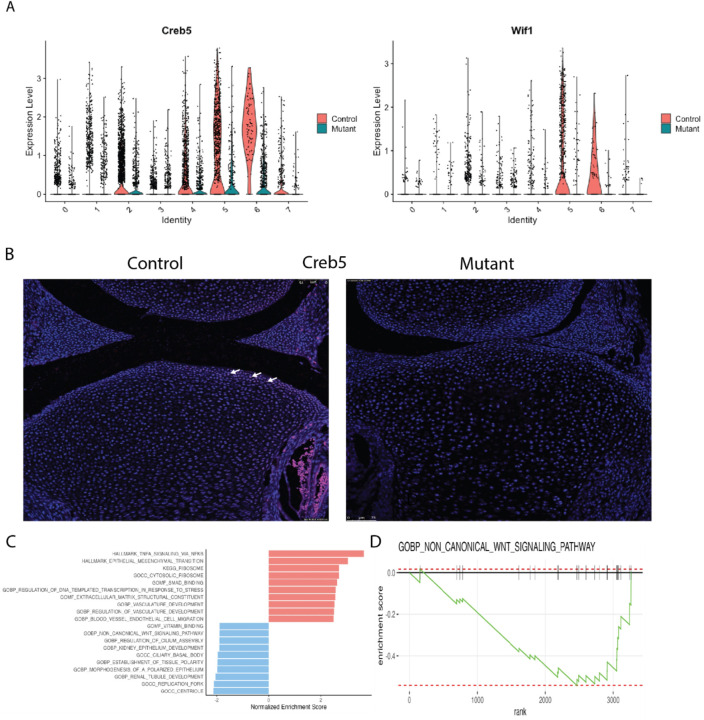 Figure 5
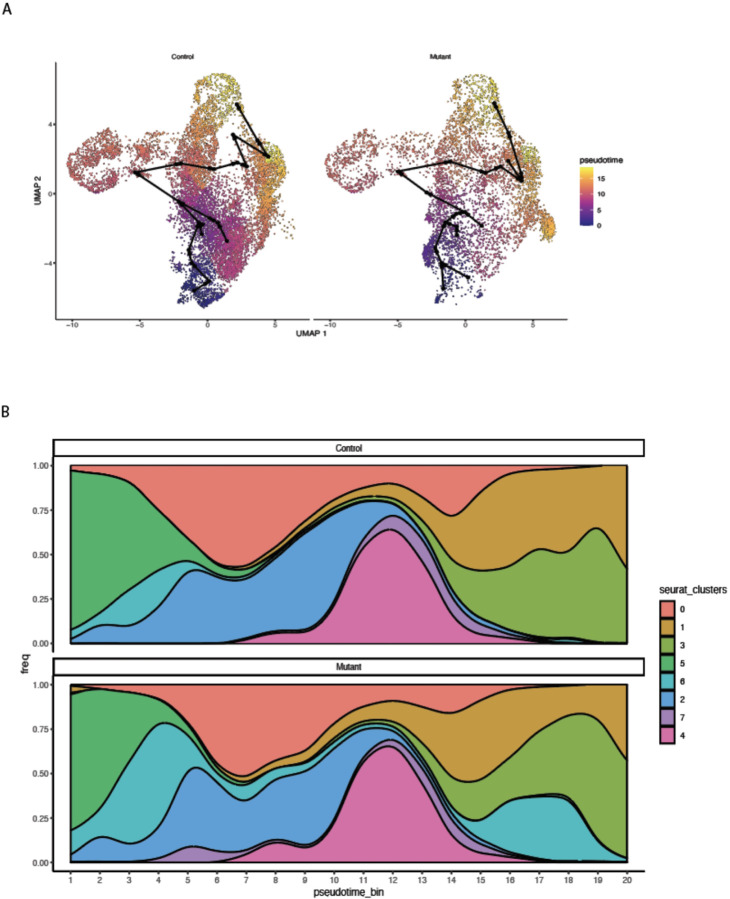 Figure 6
Peer Reviews
No public reviews on file for this paper yet. If you reviewed it on a platform where reviews are public (OpenReview, ICLR, NeurIPS, ICML), you can paste yours below so the community can read it here.
Videos
No videos yet. Explain this paper in a talk, walkthrough, or lecture? Add one.
Taxonomy
TopicsCancer-related molecular mechanisms research · MicroRNA in disease regulation · TGF-β signaling in diseases