UBXN9 governs GLUT4-mediated spatial confinement of RIG-I-like receptors and signaling
Penghua Wang, Andrew Harrison, Duomeng Yang, Jason Cahoon, Tingting Geng, Ziming Cao, Timofey Karginov, Conner Chiari, Xin Li, Yibing Qyang, Anthony Vella, Zhichao Fan, Sivapriya Kailasan Vanaja, Vijay Rathinam, Carol Witczak, Jonathan Bogan

TL;DR
This study reveals how a protein called UBXN9 and a glucose transporter called GLUT4 regulate the body's antiviral immune response by controlling the location of virus-detecting receptors.
Contribution
The paper identifies a new regulatory mechanism involving UBXN9 and GLUT4 in modulating antiviral immunity through spatial control of RLRs.
Findings
GLUT4 inhibits RLR signaling independently of glucose uptake in adipose and muscle tissues.
UBXN9 deletion leads to constitutive GLUT4 trafficking and reduced antiviral immunity.
Reduced GLUT4 expression is linked to human inflammatory myopathies with hyperactive interferon responses.
Abstract
The cytoplasmic RIG-I-like receptors (RLRs) recognize viral RNA and initiate innate antiviral immunity. RLR signaling also triggers glycolytic reprogramming through glucose transporters (GLUTs), whose role in antiviral immunity is elusive. Here, we unveil that insulin-responsive GLUT4 inhibits RLR signaling independently of glucose uptake in adipose and muscle tissues. At steady state, GLUT4 is docked at the Golgi matrix by ubiquitin regulatory X domain 9 (UBXN9, TUG). Following RNA virus infection, GLUT4 is released and translocated to the cell surface where it spatially segregates a significant pool of cytosolic RLRs, preventing them from activating IFN-β responses. UBXN9 deletion prompts constitutive GLUT4 trafficking, sequestration of RLRs, and attenuation of antiviral immunity, whereas GLUT4 deletion heightens RLR signaling. Notably, reduced GLUT4 expression is uniquely associated…
Genes, proteins, chemicals, diseases, species, mutations and cell lines named across the full text — each resolved to its canonical identifier and authoritative record.
Click any figure to enlarge with its caption.
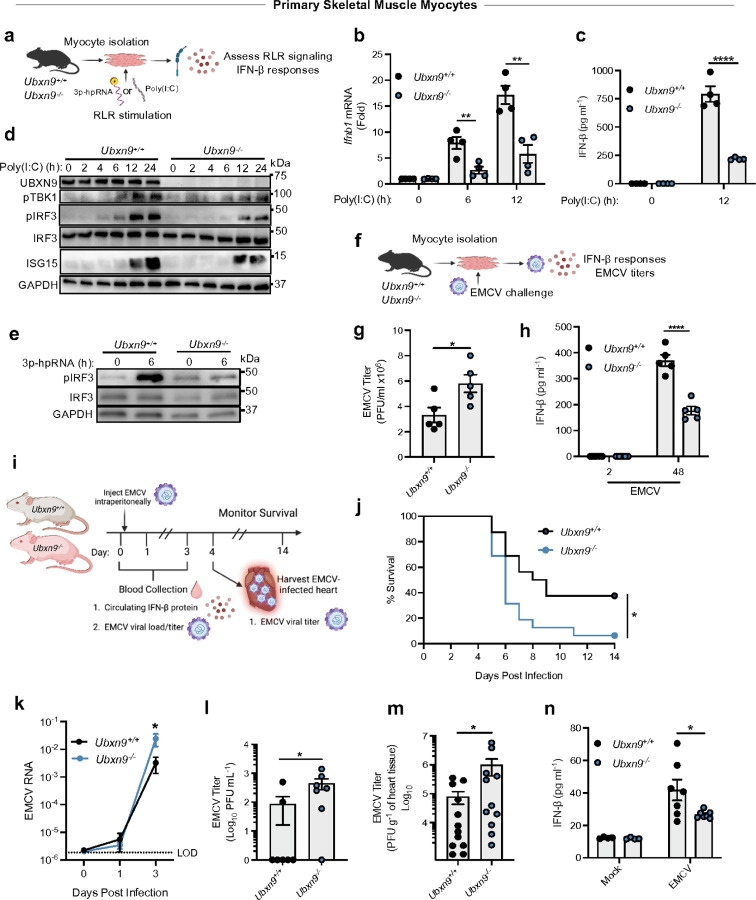 Figure 1
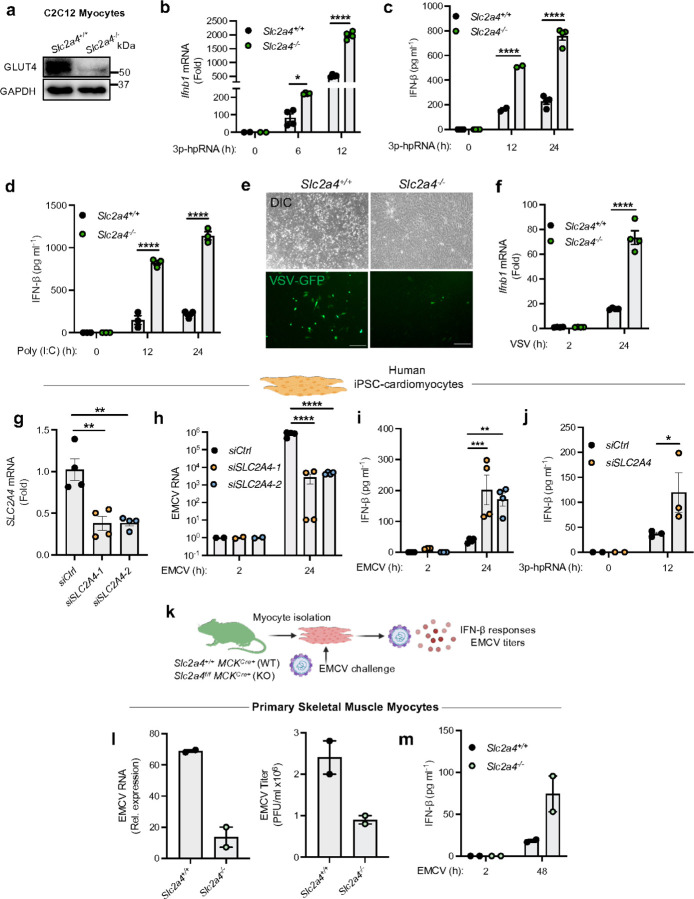 Figure 2
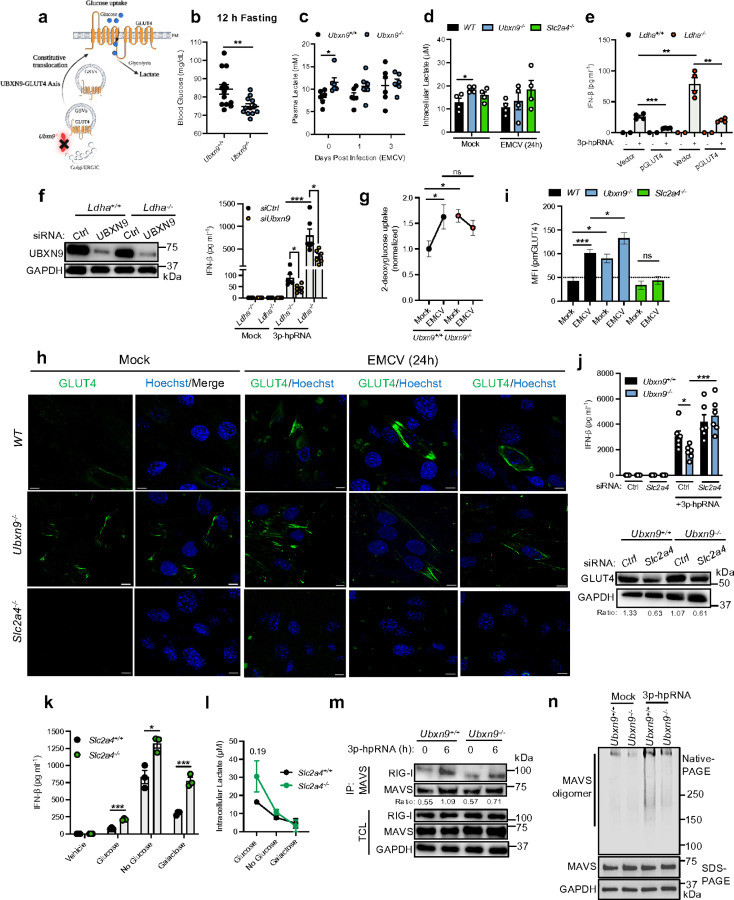 Figure 3
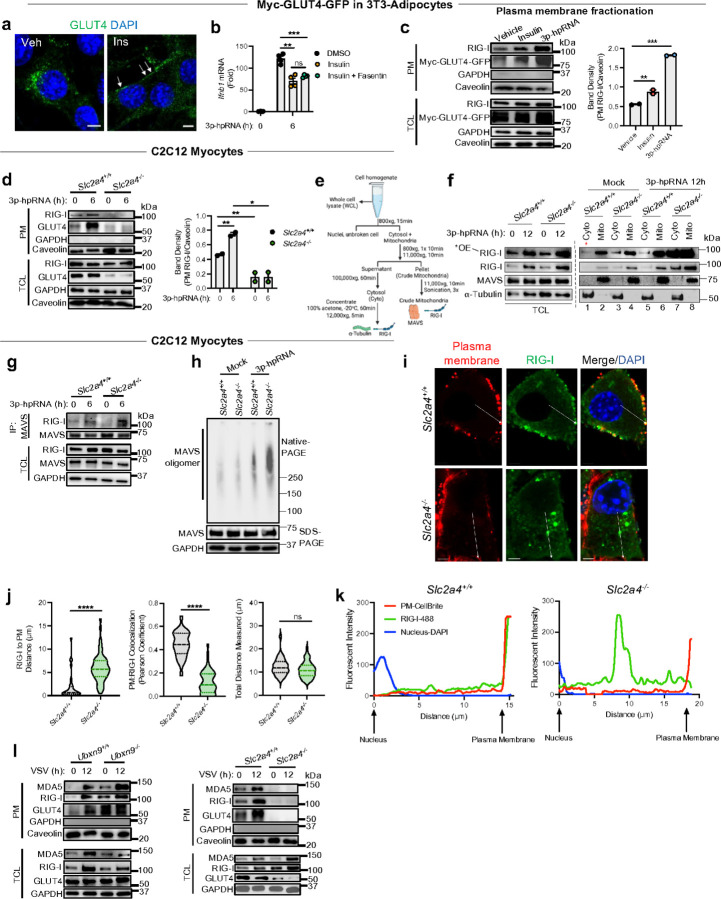 Figure 4
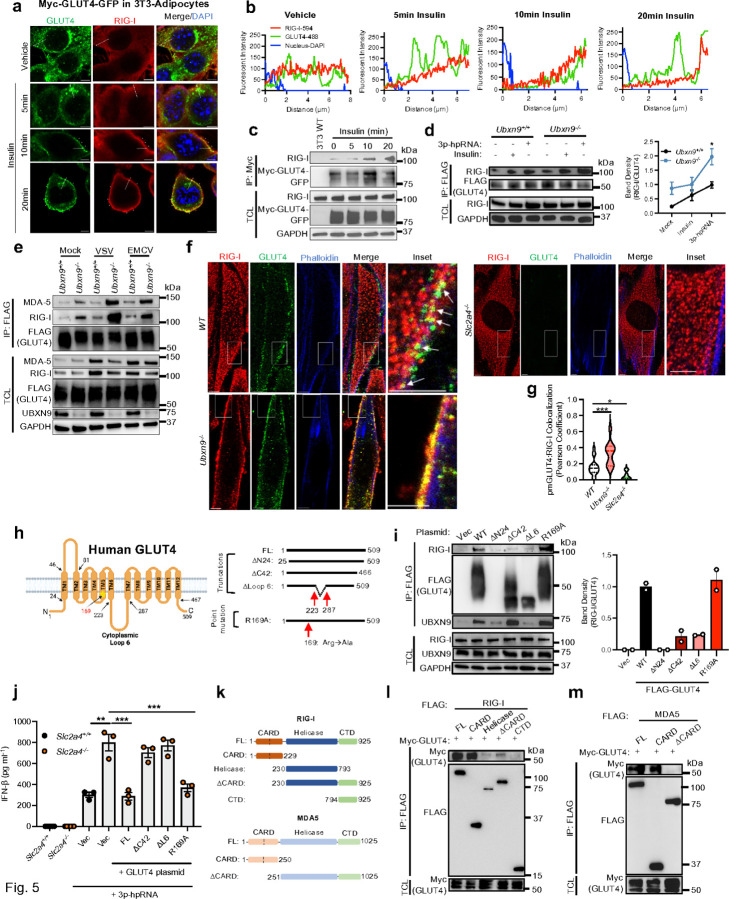 Figure 5
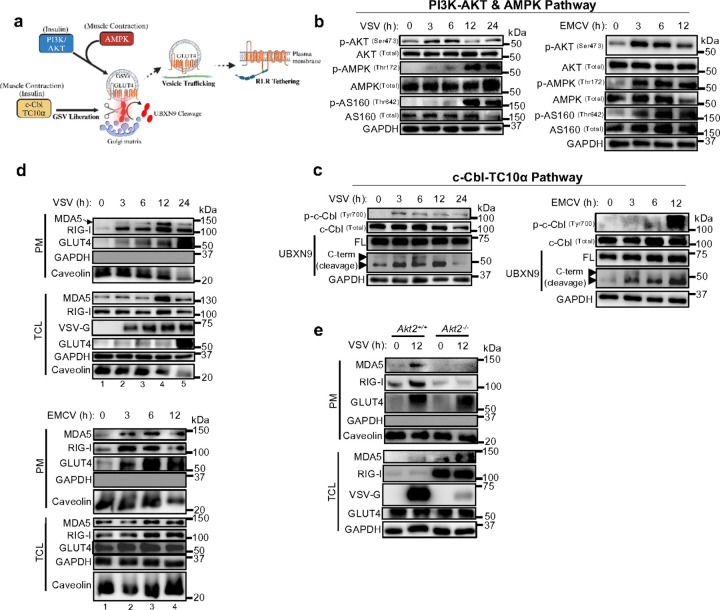 Figure 6
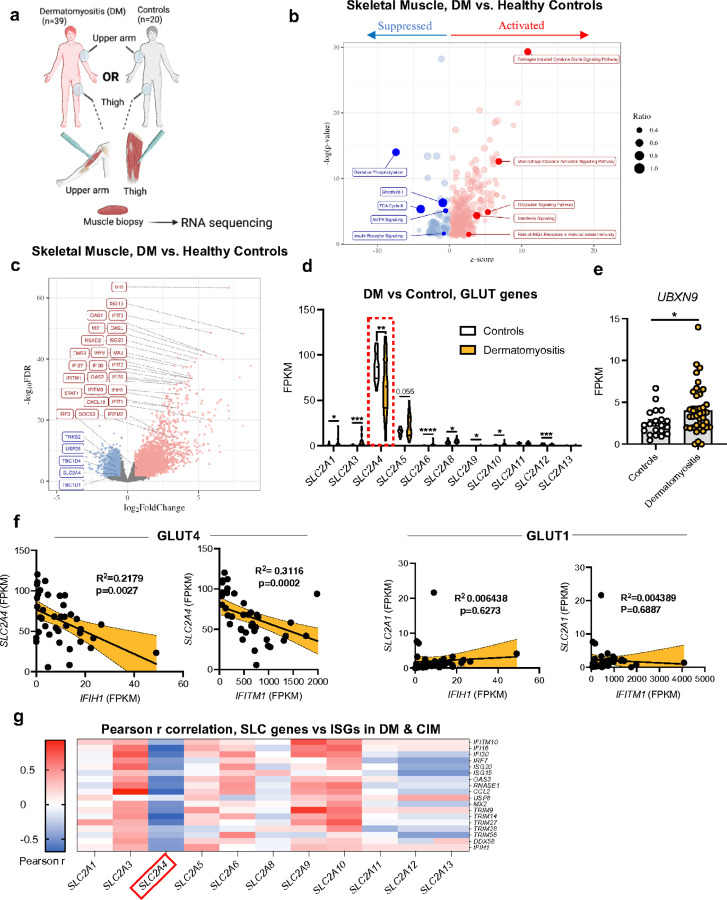 Figure 7
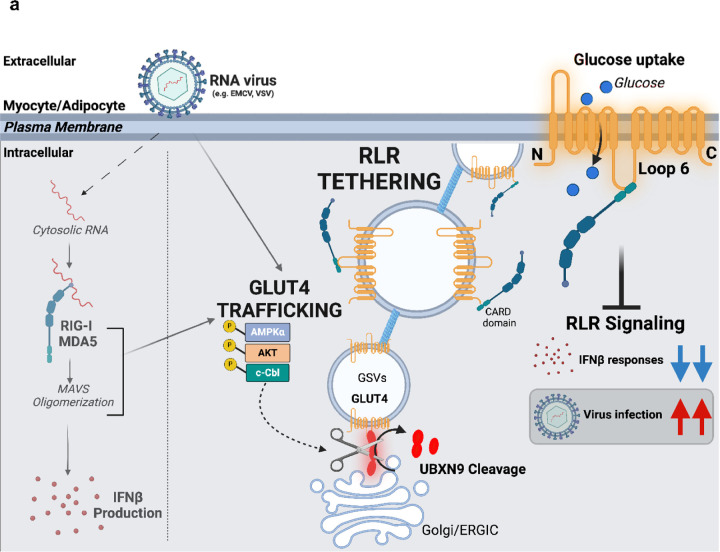 Figure 8
Peer Reviews
No public reviews on file for this paper yet. If you reviewed it on a platform where reviews are public (OpenReview, ICLR, NeurIPS, ICML), you can paste yours below so the community can read it here.
Videos
No videos yet. Explain this paper in a talk, walkthrough, or lecture? Add one.
Taxonomy
Topicsinterferon and immune responses · Inflammasome and immune disorders · Cytokine Signaling Pathways and Interactions