Fibration symmetry-breaking supports functional transitions in a brain network engaged in language
Tommaso Gili, Bryant Avila, Luca Pasquini, Andrei Holodny, David Phillips, Paolo Boldi, Andrea Gabrielli, Guido Caldarelli, Manuel Zimmer, Hernán A. Makse

TL;DR
This paper explores how symmetry-breaking in brain networks supports functional transitions, particularly in language processing.
Contribution
It introduces a local symmetry theory of the connectome using Grothendieck fibrations to explain brain function.
Findings
The resting state of the brain exhibits fibration symmetry.
Symmetry is broken during the transition from rest to language.
Structural connectivity determines coherent brain activity through local symmetry.
Abstract
In his book ’A Beautiful Question’ 1, physicist Frank Wilczek argues that symmetry is ’nature’s deep design,’ governing the behavior of the universe, from the smallest particles to the largest structures 1–4. While symmetry is a cornerstone of physics, it has not yet been found widespread applicability to describe biological systems 5, particularly the human brain. In this context, we study the human brain network engaged in language and explore the relationship between the structural connectivity (connectome or structural network) and the emergent synchronization of the mesoscopic regions of interest (functional network). We explain this relationship through a different kind of symmetry than physical symmetry, derived from the categorical notion of Grothendieck fibrations 6. This introduces a new understanding of the human brain by proposing a local symmetry theory of the connectome,…
Genes, proteins, chemicals, diseases, species, mutations and cell lines named across the full text — each resolved to its canonical identifier and authoritative record.
Click any figure to enlarge with its caption.
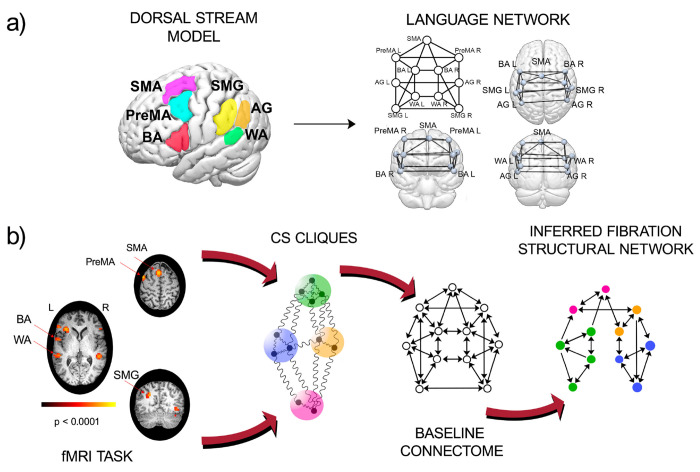 Figure 1
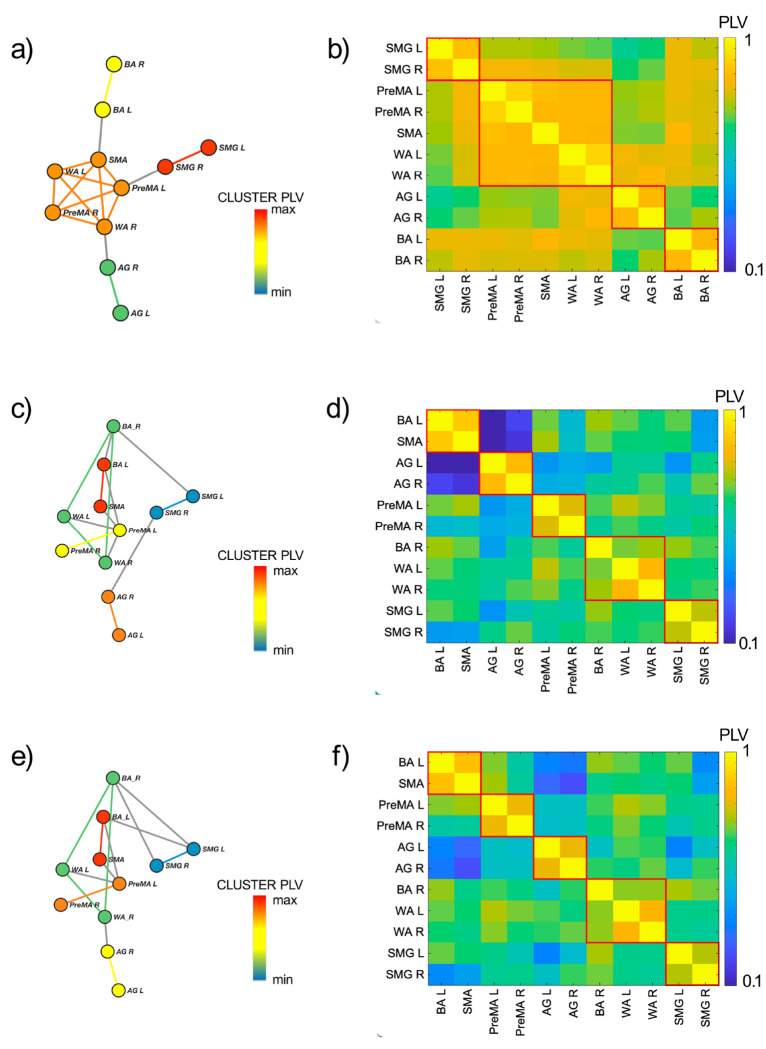 Figure 2
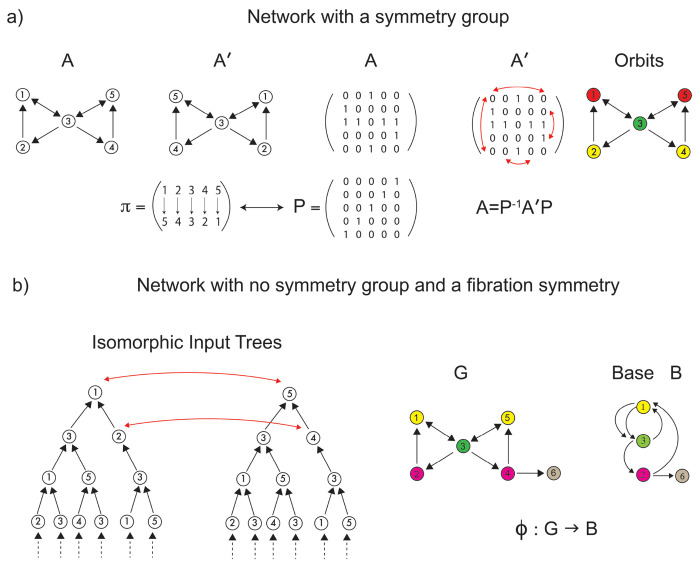 Figure 3
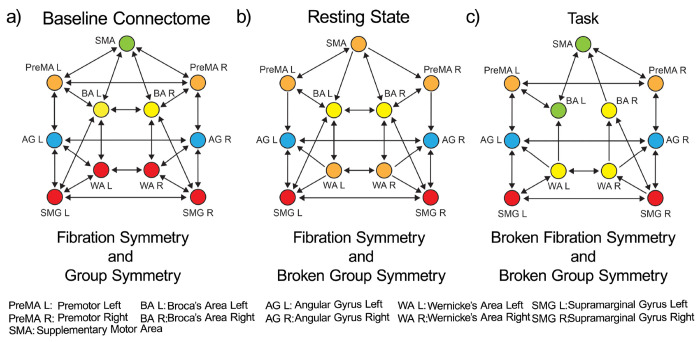 Figure 4
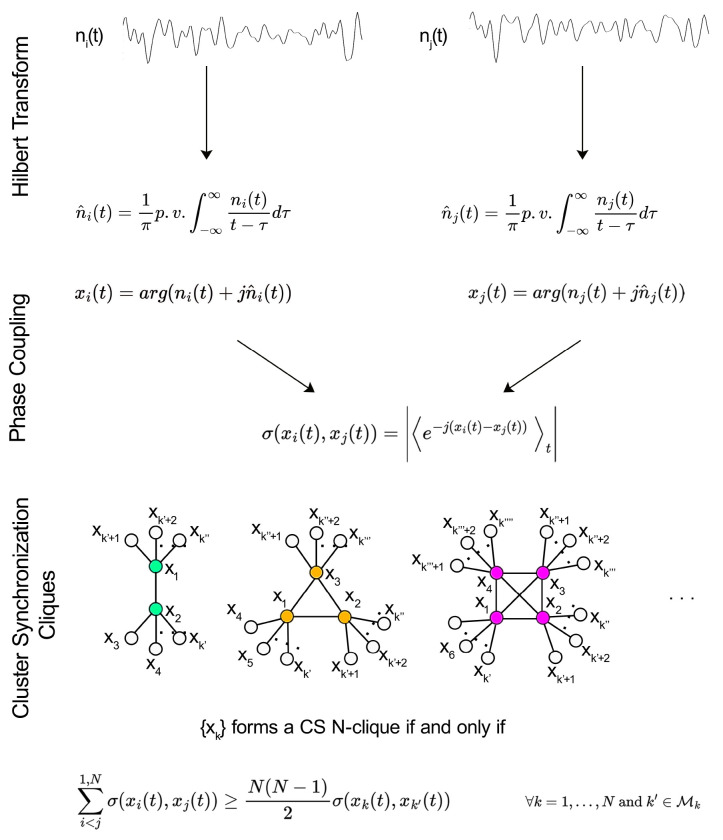 Figure 5
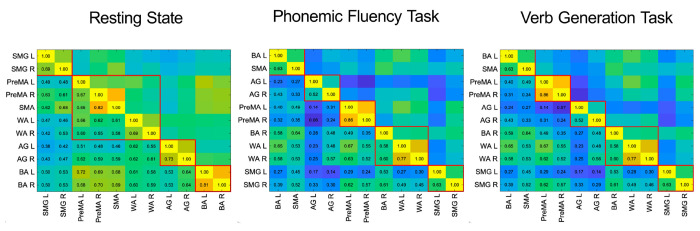 Figure 6
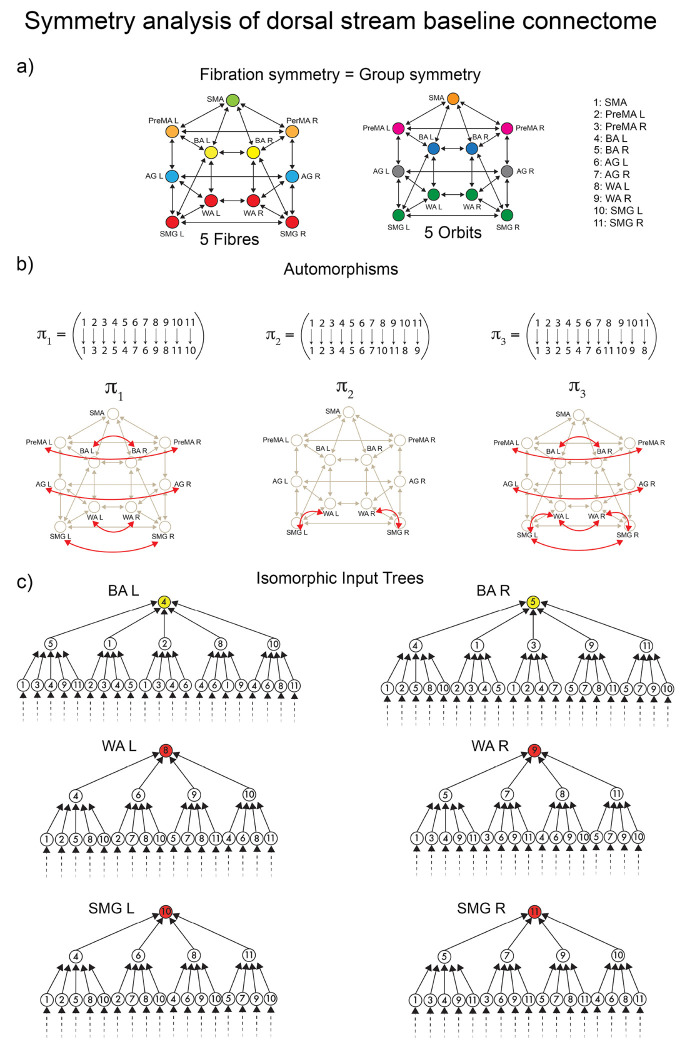 Figure 7
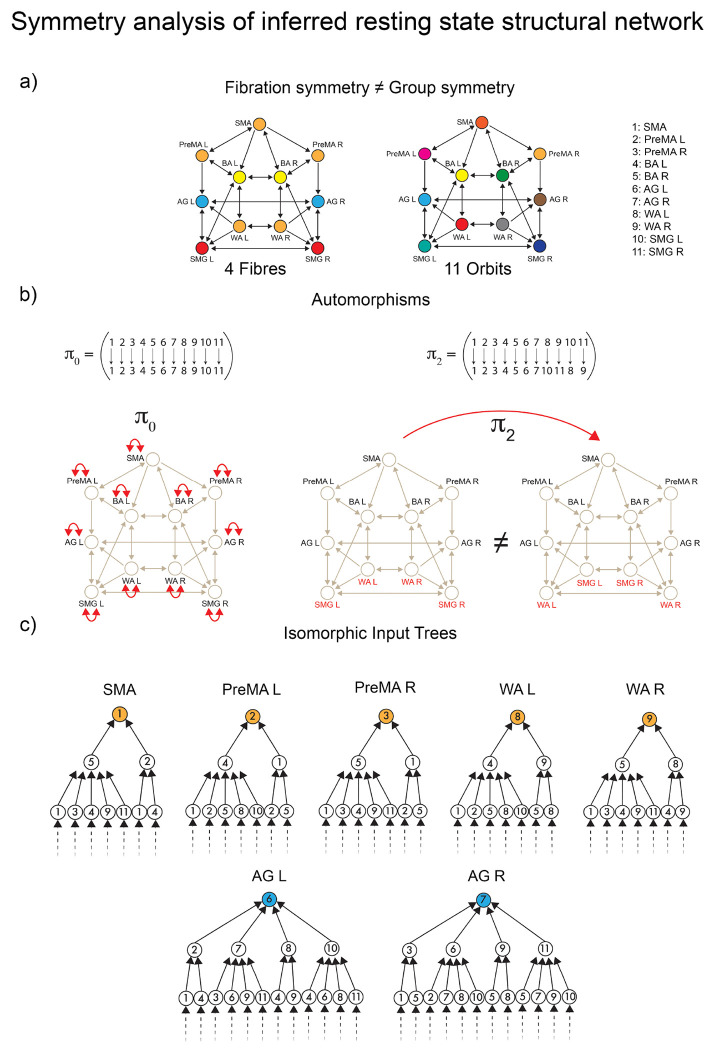 Figure 8
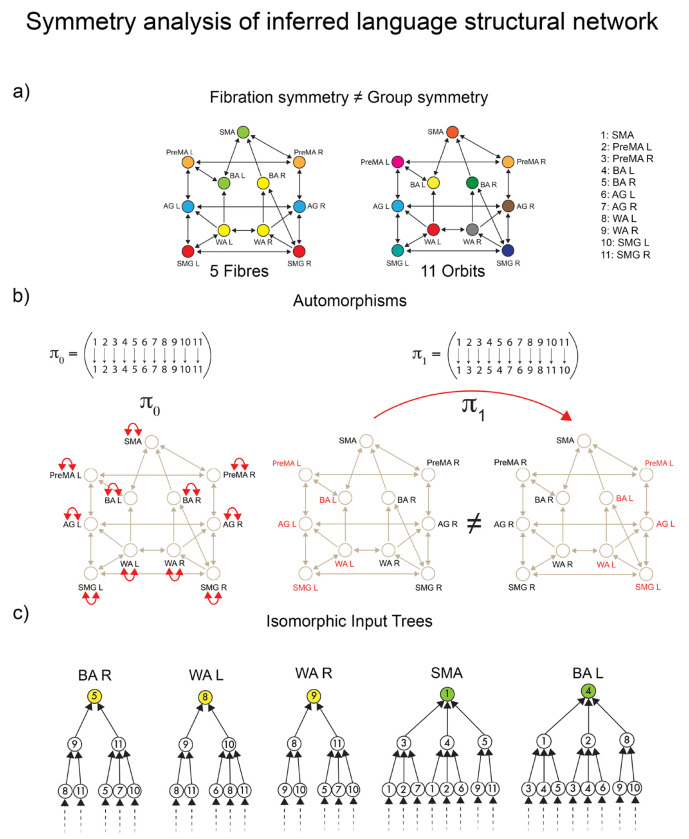 Figure 9
Peer Reviews
No public reviews on file for this paper yet. If you reviewed it on a platform where reviews are public (OpenReview, ICLR, NeurIPS, ICML), you can paste yours below so the community can read it here.
Videos
No videos yet. Explain this paper in a talk, walkthrough, or lecture? Add one.
Taxonomy
TopicsFractal and DNA sequence analysis · Neural dynamics and brain function · Plant and Biological Electrophysiology Studies