Strains on the human femur after revision total knee arthroplasty: An in vitro study using digital image correlation
Elisabeth M. Sporer, Christoph Schilling, Robert J. Tait, Alexander Giurea, Thomas M. Grupp, Pawel Klosowski, Pawel Klosowski, Pawel Klosowski, Pawel Klosowski

TL;DR
This study investigates high femoral surface strains at the tip of knee implants in revision surgery, which may explain post-surgery pain and guide future implant design.
Contribution
The study is the first to use digital image correlation on human specimens to measure surface strains related to End-of-Stem Pain in revision TKA.
Findings
Peak surface strains were observed at the tip of the stem in both load scenarios.
No significant differences were found between the two reaming protocols in terms of surface strains or fracture patterns.
High surface strains at the stem tip may correlate with End-of-Stem Pain, suggesting a need for improved stem designs.
Abstract
Pain at the tip of the stem of a knee prosthesis (End-of-Stem Pain) is a common problem in revision total knee arthroplasty (TKA). It may be caused by a problematic interaction between stem and bone, but the exact biomechanical correlate is still unknown. On top of this, there is no biomechanical study investigating End-of-Stem Pain at the distal femur using human specimens. Aim of this study was to find out whether the implantation of a revision total knee implant leads to high femoral surface strains at the tip of the stem, which the authors expect to be the biomechanical correlate of End-of-Stem Pain. We implanted 16 rotating hinge knee implants into 16 fresh-frozen human femora using the hybrid fixation technique and comparing two reaming protocols. Afterwards, surface strains on these femora were measured under dynamic load in two different load scenarios (climbing stairs and chair…
Genes, proteins, chemicals, diseases, species, mutations and cell lines named across the full text — each resolved to its canonical identifier and authoritative record.
Click any figure to enlarge with its caption.
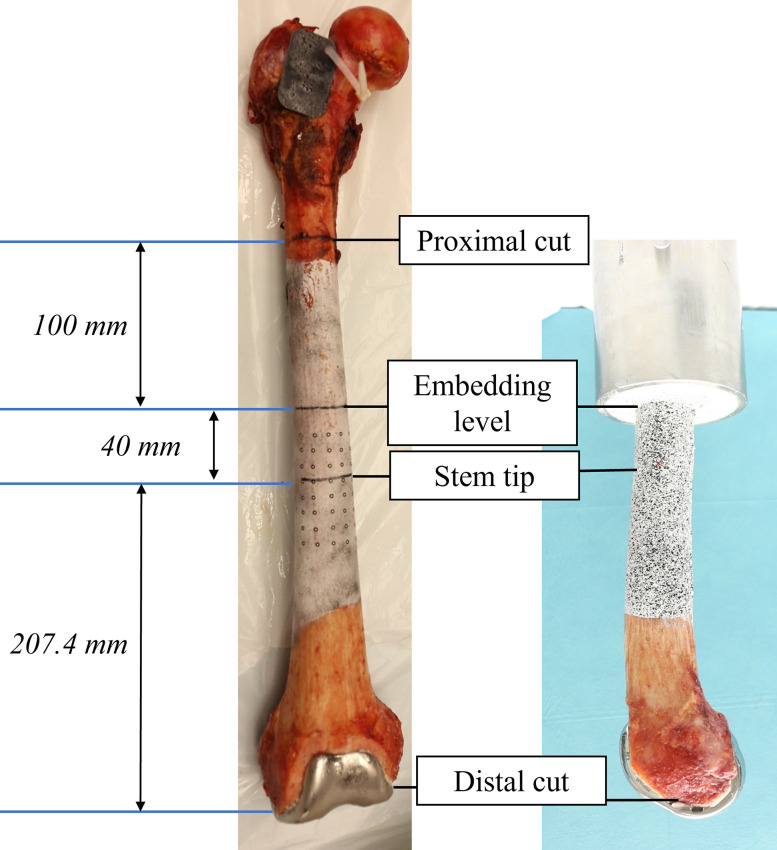 Figure 1
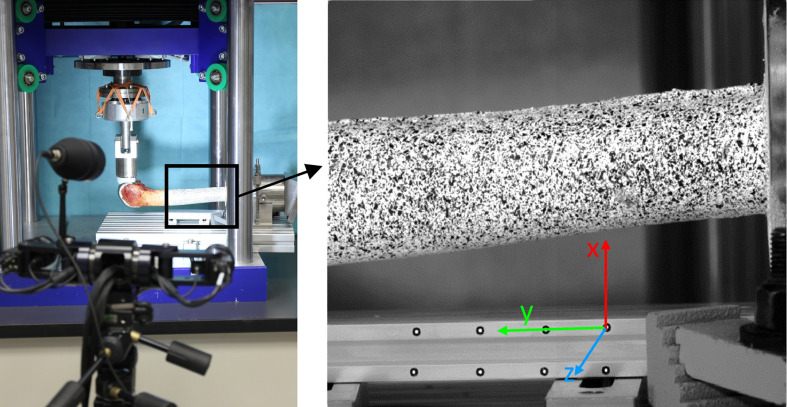 Figure 2
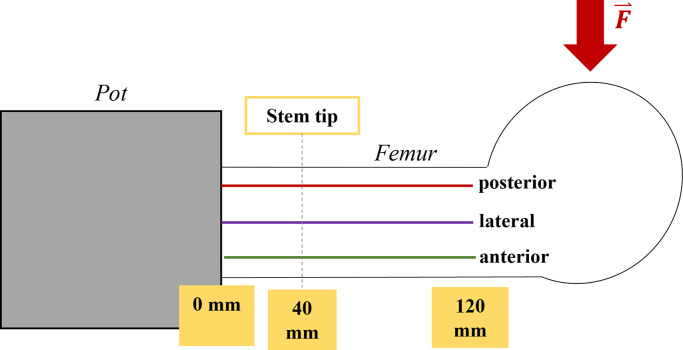 Figure 3
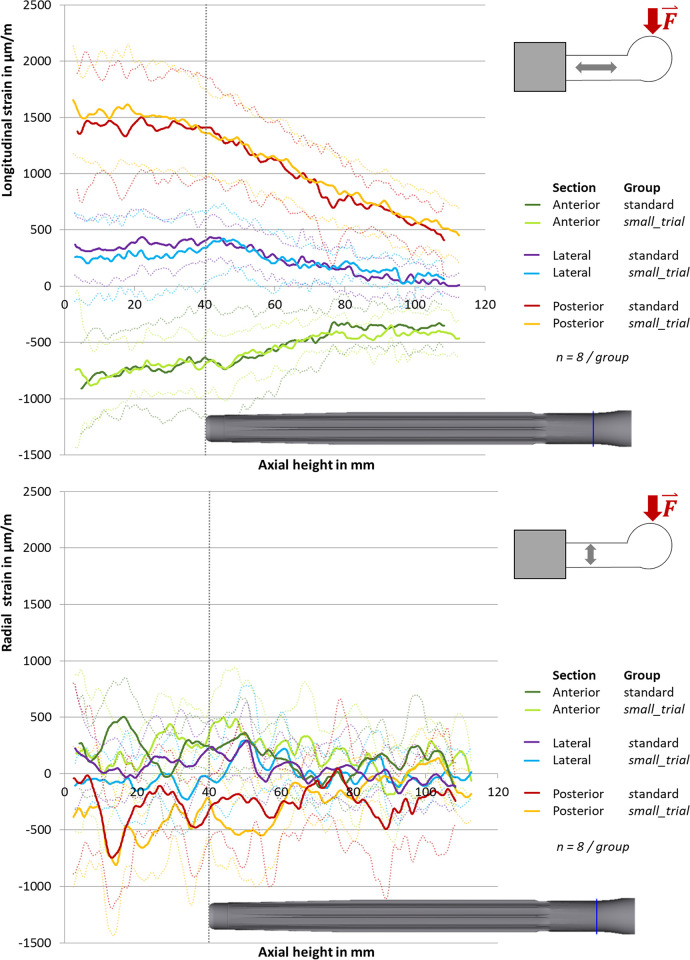 Figure 4
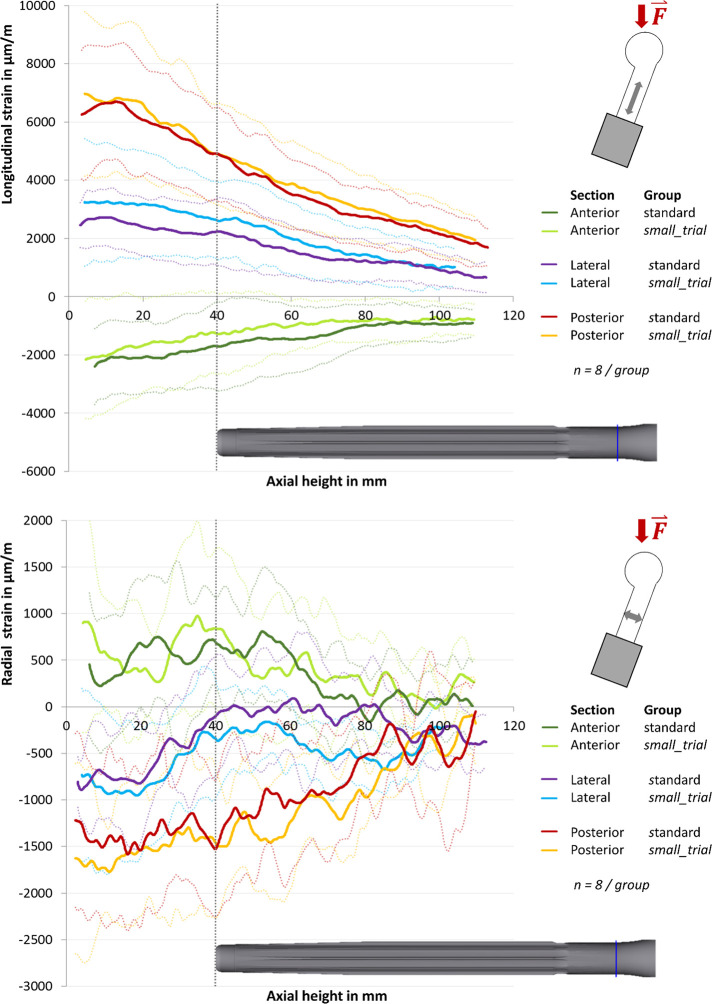 Figure 5
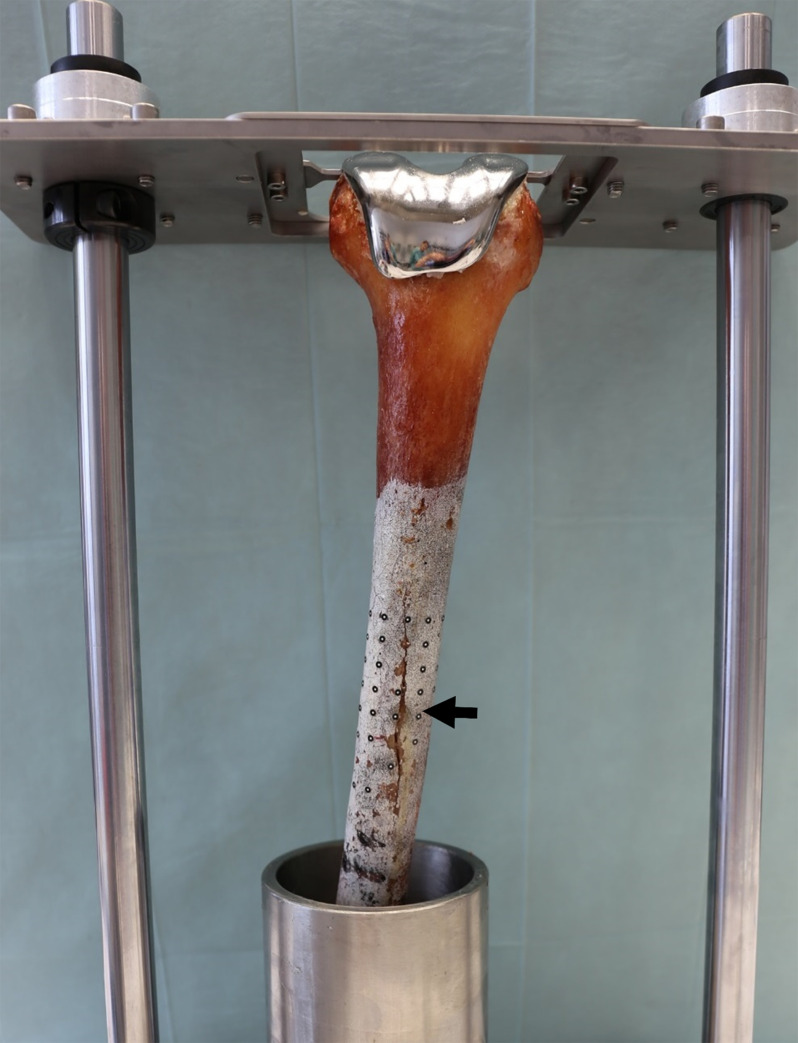 Figure 6
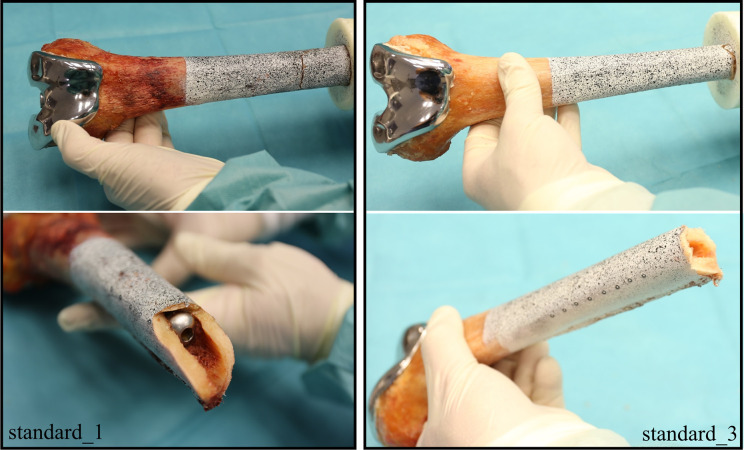 Figure 7
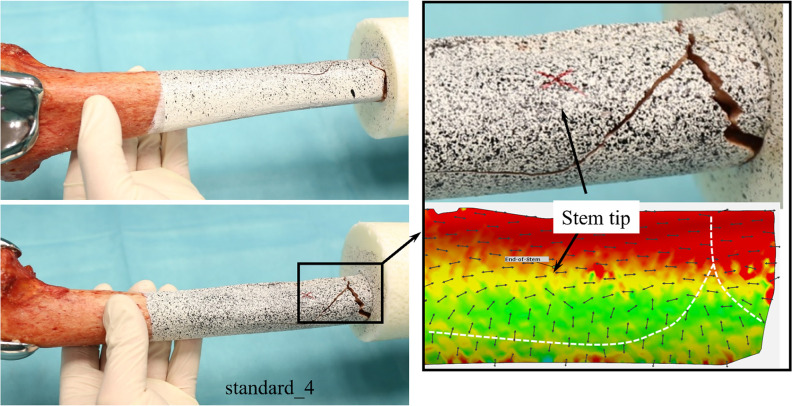 Figure 8
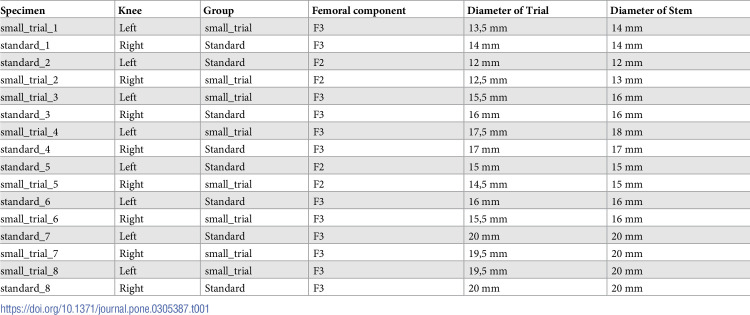 Figure 9
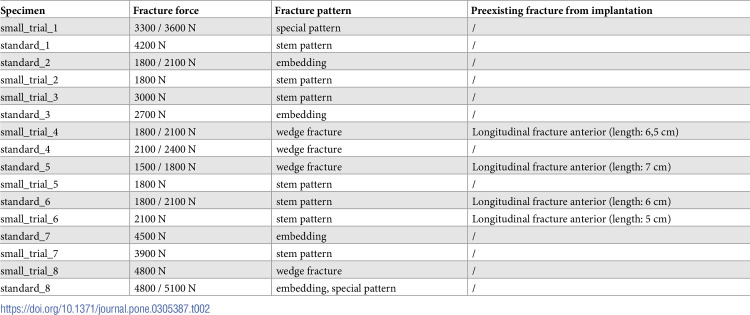 Figure 10
Peer Reviews
No public reviews on file for this paper yet. If you reviewed it on a platform where reviews are public (OpenReview, ICLR, NeurIPS, ICML), you can paste yours below so the community can read it here.
Videos
No videos yet. Explain this paper in a talk, walkthrough, or lecture? Add one.
Taxonomy
TopicsTotal Knee Arthroplasty Outcomes · Orthopaedic implants and arthroplasty · Osteoarthritis Treatment and Mechanisms