End-stage renal disease accompanied by mild cognitive impairment: A study and analysis of trimodal brain network fusion
Jie Chen, Tongqiang Liu, Haifeng Shi, Cota Navin Gupta, Cota Navin Gupta, Cota Navin Gupta

TL;DR
This study explores brain network changes in patients with end-stage renal disease and mild cognitive impairment, using a new fusion method that improves diagnostic accuracy.
Contribution
A novel multi-head self-attention model for fusing trimodal brain networks, achieving higher classification accuracy in ESRDaMCI diagnosis.
Findings
The proposed fusion method achieved 92.80% classification accuracy, outperforming existing methods by at least 3.63%.
Brain regions identified correlate with cognitive dysfunction scores, offering insights into ESRDaMCI pathogenesis.
Abstract
The function and structure of brain networks (BN) may undergo changes in patients with end-stage renal disease (ESRD), particularly in those accompanied by mild cognitive impairment (ESRDaMCI). Many existing methods for fusing BN focus on extracting interaction features between pairs of network nodes from each mode and combining them. This approach overlooks the correlation between different modal features during feature extraction and the potentially valuable information that may exist between more than two brain regions. To address this issue, we propose a model using a multi-head self-attention mechanism to fuse brain functional networks, white matter structural networks, and gray matter structural networks, which results in the construction of brain fusion networks (FBN). Initially, three networks are constructed: the brain function network, the white matter structure network, and…
Genes, proteins, chemicals, diseases, species, mutations and cell lines named across the full text — each resolved to its canonical identifier and authoritative record.
Click any figure to enlarge with its caption.
 Figure 1
 Figure 2
 Figure 3
 Figure 4
 Figure 5
 Figure 6
 Figure 7
 Figure 8
 Figure 9
 Figure 10
 Figure 11
 Figure 12
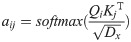 Figure 13
 Figure 14
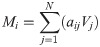 Figure 15
 Figure 16
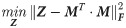 Figure 17
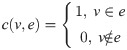 Figure 18
 Figure 19
 Figure 20
 Figure 21
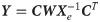 Figure 22
 Figure 23
 Figure 24
 Figure 25
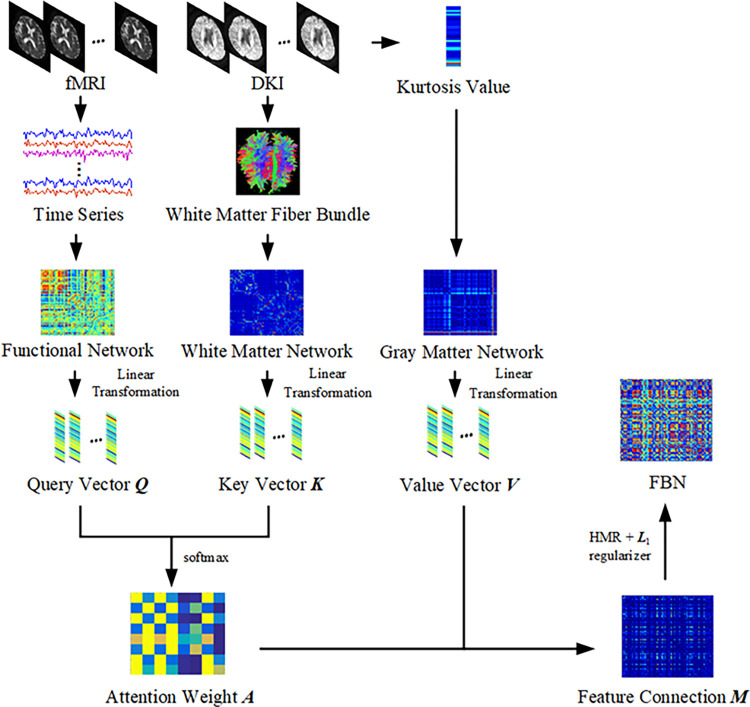 Figure 26
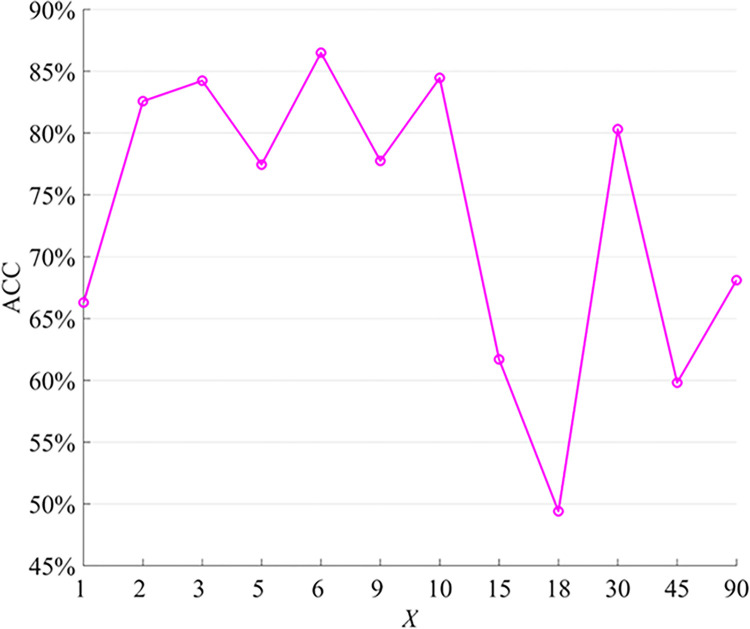 Figure 27
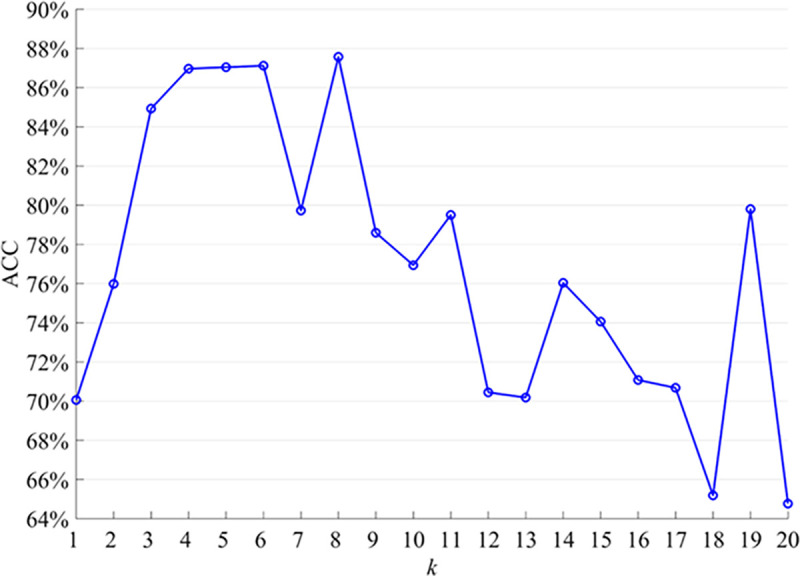 Figure 28
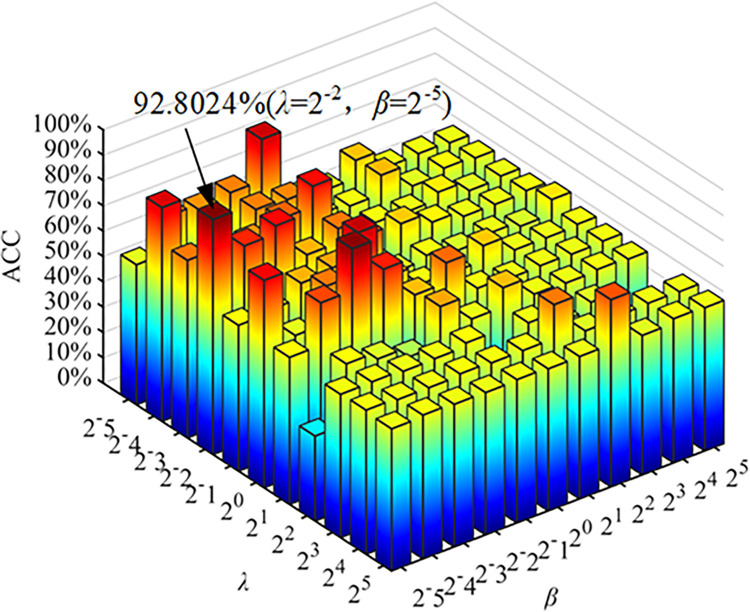 Figure 29
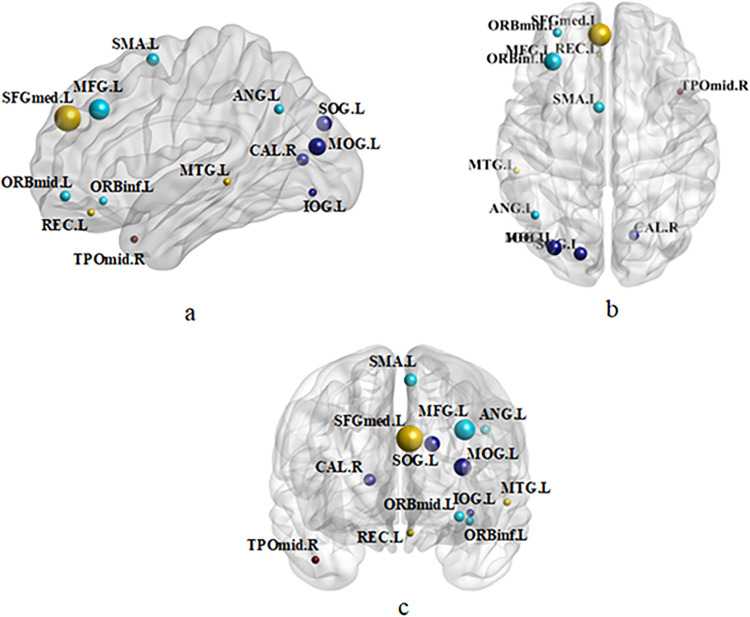 Figure 30
 Figure 31
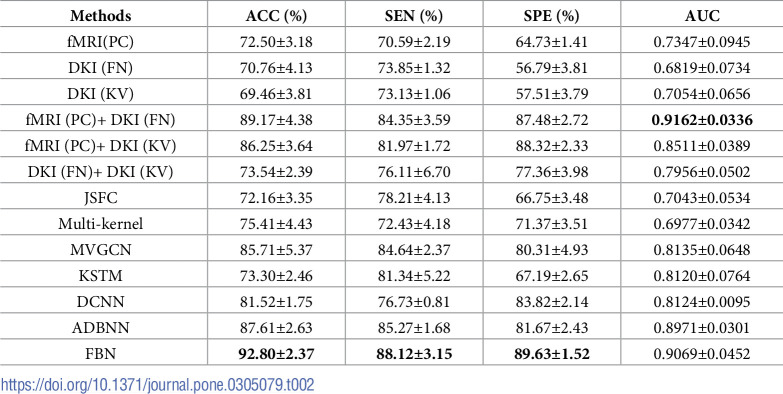 Figure 32
 Figure 33
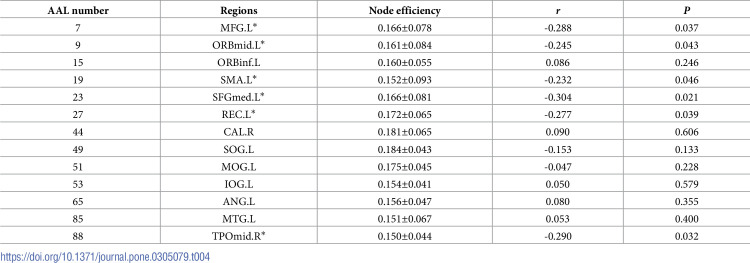 Figure 34
Peer Reviews
No public reviews on file for this paper yet. If you reviewed it on a platform where reviews are public (OpenReview, ICLR, NeurIPS, ICML), you can paste yours below so the community can read it here.
Videos
No videos yet. Explain this paper in a talk, walkthrough, or lecture? Add one.
Taxonomy
TopicsFunctional Brain Connectivity Studies · Neonatal and fetal brain pathology · EEG and Brain-Computer Interfaces