Train Station Pedestrian Monitoring Pilot Study Using an Artificial Intelligence Approach
Gonzalo Garcia, Sergio A. Velastin, Nicolas Lastra, Heilym Ramirez, Sebastian Seriani, Gonzalo Farias

TL;DR
This study uses AI to monitor pedestrian movement in train stations to improve safety and efficiency.
Contribution
The paper introduces two AI-based methods for tracking pedestrian positions and activities in crowded train stations.
Findings
A method tracks individuals using bounding boxes to derive 3D kinematics like position and velocity.
Another method infers pose and activity by analyzing body key points from video data.
These measurements can help design better layouts for public transport spaces.
Abstract
Pedestrian monitoring in crowded areas like train stations has an important impact in the overall operation and management of those public spaces. An organized distribution of the different elements located inside a station will contribute not only to the safety of all passengers but will also allow for a more efficient process of the regular activities including entering/leaving the station, boarding/alighting from trains, and waiting. This improved distribution only comes by obtaining sufficiently accurate information on passengers’ positions, and their derivatives like speeds, densities, traffic flow. The work described here addresses this need by using an artificial intelligence approach based on computational vision and convolutional neural networks. From the available videos taken regularly at subways stations, two methods are tested. One is based on tracking each person’s…
Genes, proteins, chemicals, diseases, species, mutations and cell lines named across the full text — each resolved to its canonical identifier and authoritative record.
Click any figure to enlarge with its caption.
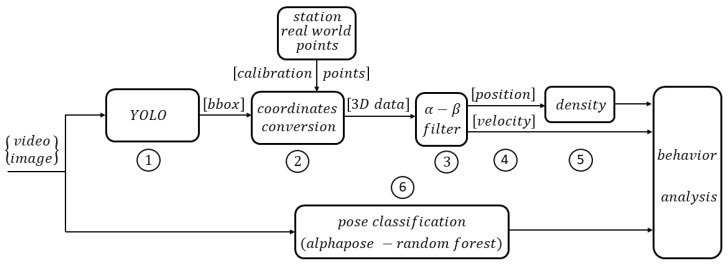 Figure 1
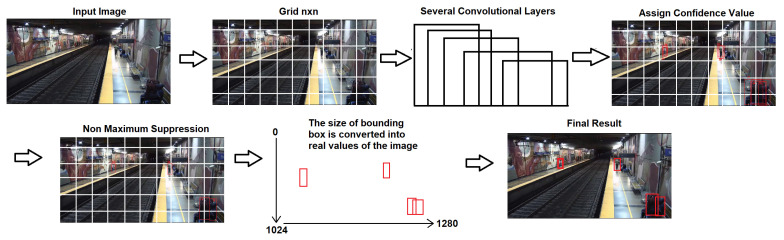 Figure 2
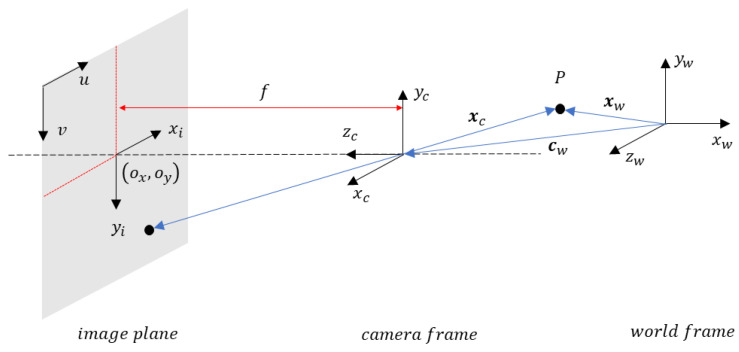 Figure 3
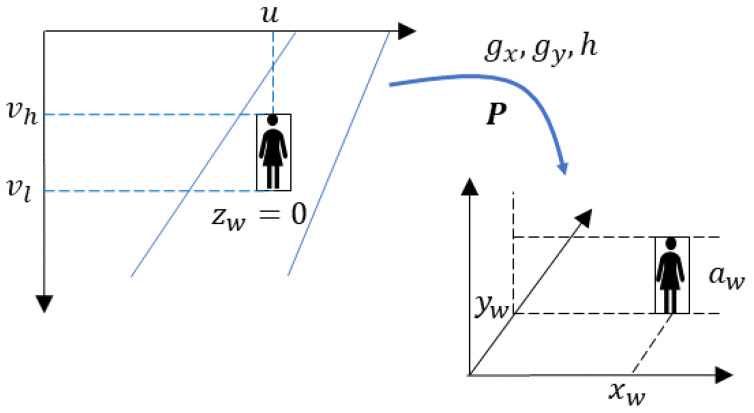 Figure 4
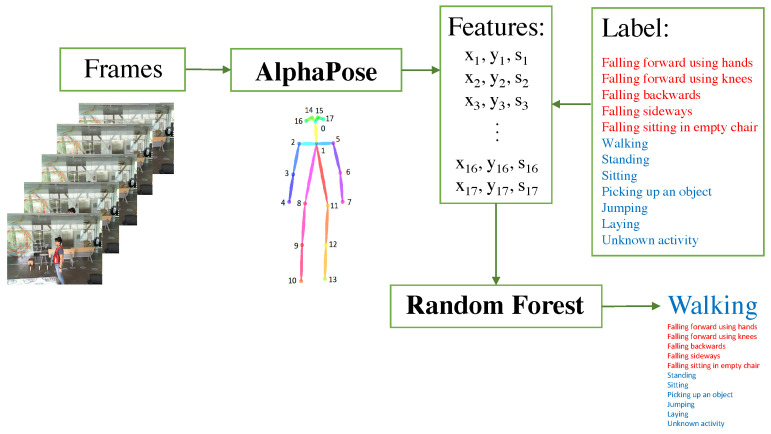 Figure 5
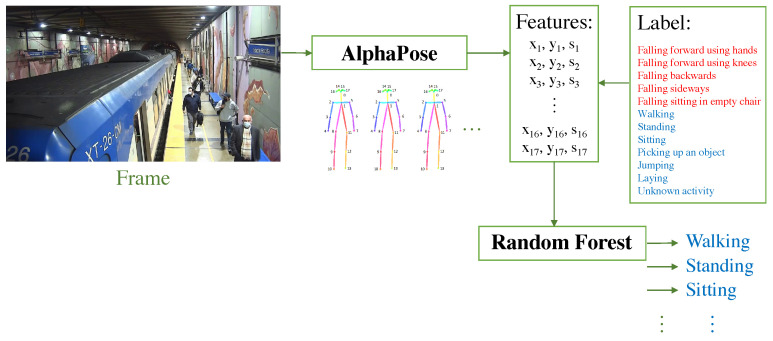 Figure 6
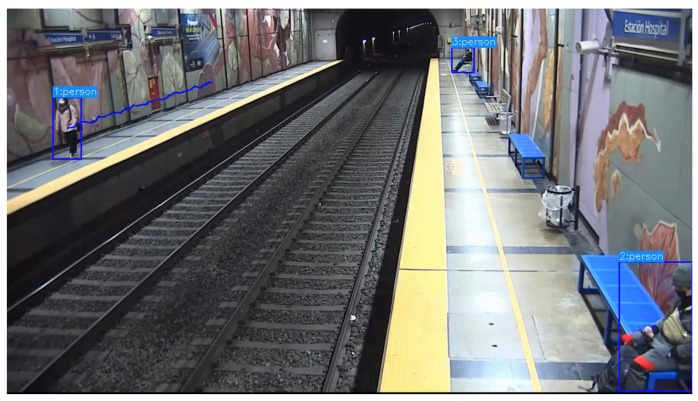 Figure 7
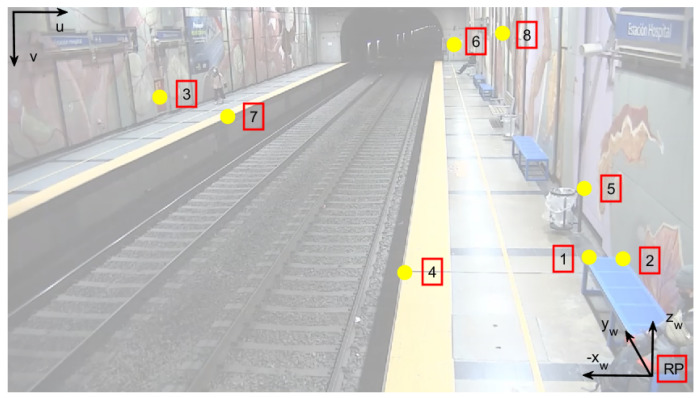 Figure 8
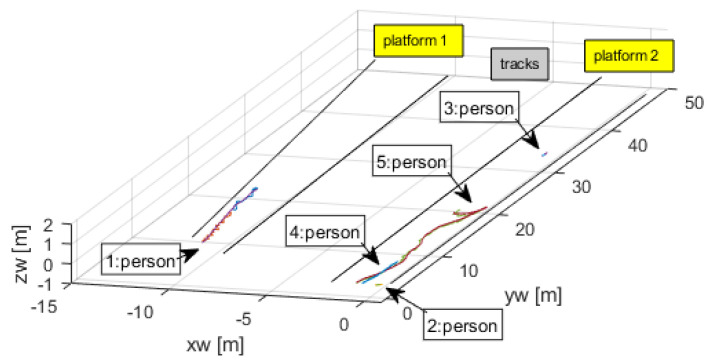 Figure 9
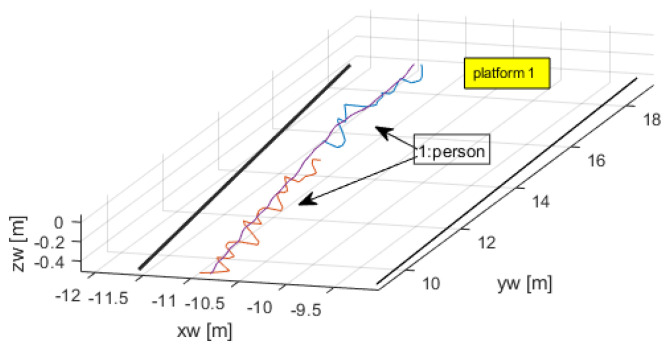 Figure 10
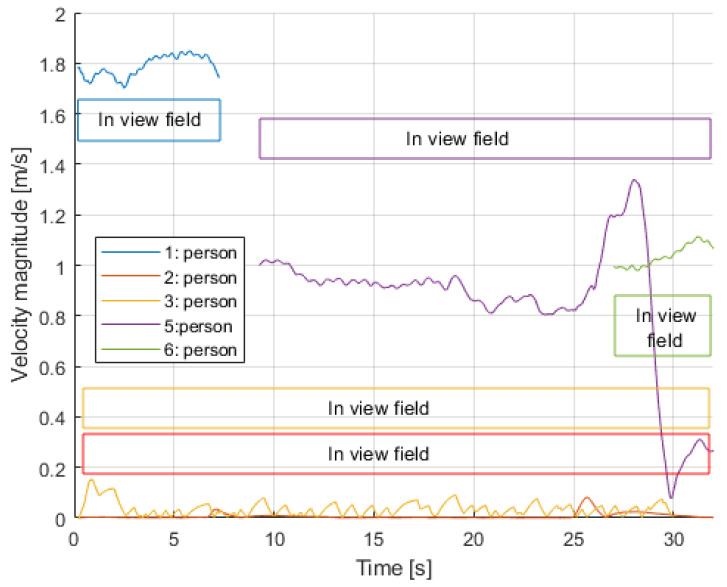 Figure 11
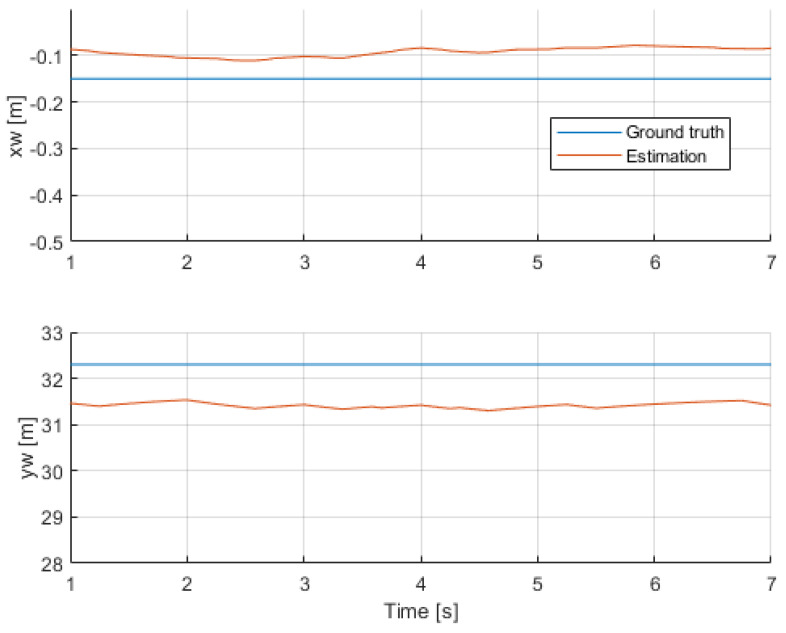 Figure 12
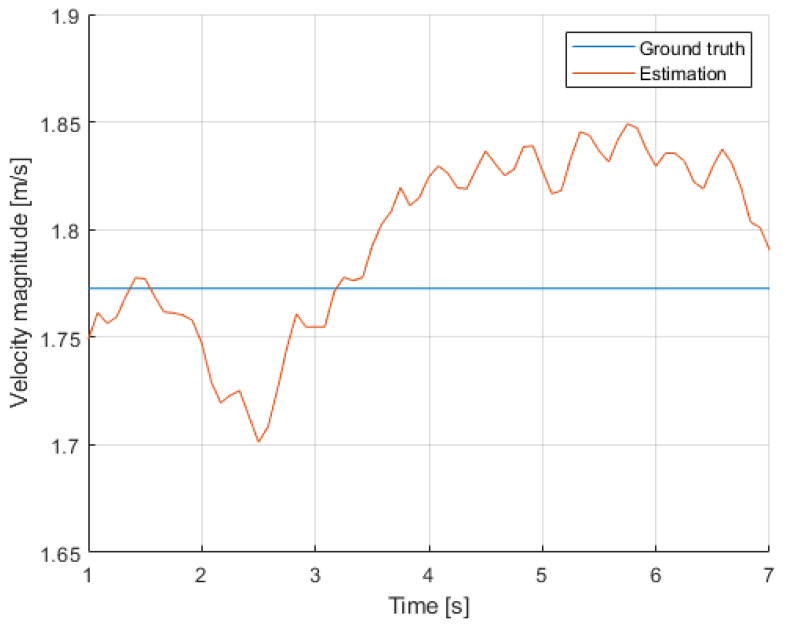 Figure 13
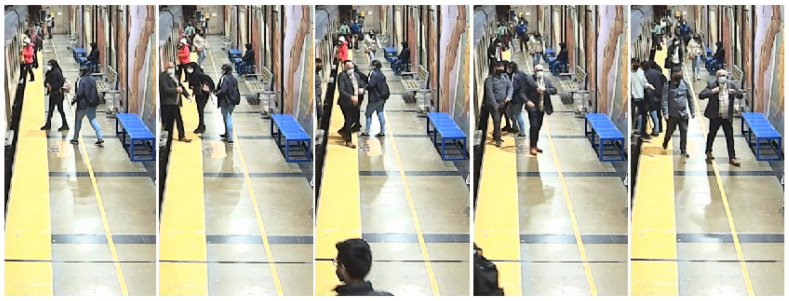 Figure 14
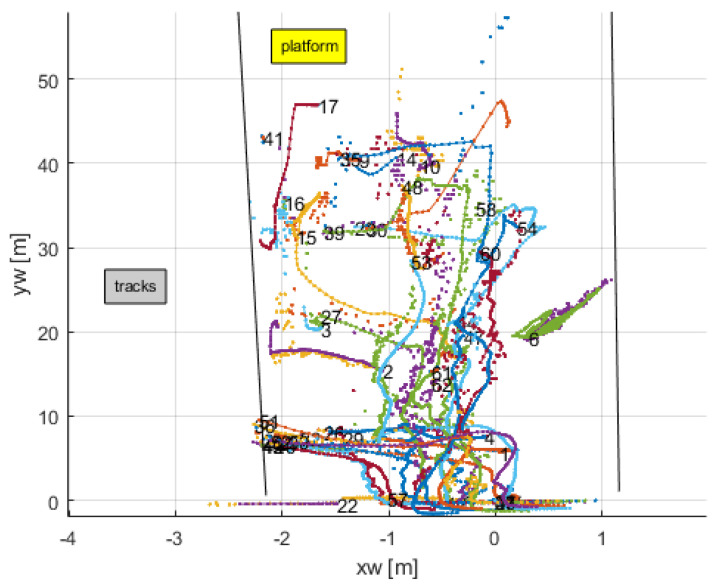 Figure 15
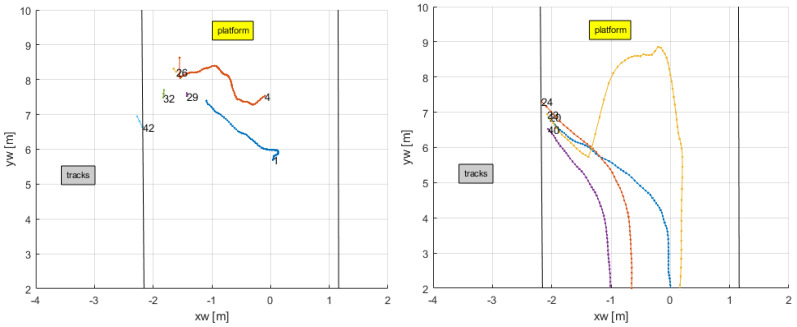 Figure 16
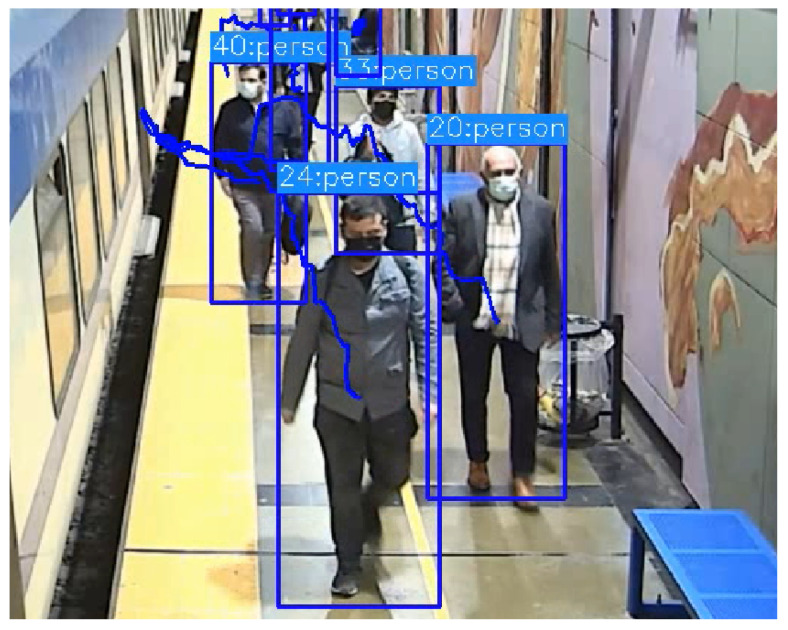 Figure 17
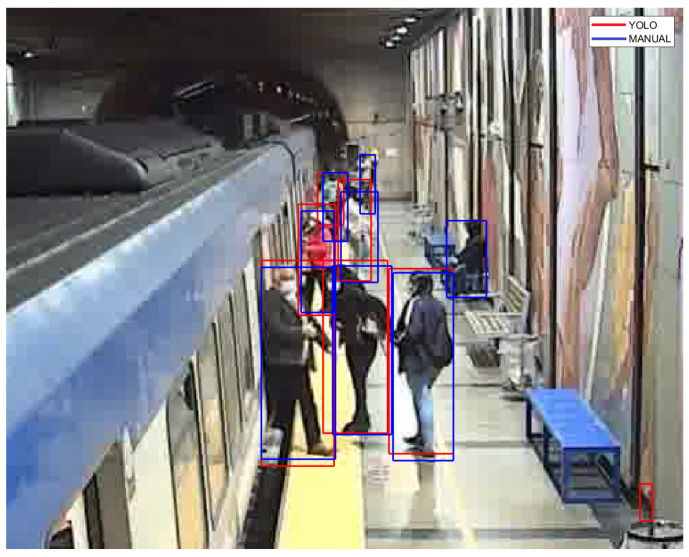 Figure 18
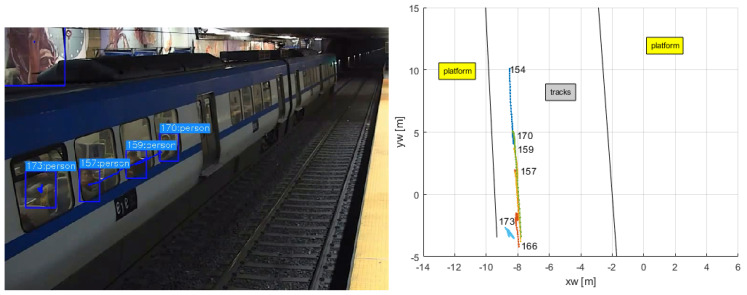 Figure 19
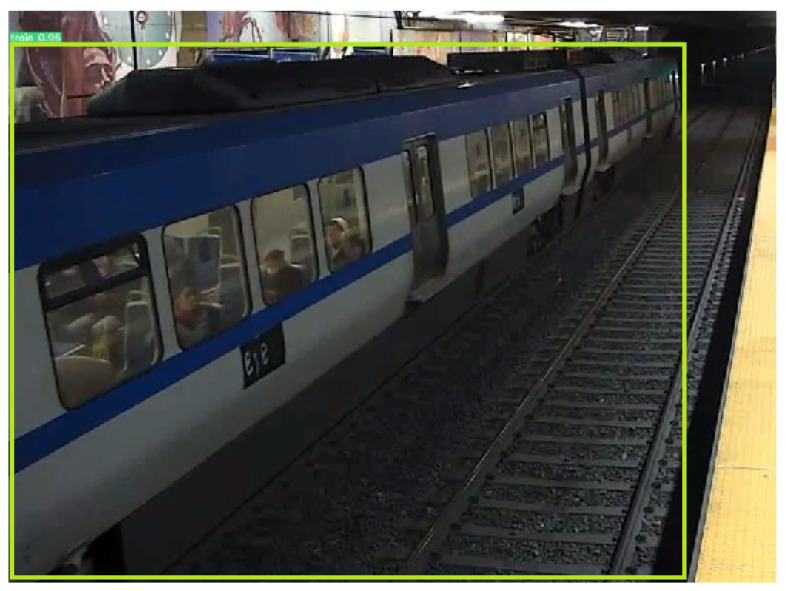 Figure 20
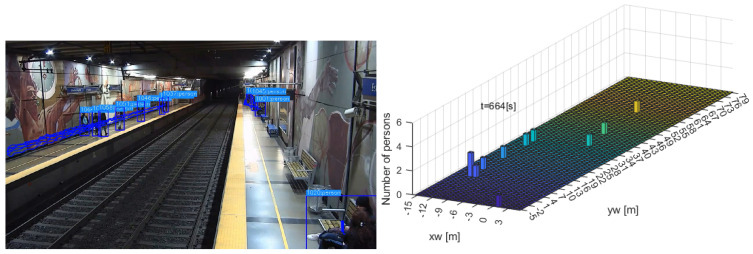 Figure 21
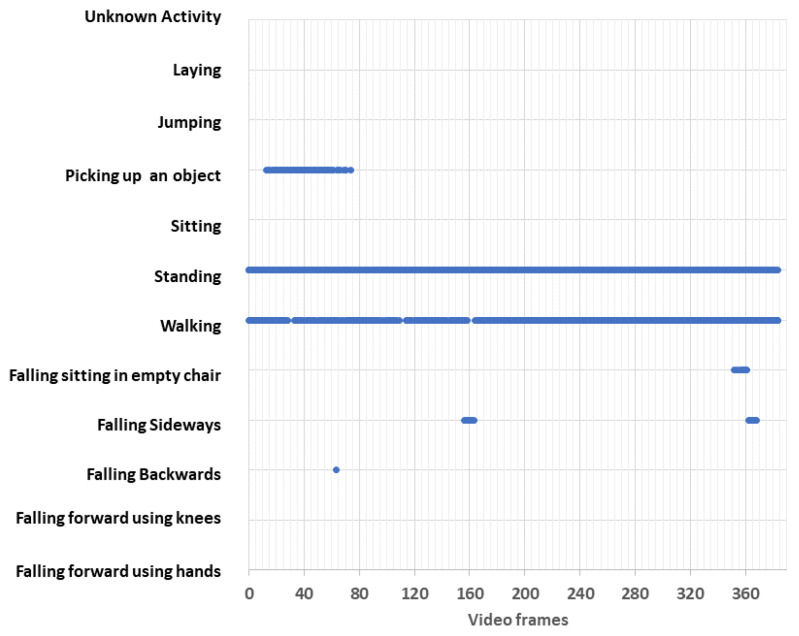 Figure 22
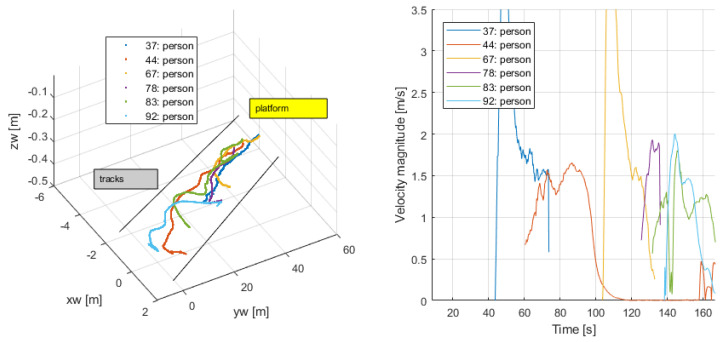 Figure 23
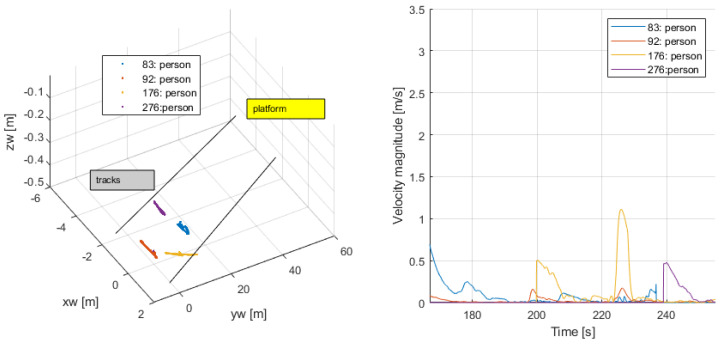 Figure 24
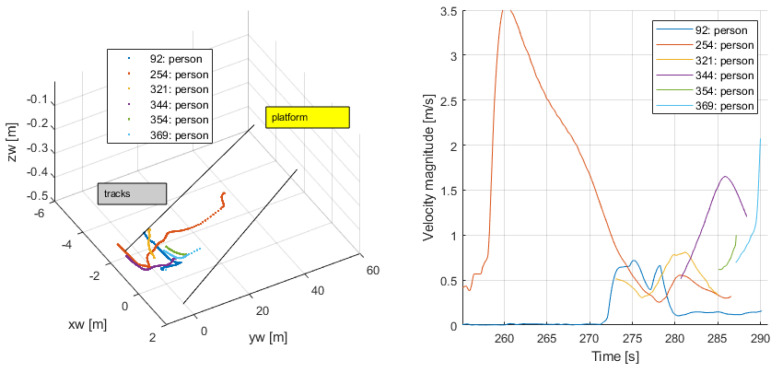 Figure 25
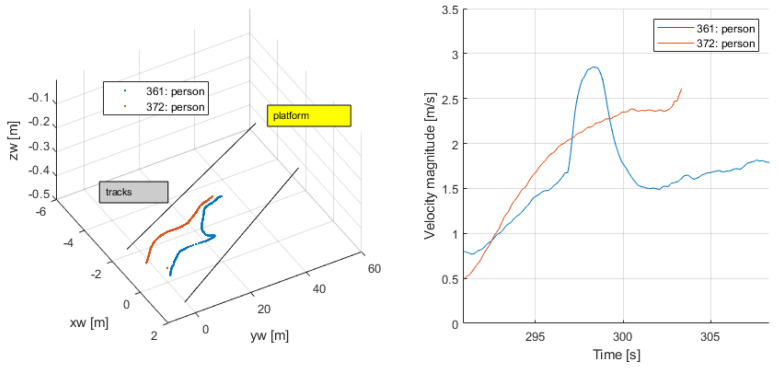 Figure 26
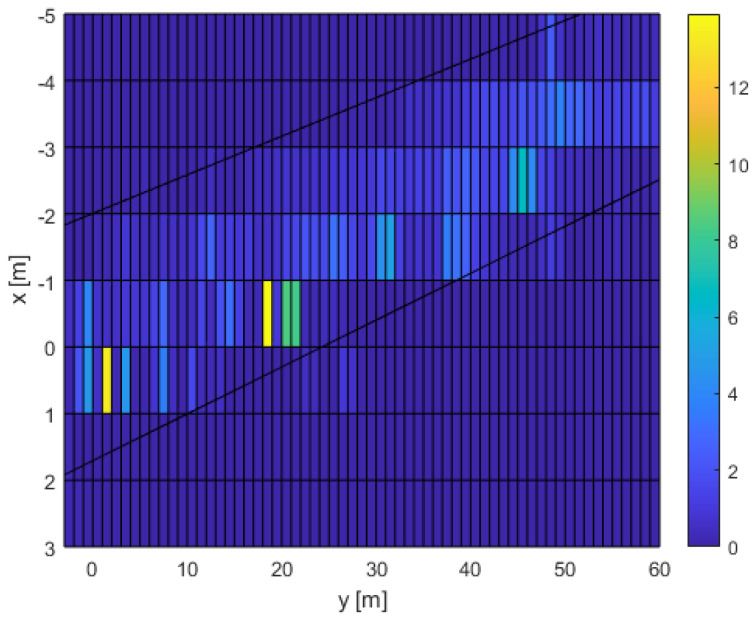 Figure 27
Peer Reviews
No public reviews on file for this paper yet. If you reviewed it on a platform where reviews are public (OpenReview, ICLR, NeurIPS, ICML), you can paste yours below so the community can read it here.
Videos
No videos yet. Explain this paper in a talk, walkthrough, or lecture? Add one.
Taxonomy
TopicsEvacuation and Crowd Dynamics · Human Motion and Animation · Elevator Systems and Control