Potential inhibitors of VEGFR1, VEGFR2, and VEGFR3 developed through Deep Learning for the treatment of Cervical Cancer
Anuraj Nayarisseri, Mohnad Abdalla, Isha Joshi, Manasi Yadav, Anushka Bhrdwaj, Ishita Chopra, Arshiya Khan, Arshiya Saxena, Khushboo Sharma, Aravind Panicker, Umesh Panwar, Francisco Jaime Bezerra Mendonça Junior, Sanjeev Kumar Singh

TL;DR
This paper uses deep learning to identify potential inhibitors for VEGFR proteins, which are linked to cervical cancer progression.
Contribution
The study introduces novel inhibitors for VEGFR-1, VEGFR-2, and VEGFR-3 using deep learning and molecular simulations.
Findings
Deep learning generated 43 million compounds, with top molecules showing strong receptor-ligand binding affinity.
Molecular docking identified PubChem IDs 71465,645 and 11152946 as highly effective inhibitors.
Molecular dynamics simulations confirmed the conformational stability of the top compounds.
Abstract
Cervical cancer stands as a prevalent gynaecologic malignancy affecting women globally, often linked to persistent human papillomavirus infection. Biomarkers associated with cervical cancer, including VEGF-A, VEGF-B, VEGF-C, VEGF-D, and VEGF-E, show upregulation and are linked to angiogenesis and lymphangiogenesis. This research aims to employ in-silico methods to target tyrosine kinase receptor proteins—VEGFR-1, VEGFR-2, and VEGFR-3, and identify novel inhibitors for Vascular Endothelial Growth Factors receptors (VEGFRs). A comprehensive literary study was conducted which identified 26 established inhibitors for VEGFR-1, VEGFR-2, and VEGFR-3 receptor proteins. Compounds with high-affinity scores, including PubChem ID—25102847, 369976, and 208908 were chosen from pre-existing compounds for creating Deep Learning-based models. RD-Kit, a Deep learning algorithm, was used to generate 43…
Genes, proteins, chemicals, diseases, species, mutations and cell lines named across the full text — each resolved to its canonical identifier and authoritative record.
Click any figure to enlarge with its caption.
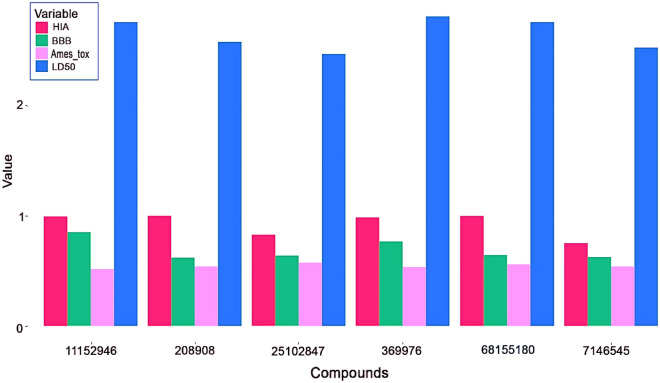 Figure 10
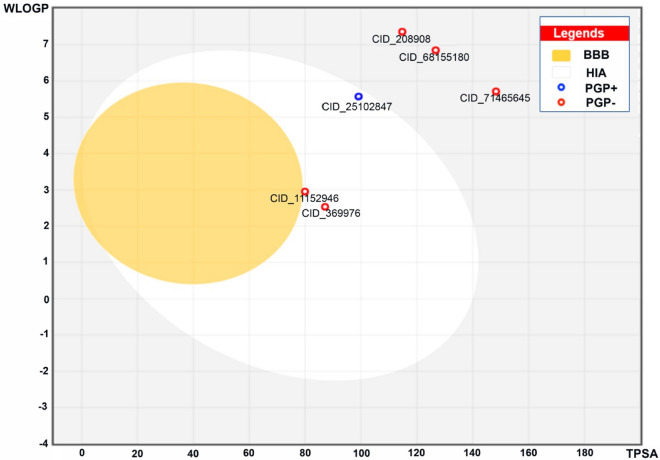 Figure 11
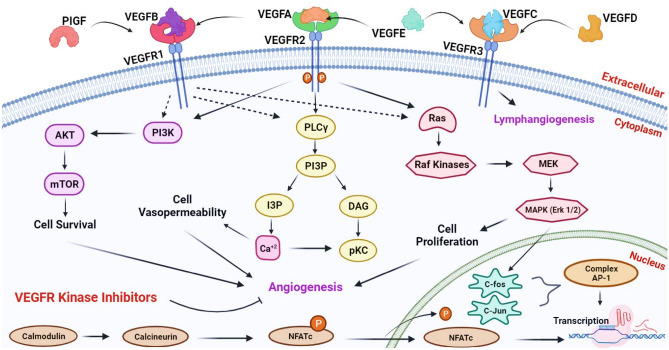 Figure 1
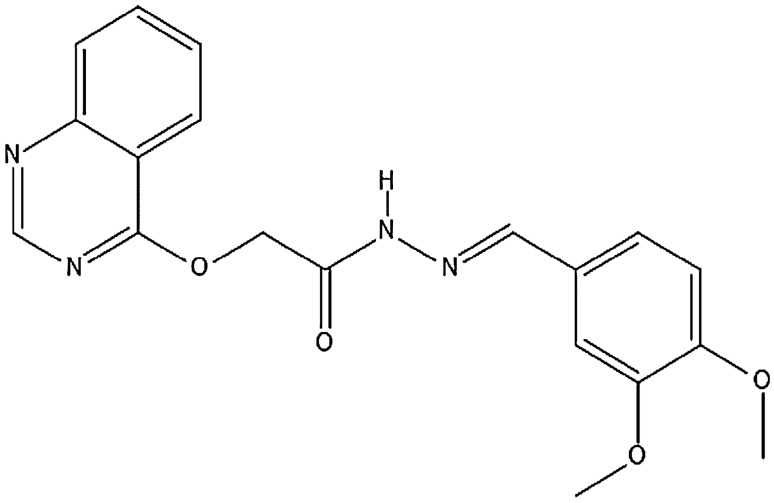 Figure 2
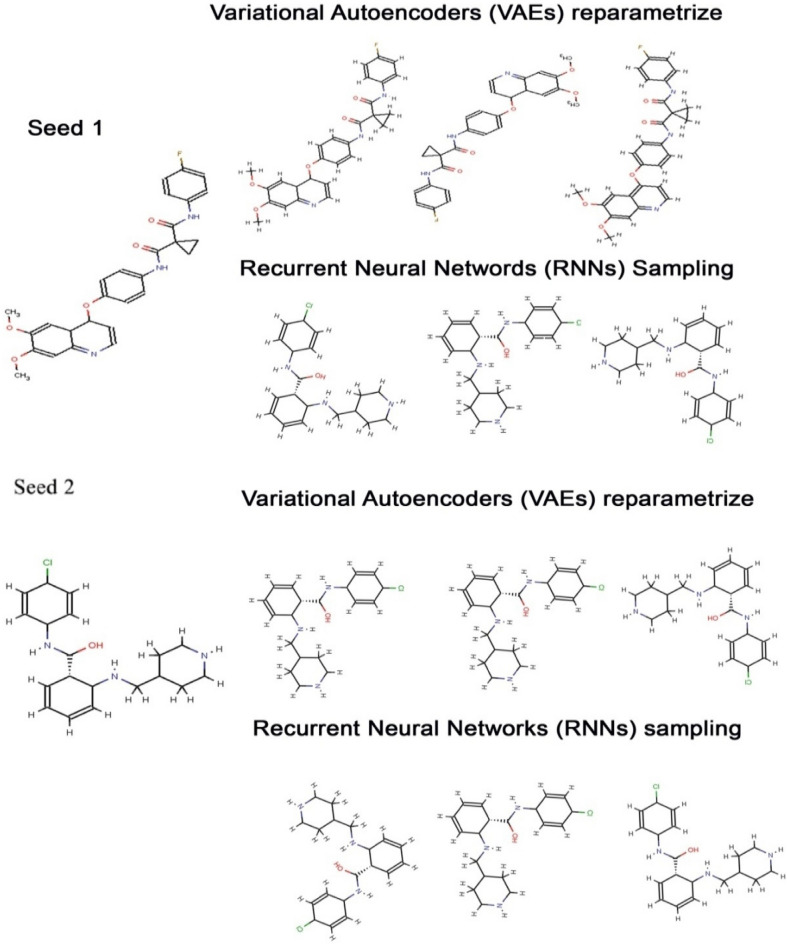 Figure 3
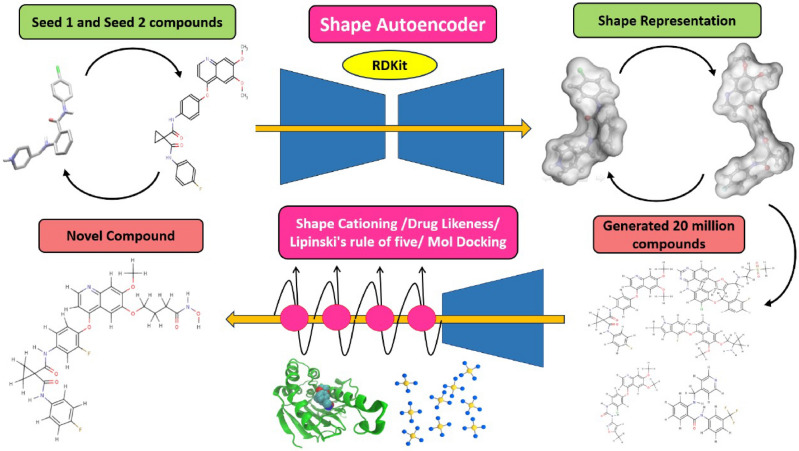 Figure 4
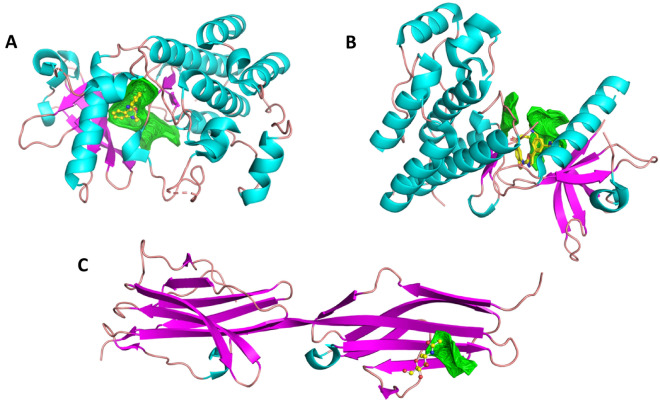 Figure 5
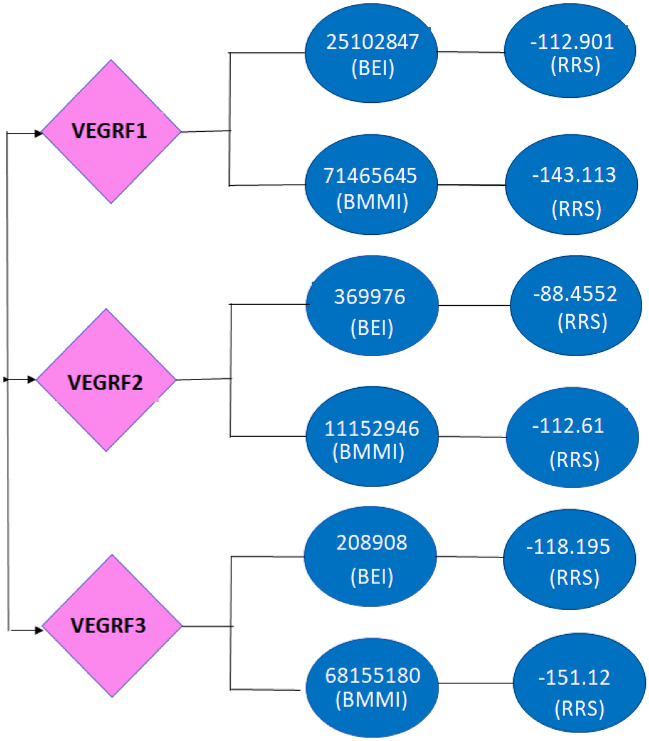 Figure 6
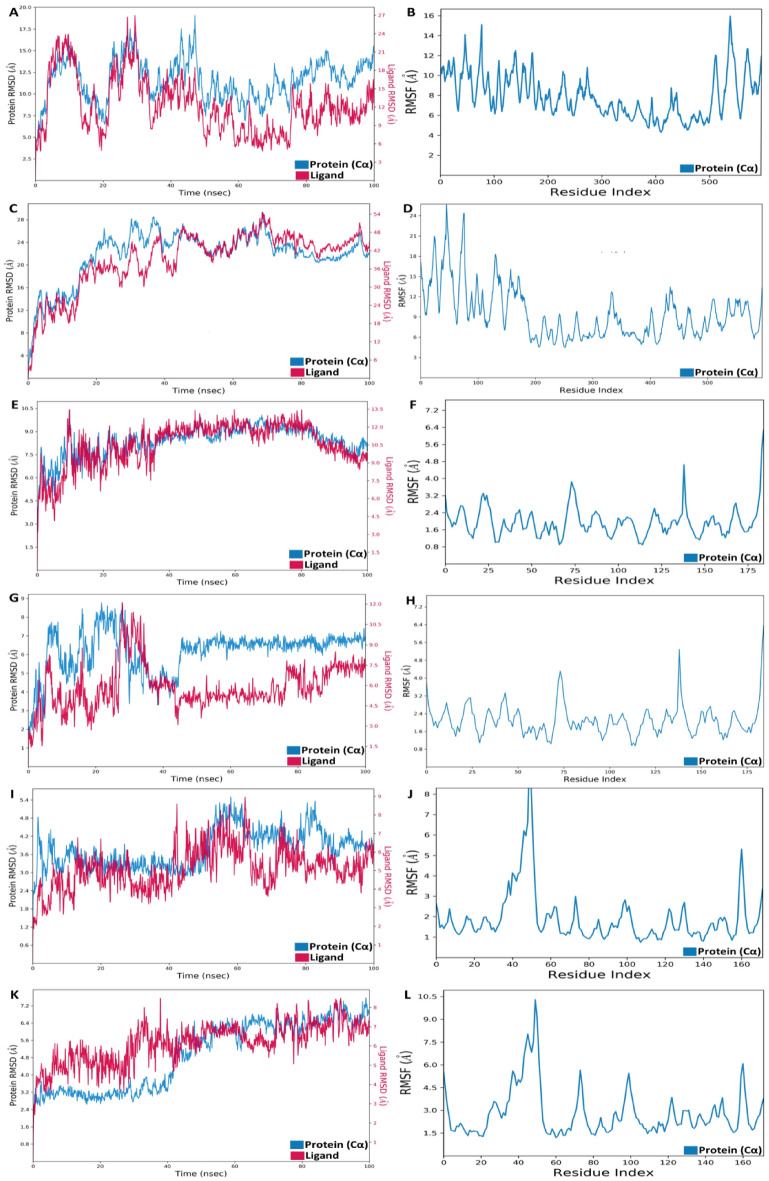 Figure 7
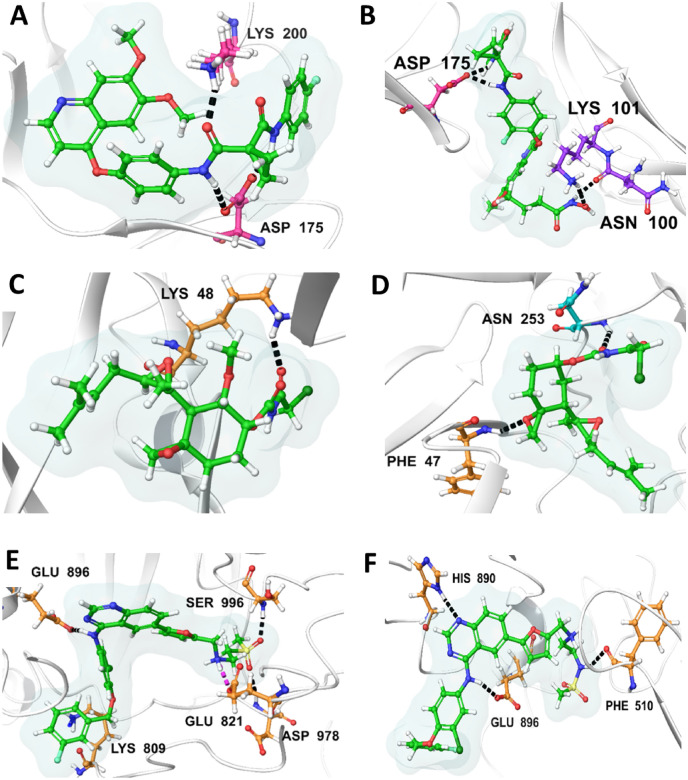 Figure 8
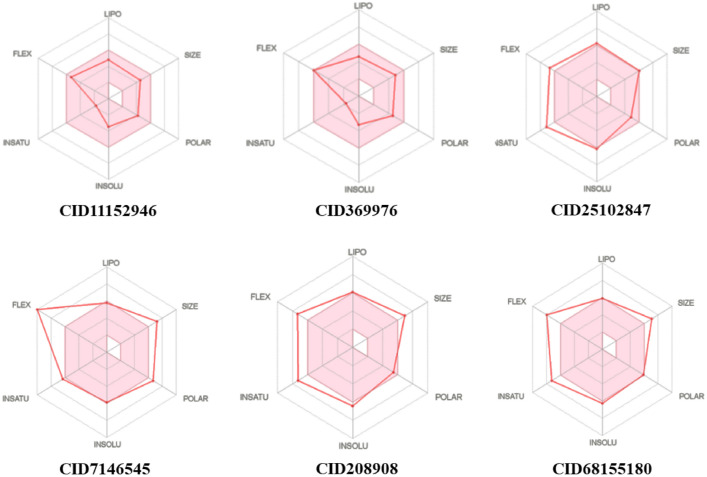 Figure 9
Peer Reviews
No public reviews on file for this paper yet. If you reviewed it on a platform where reviews are public (OpenReview, ICLR, NeurIPS, ICML), you can paste yours below so the community can read it here.
Videos
No videos yet. Explain this paper in a talk, walkthrough, or lecture? Add one.
Taxonomy
TopicsLymphatic System and Diseases · Chemokine receptors and signaling · Angiogenesis and VEGF in Cancer