Pituitary Adenoma Masquerading as Diabetic Third Nerve Palsy
Renu Magdum, Kalpita B Goli, Aparna Alapati, Aditya Ganesh, Sindhu Kilari

TL;DR
A diabetic woman presented with symptoms resembling third nerve palsy, but was later diagnosed with a pituitary adenoma causing vision issues.
Contribution
Highlights a rare case where a pituitary adenoma was misdiagnosed as diabetic third nerve palsy.
Findings
Bitemporal hemianopia was detected, indicating a pituitary adenoma rather than vasculogenic third nerve palsy.
CT scan confirmed the presence of a pituitary macroadenoma.
Trans-nasal endoscopic surgery led to partial recovery of vision.
Abstract
A 46-year-old uncontrolled diabetic female visited the ophthalmology outpatient department with a sudden onset of drooping of the upper lid and restriction of movements in adduction, depression, and elevation in the right eye, suggestive of third nerve palsy. Initially, it was thought to be due to a vasculogenic cause due to uncontrolled diabetes, but visual fields revealed bitemporal hemianopia, characteristic of a pituitary adenoma. The diagnosis was confirmed by a CT scan. The patient then underwent a trans-nasal endoscopic removal of the pituitary macroadenoma, followed by a partial recovery of vision.
Genes, proteins, chemicals, diseases, species, mutations and cell lines named across the full text — each resolved to its canonical identifier and authoritative record.
Click any figure to enlarge with its caption.
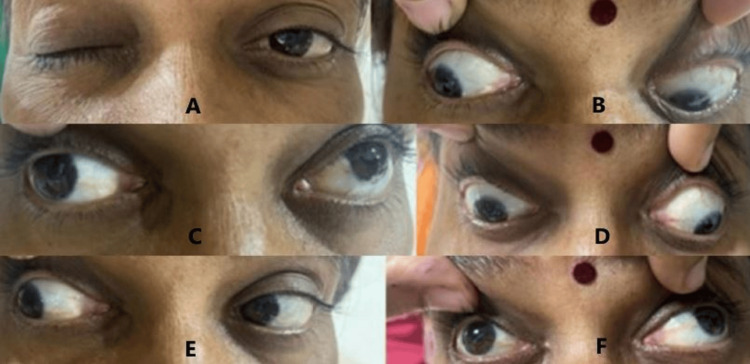 Figure 1
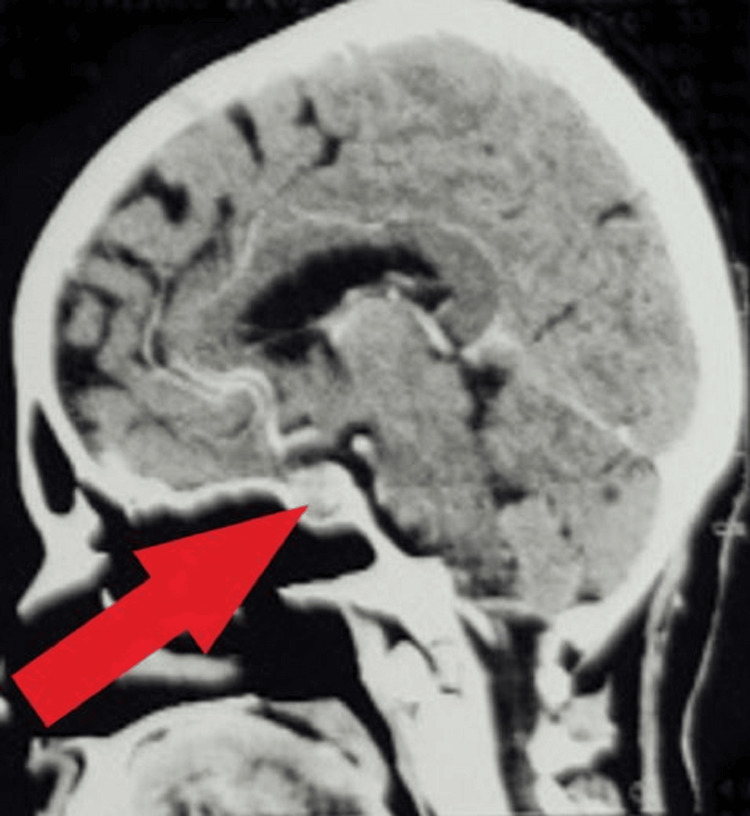 Figure 2
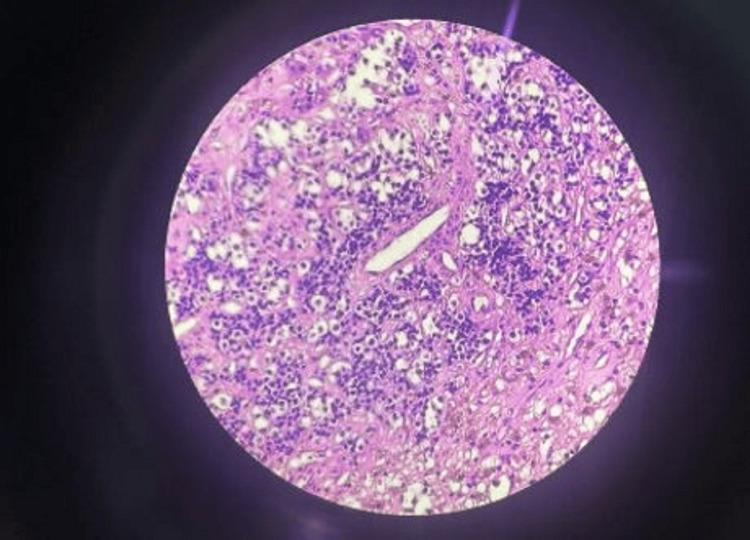 Figure 3
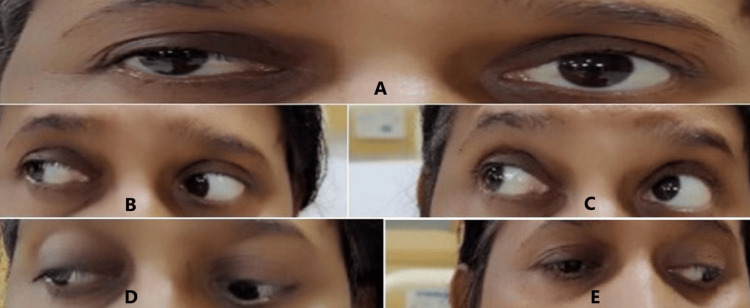 Figure 4
Peer Reviews
No public reviews on file for this paper yet. If you reviewed it on a platform where reviews are public (OpenReview, ICLR, NeurIPS, ICML), you can paste yours below so the community can read it here.
Videos
No videos yet. Explain this paper in a talk, walkthrough, or lecture? Add one.
Taxonomy
TopicsPituitary Gland Disorders and Treatments · Ophthalmology and Eye Disorders · Neurofibromatosis and Schwannoma Cases