Deletion variants calling in third-generation sequencing data based on a dual-attention mechanism
Han Wang, Chang Li, Xinyu Yu, Jingyang Gao

TL;DR
This paper introduces DASV, a new method for identifying deletion variants in genomic data using a dual-attention mechanism, which improves accuracy compared to existing tools.
Contribution
DASV introduces a dual-attention mechanism and multi-scale network for more accurate deletion variant calling in third-generation sequencing data.
Findings
DASV achieves a better balance between precision and recall compared to existing tools.
The method improves the F1 score across various genomic datasets.
Gene alignment data is effectively converted into images for improved variant detection.
Abstract
Deletion is a crucial type of genomic structural variation and is associated with numerous genetic diseases. The advent of third-generation sequencing technology has facilitated the analysis of complex genomic structures and the elucidation of the mechanisms underlying phenotypic changes and disease onset due to genomic variants. Importantly, it has introduced innovative perspectives for deletion variants calling. Here we propose a method named Dual Attention Structural Variation (DASV) to analyze deletion structural variations in sequencing data. DASV converts gene alignment information into images and integrates them with genomic sequencing data through a dual attention mechanism. Subsequently, it employs a multi-scale network to precisely identify deletion regions. Compared with four widely used genome structural variation calling tools: cuteSV, SVIM, Sniffles and PBSV, the results…
Genes, proteins, chemicals, diseases, species, mutations and cell lines named across the full text — each resolved to its canonical identifier and authoritative record.
Click any figure to enlarge with its caption.
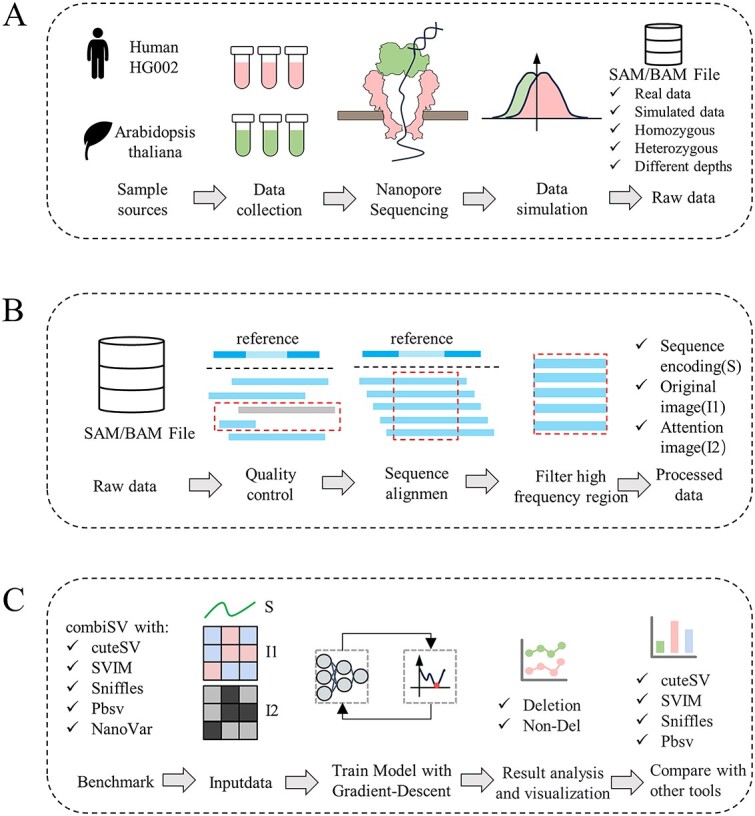 Figure 1
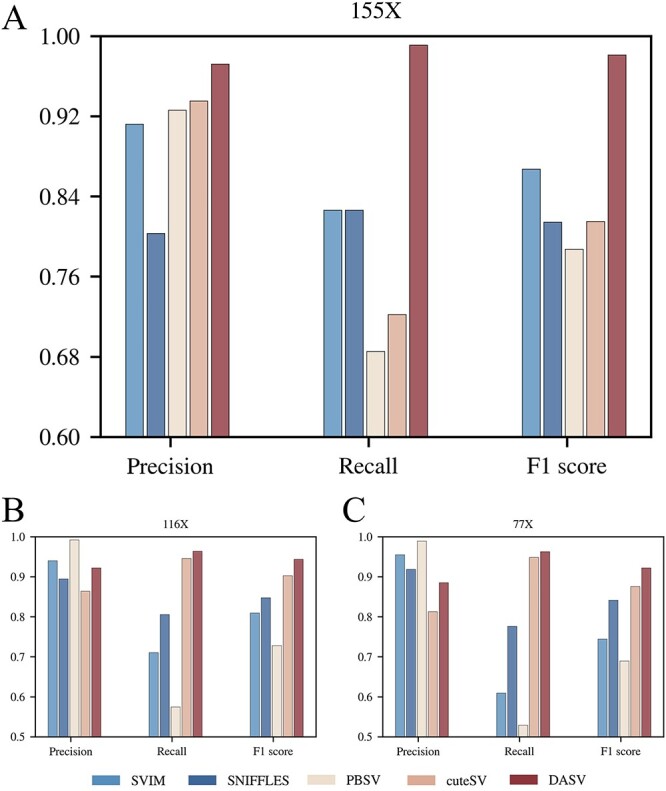 Figure 2
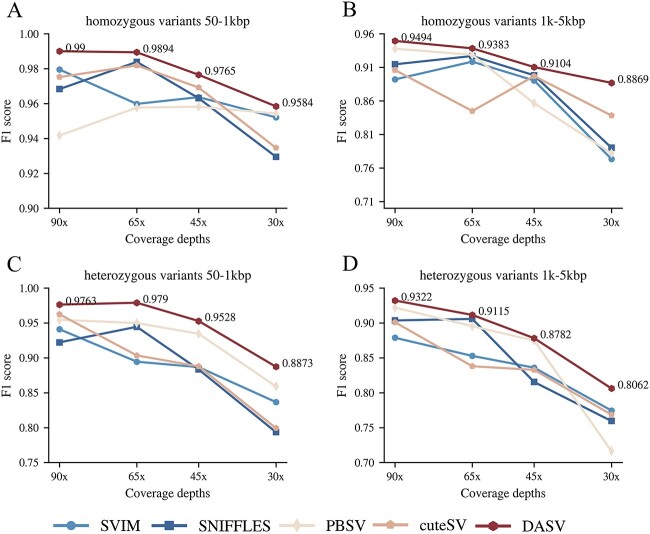 Figure 3
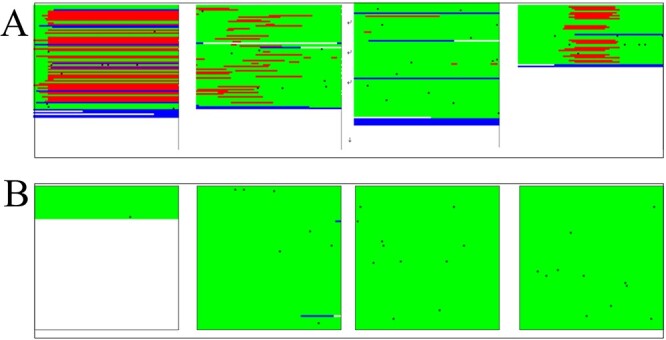 Figure 4
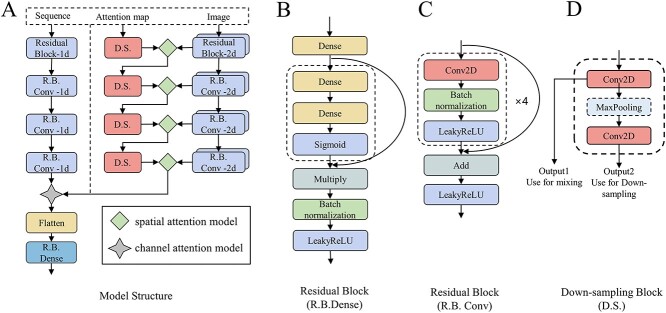 Figure 5
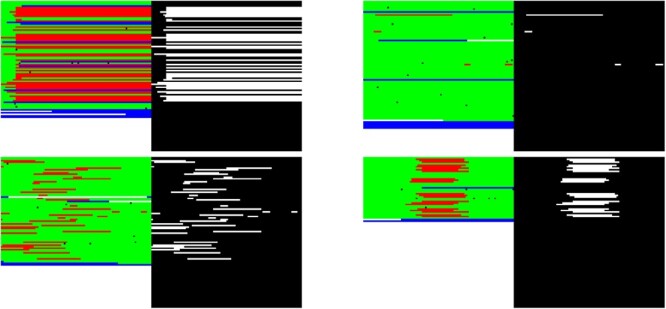 Figure 6
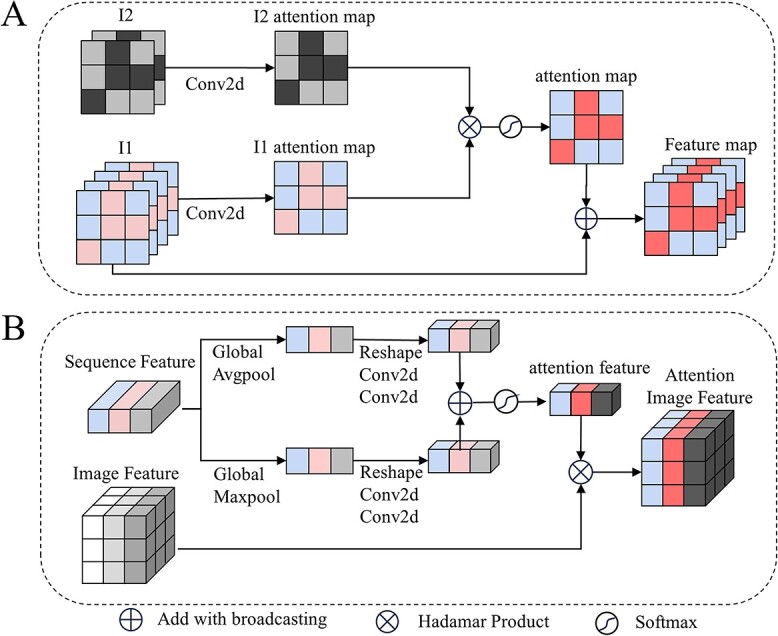 Figure 7
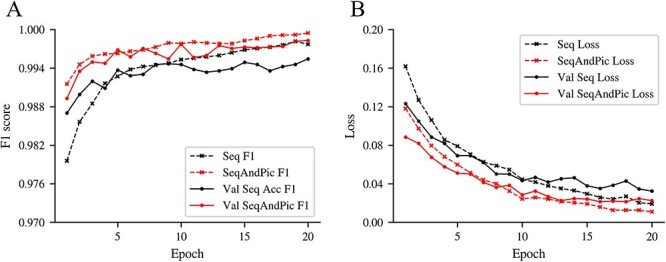 Figure 8
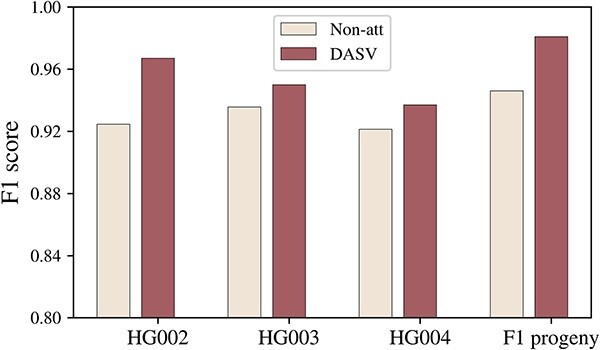 Figure 9
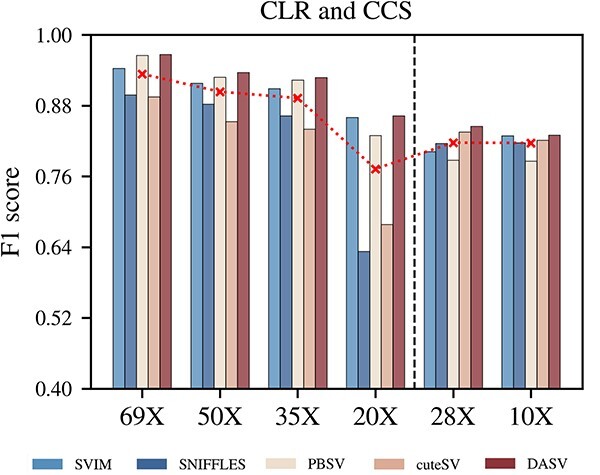 Figure 10
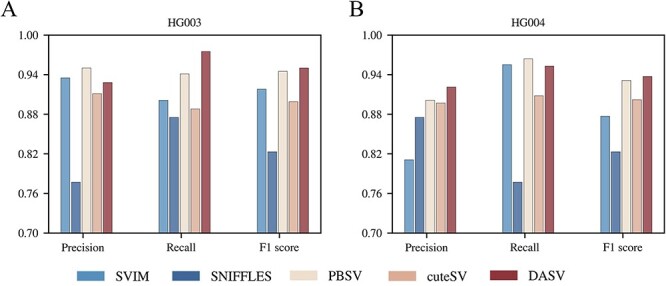 Figure 11
Peer Reviews
No public reviews on file for this paper yet. If you reviewed it on a platform where reviews are public (OpenReview, ICLR, NeurIPS, ICML), you can paste yours below so the community can read it here.
Videos
No videos yet. Explain this paper in a talk, walkthrough, or lecture? Add one.
Taxonomy
TopicsGenomics and Phylogenetic Studies · Genomic variations and chromosomal abnormalities · Genomics and Rare Diseases