The Role of Extracorporeal Cardiopulmonary Resuscitation in Pediatric Intraoperative Cardiac Arrest
Carolina Salgueirinho, André Correia, Inês Graça, Raquel Oliveira, José Dias

TL;DR
This paper describes a successful use of ECPR during a rare pediatric cardiac arrest during surgery, highlighting its life-saving potential.
Contribution
The paper presents a case report demonstrating the effectiveness of intraoperative ECPR in a pediatric patient.
Findings
The patient recovered fully without neurological damage after ECPR.
Prompt ECMO team activation and multidisciplinary coordination were critical for success.
The case highlights ECPR's potential in refractory pediatric cardiac arrest.
Abstract
Refractory pediatric intraoperative cardiac arrest is a rare but challenging situation for the anesthesiologist. This case describes an intraoperative extracorporeal cardiopulmonary resuscitation (ECPR) in a 16-year-old male who suffered a sudden cardiac arrest during elective thoracolumbar stabilization. The patient recovered to his pre-operative baseline without any neurological sequela secondary to cardiac arrest. Good quality of conventional resuscitation measures, prompt activation of the extracorporeal membrane oxygenation (ECMO) team, and a multidisciplinary coordinated approach were key factors in ECPR success. Despite the lack of robust evidence in pediatrics, case reports like ours outline the life-saving potential of intraoperative ECPR in refractory cardiac arrest scenarios.
Genes, proteins, chemicals, diseases, species, mutations and cell lines named across the full text — each resolved to its canonical identifier and authoritative record.
Click any figure to enlarge with its caption.
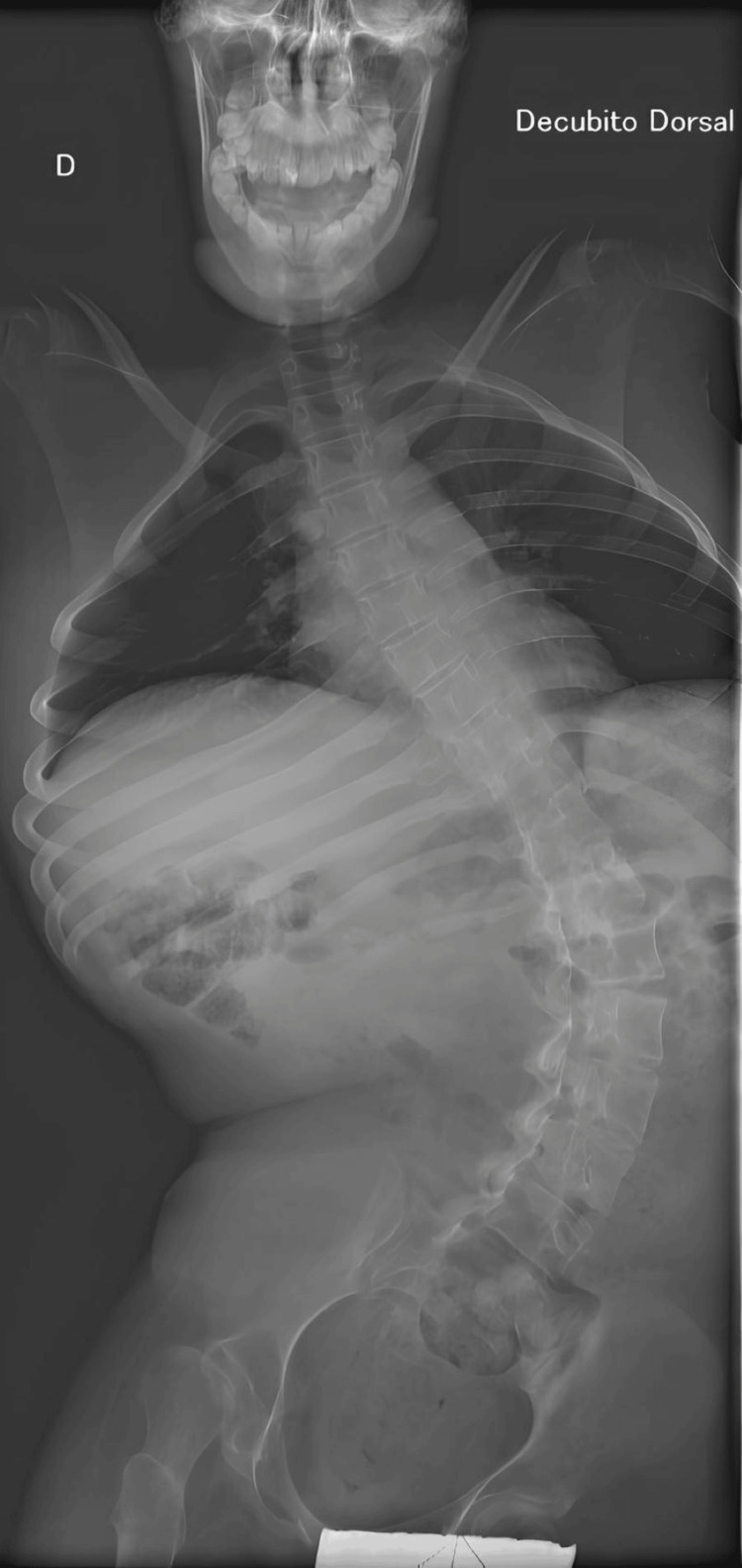 Figure 1
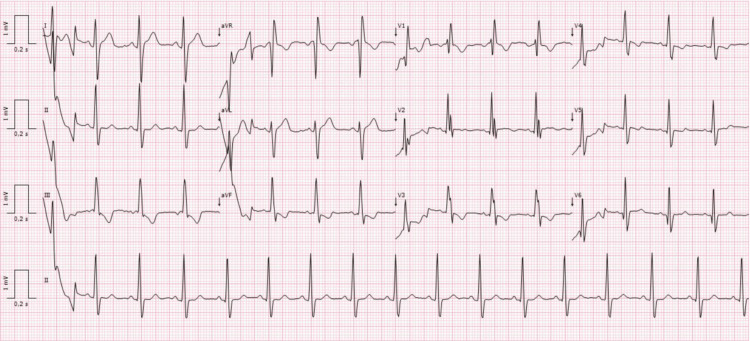 Figure 2
Peer Reviews
No public reviews on file for this paper yet. If you reviewed it on a platform where reviews are public (OpenReview, ICLR, NeurIPS, ICML), you can paste yours below so the community can read it here.
Videos
No videos yet. Explain this paper in a talk, walkthrough, or lecture? Add one.
Taxonomy
TopicsCardiac Arrest and Resuscitation · Mechanical Circulatory Support Devices · Cardiac Structural Anomalies and Repair