Dentistry and Bioterrorism: A Legitimate Threat
Supreet Kaur, Chandrika Karwasra, Shreya Poduval, Nityanand Shetty, Prachi Gholap, Prasad Mhaske

TL;DR
This paper discusses how dentistry can help detect and respond to bioterrorism threats by identifying oral signs of biological agents.
Contribution
Highlights the unique role of dentistry in bioterrorism response through oral and dental manifestations of biological agents.
Findings
Dentists can identify oral signs of biological agents used in bioterrorism.
Collaborative efforts among healthcare professionals are essential for mitigating bioterrorism impacts.
Training and surveillance systems are critical for effective bioterrorism response.
Abstract
Bioterrorism involves the deliberate release of harmful biological agents, such as bacteria and viruses, aimed at causing mass casualties within a population. Often referred to as "poor man’s nuclear weapons," chemical and biological weapons pose a significant threat due to their potential for mass destruction. Detecting and preventing bioterrorist attacks is challenging, making them one of the most feared scenarios. Dentistry plays a crucial role in responding to bioterrorism and other catastrophic events, leveraging its personnel and facilities effectively. This paper explores the signs and symptoms of biological agents used in mass destruction, as well as the oral and dental manifestations of both naturally occurring and bioengineered infectious agents. Furthermore, the article stresses the importance of countermeasures against bioterrorism, including deterrence, prevention,…
Genes, proteins, chemicals, diseases, species, mutations and cell lines named across the full text — each resolved to its canonical identifier and authoritative record.
Click any figure to enlarge with its caption.
 Figure 1
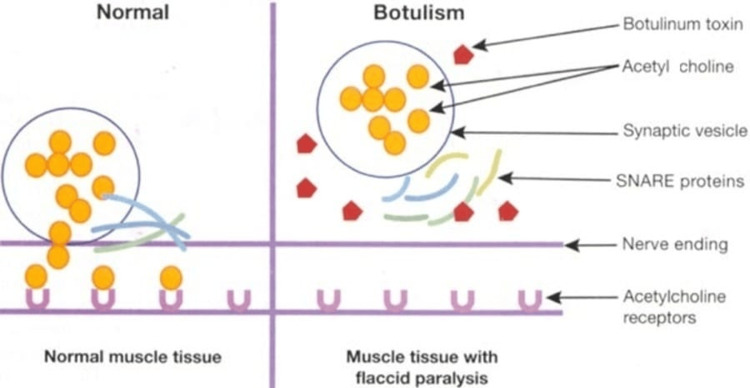 Figure 2
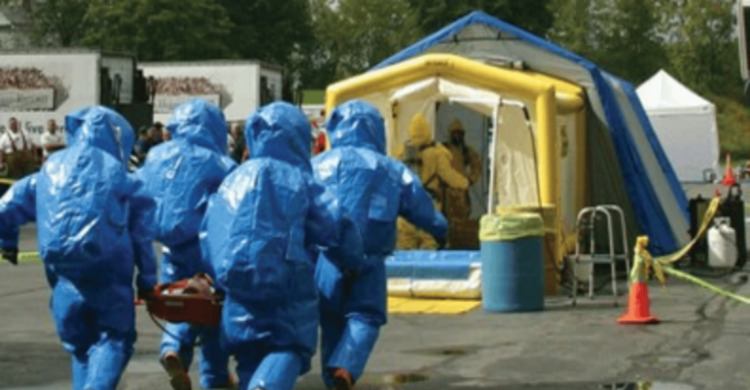 Figure 3
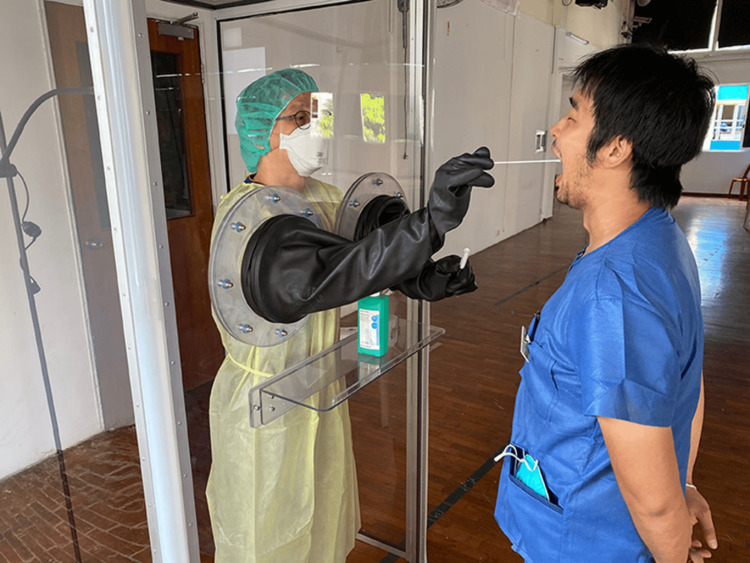 Figure 4
Peer Reviews
No public reviews on file for this paper yet. If you reviewed it on a platform where reviews are public (OpenReview, ICLR, NeurIPS, ICML), you can paste yours below so the community can read it here.
Videos
No videos yet. Explain this paper in a talk, walkthrough, or lecture? Add one.
Taxonomy
TopicsBacillus and Francisella bacterial research · Yersinia bacterium, plague, ectoparasites research · Zoonotic diseases and public health