Synovial Sarcoma of the Submaxillary Salivary Gland: A Rare Location and Challenging Diagnosis
Nassira Karich, Akkouh Nada, Anass Haloui, Noura Seghrouchni, Amal Bennani

TL;DR
Synovial sarcoma in the submaxillary salivary gland is rare and difficult to diagnose, requiring early detection and a team-based treatment approach for the best outcomes.
Contribution
This case highlights the rare occurrence of synovial sarcoma in the submaxillary gland and emphasizes the challenges in its diagnosis and treatment.
Findings
Synovial sarcoma in the submaxillary gland is uncommon and poses diagnostic difficulties.
Early diagnosis and a multidisciplinary approach are crucial for preventing recurrence and metastasis.
Establishing a universal treatment consensus is challenging due to the tumor's rare location.
Abstract
Synovial sarcoma is a high-grade sarcoma. The periarticular region, deep soft tissues, and the extremities are where it is most frequently found. The head and neck regions are rarely affected and salivary gland localization is rather rare, especially the submaxillary gland. The process of diagnosis and therapeutic management remains challenging, particularly in cases with uncommon tumor locations where the establishment of a universal therapeutic consensus is complicated. Early diagnosis and a multidisciplinary approach can lead to success without locoregional recurrence or distant metastases.
Genes, proteins, chemicals, diseases, species, mutations and cell lines named across the full text — each resolved to its canonical identifier and authoritative record.
Click any figure to enlarge with its caption.
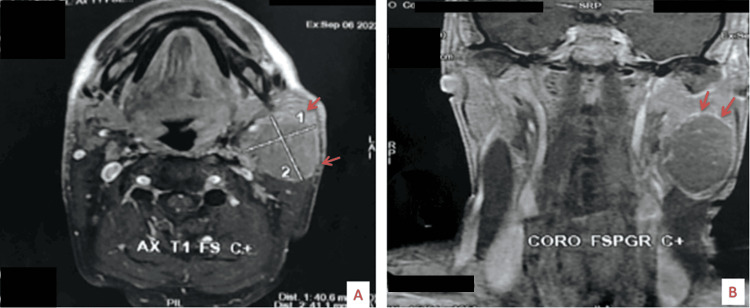 Figure 1
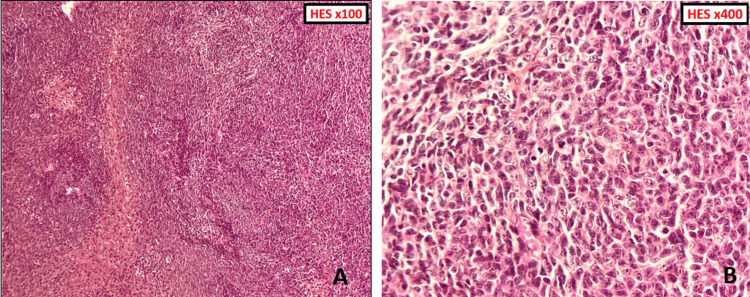 Figure 2
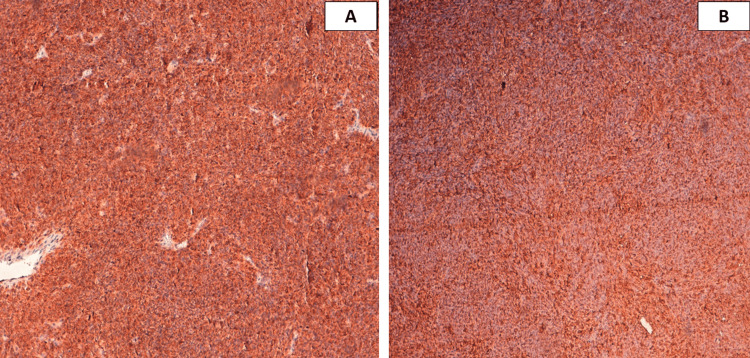 Figure 3
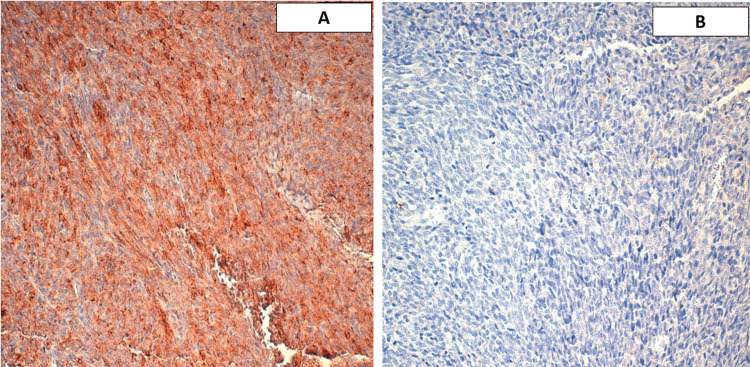 Figure 4
Peer Reviews
No public reviews on file for this paper yet. If you reviewed it on a platform where reviews are public (OpenReview, ICLR, NeurIPS, ICML), you can paste yours below so the community can read it here.
Videos
No videos yet. Explain this paper in a talk, walkthrough, or lecture? Add one.
Taxonomy
TopicsSarcoma Diagnosis and Treatment · Cardiac tumors and thrombi · Vascular Tumors and Angiosarcomas