An ecological assessment of decision-making under risk and ambiguity through the virtual serious game Kalliste Decision Task
Francisco Molins, José-Antonio Gil-Gómez, Miguel Ángel Serrano, Patricia Mesa-Gresa

TL;DR
The Kalliste Decision Task is a new, user-friendly tool that better captures the complexity of real-world decision-making compared to traditional methods.
Contribution
Introduces Kalliste Decision Task as an ecologically valid, comprehensive method for assessing decision-making under risk and ambiguity.
Findings
KDT showed high usability and user satisfaction according to the USEQ scores.
KDT outcomes correlated with traditional measures of risk attitudes and decision-making performance.
Hierarchical clustering identified three distinct decision-making profiles among participants.
Abstract
Traditional methods for evaluating decision-making provide valuable insights yet may fall short in capturing the complexity of this cognitive capacity, often providing insufficient for the multifaceted nature of decisions. The Kalliste Decision Task (KDT) is introduced as a comprehensive, ecologically valid tool aimed at bridging this gap, offering a holistic perspective on decision-making. In our study, 81 participants completed KDT alongside established tasks and questionnaires, including the Mixed Gamble Task (MGT), Iowa Gambling Task (IGT), and Stimulating & Instrumental Risk Questionnaire (S&IRQ). They also completed the User Satisfaction Evaluation Questionnaire (USEQ). The results showed excellent usability, with high USEQ scores, highlighting the user-friendliness of KDT. Importantly, KDT outcomes showed significant correlations with classical decision-making variables, shedding…
Genes, proteins, chemicals, diseases, species, mutations and cell lines named across the full text — each resolved to its canonical identifier and authoritative record.
Click any figure to enlarge with its caption.
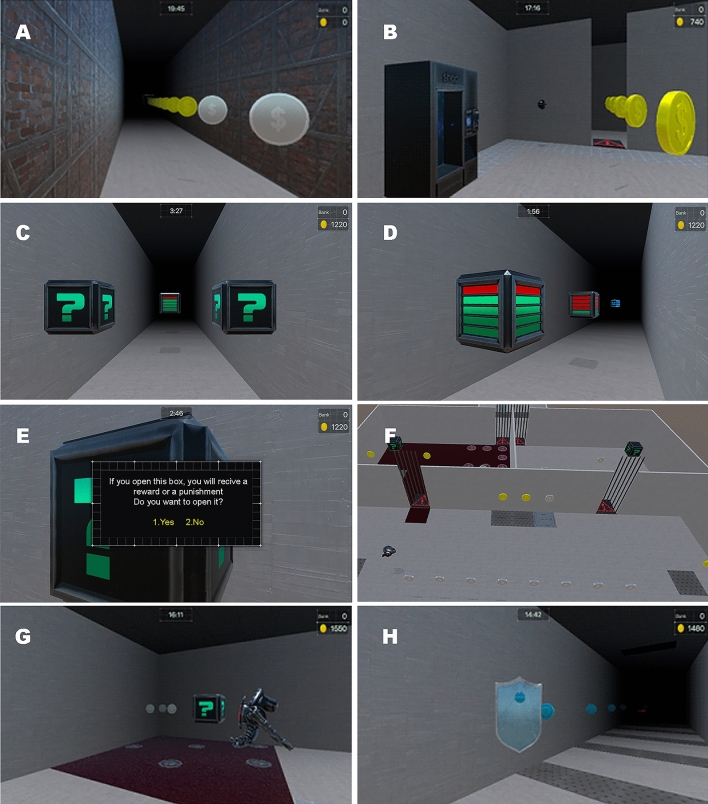 Figure 1
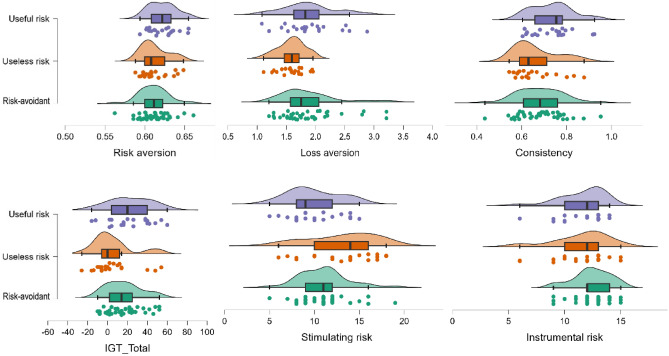 Figure 2
Peer Reviews
No public reviews on file for this paper yet. If you reviewed it on a platform where reviews are public (OpenReview, ICLR, NeurIPS, ICML), you can paste yours below so the community can read it here.
Videos
No videos yet. Explain this paper in a talk, walkthrough, or lecture? Add one.
Taxonomy
TopicsDecision-Making and Behavioral Economics