Impact of viral telomeric repeat sequences on herpesvirus vector vaccine integration and persistence
Caroline Denesvre, Yu You, Sylvie Rémy, Tereza Vychodil, Katia Courvoisier, Zoltán Penzes, Luca D. Bertzbach, Ahmed Kheimar, Benedikt B. Kaufer

TL;DR
This study shows that telomeric repeats in the turkey herpesvirus genome help it integrate into host chromosomes, which is crucial for its long-term persistence and spread.
Contribution
The study reveals that telomeric repeat sequences in HVT are essential for genome integration, latency, and virus shedding in vivo.
Findings
HVT integrates into host telomeres, and this integration is severely impaired when telomeric repeats are removed.
HVT mutants lacking telomeric repeats show reduced viral load and impaired transport to feather follicles.
Telomeric repeats are crucial for establishing latency and reactivation of HVT in chickens.
Abstract
Marek’s disease virus (MDV) vaccines were the first vaccines that protected against cancer. The avirulent turkey herpesvirus (HVT) was widely employed and protected billions of chickens from a deadly MDV infection. It is also among the most common vaccine vectors providing protection against a plethora of pathogens. HVT establishes latency in T-cells, allowing the vaccine virus to persist in the host for life. Intriguingly, the HVT genome contains telomeric repeat arrays (TMRs) at both ends; however, their role in the HVT life cycle remains elusive. We have previously shown that similar TMRs in the MDV genome facilitate its integration into host telomeres, which ensures efficient maintenance of the virus genome during latency and tumorigenesis. In this study, we investigated the role of the TMRs in HVT genome integration, latency, and reactivation in vitro and in vivo. Additionally, we…
Genes, proteins, chemicals, diseases, species, mutations and cell lines named across the full text — each resolved to its canonical identifier and authoritative record.
Click any figure to enlarge with its caption.
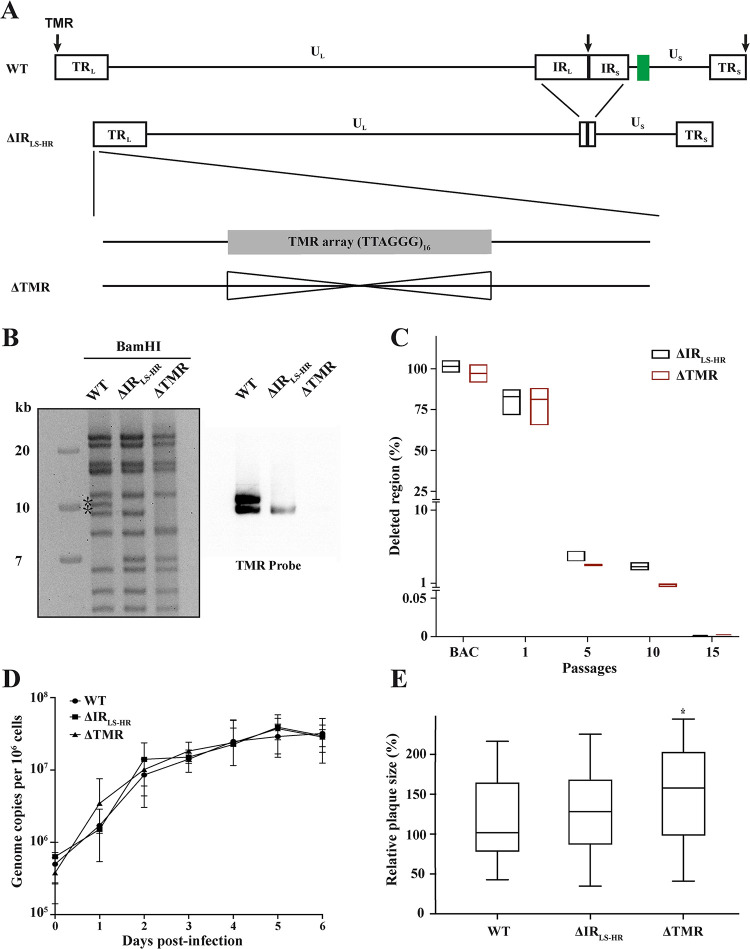 Figure 1
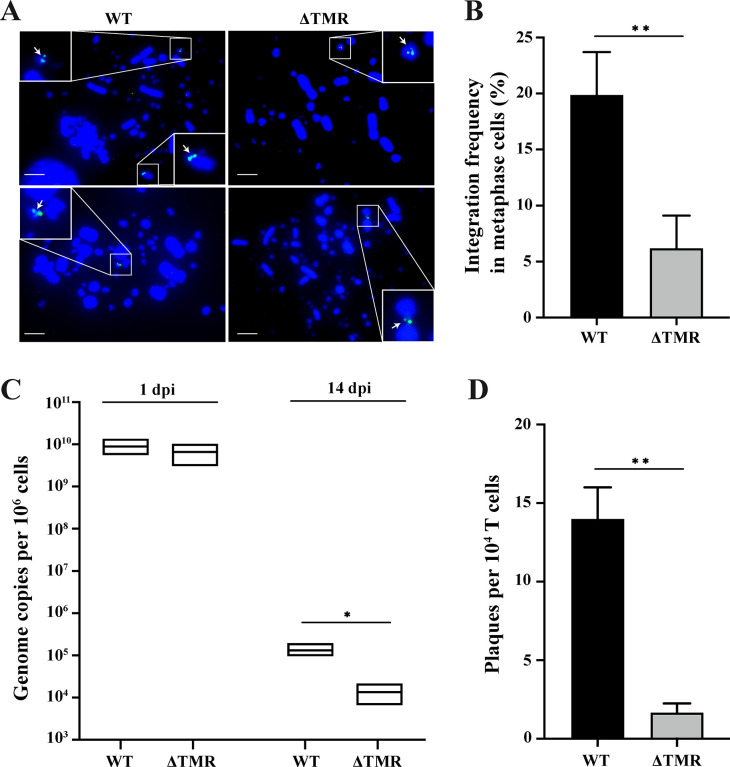 Figure 2
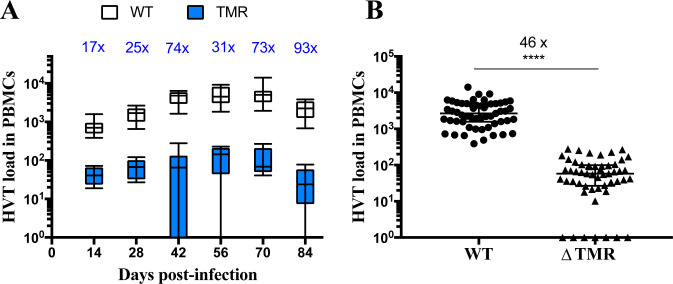 Figure 3
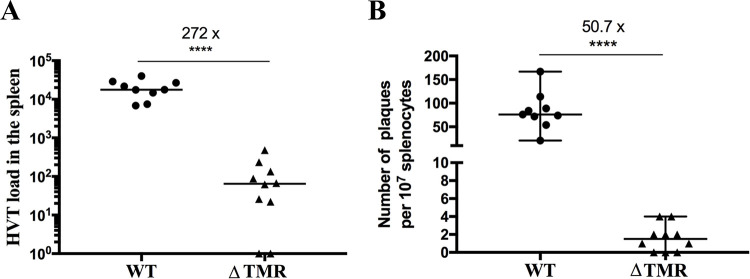 Figure 4
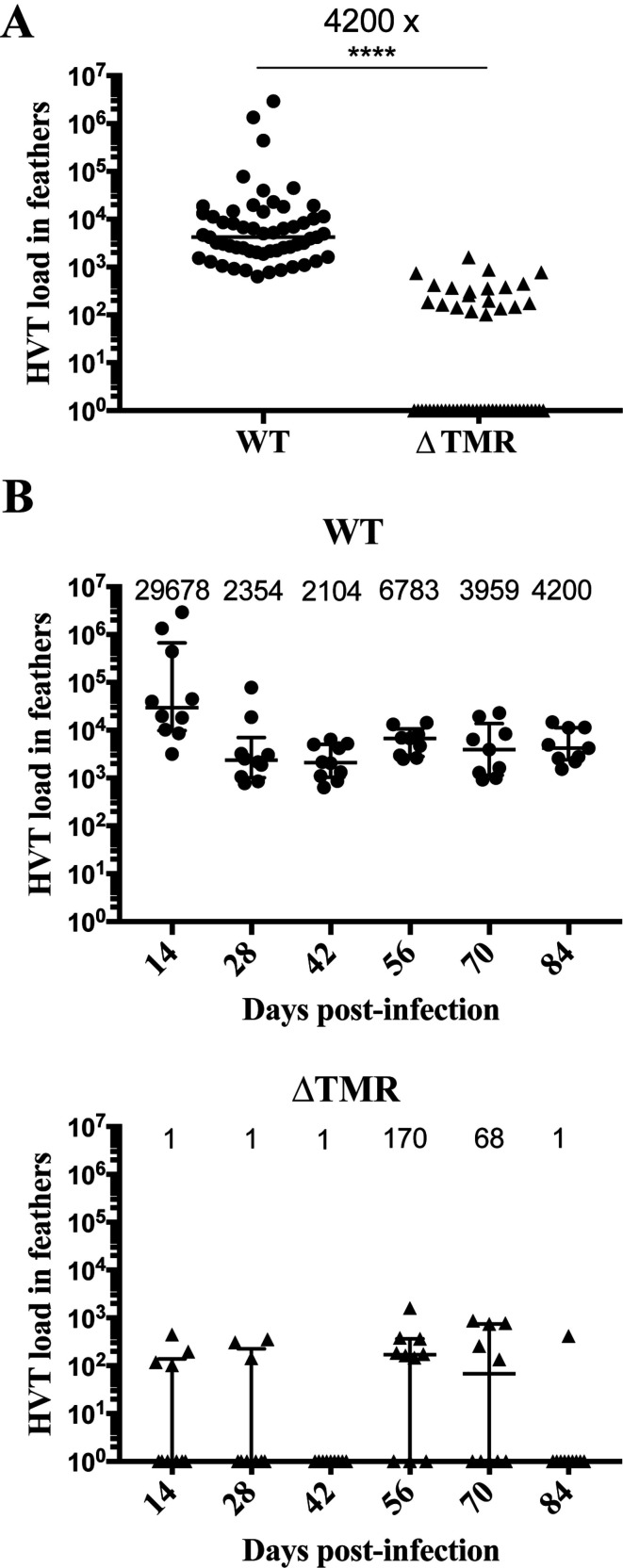 Figure 5
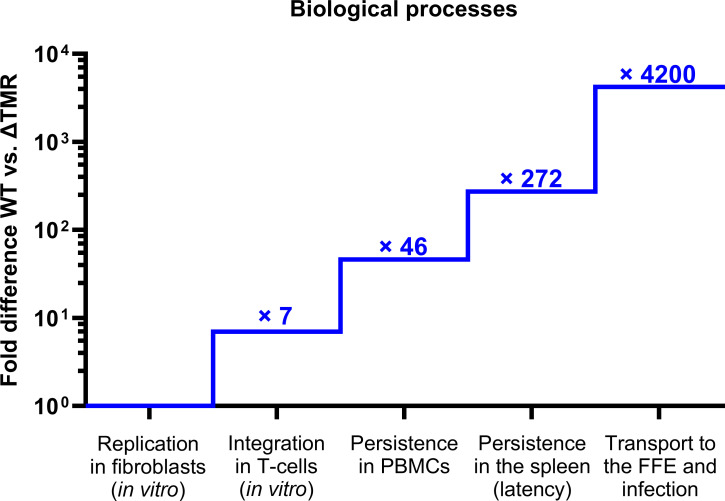 Figure 6
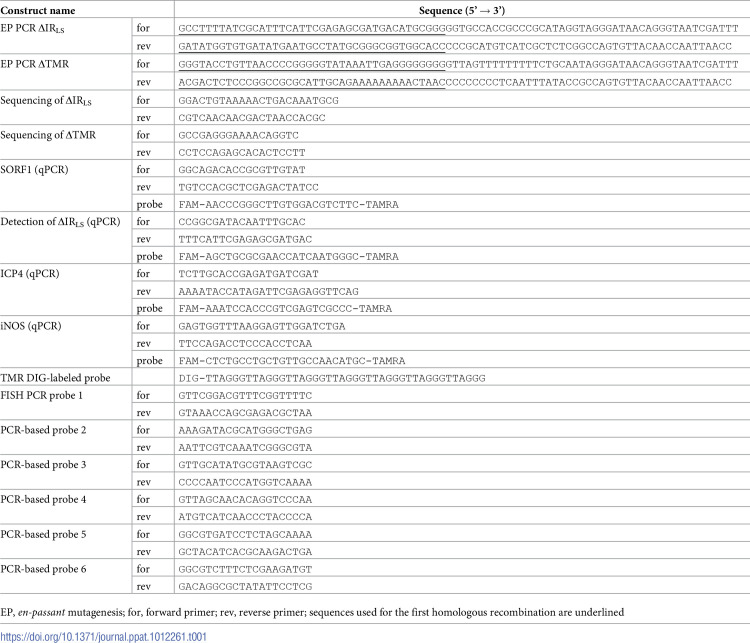 Figure 7
Peer Reviews
No public reviews on file for this paper yet. If you reviewed it on a platform where reviews are public (OpenReview, ICLR, NeurIPS, ICML), you can paste yours below so the community can read it here.
Videos
No videos yet. Explain this paper in a talk, walkthrough, or lecture? Add one.
Taxonomy
TopicsReligious and Theological Studies · Social Sciences and Policies · Cultural and Mythological Studies