Unraveling the impact of AXIN1 mutations on HCC development: Insights from CRISPR/Cas9 repaired AXIN1-mutant liver cancer cell lines
Ruyi Zhang, Shanshan Li, Kelly Schippers, Boaz Eimers, Jiahui Niu, Bastian V. H. Hornung, Mirjam C. G. N. van den Hout, Wilfred F. J. van Ijcken, Maikel P. Peppelenbosch, Ron Smits, Michael Klymkowsky, Michael Klymkowsky, Michael Klymkowsky

TL;DR
This study examines how repairing AXIN1 mutations in liver cancer cells affects cancer-related signaling and growth.
Contribution
The study uses CRISPR/Cas9 to repair AXIN1 mutations and investigates their impact on β-catenin signaling and cancer cell behavior.
Findings
AXIN1 repair reduced β-catenin signaling and cell viability in HCC cell lines.
Wnt3A exposure partially restored signaling but not growth, suggesting other mechanisms are involved.
RNA-sequencing showed no consistent gene/pathway changes beyond β-catenin targets.
Abstract
Hepatocellular carcinoma (HCC) is a highly aggressive liver cancer with significant morbidity and mortality rates. AXIN1 is one of the top-mutated genes in HCC, but the mechanism by which AXIN1 mutations contribute to HCC development remains unclear. In this study, we utilized CRISPR/Cas9 genome editing to repair AXIN1-truncated mutations in five HCC cell lines. For each cell line we successfully obtained 2–4 correctly repaired clones, which all show reduced β-catenin signaling accompanied with reduced cell viability and colony formation. Although exposure of repaired clones to Wnt3A-conditioned medium restored β-catenin signaling, it did not or only partially recover their growth characteristics, indicating the involvement of additional mechanisms. Through RNA-sequencing analysis, we explored the gene expression patterns associated with repaired AXIN1 clones. Except for some…
Genes, proteins, chemicals, diseases, species, mutations and cell lines named across the full text — each resolved to its canonical identifier and authoritative record.
Click any figure to enlarge with its caption.
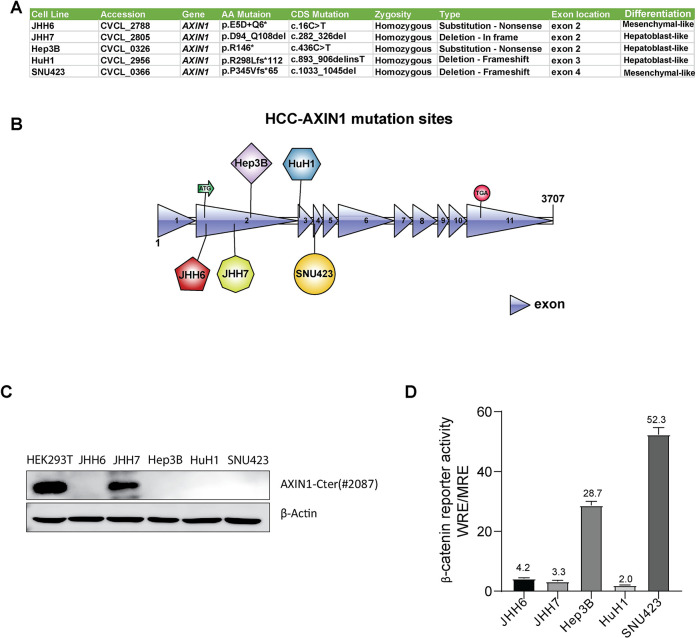 Figure 1
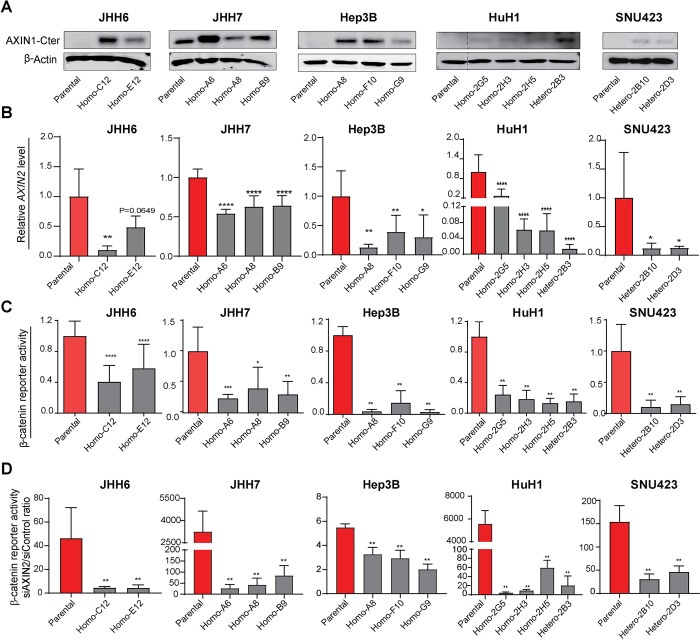 Figure 2
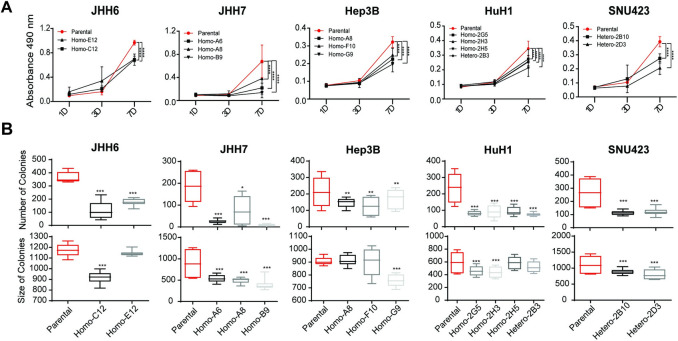 Figure 3
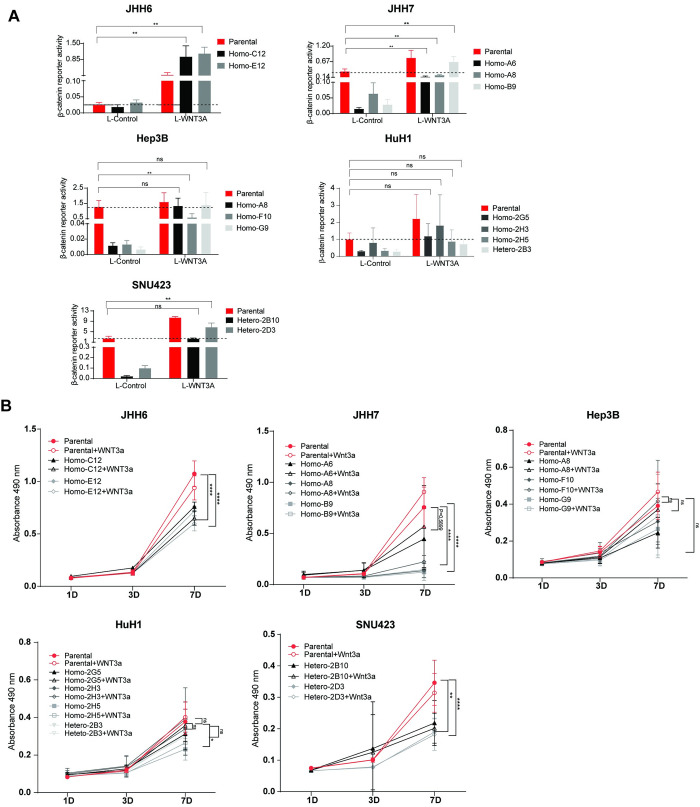 Figure 4
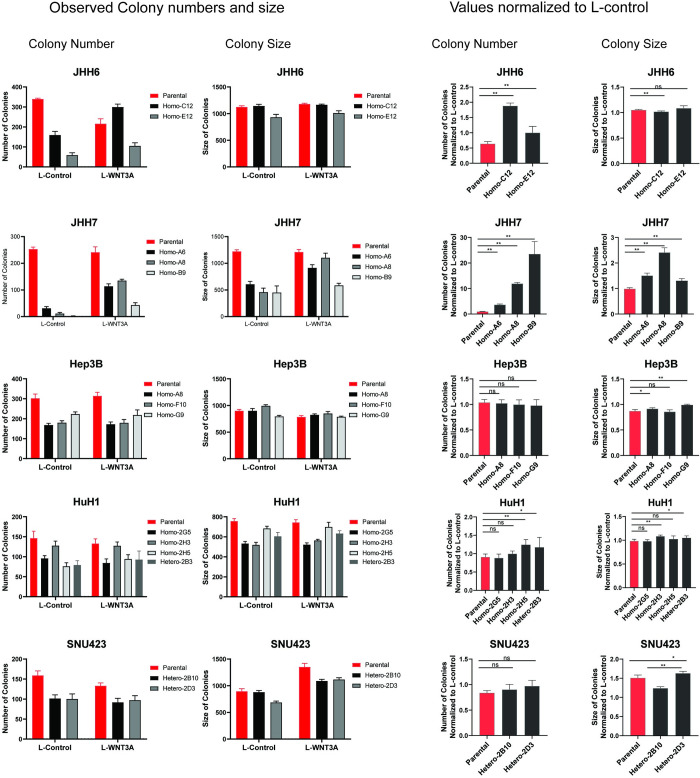 Figure 5
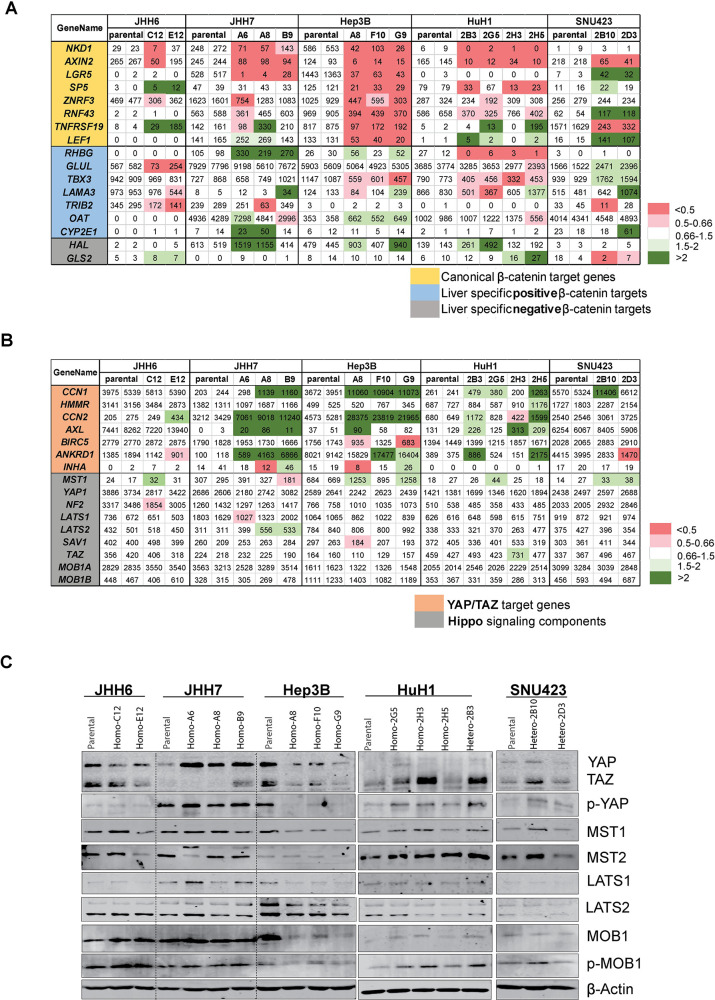 Figure 6
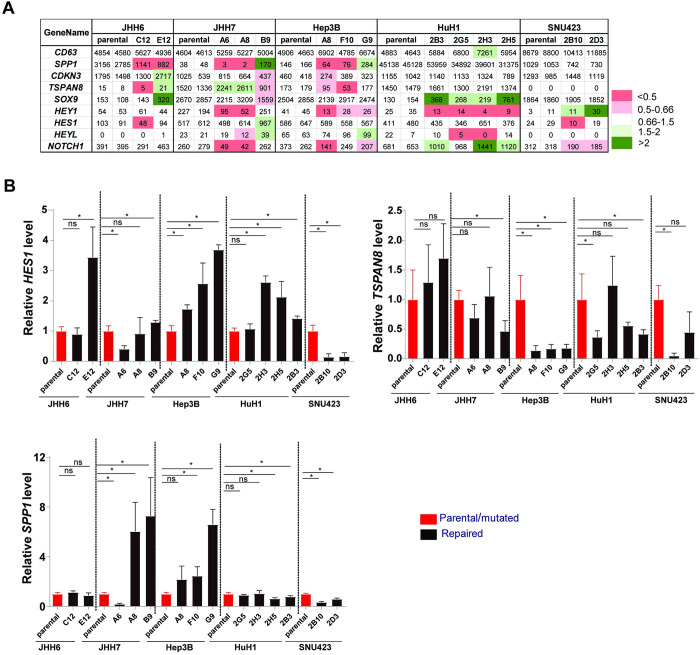 Figure 7
Peer Reviews
No public reviews on file for this paper yet. If you reviewed it on a platform where reviews are public (OpenReview, ICLR, NeurIPS, ICML), you can paste yours below so the community can read it here.
Videos
No videos yet. Explain this paper in a talk, walkthrough, or lecture? Add one.
Taxonomy
TopicsRobotics and Automated Systems · IoT and Edge/Fog Computing · COVID-19 diagnosis using AI