The association between circulating CD34+CD133+ endothelial progenitor cells and reduced risk of Alzheimer’s disease in the Framingham Heart Study
Yixuan Wang, Jinghan Huang, Ting Fang Alvin Ang, Yibo Zhu, Qiushan Tao, Jesse Mez, Michael Alosco, Gerald V. Denis, Anna Belkina, Ashita Gurnani, Mark Ross, Bin Gong, Jingyan Han, Kathryn L. Lunetta, Thor D. Stein, Rhoda Au, Lindsay A. Farrer, Xiaoling Zhang, Wei Qiao Qiu

TL;DR
This study finds that a specific type of blood cell is linked to a lower risk of Alzheimer's disease, especially in people with certain genetic traits and vascular issues.
Contribution
The study identifies CD34+CD133+ endothelial progenitor cells as a novel protective factor against Alzheimer’s disease.
Findings
CD34+CD133+ endothelial progenitor cells are dose-dependently associated with reduced Alzheimer’s disease risk.
The protective effect of CD34+CD133+ cells is significant in individuals with hypertension and cerebral microbleeds.
Genetic variants in KIRREL3 and EXOC6B genes modulate the association between CD34+CD133+ cells and Alzheimer’s risk.
Abstract
Endothelial dysfunction has been associated with both cerebrovascular pathology and Alzheimer’s disease (AD). However, the connection between circulating endothelial cells and the risk of AD remains uncertain. The objective was to leverage data from the Framingham Heart Study to investigate various circulating endothelial subtypes and their potential correlations with the risk of AD. The study conducted data analyses using Cox proportional hazard regression and linear regression methods. Additionally, genome-wide association study (GWAS) was carried out to further explore the data. Among the eleven distinct circulating endothelial subtypes, only circulating endothelial progenitor cells (EPCs) expressing CD34+CD133+ were found to be negatively and dose-dependently associated with reduced AD risk. This association persisted even after adjusting for age, sex, years of education,…
Genes, proteins, chemicals, diseases, species, mutations and cell lines named across the full text — each resolved to its canonical identifier and authoritative record.
Click any figure to enlarge with its caption.
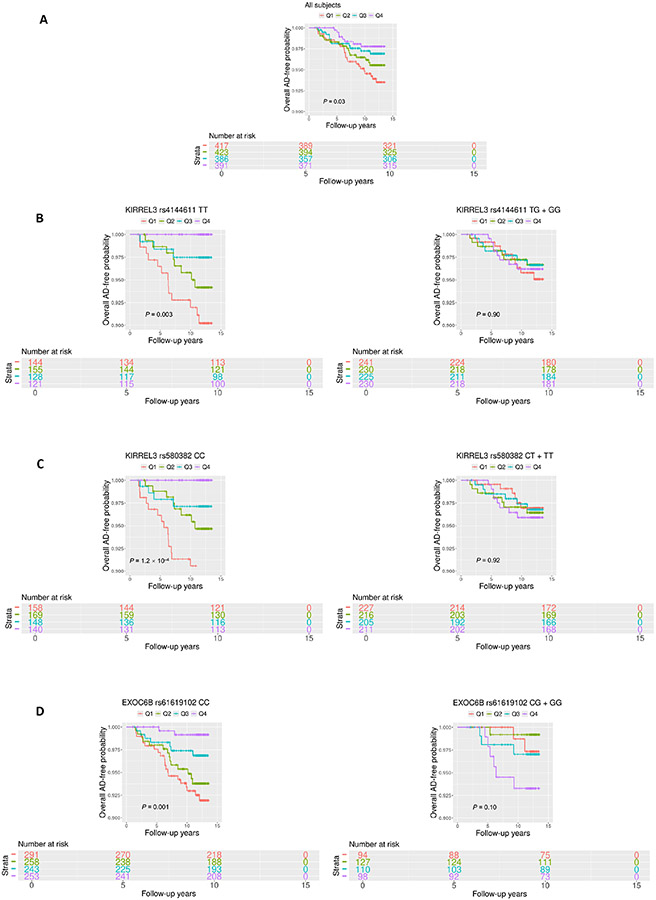 Figure 1
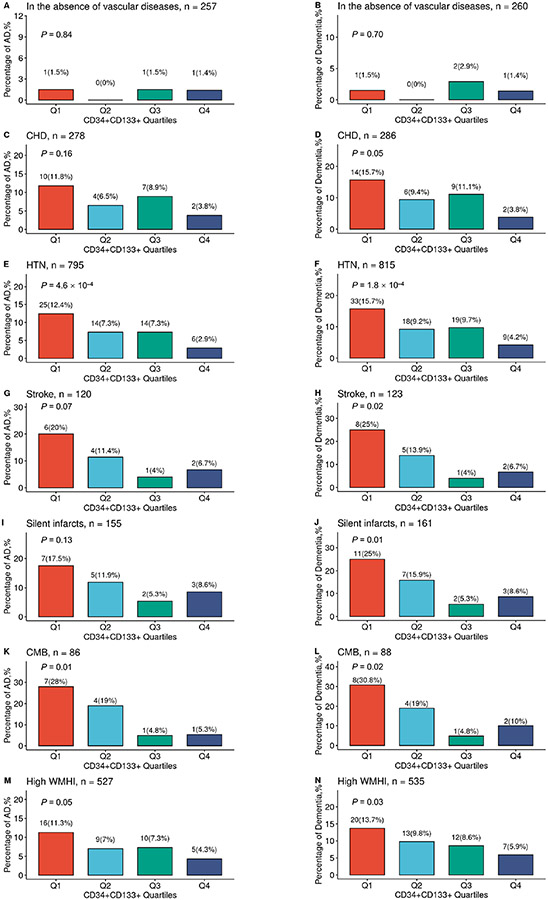 Figure 2
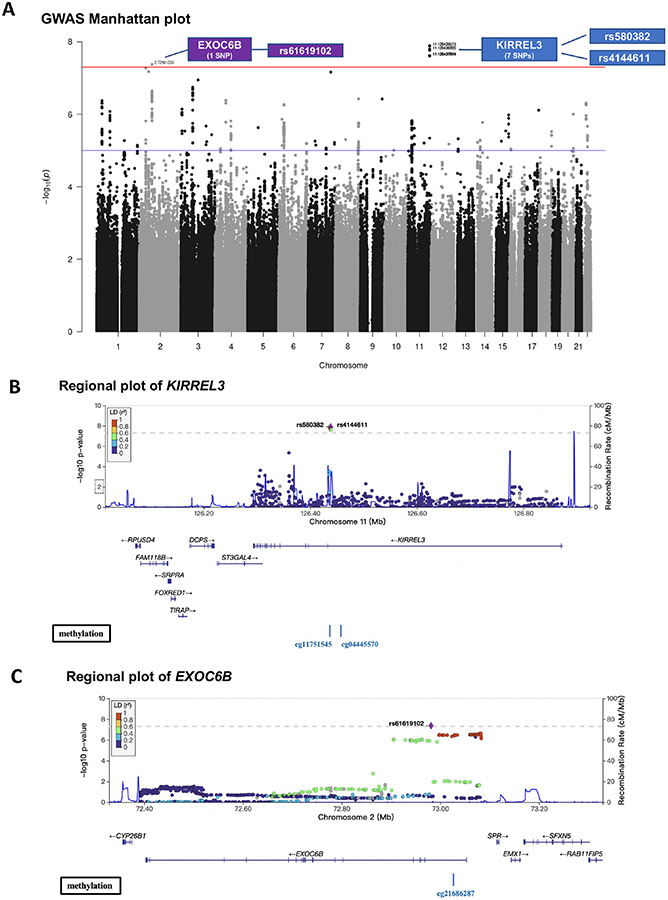 Figure 3
Peer Reviews
No public reviews on file for this paper yet. If you reviewed it on a platform where reviews are public (OpenReview, ICLR, NeurIPS, ICML), you can paste yours below so the community can read it here.
Videos
No videos yet. Explain this paper in a talk, walkthrough, or lecture? Add one.
Taxonomy
TopicsAngiogenesis and VEGF in Cancer · Immune cells in cancer · GDF15 and Related Biomarkers