Targeted TGF-βR2 Knockdown in the Retrotrapezoid Nucleus Mitigates Respiratory Dysfunction and Cognitive Decline in a Mouse Model of Cerebral Amyloid Angiopathy with and without Stroke
Ahmad El Hamamy, Zahid Iqbal, Ngoc Mai Le, Arya Ranjan, YuXing Zhang, Hung Wen Lin, Chunfeng Tan, Anthony Patrizz, Louise D. McCullough, Jun Li

TL;DR
This study shows that reducing TGF-βR2 in a brain region called RTN improves breathing and thinking in mice with a brain disease called CAA, with or without stroke.
Contribution
This is the first study to show a causal link between brainstem gliosis and respiratory and cognitive dysfunction in CAA and stroke models.
Findings
TGF-βR2 knockdown in the RTN improved respiratory and cognitive functions in CAA mice.
The same improvement was observed in CAA mice with concurrent stroke.
Reduced TGF-βR2 and GFAP expressions were confirmed in the RTN after knockdown.
Abstract
Cerebral amyloid angiopathy (CAA) is characterized by the deposition of amyloid-beta peptides within cerebral blood vessels, leading to neurovascular complications. Ischemic strokes result from acute disruptions in cerebral blood flow, triggering metabolic disturbances and neurodegeneration. Both conditions often co-occur and are associated with respiratory dysfunctions. The retrotrapezoid nucleus (RTN), which is crucial for CO2 sensing and breathing regulation in the brainstem, may play a key role in breathing disorders seen in these conditions. This study aims to investigate the role of Transforming Growth Factor Beta (TGF-β) signaling in the RTN on respiratory and cognitive functions in CAA, both with and without concurrent ischemic stroke. Adult male Tg-SwDI (CAA model) mice and C57BL/6 wild-type controls underwent stereotaxic injections of lentivirus targeting TGF-β2R2 in the RTN.…
Genes, proteins, chemicals, diseases, species, mutations and cell lines named across the full text — each resolved to its canonical identifier and authoritative record.
Click any figure to enlarge with its caption.
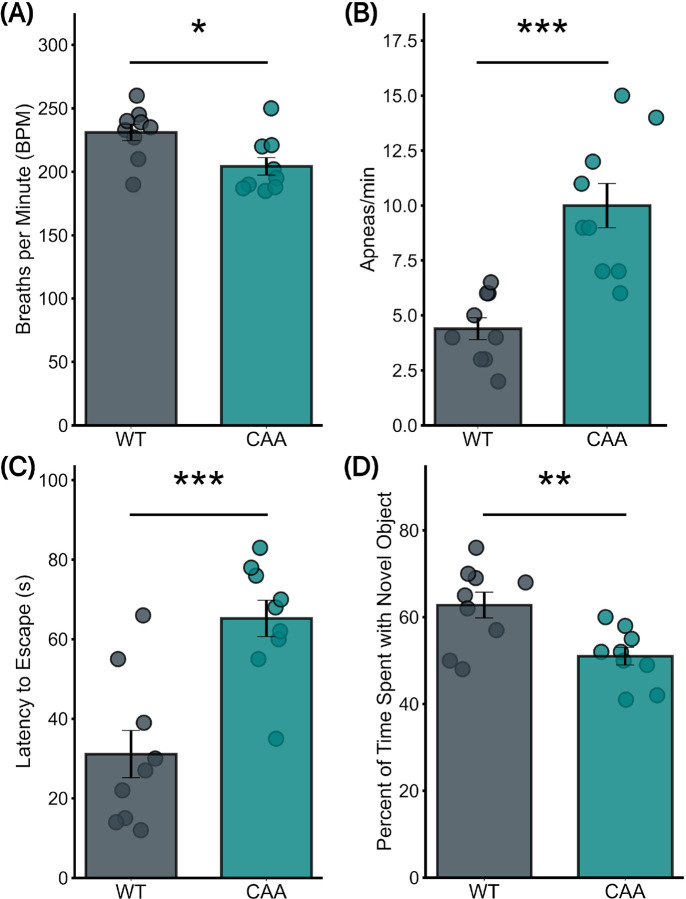 Figure 1
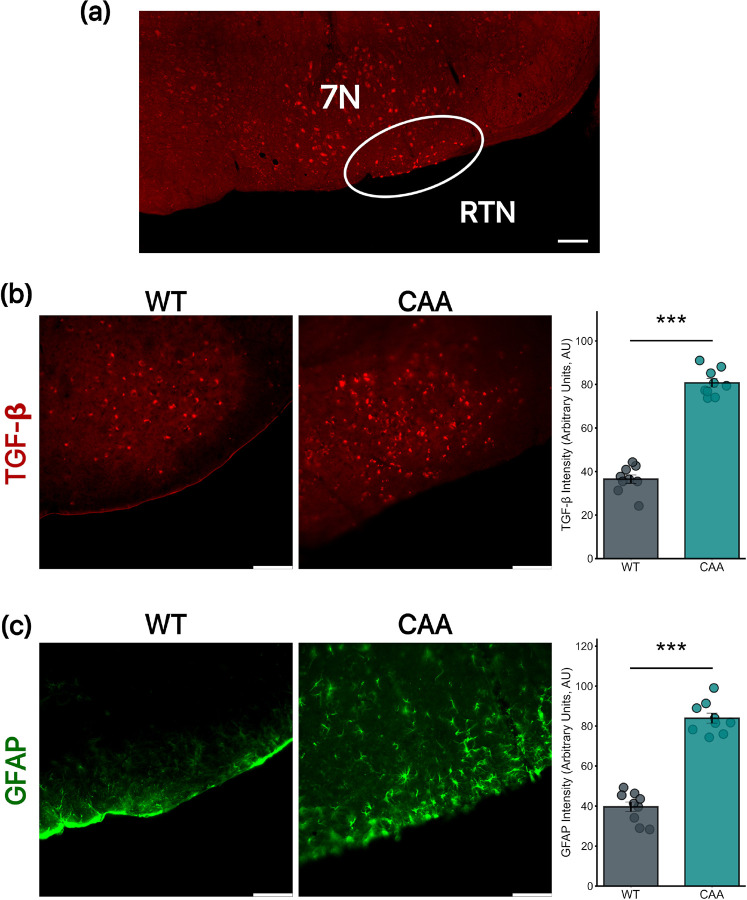 Figure 2
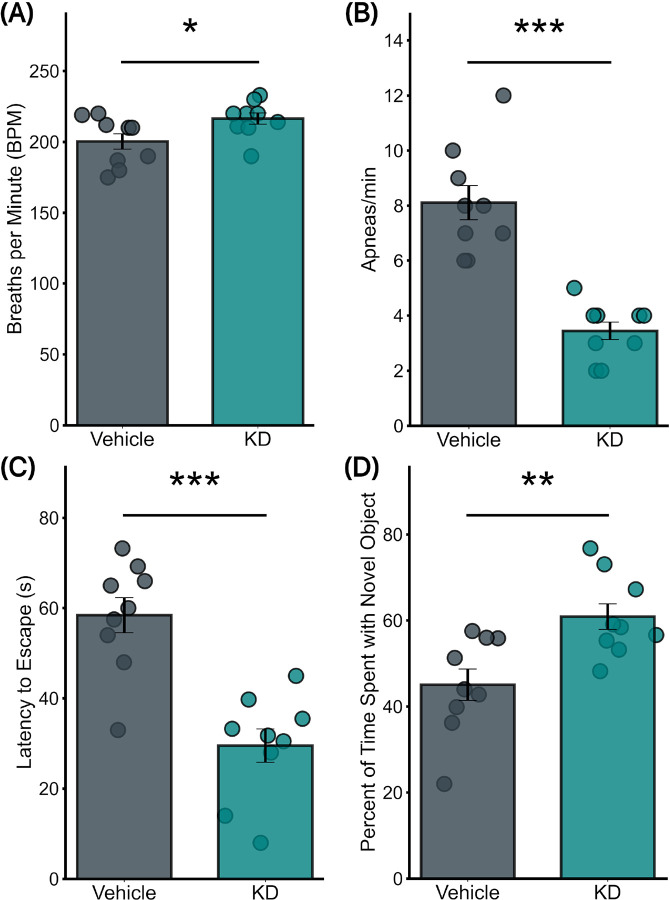 Figure 3
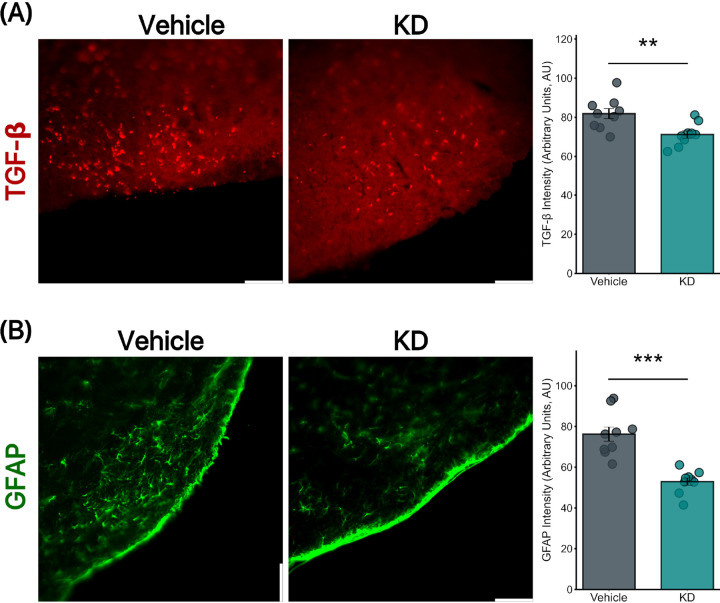 Figure 4
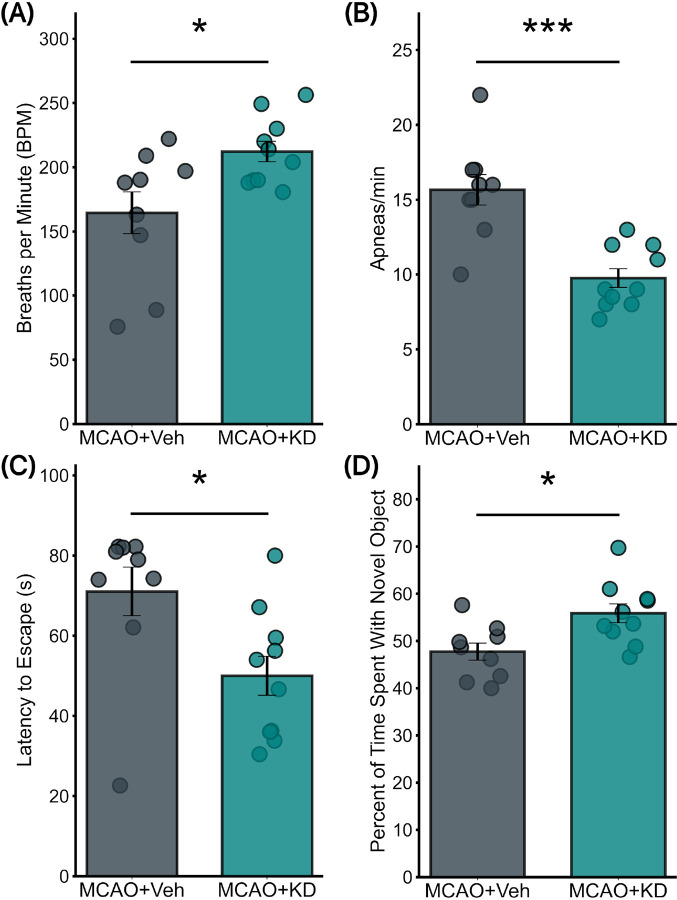 Figure 5
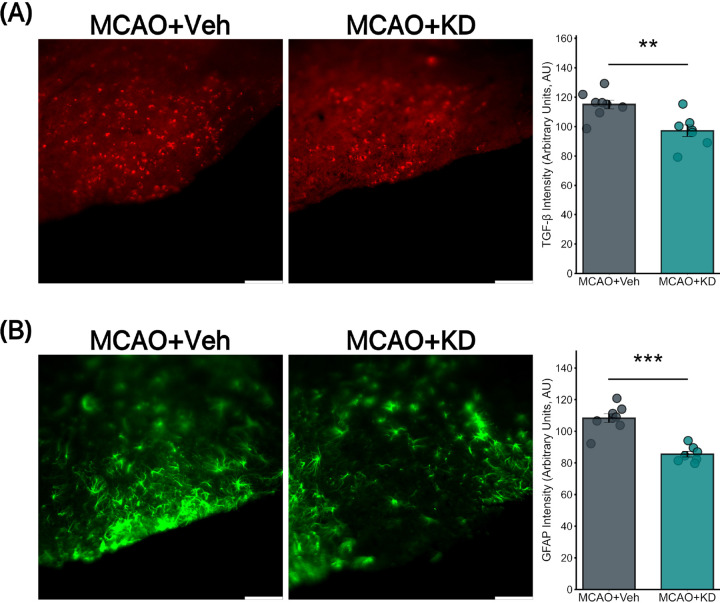 Figure 6
Peer Reviews
No public reviews on file for this paper yet. If you reviewed it on a platform where reviews are public (OpenReview, ICLR, NeurIPS, ICML), you can paste yours below so the community can read it here.
Videos
No videos yet. Explain this paper in a talk, walkthrough, or lecture? Add one.
Taxonomy
TopicsIntracerebral and Subarachnoid Hemorrhage Research · Alzheimer's disease research and treatments · Neurological Disease Mechanisms and Treatments