Vaginal microbes alter epithelial transcriptome and induce epigenomic modifications providing insight into mechanisms for susceptibility to adverse reproductive outcomes
Michal Elovitz, Lauren Anton, Ana Cristancho, Briana Ferguson, Andrea Joseph, Jacques Ravel

TL;DR
This study shows how different vaginal microbes affect the genetic and epigenetic activity of cervical and vaginal cells, influencing reproductive health outcomes.
Contribution
The study reveals specific molecular pathways altered by Gardnerella vaginalis and Lactobacillus crispatus in cervical epithelial cells.
Findings
Gardnerella vaginalis activates inflammasome pathways and increases caspase-1 and IL-1β in epithelial cells.
Lactobacillus crispatus supernatants reduce chromatin accessibility in cervical epithelial cells.
Host-microbe interactions in the reproductive tract may offer therapeutic strategies for improving reproductive health.
Abstract
The cervicovaginal microbiome is highly associated with women’s health, with microbial communities dominated by Lactobacillus species considered optimal. Conversely, a lack of lactobacilli and a high abundance of strict and facultative anaerobes, including Gardnerella vaginalis, have been associated with adverse reproductive outcomes. However, how host-microbial interactions alter specific molecular pathways and impact cervical and vaginal epithelial function remains unclear. Using RNA-sequencing, we characterized the in vitro cervicovaginal epithelial transcriptional response to different vaginal bacteria and their culture supernatants. We showed that G. vaginalis upregulates genes associated with an activated innate immune response. Unexpectedly, G. vaginalis specifically induced inflammasome pathways through activation of NLRP3-mediated increases in caspase-1, IL-1β and cell death,…
Genes, proteins, chemicals, diseases, species, mutations and cell lines named across the full text — each resolved to its canonical identifier and authoritative record.
Click any figure to enlarge with its caption.
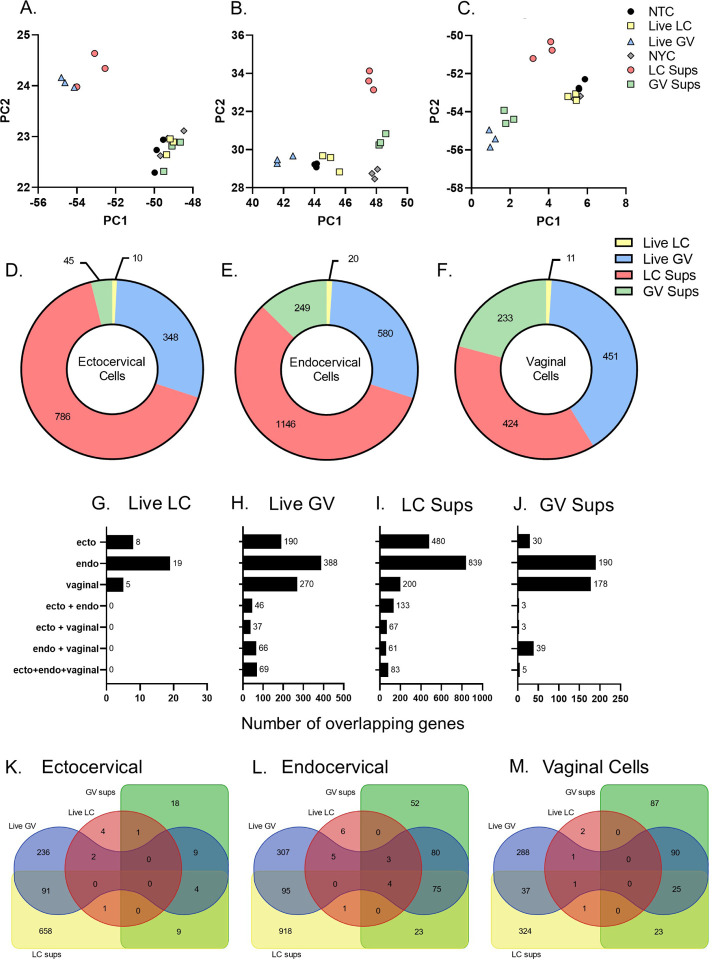 Figure 1
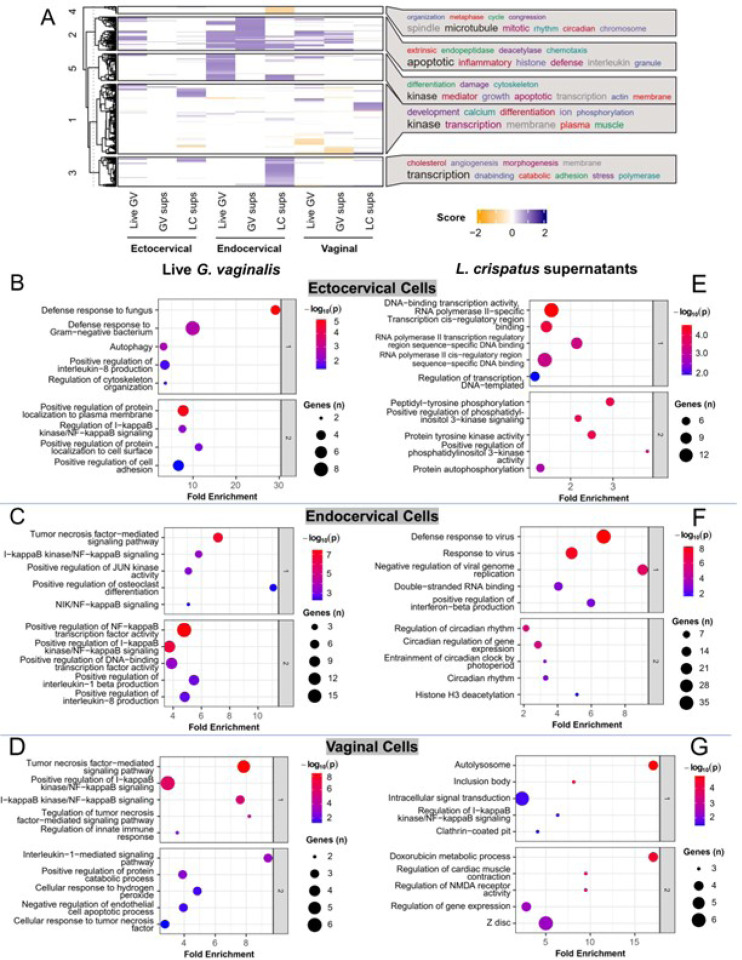 Figure 2
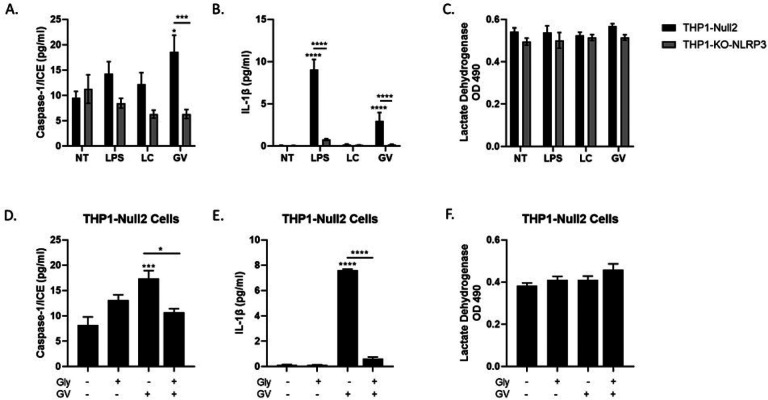 Figure 3
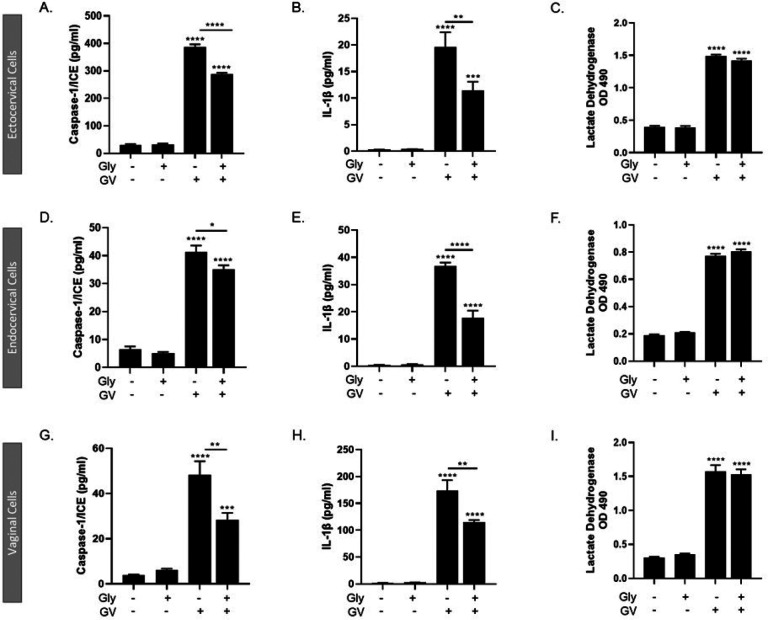 Figure 4
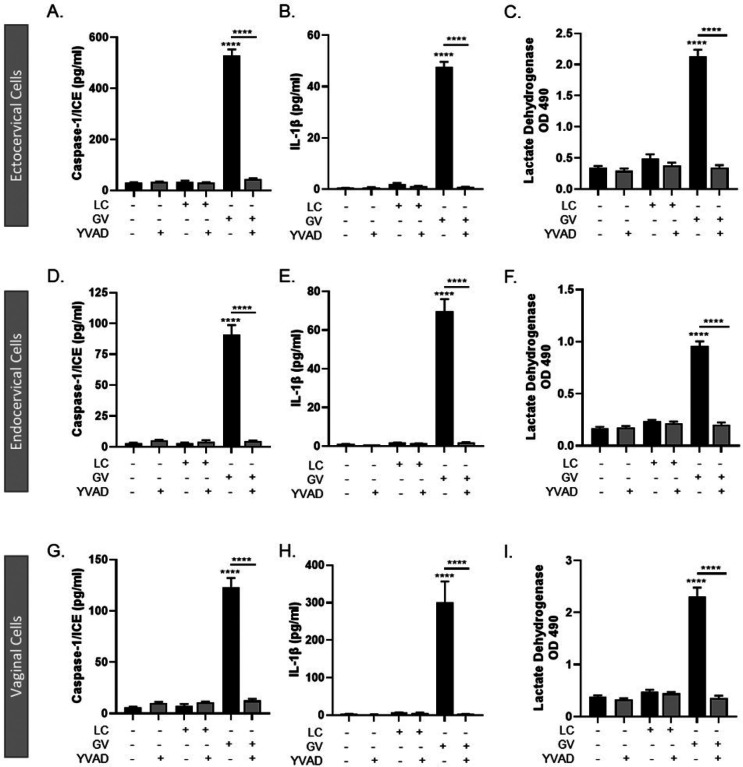 Figure 5
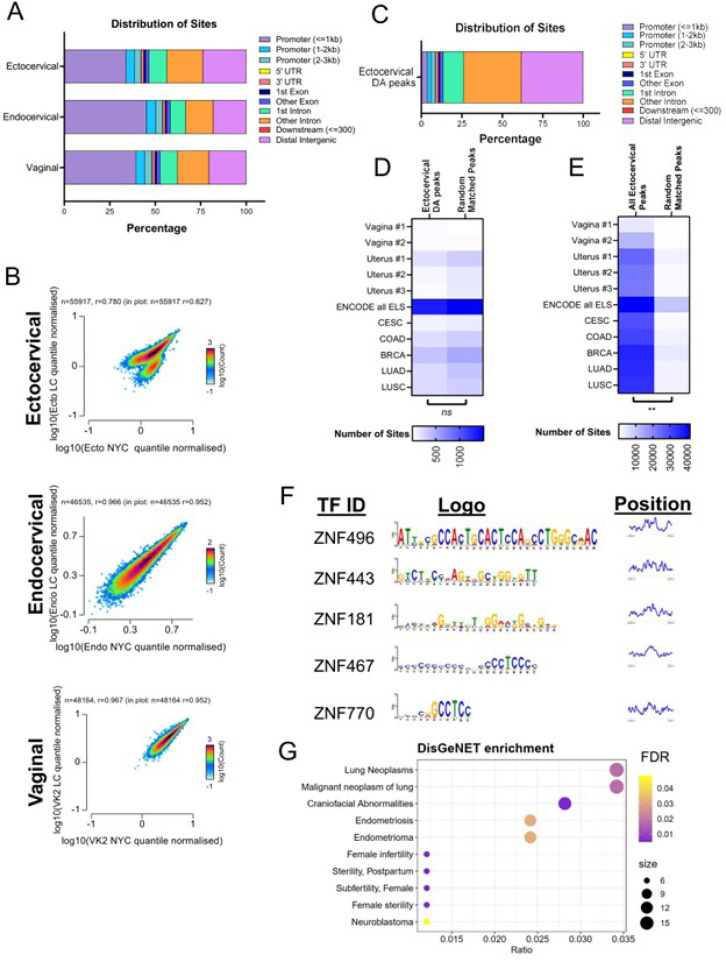 Figure 6
Peer Reviews
No public reviews on file for this paper yet. If you reviewed it on a platform where reviews are public (OpenReview, ICLR, NeurIPS, ICML), you can paste yours below so the community can read it here.
Videos
No videos yet. Explain this paper in a talk, walkthrough, or lecture? Add one.
Taxonomy
TopicsReproductive tract infections research · Reproductive System and Pregnancy · Pelvic floor disorders treatments