Carbapenem-resistant Acinetobacter baumannii (CRAB): metabolic adaptation and transcriptional response to human urine (HU)
Jenny Escalante, Mase Hamza, Brent Nishimura, Meghan Melecio, Carol Davies-Sala, Marisel R. Tuttobene, Tomás Subils, German M. Traglia, Chloe Pham, Rodrigo Sieira, Luis Actis, Robert A. Bonomo, Marcelo E. Tolmasky, María Soledad Ramirez

TL;DR
This study explores how a drug-resistant bacteria adapts to human urine by changing its gene expression, helping it survive in the urinary tract.
Contribution
The study identifies specific gene expression changes in CRAB when exposed to human urine, revealing metabolic and adaptive responses.
Findings
Exposure to human urine caused differential expression of 264 and 455 genes in two CRAB isolates.
Common genes included those involved in PAA catabolism, TCA cycle, quorum sensing, and biofilm formation.
These gene changes suggest CRAB adapts to urinary tract conditions through metabolic and regulatory adjustments.
Abstract
Carbapenem-resistant Acinetobacter baumannii (CRAB) is a major human pathogen and a research priority for developing new antimicrobial agents. CRAB is a causative agent of a variety of infections in different body sites. One of the manifestations is catheter-associated urinary tract infection, which exposes the bacteria to the host’s urine, creating a particular environment. Exposure of two CRAB clinical isolates, AB5075 and AMA40, to human urine (HU) resulted in the differential expression levels of 264 and 455 genes, respectively, of which 112 were common to both strains. Genes within this group play roles in metabolic pathways such as phenylacetic acid (PAA) catabolism, the Hut system, the tricarboxylic acid (TCA) cycle, and other processes like quorum sensing and biofilm formation. These results indicate that the presence of HU induces numerous adaptive changes in gene expression of…
Genes, proteins, chemicals, diseases, species, mutations and cell lines named across the full text — each resolved to its canonical identifier and authoritative record.
Click any figure to enlarge with its caption.
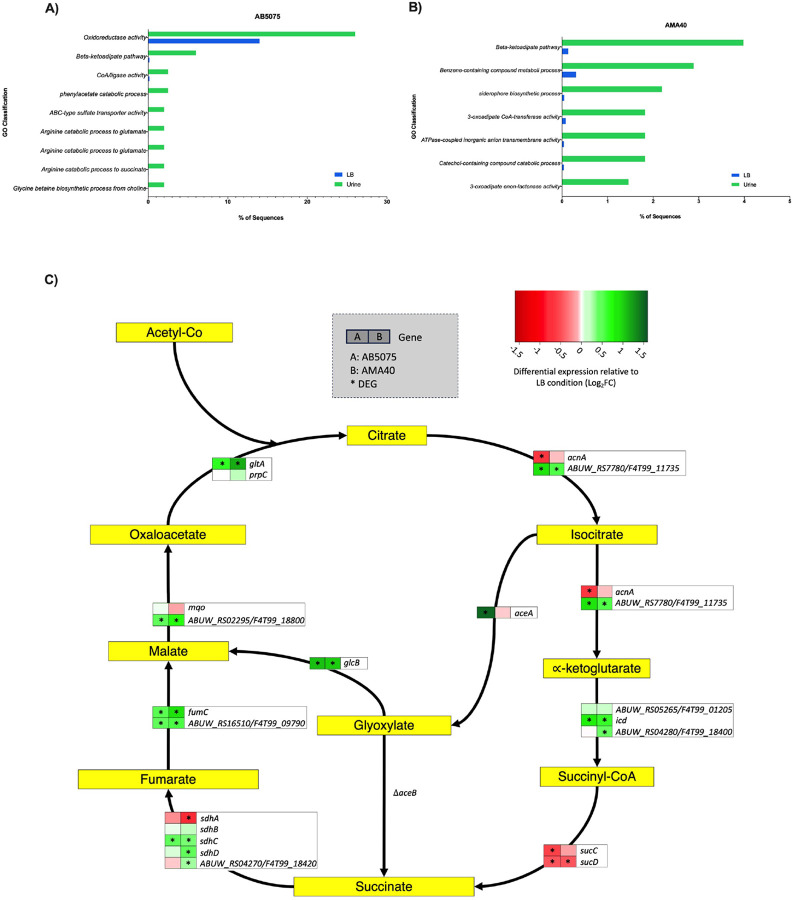 Figure 1
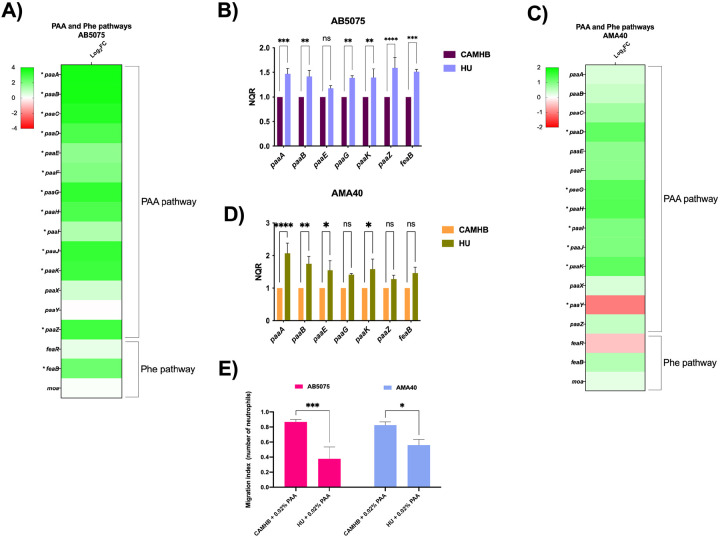 Figure 2
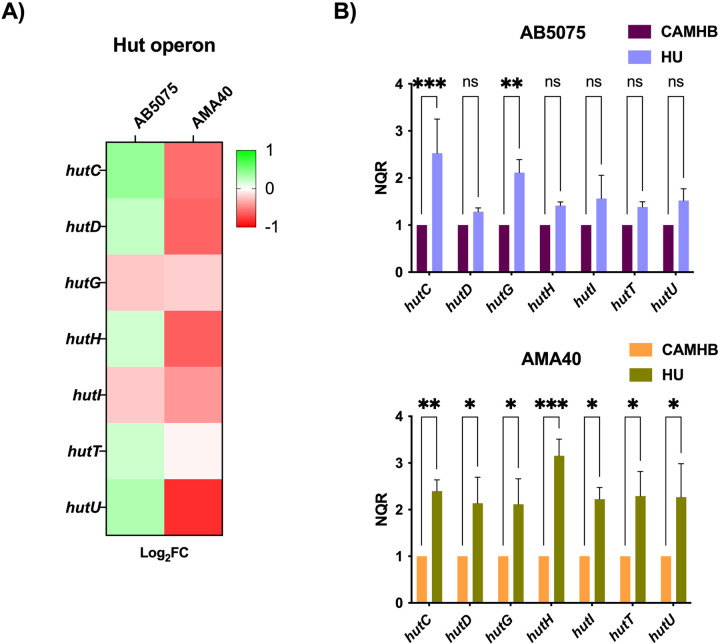 Figure 3
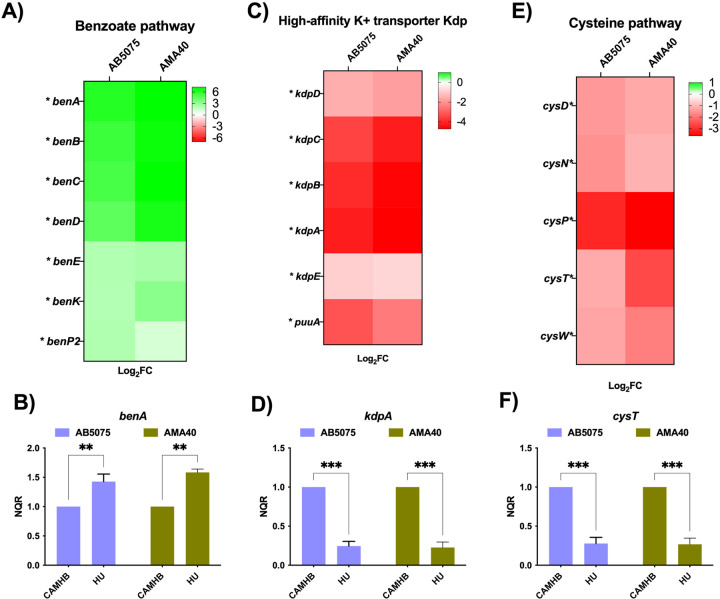 Figure 4
Peer Reviews
No public reviews on file for this paper yet. If you reviewed it on a platform where reviews are public (OpenReview, ICLR, NeurIPS, ICML), you can paste yours below so the community can read it here.
Videos
No videos yet. Explain this paper in a talk, walkthrough, or lecture? Add one.
Taxonomy
TopicsAntibiotic Resistance in Bacteria · Urinary Tract Infections Management · Vibrio bacteria research studies