Rescue Stenting for Inadvertent Branch Vessel Occlusion Following Cerebral Aneurysm Embolization With the Woven EndoBridge Device
Reyna Escalante, Colin Son

TL;DR
This paper describes two successful cases of using rescue stenting to treat unintended blood vessel blockages after a brain aneurysm procedure using the Woven EndoBridge device.
Contribution
The first reported cases of rescue stenting for branch vessel occlusion following WEB device use.
Findings
Rescue stenting with the Neuroform Atlas stent revascularized occluded vessels.
Both patients had good outcomes after the rescue stenting procedure.
Abstract
Intrasaccular flow modification with devices like the Woven EndoBridge (WEB, MicroVention, Inc., Aliso Viejo, California, US) is an increasingly utilized endovascular treatment for bifurcation aneurysms. Among the potential complications of the procedure is branch vessel occlusion. There are no previous publications of rescue stenting for inadvertent branch vessel occlusion with the WEB device. We report two cases of rescue stenting following branch vessel occlusion after cerebral aneurysm embolization with the WEB device. In both cases, rescue stenting with a Neuroform Atlas stent Stryker, Fremont, CA, US) successfully revascularized the occluded vessel and led to good patient outcomes.
Genes, proteins, chemicals, diseases, species, mutations and cell lines named across the full text — each resolved to its canonical identifier and authoritative record.
Click any figure to enlarge with its caption.
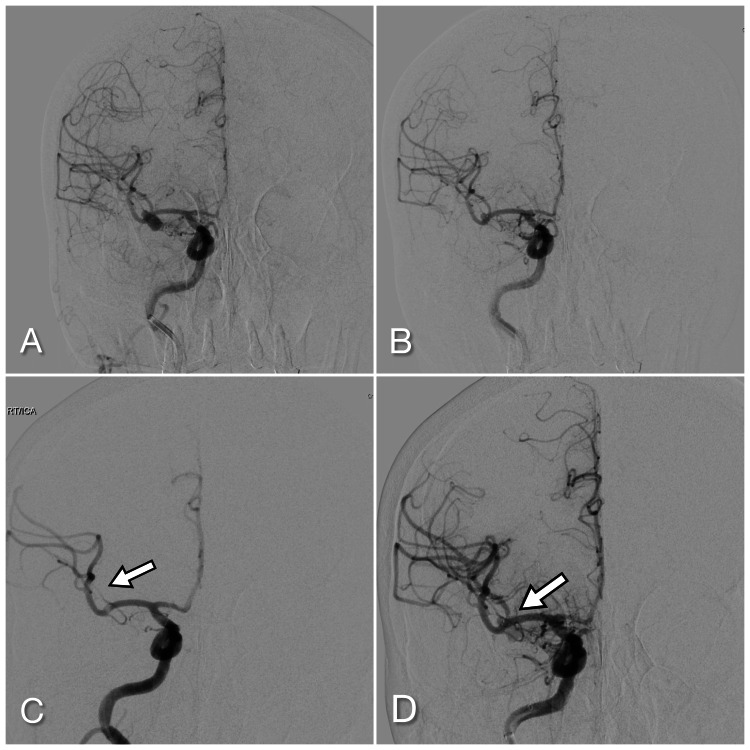 Figure 1
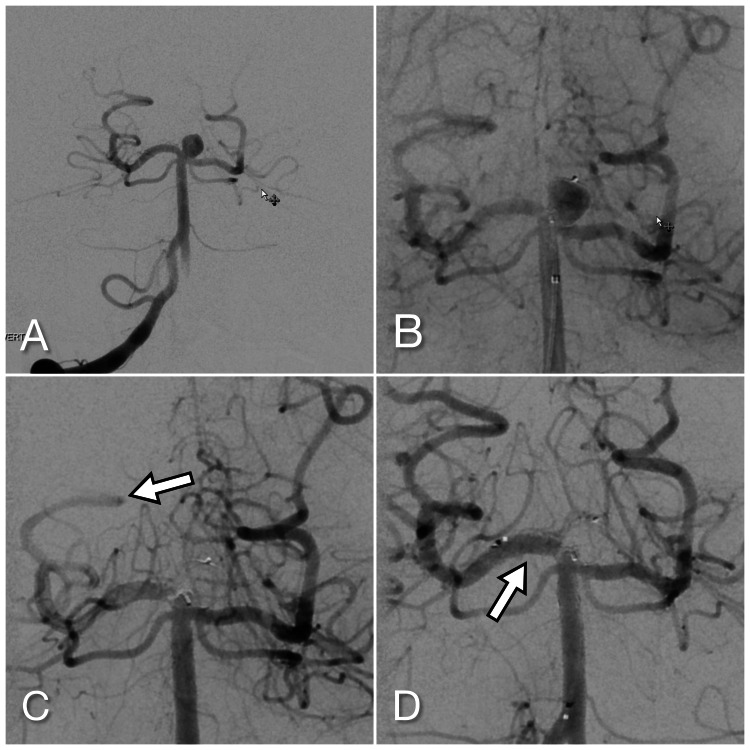 Figure 2
Peer Reviews
No public reviews on file for this paper yet. If you reviewed it on a platform where reviews are public (OpenReview, ICLR, NeurIPS, ICML), you can paste yours below so the community can read it here.
Videos
No videos yet. Explain this paper in a talk, walkthrough, or lecture? Add one.
Taxonomy
TopicsIntracranial Aneurysms: Treatment and Complications · Cerebrovascular and Carotid Artery Diseases · Vascular Malformations Diagnosis and Treatment