In vitro phenotypic characterisation of two genotype I African swine fever viruses with genomic deletion isolated from Sardinian wild boars
Giulia Franzoni, Mariangela S. Fiori, Lorena Mura, Tania Carta, Antonello Di Nardo, Matteo Floris, Luca Ferretti, Susanna Zinellu, Pier Paolo Angioi, Anna Maria Sechi, Francesca Carusillo, Diego Brundu, Manlio Fadda, Riccardo Bazzardi, Monica Giammarioli, Stefano Cappai

TL;DR
This study examines two African swine fever viruses with genomic deletions found in Sardinian wild boars and finds they grow more slowly in lab tests, suggesting a less severe disease.
Contribution
The study identifies and characterizes two genotype I African swine fever viruses with a genomic deletion in Sardinia, revealing their attenuated phenotype.
Findings
The deleted viruses 7303WB/19 and 7212WB/19 showed lower growth kinetics in macrophages compared to a virulent isolate.
Both deleted viruses had reduced intracellular levels of early and late ASFV proteins.
Genomically deleted viruses were not found in Sardinian wild boars before 2019, suggesting a new emergence.
Abstract
African swine fever virus (ASFV) causes a devastating disease affecting domestic and wild pigs. ASF was first introduced in Sardinia in 1978 and until 2019 only genotype I isolates were identified. A remarkable genetic stability of Sardinian ASFV isolates was described, nevertheless in 2019 two wild boar isolates with a sustained genomic deletion (4342 base pairs) were identified (7303WB/19, 7212WB/19). In this study, we therefore performed in vitro experiments with monocyte-derived macrophages (moMФ) to unravel the phenotypic characteristics of these deleted viruses. Both 7303WB/19 and 7212WB/19 presented a lower growth kinetic in moMФ compared to virulent Sardinian 26544/OG10, using either a high (1) or a low (0.01) multiplicity of infection (MOI). In addition, flow cytometric analysis showed that both 7303WB/19 and 7212WB/19 presented lower intracellular levels of both early and late…
Genes, proteins, chemicals, diseases, species, mutations and cell lines named across the full text — each resolved to its canonical identifier and authoritative record.
Click any figure to enlarge with its caption.
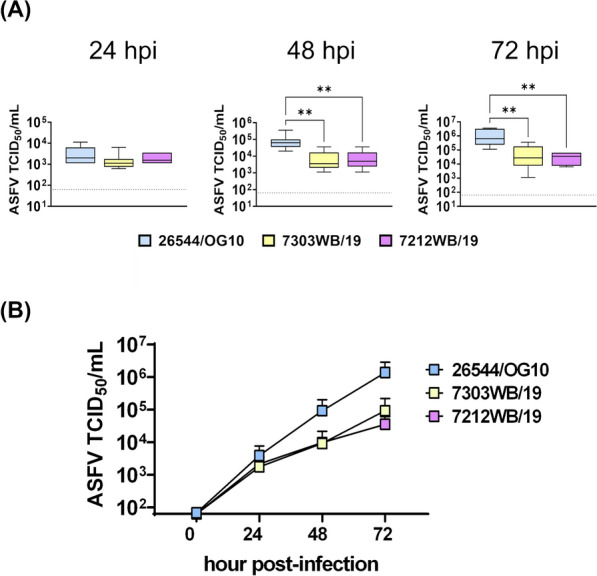 Figure 1
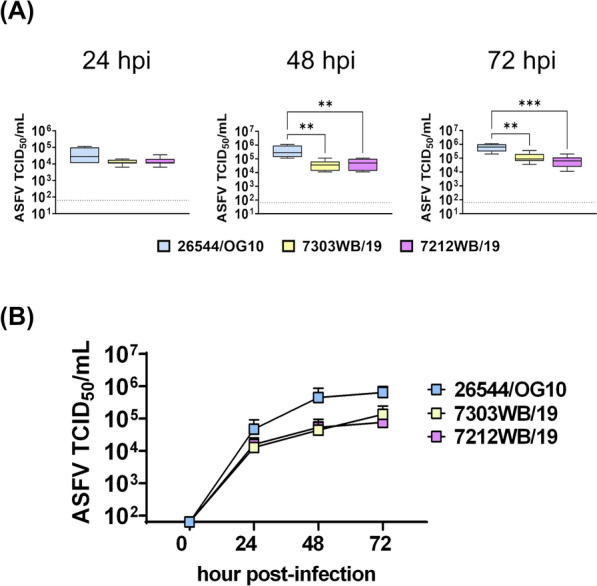 Figure 2
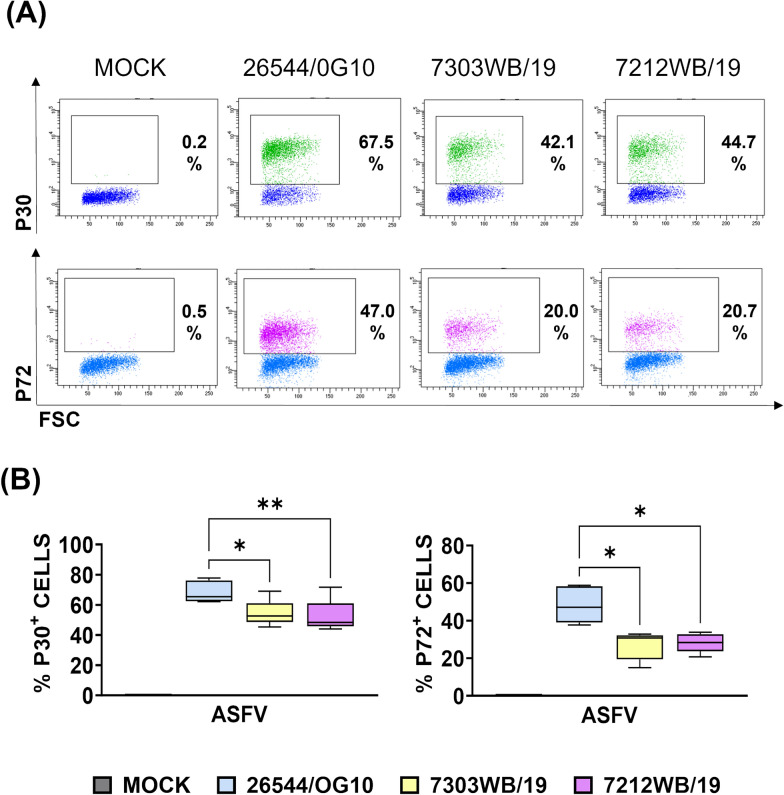 Figure 3
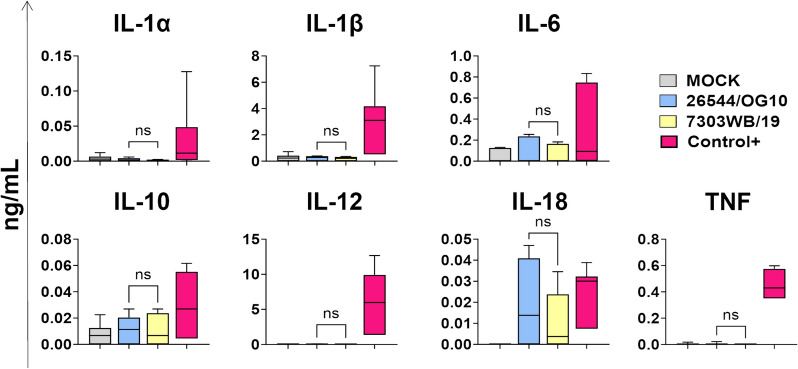 Figure 4
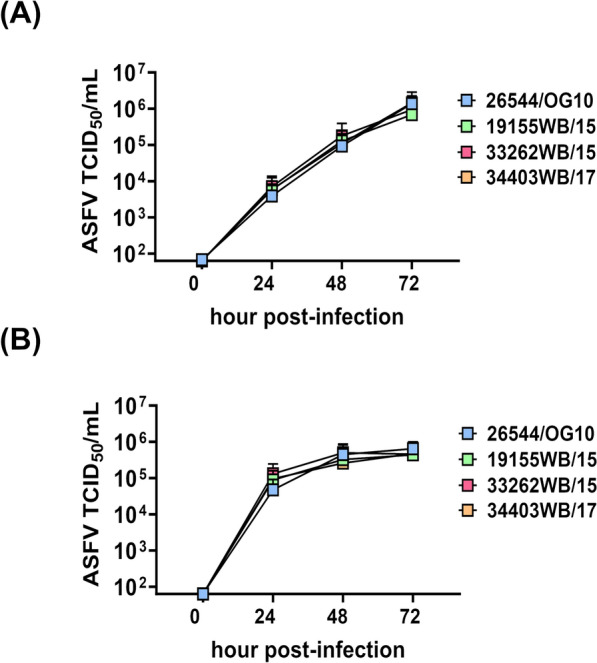 Figure 5
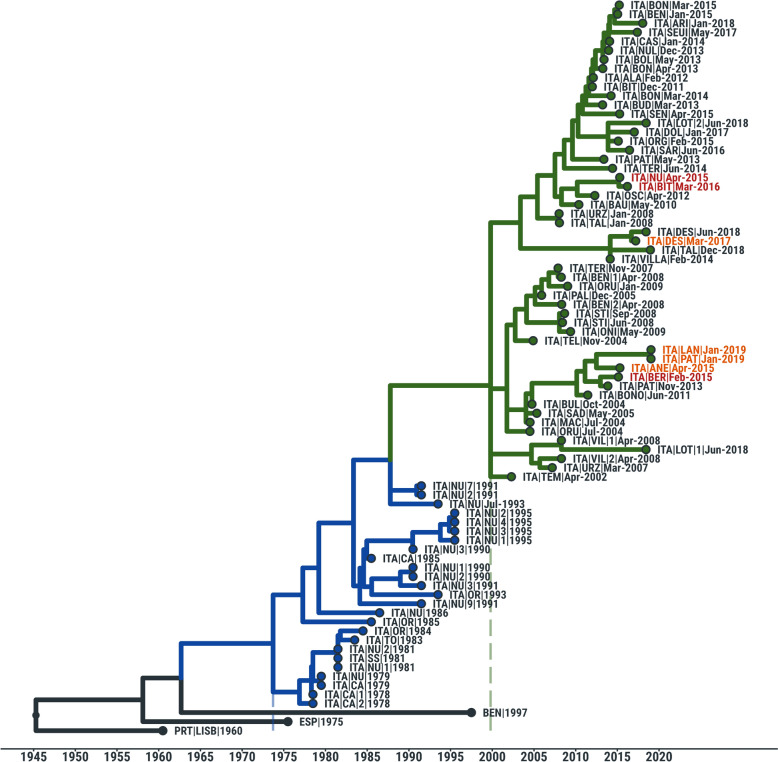 Figure 6
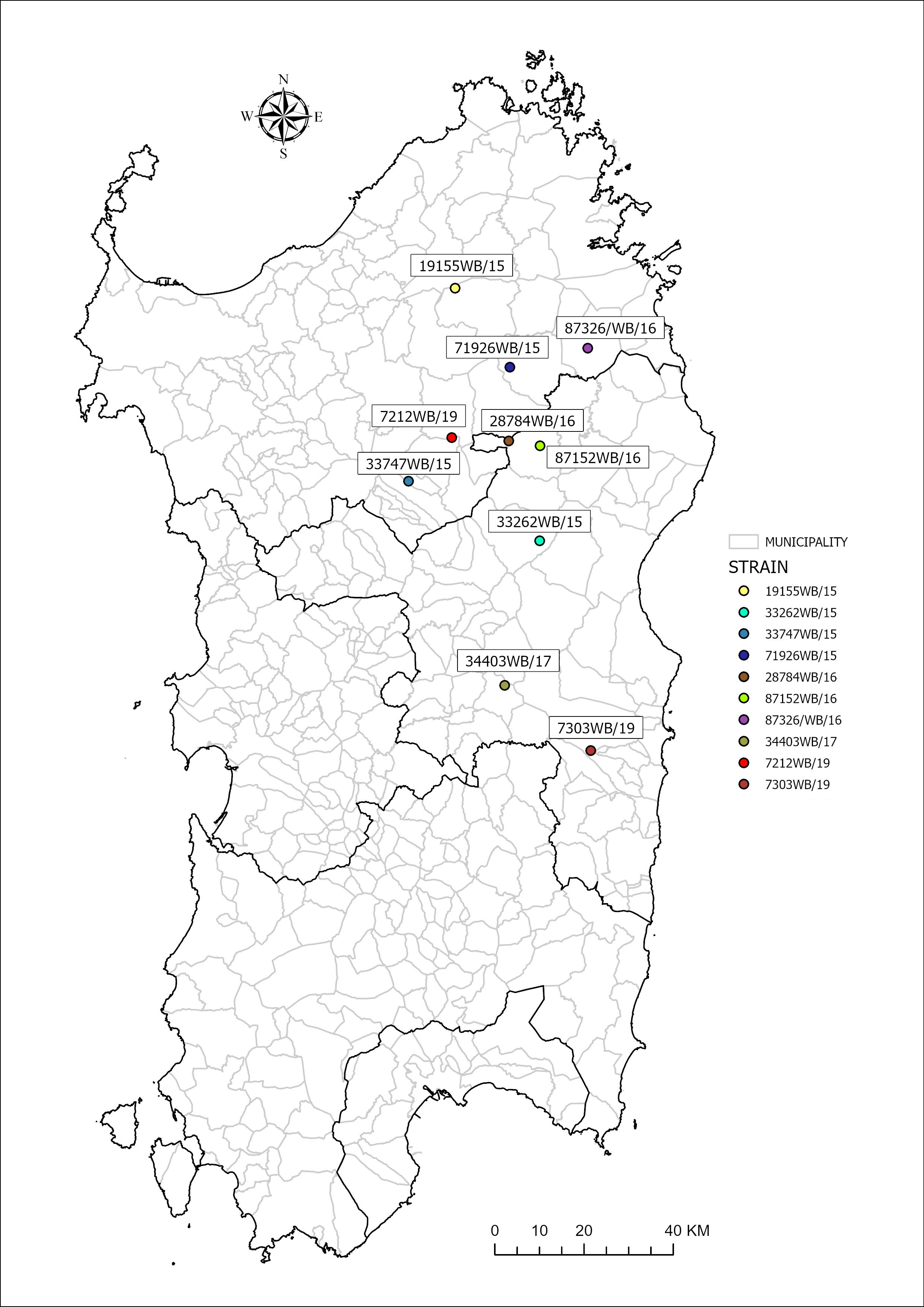 Figure 7
Peer Reviews
No public reviews on file for this paper yet. If you reviewed it on a platform where reviews are public (OpenReview, ICLR, NeurIPS, ICML), you can paste yours below so the community can read it here.
Videos
No videos yet. Explain this paper in a talk, walkthrough, or lecture? Add one.
Taxonomy
TopicsAnimal Disease Management and Epidemiology · Vector-Borne Animal Diseases · Viral Infections and Immunology Research