Unraveling the treatment effects of huanglian jiedu decoction on drug-induced liver injury based on network pharmacology, molecular docking and experimental validation
Yaochen Xie, Shuchen Gong, Lingkun Wang, Zhaoxu Yang, Chen Yang, Guilin Li, Huiyan Zha, Shuying Lv, Boneng Xiao, Xiaoyu Chen, Zhenning Di, Qiaojun He, Jincheng Wang, Qinjie Weng

TL;DR
This study explores how Huanglian Jiedu Decoction protects the liver from drug-induced damage using network pharmacology and molecular docking.
Contribution
The study identifies key genes and active compounds in Huanglian Jiedu Decoction that protect against drug-induced liver injury.
Findings
Huanglian Jiedu Decoction protects against drug-induced liver injury via the Tryptophan metabolism pathway.
Corymbosin and Moslosooflavone are active ingredients that interact with CYP1A1, CYP1A2, and CYP1B1.
Network pharmacology and molecular docking reveal important genes and compounds in the treatment mechanism.
Abstract
Huanglian Jiedu Decoction (HJD) is a well-known Traditional Chinese Medicine formula that has been used for liver protection in thousands of years. However, the therapeutic effects and mechanisms of HJD in treating drug-induced liver injury (DILI) remain unknown. In this study, a total of 26 genes related to both HJD and DILI were identified, which are corresponding to a total of 41 potential active compounds in HJD. KEGG analysis revealed that Tryptophan metabolism pathway is particularly important. The overlapped genes from KEGG and GO analysis indicated the significance of CYP1A1, CYP1A2, and CYP1B1. Experimental results confirmed that HJD has a protective effect on DILI through Tryptophan metabolism pathway. In addition, the active ingredients Corymbosin, and Moslosooflavone were found to have relative strong intensity in UPLC-Q-TOF-MS/MS analysis, showing interactions with CYP1A1,…
Genes, proteins, chemicals, diseases, species, mutations and cell lines named across the full text — each resolved to its canonical identifier and authoritative record.
Click any figure to enlarge with its caption.
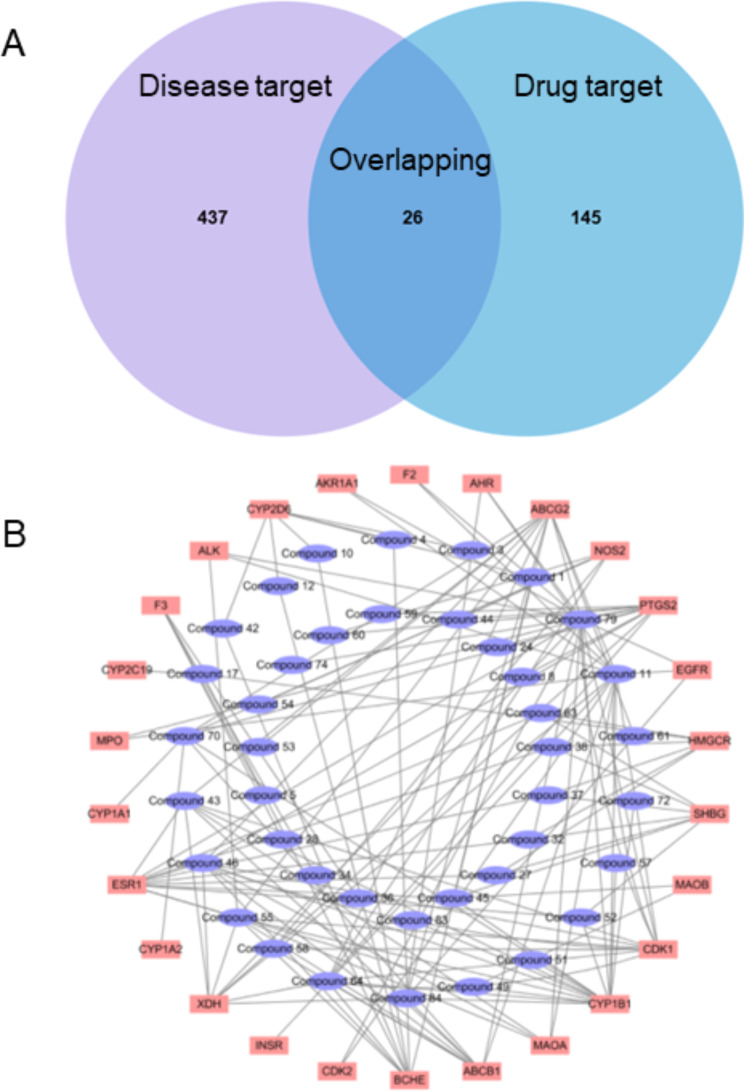 Figure 1
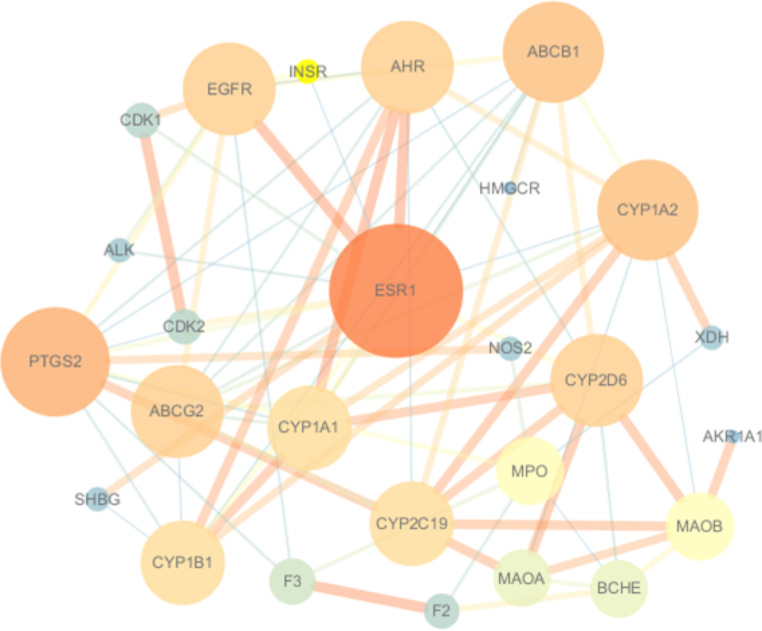 Figure 2
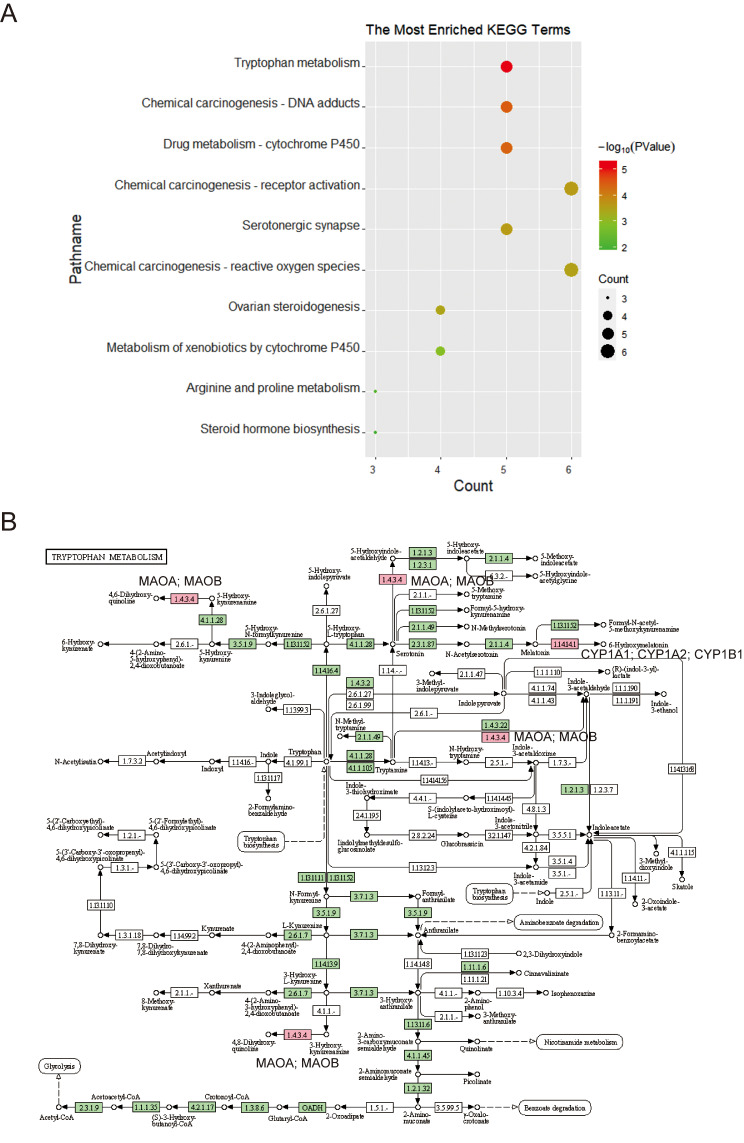 Figure 3
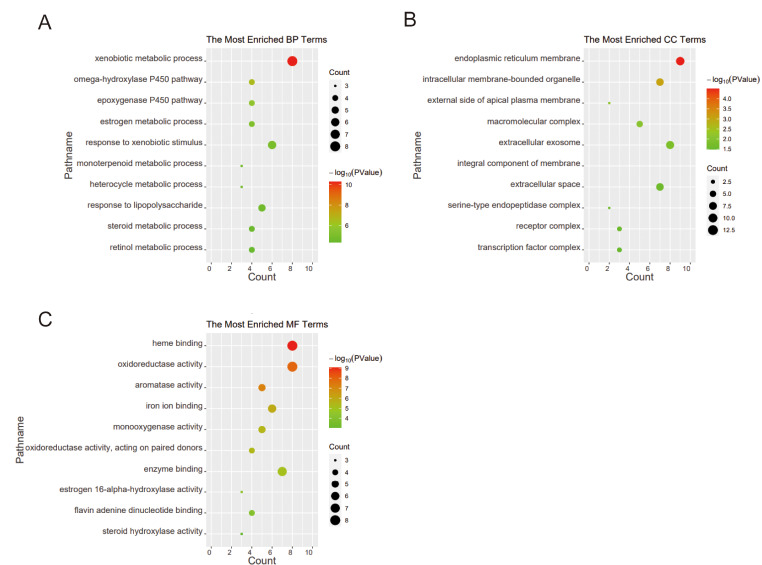 Figure 4
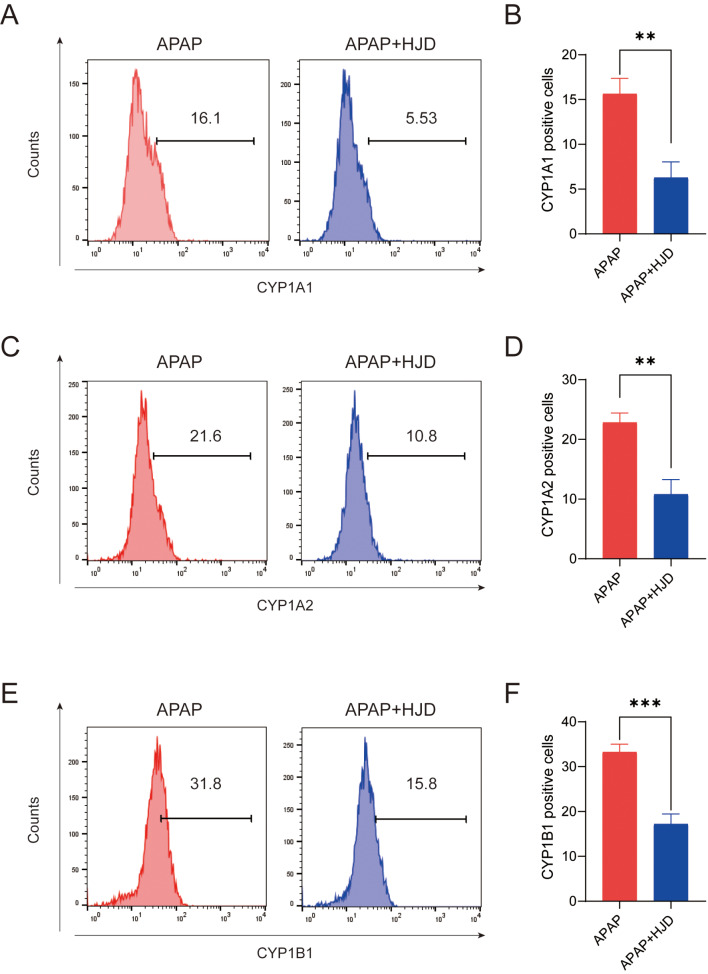 Figure 5
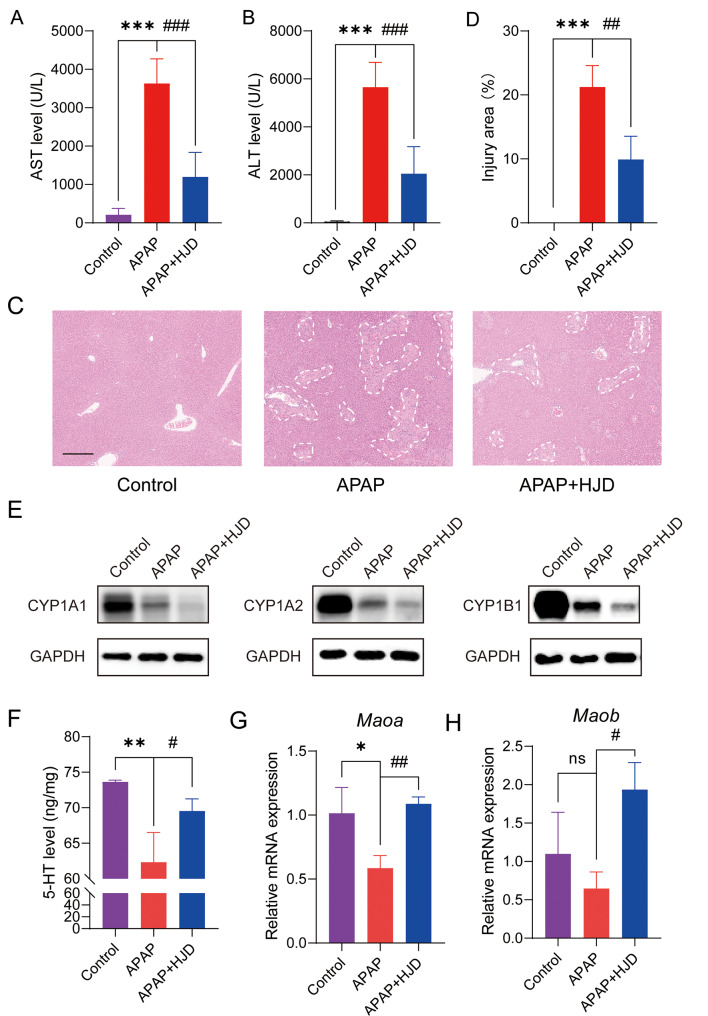 Figure 6
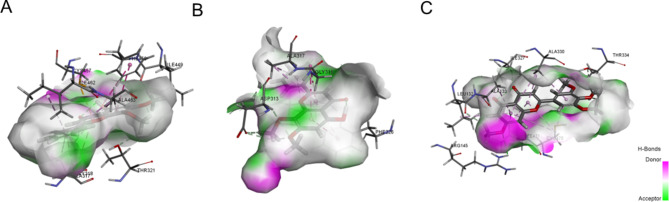 Figure 7
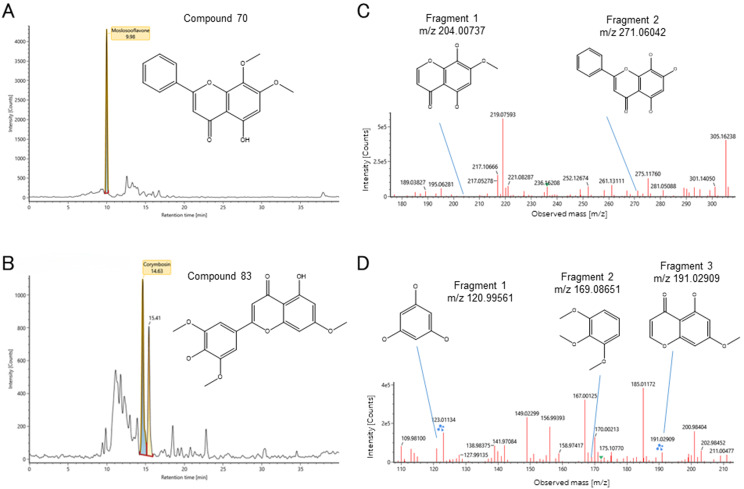 Figure 8
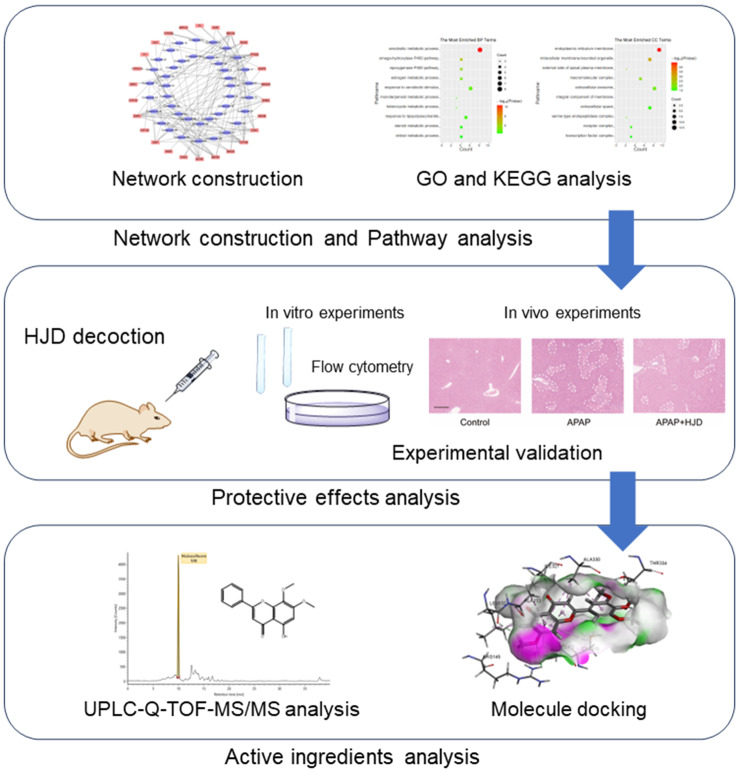 Figure 9
Peer Reviews
No public reviews on file for this paper yet. If you reviewed it on a platform where reviews are public (OpenReview, ICLR, NeurIPS, ICML), you can paste yours below so the community can read it here.
Videos
No videos yet. Explain this paper in a talk, walkthrough, or lecture? Add one.
Taxonomy
TopicsPlant Physiology and Cultivation Studies