Improving the Quality of Life in Patients With Hypohidrotic Ectodermal Dysplasia: A Holistic Approach
Harshitha Reddy, Anjalee Chiwhane, Manjeet Kothari, Yash Kashikar, Bhushan Madke

TL;DR
This paper discusses a holistic approach to improving life quality for a patient with hypohidrotic ectodermal dysplasia, a rare genetic disorder affecting skin, hair, and sweat glands.
Contribution
The paper emphasizes interdisciplinary care and targeted interventions for managing HED through a case study of a 22-year-old male patient.
Findings
The patient exhibited hypodontia, sparse hair, irregular beard growth, nasal deformity, and anhidrosis.
Early detection and collaborative care are crucial for managing HED symptoms and improving quality of life.
The EDA gene is associated with HED, and further research is needed for novel therapies.
Abstract
Hypohidrotic ectodermal dysplasia (HED), often referred to as Christ-Siemens-Touraine syndrome, is an uncommon inherited genetic disorder characterized by irregularities in structures derived from the ectoderm, such as skin, hair, nails, teeth, and sweat glands. Common manifestations include thin hair, absent teeth (hypodontia) often pointed in shape, and diminished ability to sweat (hypohidrosis). Changes in the ectodysplasin A (EDA) gene are associated with the development of HED. Addressing this condition requires an integrated, interdisciplinary strategy to ensure the best possible support for individuals impacted. This case highlights the significance of early detection, collaborative care, and targeted interventions in managing HED. Continued research is crucial for creating novel therapies and enhancing life quality for those living with this rare condition. Here, we discuss a…
Genes, proteins, chemicals, diseases, species, mutations and cell lines named across the full text — each resolved to its canonical identifier and authoritative record.
Click any figure to enlarge with its caption.
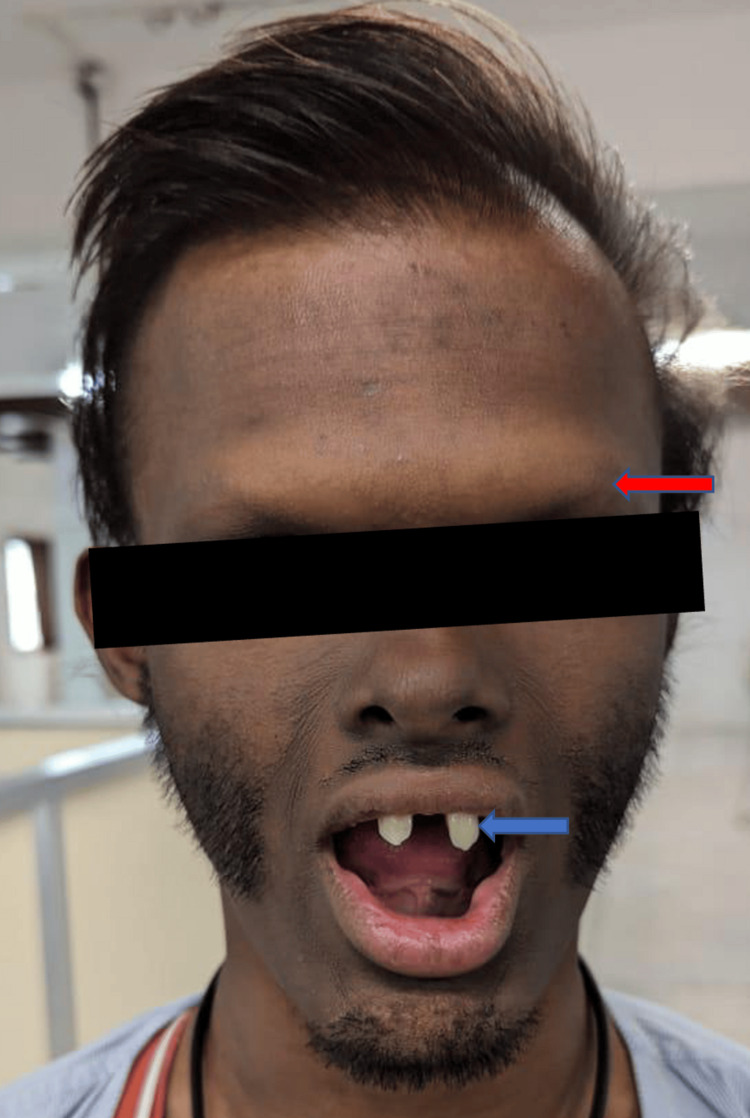 Figure 1
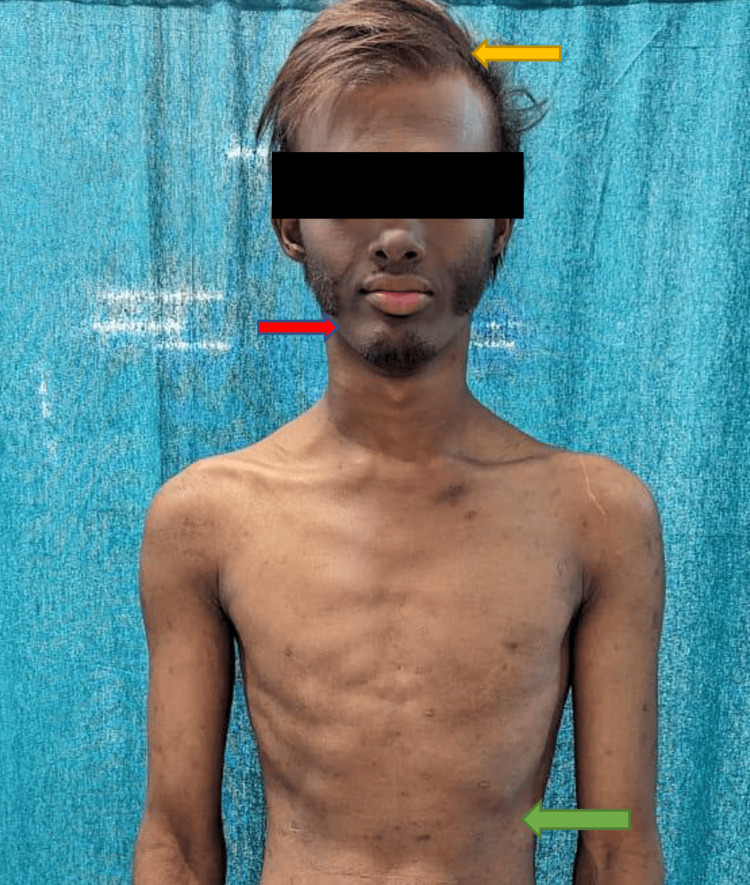 Figure 2
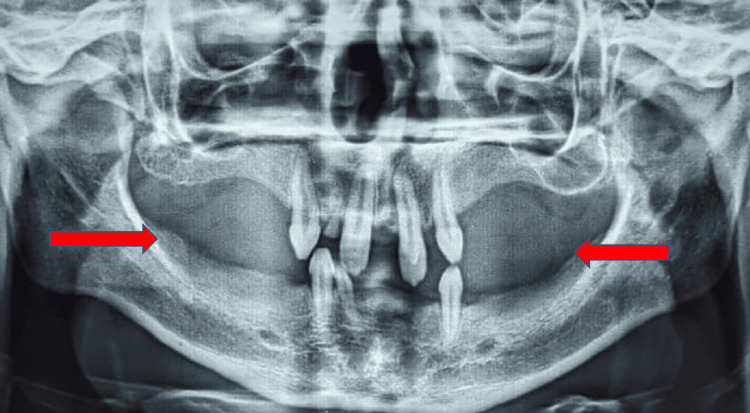 Figure 3
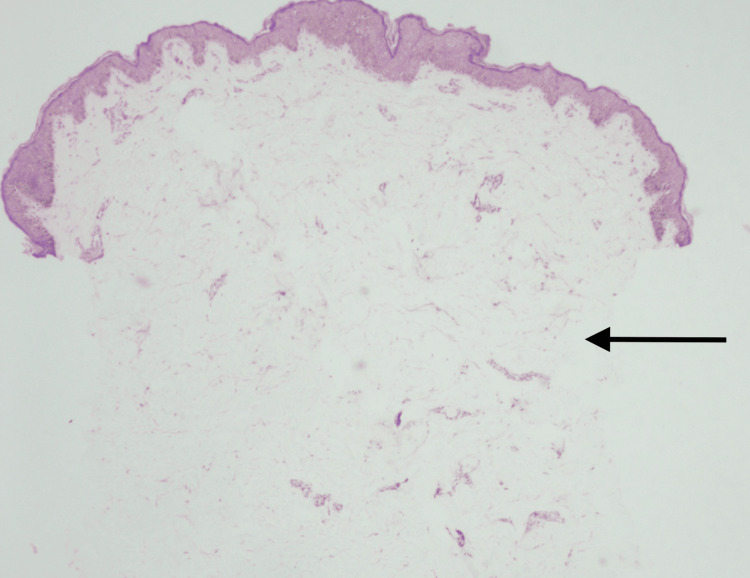 Figure 4
Peer Reviews
No public reviews on file for this paper yet. If you reviewed it on a platform where reviews are public (OpenReview, ICLR, NeurIPS, ICML), you can paste yours below so the community can read it here.
Videos
No videos yet. Explain this paper in a talk, walkthrough, or lecture? Add one.
Taxonomy
Topicsdental development and anomalies