Natural compound Alternol exerts a broad anti-cancer spectrum and a superior therapeutic safety index in vivo
Chenchen He, Linlin Ma, Jeff Hirst, Fei Li, Hao Wu, Wang Liu, Jiang Zhao, Feng Xu, Andrew K. Godwin, Xiangwei Wang, Benyi Li

TL;DR
Alternol, a natural compound, shows strong anti-cancer effects across many cancer types and is safe in animal models.
Contribution
Alternol demonstrates a broad anti-cancer spectrum and a high therapeutic safety index in vivo.
Findings
Alternol showed potent anti-cancer effects in 83% of 50 cancer cell lines with GI50 < 5 µM.
It induced lethal responses in 24% of those cell lines at 10 µM concentration.
Alternol had a high therapeutic index of 13.3 and an MTD of 665 mg/kg in mice.
Abstract
Alternol is a natural compound isolated from the fermentation of a mutated fungus. We have demonstrated its potent anti-cancer effect via the accumulation of radical oxygen species (ROS) in prostate cancer cells in vitro and in vivo. In this study, we tested its anti-cancer spectrum in multiple platforms. We first tested its anti-cancer spectrum using the National Cancer Institute-60 (NCI-60) screening, a protein quantitation-based assay. CellTiter-Glo screening was utilized for ovarian cancer cell lines. Cell cycle distribution was analyzed using flow cytometry. Xenograft models in nude mice were used to assess anti-cancer effect. Healthy mice were tested for the acuate systemic toxicity. Our results showed that Alternol exerted a potent anti-cancer effect on 50 (83%) cancer cell lines with a GI50 less than 5 µM and induced a lethal response in 12 (24%) of those 50 responding cell…
Genes, proteins, chemicals, diseases, species, mutations and cell lines named across the full text — each resolved to its canonical identifier and authoritative record.
Click any figure to enlarge with its caption.
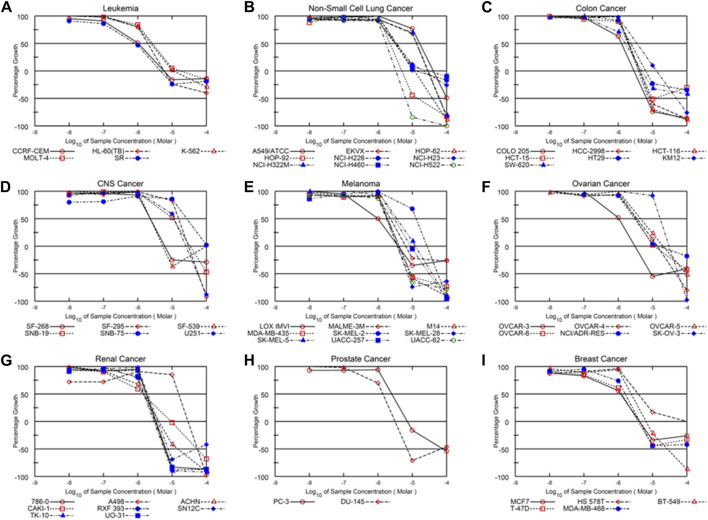 Figure 1
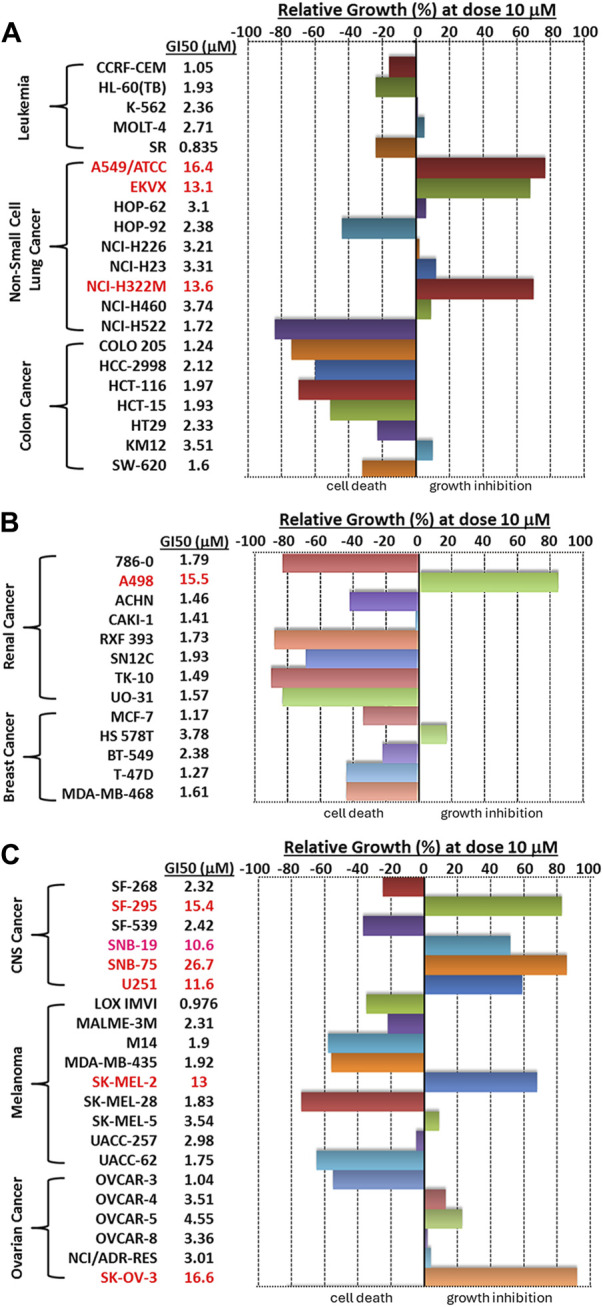 Figure 2
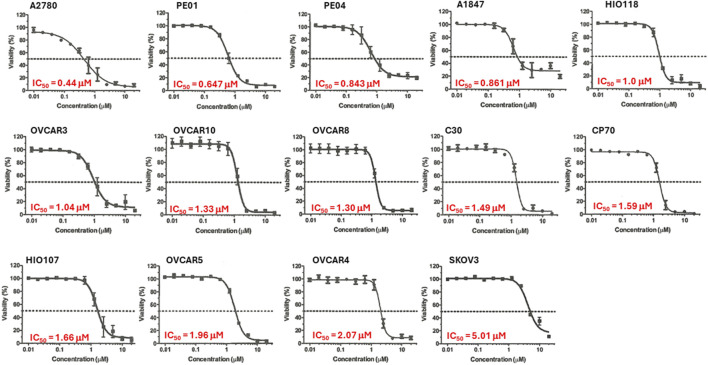 Figure 3
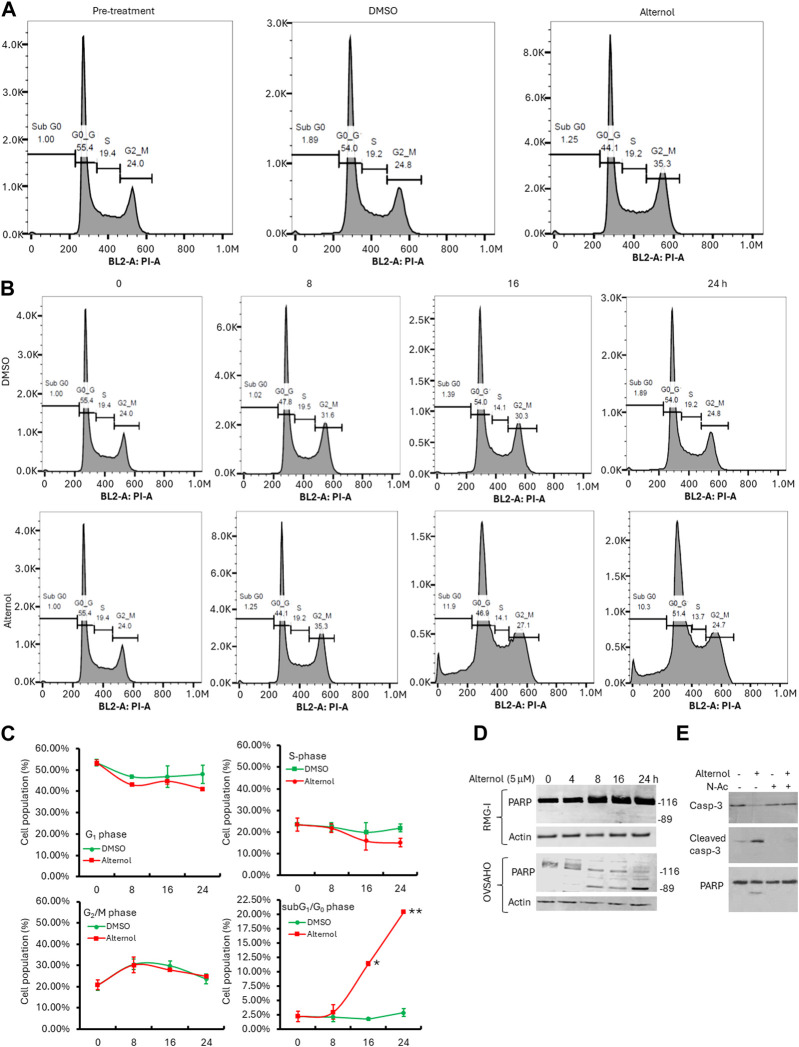 Figure 4
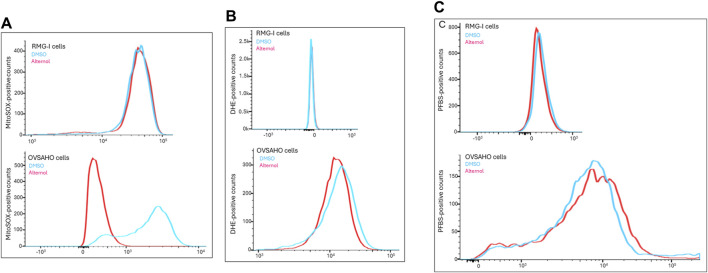 Figure 5
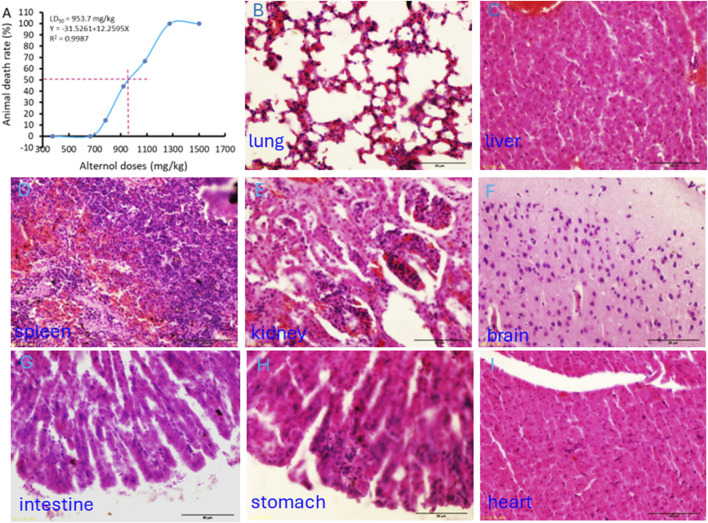 Figure 6
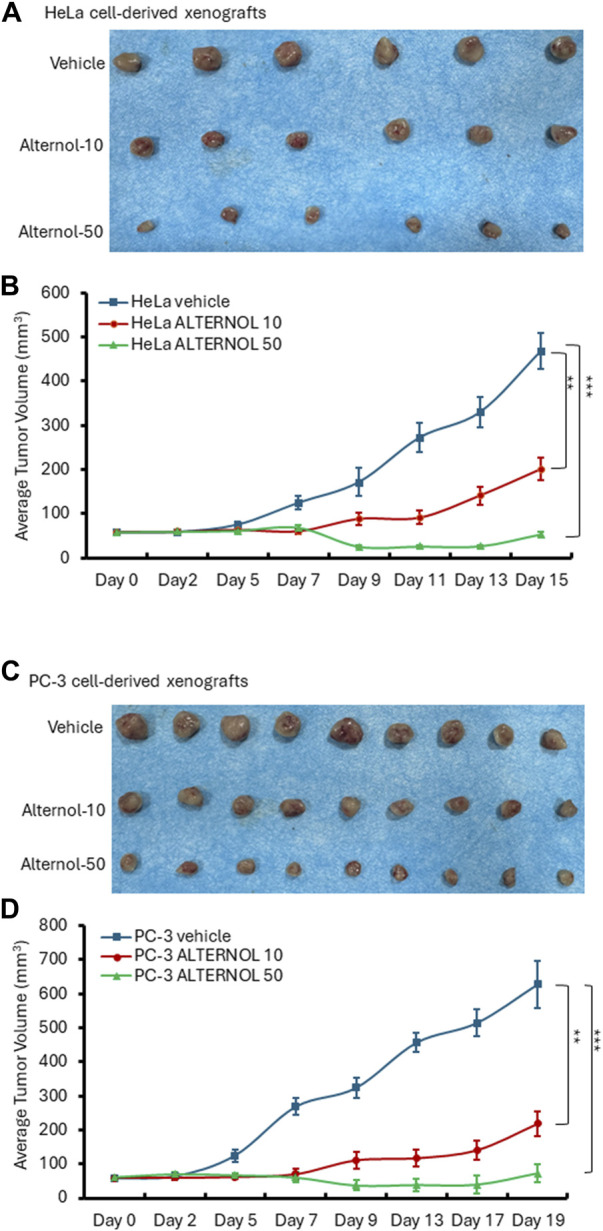 Figure 7
Peer Reviews
No public reviews on file for this paper yet. If you reviewed it on a platform where reviews are public (OpenReview, ICLR, NeurIPS, ICML), you can paste yours below so the community can read it here.
Videos
No videos yet. Explain this paper in a talk, walkthrough, or lecture? Add one.
Taxonomy
TopicsFungal Plant Pathogen Control · Cancer Treatment and Pharmacology · Plant biochemistry and biosynthesis