Integrated models of population pharmacokinetics and exposure response to optimize dosage regimen for anaprazole sodium in duodenal ulcer
Lei Zhang, Ling Song, Cheng Cui, Chunyang Wang, Yi Zhang, Xueting Yao, Dongyang Liu

TL;DR
This study uses integrated pharmacokinetic and exposure-response models to determine the optimal dosage of anaprazole sodium for treating duodenal ulcers.
Contribution
The integration of population pharmacokinetics and exposure-response models provides a novel approach to optimize dosing regimens for anaprazole sodium.
Findings
Age significantly affects the elimination rate of the metabolite M21-1.
Anaprazole sodium shows a high healing rate (94.0%) in duodenal ulcer patients.
Dosage between 20 and 100 mg once daily is safe and effective.
Abstract
Anaprazole sodium enteric-coated tablet is a novel proton pump inhibitor which has been approved for the treatment of duodenal ulcer. The aim of this study is to provide reliable information for the design of an optimal dosage regimen. Population pharmacokinetics and exposure-response models were integrated to evaluate the pharmacokinetic parameters and covariates of Anaprazole and its metabolite M21-1, and subsequently provided dosage suggestions based on clinical trials and simulation data. A pharmacokinetic model incorporating two-compartment for the parent drug and one-compartment for the metabolite, with both first-order and zero-order mixed absorption was used to describe the pharmacokinetics of Anaprazole and M21-1. Age emerged as a significant covariate affecting the elimination rate constant of M21-1, with clearance decreasing as age advances. No correlation was observed…
Genes, proteins, chemicals, diseases, species, mutations and cell lines named across the full text — each resolved to its canonical identifier and authoritative record.
Click any figure to enlarge with its caption.
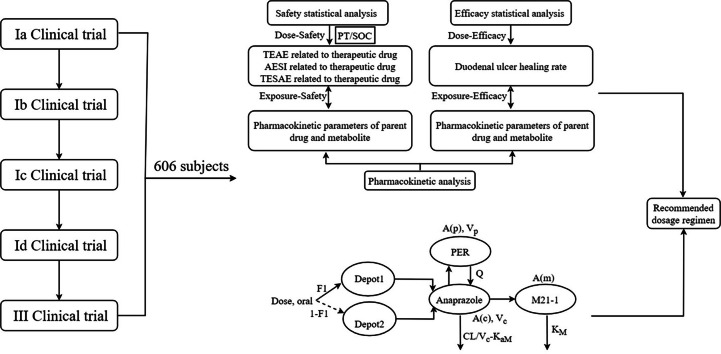 Figure 1
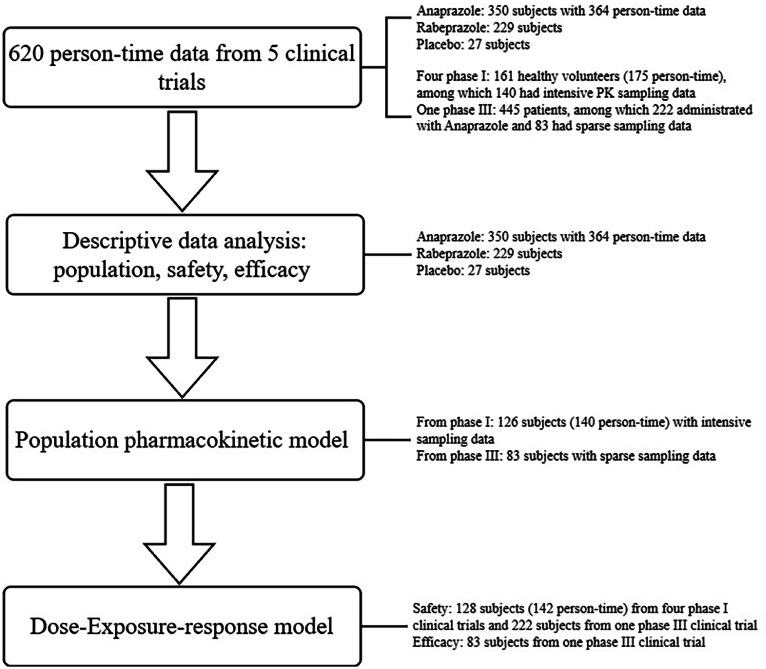 Figure 2
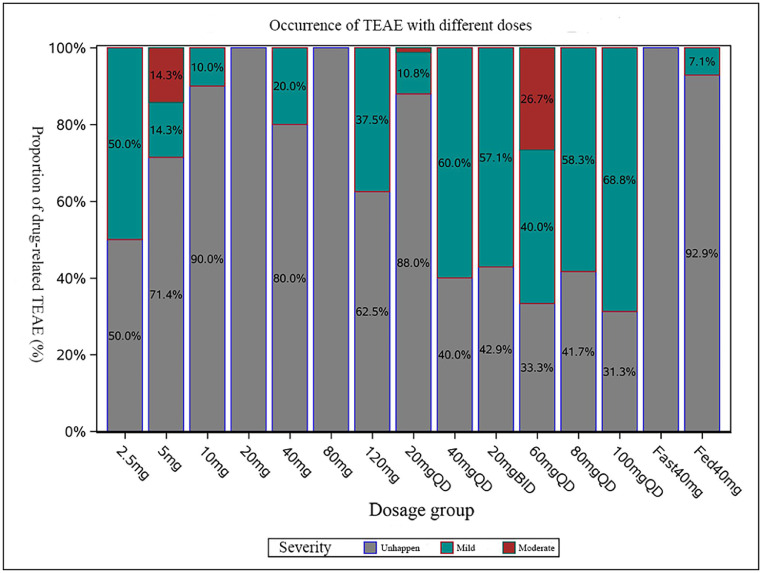 Figure 3
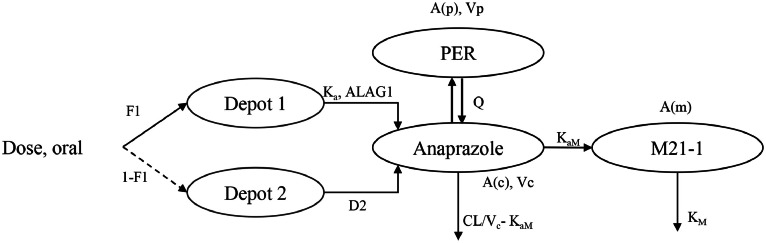 Figure 4
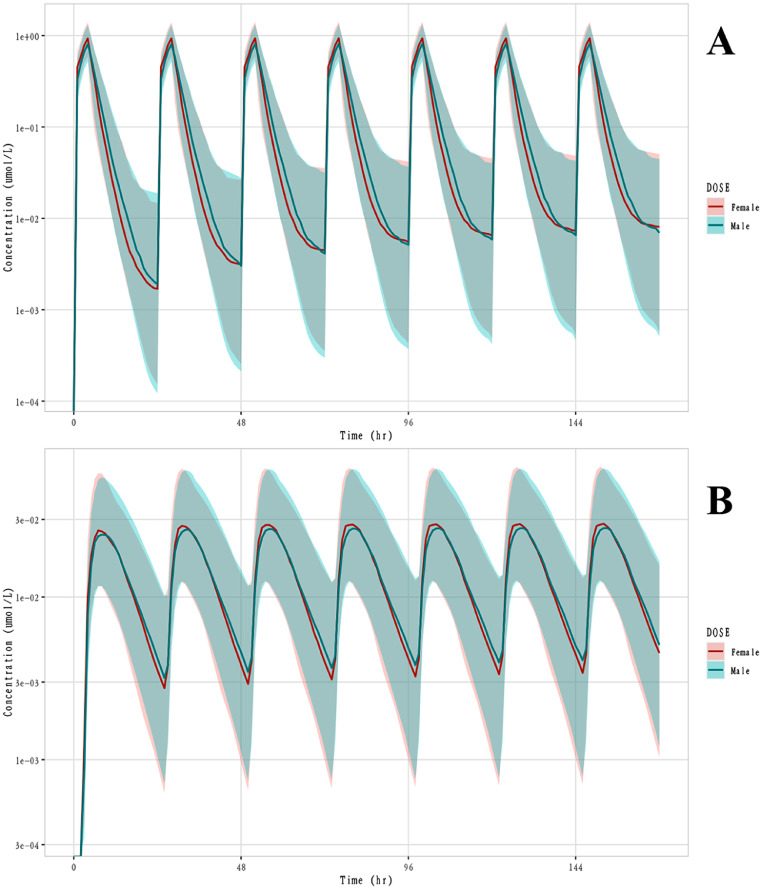 Figure 5
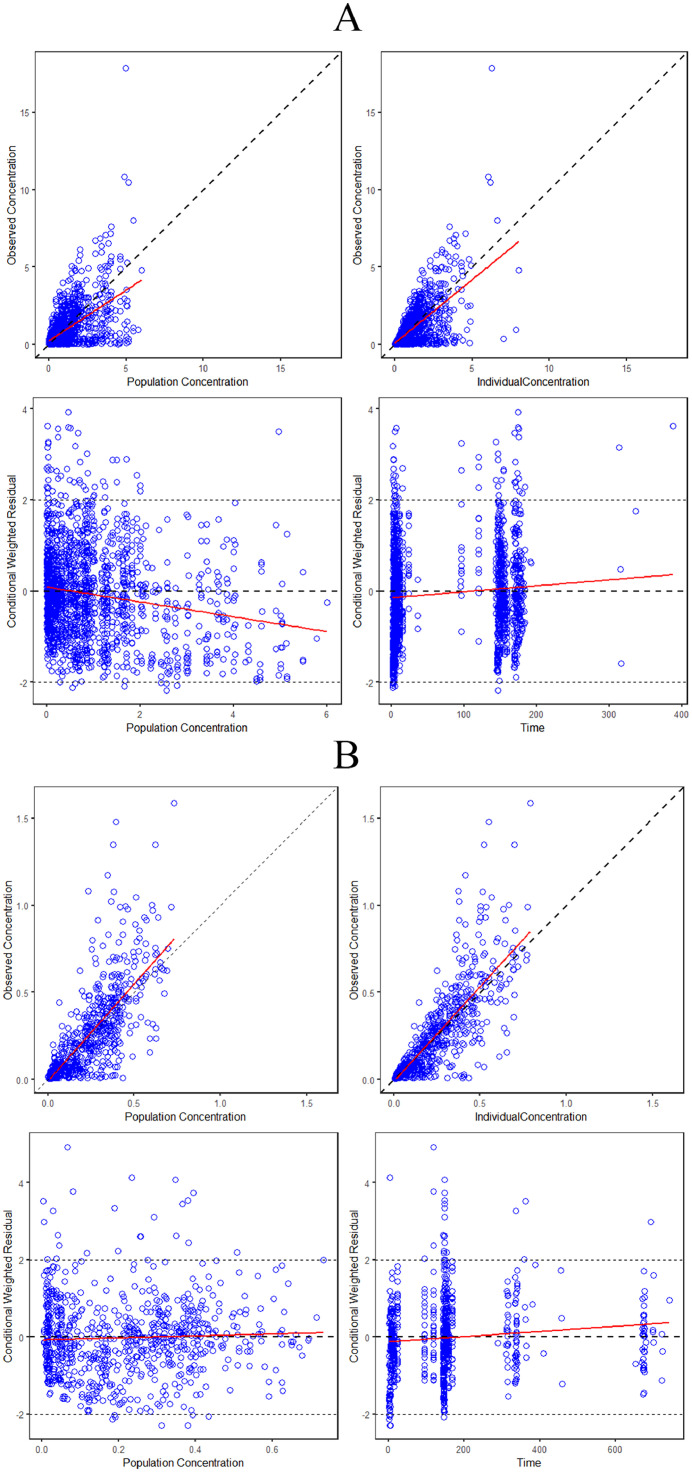 Figure 6
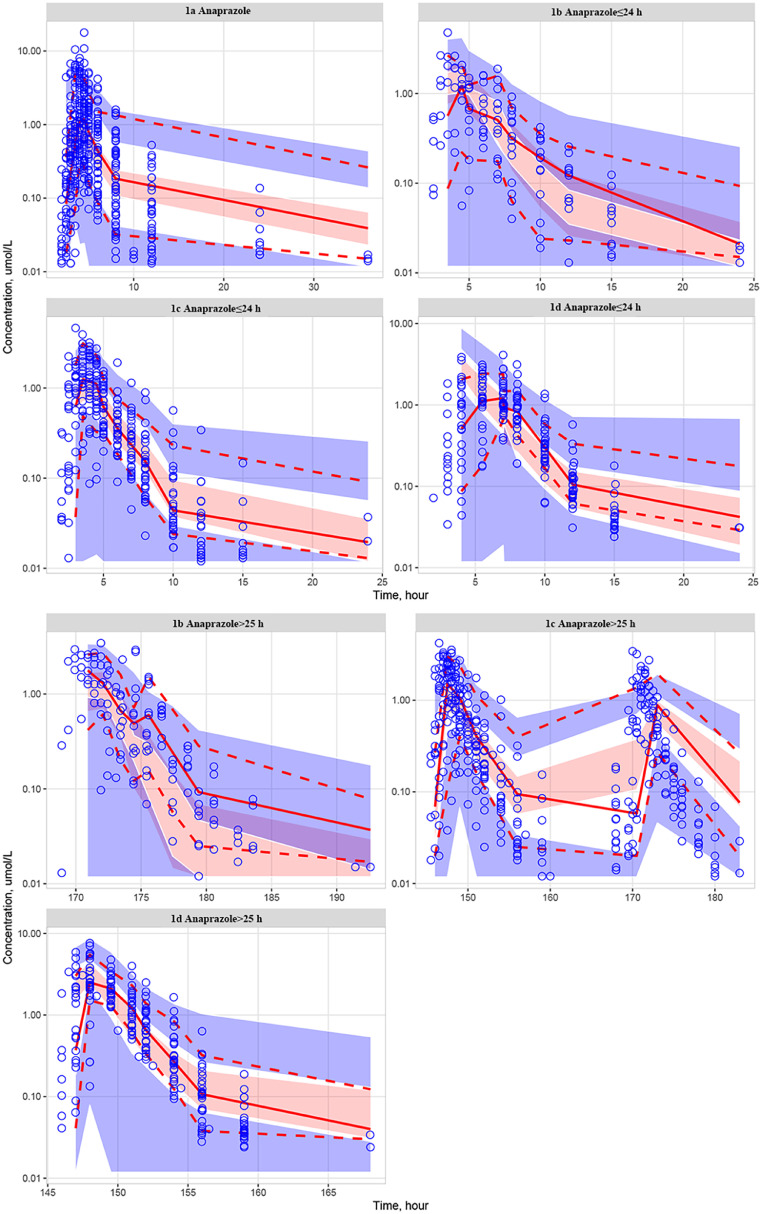 Figure 7
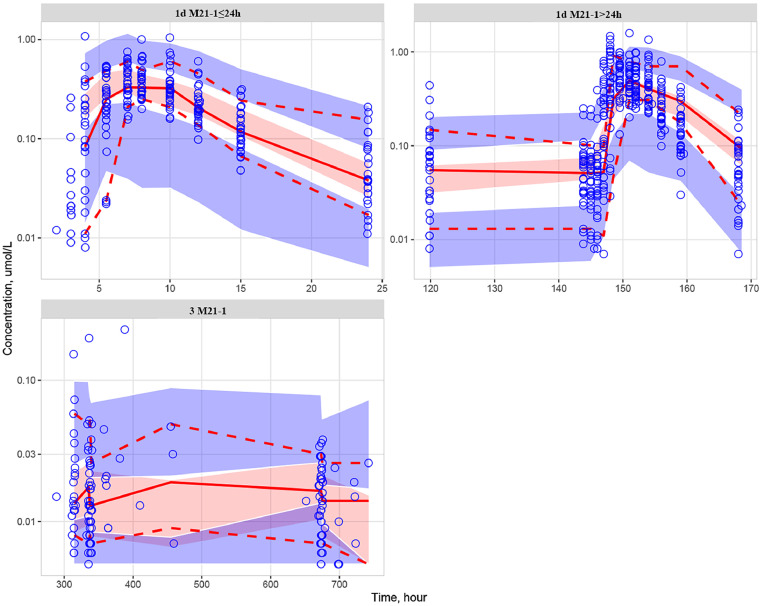 Figure 8
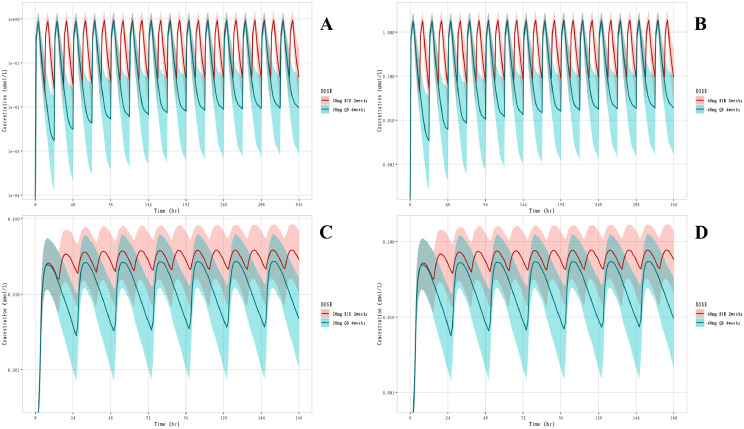 Figure 9
Peer Reviews
No public reviews on file for this paper yet. If you reviewed it on a platform where reviews are public (OpenReview, ICLR, NeurIPS, ICML), you can paste yours below so the community can read it here.
Videos
No videos yet. Explain this paper in a talk, walkthrough, or lecture? Add one.
Taxonomy
TopicsHelicobacter pylori-related gastroenterology studies · Gastroesophageal reflux and treatments · Drug Solubulity and Delivery Systems