Evaluating an equity-focused approach to assess climate resilience and disaster priorities through a community survey
Samantha Lovell, Jamie Vickery, Paulina López, Alberto J. Rodríguez, B. J. Cummings, Kathleen Moloney, Jeffrey Berman, Ann Bostrom, Tania Busch Isaksen, Erika Estrada, Cat Hartwell, Pamela Kohler, C. Bradley Kramer, Resham Patel, Amy Helene Schnall, Mary Hannah Smith

TL;DR
This study used a community-centered survey to assess climate resilience priorities in the Duwamish Valley, highlighting concerns like air quality and the need for equitable disaster response methods.
Contribution
The paper introduces an equity-focused adaptation of a public health survey method for climate resilience planning in environmental justice communities.
Findings
Poor air quality, extreme heat, and wildfires were top climate-related concerns in the Duwamish Valley.
Most households reported a strong sense of community and willingness to engage in resilience planning.
Survey volunteers found the process valuable, but the method may not be ideal for immediate disaster response due to equity and logistical issues.
Abstract
As the Duwamish Valley community in Seattle, Washington, U.S.A. and other environmental justice communities nationally contend with growing risks from climate change, there have been calls for a more community-centered approach to understanding impacts and priorities to inform resilience planning. To engage community members and identify climate justice and resilience priorities, a partnership of community leaders, government-based practitioners, and academics co-produced a survey instrument and collected data from the community using the Seattle Assessment for Public Health Emergency Response (SASPER), an approach adapted from the Centers for Disease Control and Prevention’s Community Assessment for Public Health Emergency Response (CASPER). In addition, we conducted a process and outcome project evaluation using quantitative survey data collected from volunteers and qualitative…
Genes, proteins, chemicals, diseases, species, mutations and cell lines named across the full text — each resolved to its canonical identifier and authoritative record.
Click any figure to enlarge with its caption.
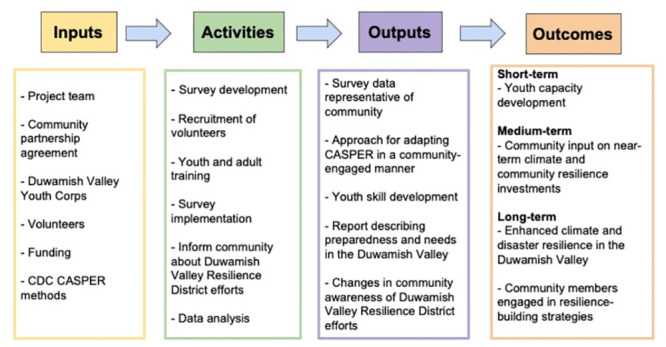 Figure 1
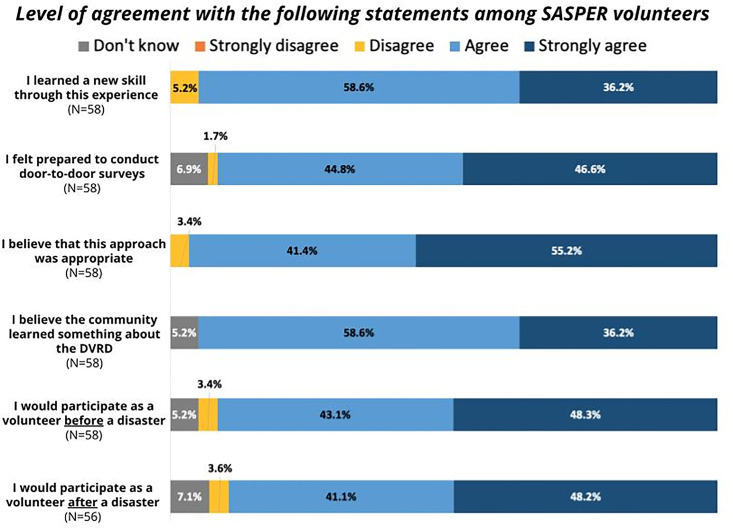 Figure 2
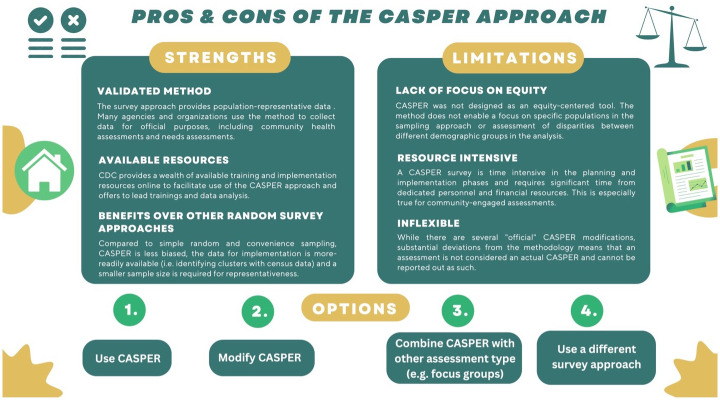 Figure 3
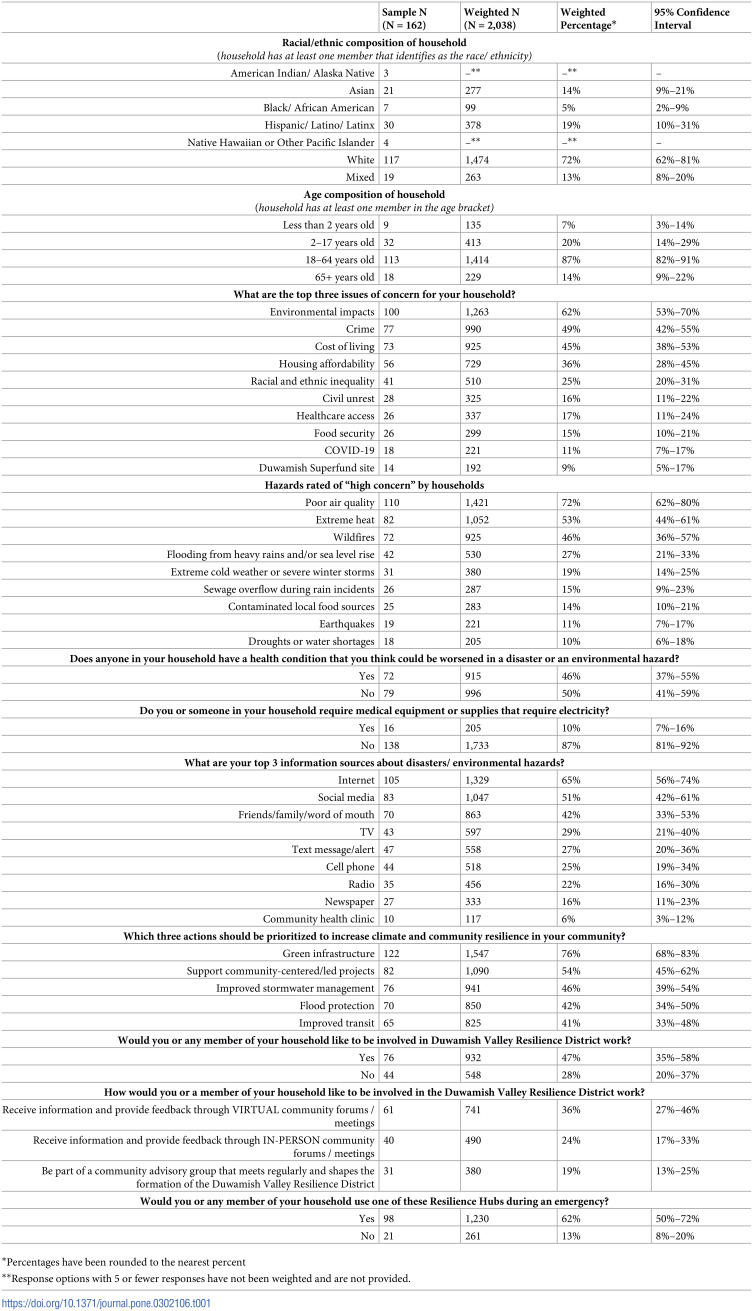 Figure 4
 Figure 5
Peer Reviews
No public reviews on file for this paper yet. If you reviewed it on a platform where reviews are public (OpenReview, ICLR, NeurIPS, ICML), you can paste yours below so the community can read it here.
Videos
No videos yet. Explain this paper in a talk, walkthrough, or lecture? Add one.
Taxonomy
TopicsDisaster Management and Resilience · Community Health and Development · Disaster Response and Management