Strength of female mate preferences in temperature manipulation study supports the signal reliability hypothesis
Nicole E. Cobb, Samantha M. Mason, Keith Tompkins, Meredith Fitschen-Brown, Oscar Rios-Cardenas, Molly R. Morris

TL;DR
This study shows that female fish prefer larger males more when reared in warm environments, supporting the idea that mate preferences depend on how reliable male traits are in different conditions.
Contribution
The study provides empirical support for the signal reliability hypothesis in the context of temperature and mate preference.
Findings
Male size was more variable in warm environments, making it a more reliable indicator of genetics.
Females reared in warm environments showed stronger preferences for male size than those in cold environments.
A relationship between female mate preference strength and growth rates was detected in warm environments.
Abstract
Both sexually selected traits and mate preferences for these traits can be context dependent, yet how variation in preferred traits could select for context dependent preferences has rarely been examined. The signal reliability hypothesis predicts that mate preferences vary across contexts (e.g., environments) in relation to the reliability of the information preferred traits provide in those contexts. Extensive variation in copy number of mc4r B alleles on the Y-chromosome that associates with male size in Xiphophorus multilineatus allowed us to use a split-sibling design to determine if male size is more likely to provide information about male genotype (i.e., dam) when males were reared in a warm as compared to a cold environment. We then examined strength of preference for male size by females reared in the same two environments. We found that males were larger in the cold…
Genes, proteins, chemicals, diseases, species, mutations and cell lines named across the full text — each resolved to its canonical identifier and authoritative record.
Click any figure to enlarge with its caption.
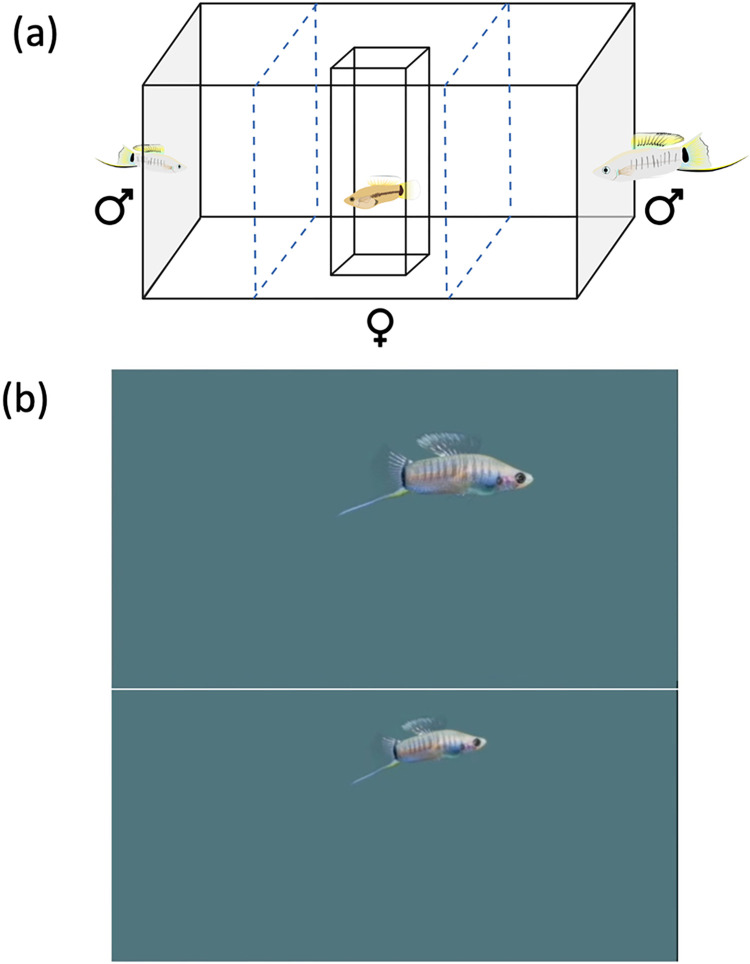 Figure 1
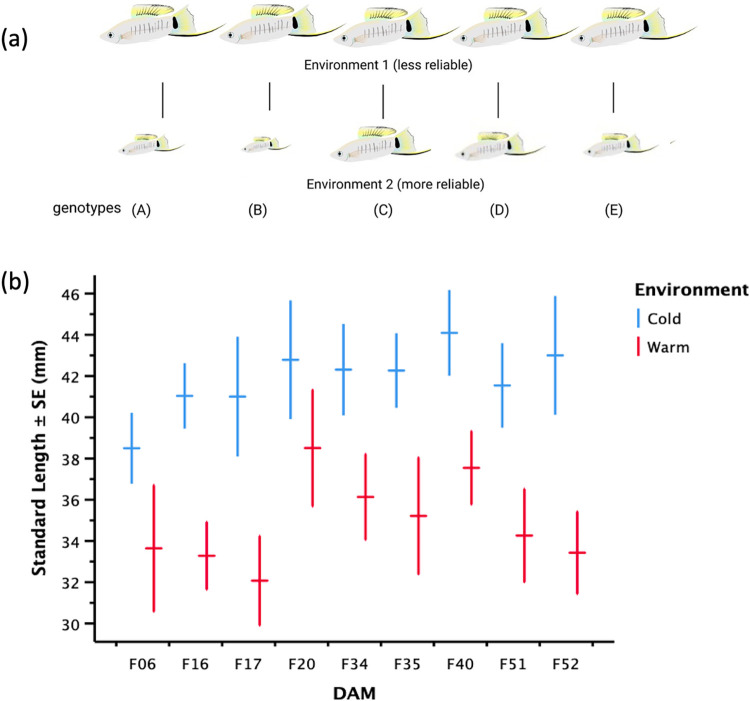 Figure 2
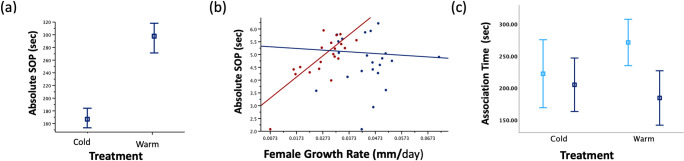 Figure 3
Peer Reviews
No public reviews on file for this paper yet. If you reviewed it on a platform where reviews are public (OpenReview, ICLR, NeurIPS, ICML), you can paste yours below so the community can read it here.
Videos
No videos yet. Explain this paper in a talk, walkthrough, or lecture? Add one.
Taxonomy
TopicsAnimal Behavior and Reproduction · Insect and Arachnid Ecology and Behavior · Amphibian and Reptile Biology