A numerical approach applied to three-dimensional wave scattering problems subjected to obliquely propagating incident waves
Hao Lv, S. M. Anas, S. M. Anas, S. M. Anas, S. M. Anas, S. M. Anas

TL;DR
This paper introduces a numerical method to model 3D seismic wave scattering for oblique wave directions, improving accuracy in semi-infinite domains.
Contribution
A novel method for handling arbitrary incident directions in 3D seismic wave scattering using viscoelastic boundaries and coordinate transformations.
Findings
The method enables accurate modeling of oblique seismic wave inputs in three-dimensional scenarios.
The implementation of transmitting boundary conditions and wave inputs supports scattering problems at any incident angle.
Comparative analysis shows the method's effectiveness in assessing soil-structure dynamic interactions under oblique seismic waves.
Abstract
Accurately modeling artificial boundary conditions and wave inputs is paramount for numerical simulations of wave scattering in semi-infinite domains within seismic engineering. Traditionally, analysts focused on one- or two-dimensional free-field problems to determine wave inputs, primarily for vertically incident plane waves or obliquely incident waves parallel to two axes. However, these methods were inadequate for handling arbitrary incident directions in three-dimensional scenarios. This paper proposes a method for modeling seismic wave incidents in arbitrary directions. The basic theory of viscoelastic boundaries is leveraged, and a plane containing an arbitrary incident direction and the vertical coordinate axis is selected to establish a two-dimensional plane coordinate system. The two-dimensional free-field problem in this coordinate system is derived using the transfer matrix…
Genes, proteins, chemicals, diseases, species, mutations and cell lines named across the full text — each resolved to its canonical identifier and authoritative record.
Click any figure to enlarge with its caption.
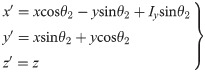 Figure 1
 Figure 2
 Figure 3
 Figure 4
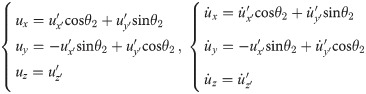 Figure 5
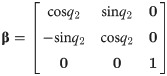 Figure 6
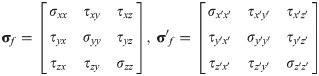 Figure 7
 Figure 8
 Figure 9
 Figure 10
 Figure 11
 Figure 12
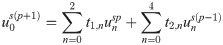 Figure 13
 Figure 14
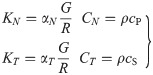 Figure 15
 Figure 16
 Figure 17
 Figure 18
 Figure 19
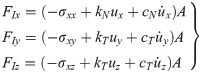 Figure 20
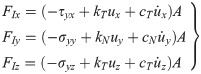 Figure 21
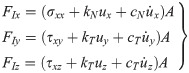 Figure 22
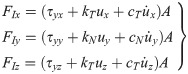 Figure 23
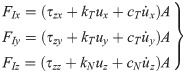 Figure 24
 Figure 25
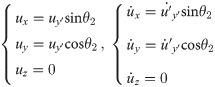 Figure 26
 Figure 27
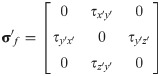 Figure 28
 Figure 29
 Figure 30
 Figure 31
 Figure 32
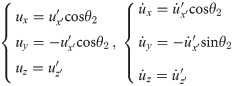 Figure 33
 Figure 34
 Figure 35
 Figure 36
 Figure 37
 Figure 38
 Figure 39
 Figure 40
 Figure 41
 Figure 42
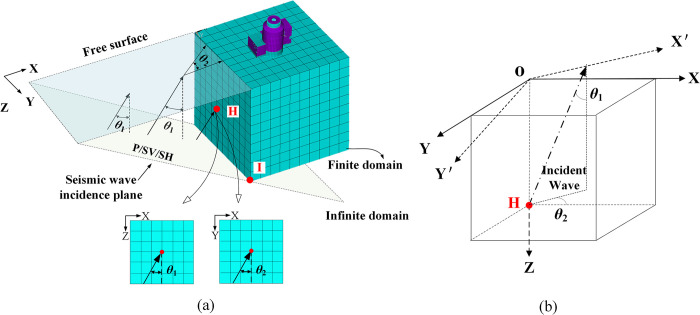 Figure 43
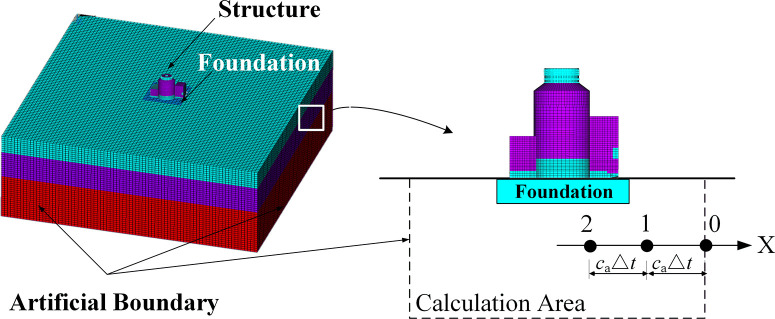 Figure 44
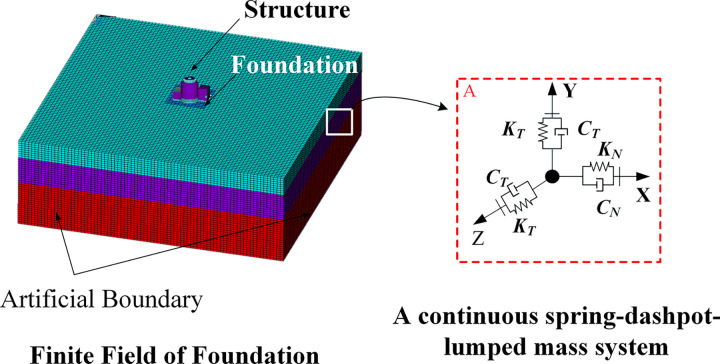 Figure 45
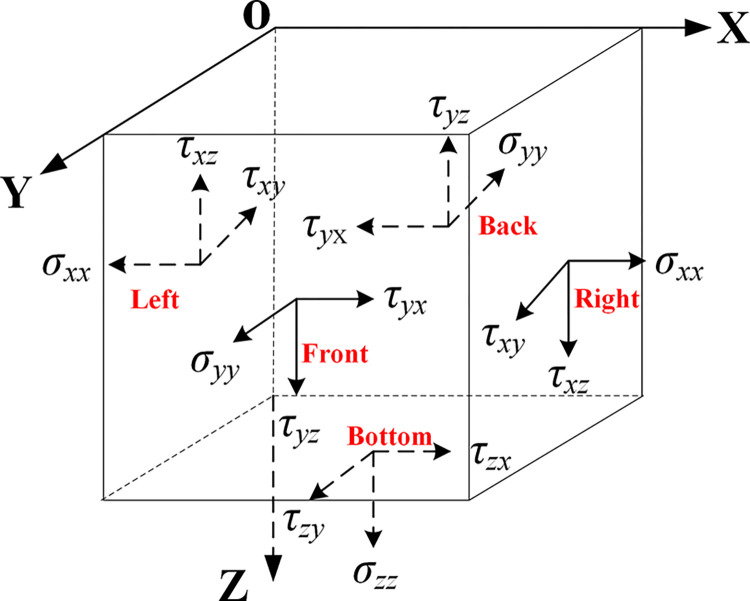 Figure 46
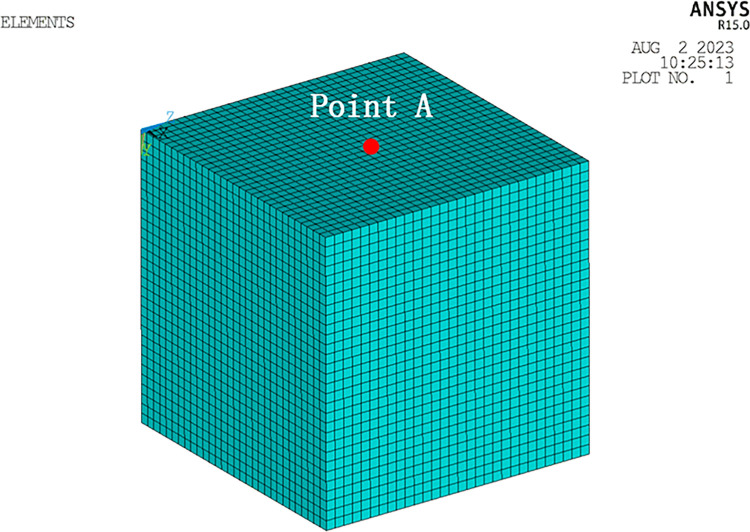 Figure 47
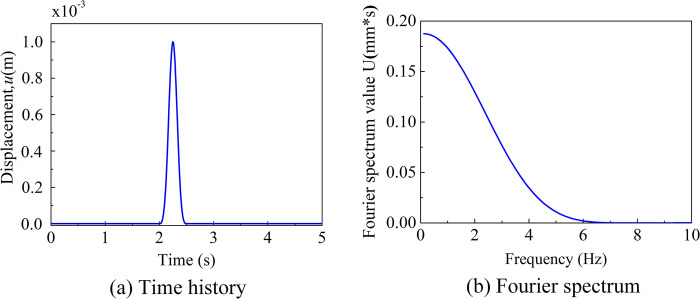 Figure 48
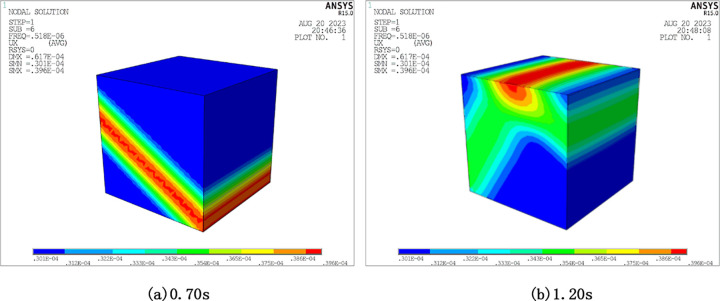 Figure 49
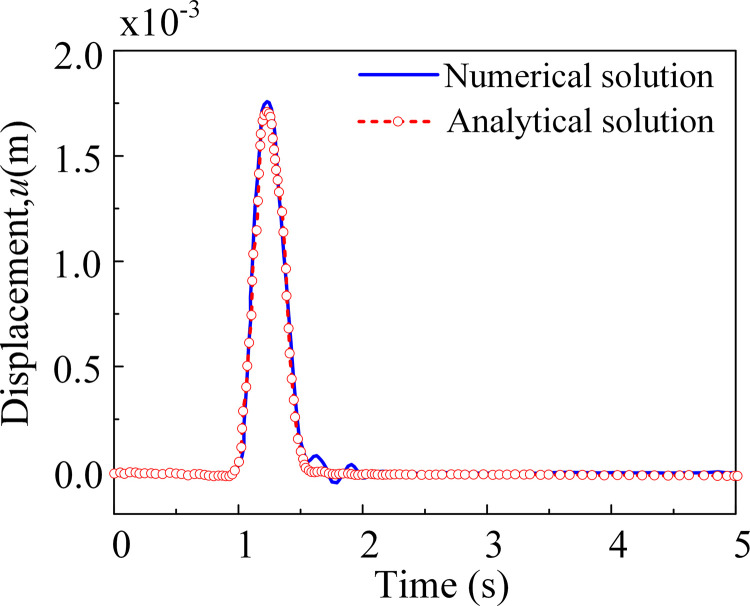 Figure 50
Peer Reviews
No public reviews on file for this paper yet. If you reviewed it on a platform where reviews are public (OpenReview, ICLR, NeurIPS, ICML), you can paste yours below so the community can read it here.
Videos
No videos yet. Explain this paper in a talk, walkthrough, or lecture? Add one.
Taxonomy
TopicsGeotechnical Engineering and Underground Structures · Geotechnical Engineering and Soil Mechanics · Fluid Dynamics Simulations and Interactions