Clinico-Radiological Correlation Between Anterior Cruciate Ligament Deficiency and Hyperextension of the Knee Joint: A Prospective Study
Mansingh Jarolia, Hira L Nag, Sai Krishna MLV, Shivanand Gamanagatti

TL;DR
This study shows that a torn anterior cruciate ligament in the knee can lead to mild hyperextension, which contributes to knee instability and should be addressed during surgery.
Contribution
The study quantifies the relationship between ACL deficiency and knee hyperextension using a prospective clinical and radiological approach.
Findings
ACL deficiency is associated with measurable knee hyperextension, with a strong correlation between clinical and radiological assessments.
Hyperextension caused by ACL tears is typically less than five degrees but still contributes to significant instability.
Posterior tibial slope and notch width index showed no significant correlation with hyperextension in this study.
Abstract
Introduction: The anterior cruciate ligament (ACL) primarily restricts anterior sliding of the tibia over the fixed femur, thereby also postulating to prevent hyperextension of the knee joint. The main objective of our study was to identify the role of the ACL in the prevention of knee hyperextension and to quantify the amount of hyperextension caused by an ACL tear, apart from its well-established role in the prevention of anterior tibial translation on the fixed femur. Methods: This prospective study was conducted in a tertiary care hospital. Eighty patients with unilateral ACL tears were assessed clinico-radiologically in the preoperative period to quantify the knee hyperextension, which was then compared with the uninjured contralateral knee of the same patient. Posterior tibial slope and notch width index were also assessed to rule out bias in our study. Results: The mean age of…
Genes, proteins, chemicals, diseases, species, mutations and cell lines named across the full text — each resolved to its canonical identifier and authoritative record.
Click any figure to enlarge with its caption.
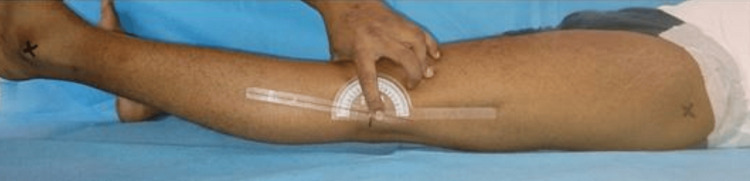 Figure 1
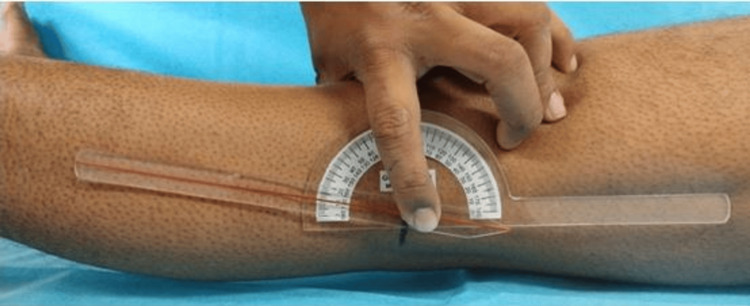 Figure 2
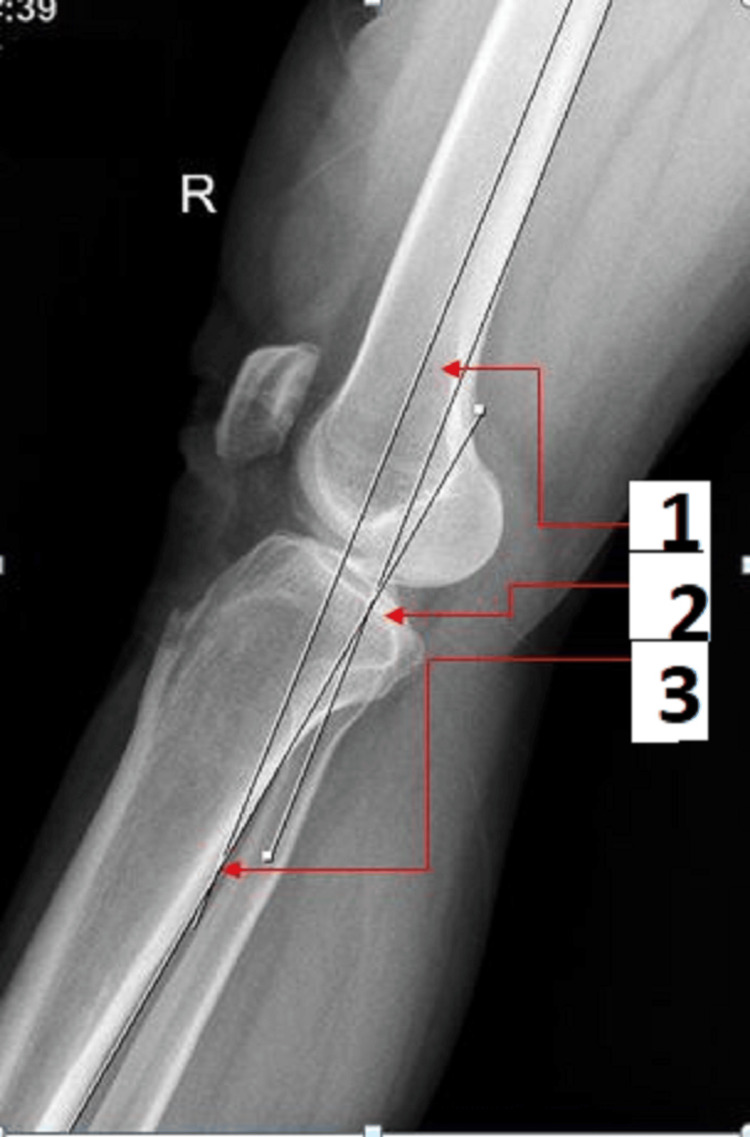 Figure 3
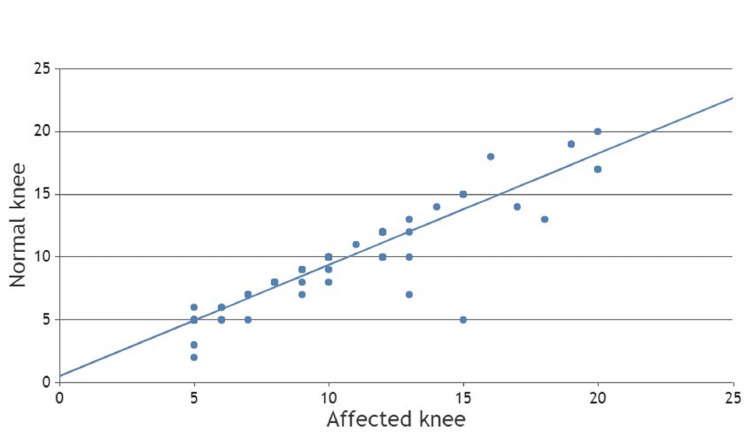 Figure 4
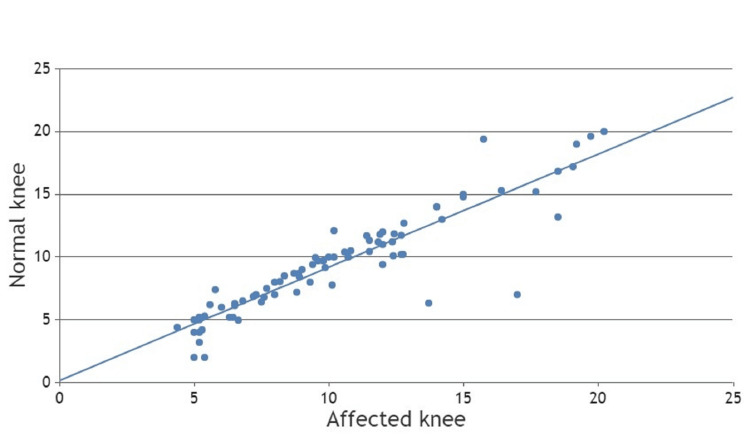 Figure 5
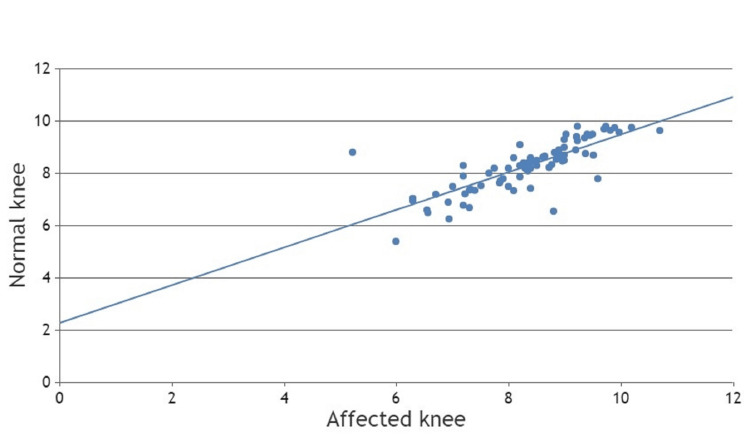 Figure 6
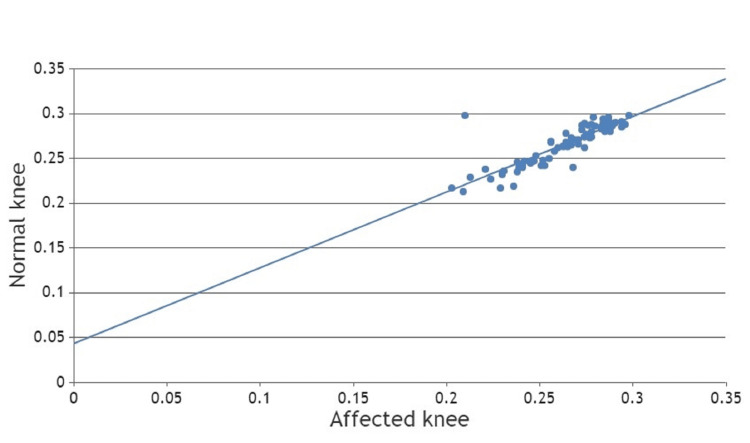 Figure 7
Peer Reviews
No public reviews on file for this paper yet. If you reviewed it on a platform where reviews are public (OpenReview, ICLR, NeurIPS, ICML), you can paste yours below so the community can read it here.
Videos
No videos yet. Explain this paper in a talk, walkthrough, or lecture? Add one.
Taxonomy
TopicsKnee injuries and reconstruction techniques · Total Knee Arthroplasty Outcomes · Shoulder Injury and Treatment