Integrating gene expression and splicing dynamics across dose-response oxidative modulators
A. Rasim Barutcu, Michael B. Black, Raymond Samuel, Scott Slattery, Patrick D. McMullen, Andy Nong

TL;DR
This study explores how splicing changes in genes can improve understanding of chemical toxicity, offering new insights beyond traditional gene expression analysis.
Contribution
The novel contribution is demonstrating that splicing dysregulation, particularly intron retention, can reveal toxicological effects even when gene expression changes are minimal.
Findings
Alternative splicing analysis revealed intron retention events across all chemicals tested, even without significant gene expression changes.
Intron retention data identified relevant pathways missed by traditional gene expression analysis.
Splicing alterations, such as intron retention, may serve as early biomarkers for chemical toxicity.
Abstract
Toxicological risk assessment increasingly utilizes transcriptomics to derive point of departure (POD) and modes of action (MOA) for chemicals. One essential biological process that allows a single gene to generate several different RNA isoforms is called alternative splicing. To comprehensively assess the role of splicing dysregulation in toxicological evaluation and elucidate its potential as a complementary endpoint, we performed RNA-seq on A549 cells treated with five oxidative stress modulators across a wide dose range. Differential gene expression (DGE) showed limited pathway enrichment except at high concentrations. However, alternative splicing analysis revealed variable intron retention events affecting diverse pathways for all chemicals in the absence of significant expression changes. For instance, diazinon elicited negligible gene expression changes but progressive increase…
Genes, proteins, chemicals, diseases, species, mutations and cell lines named across the full text — each resolved to its canonical identifier and authoritative record.
Click any figure to enlarge with its caption.
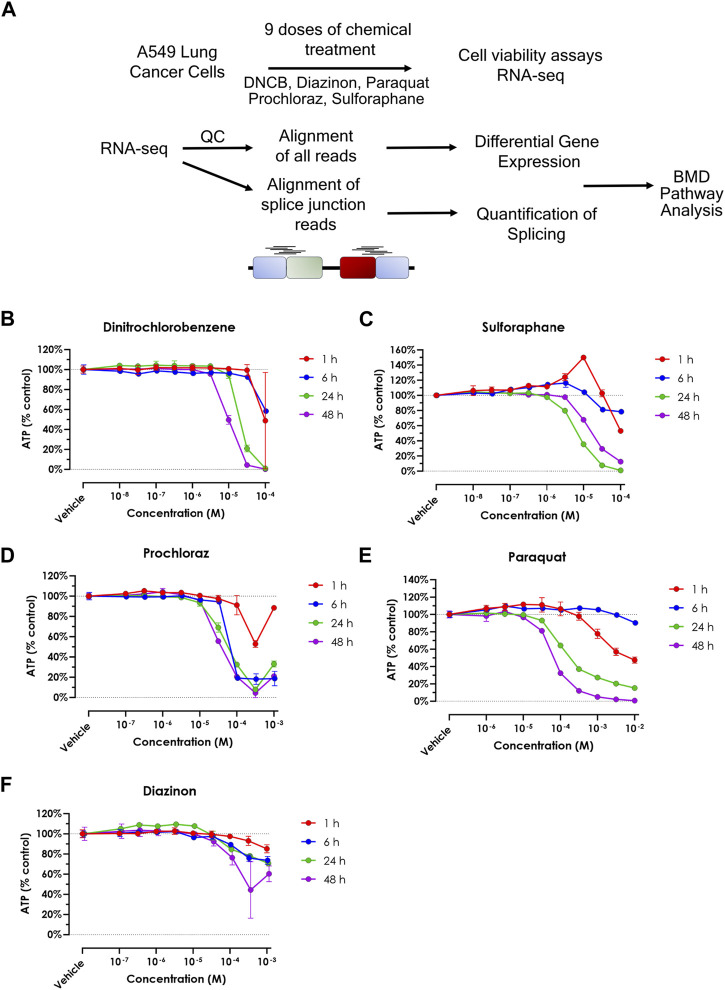 Figure 1
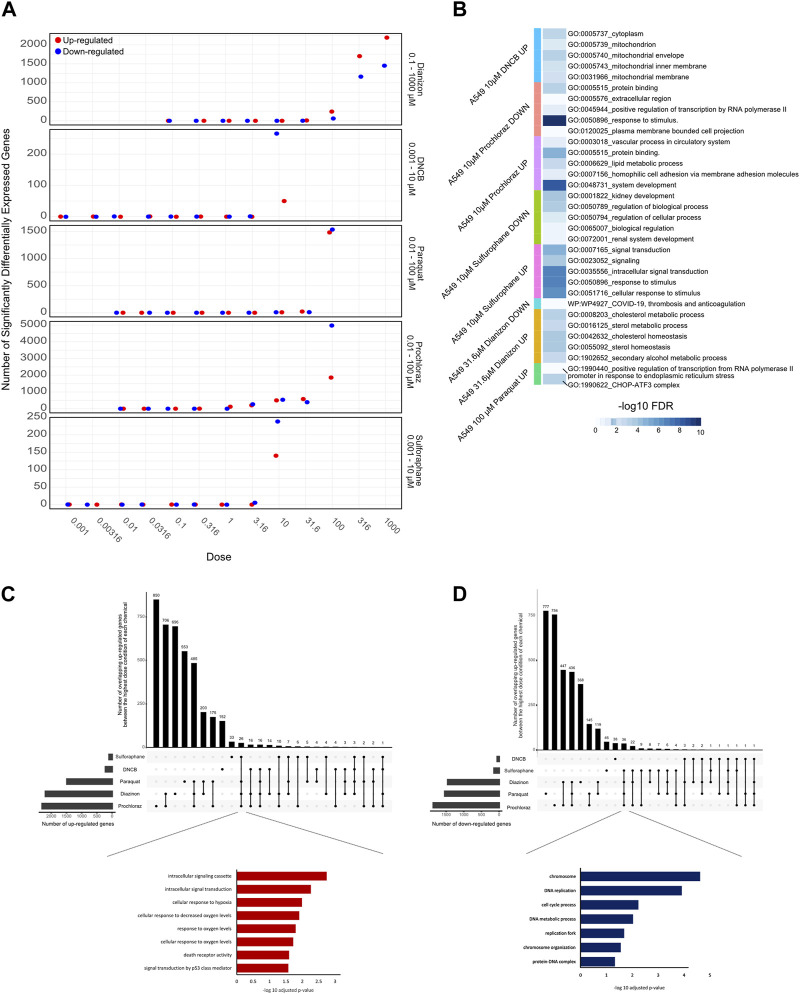 Figure 2
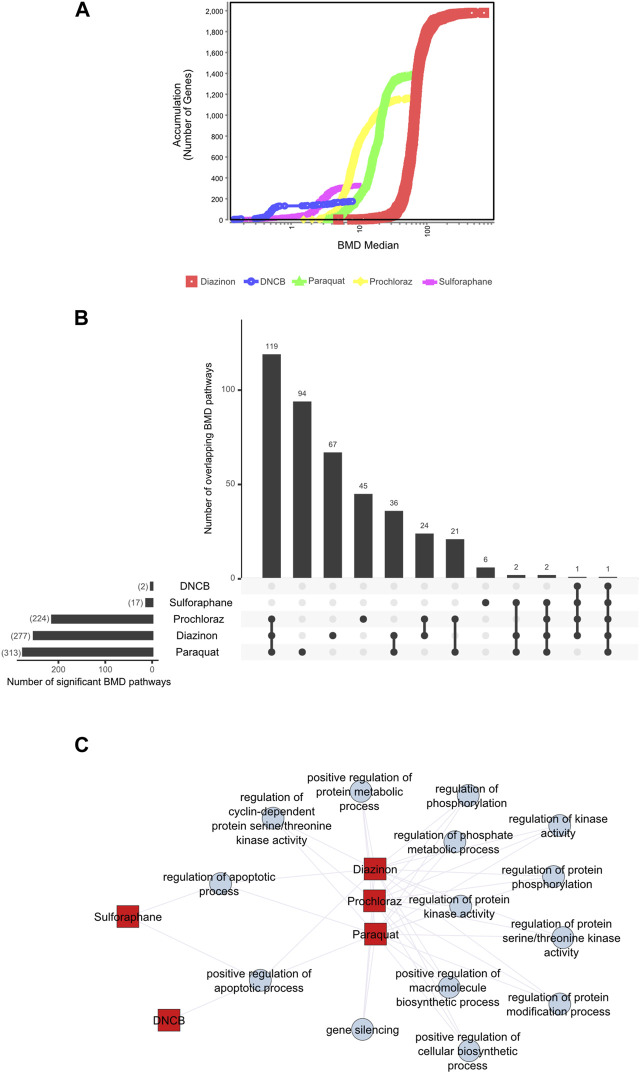 Figure 3
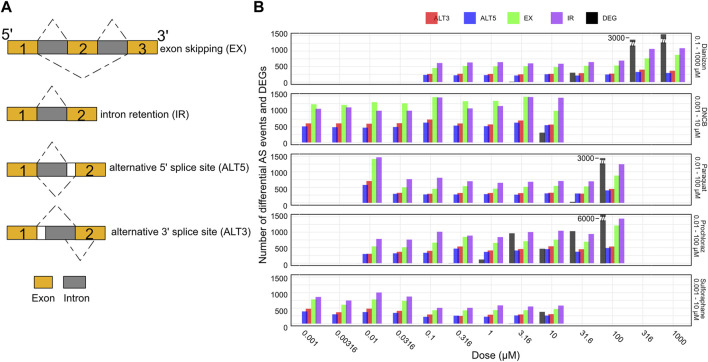 Figure 4
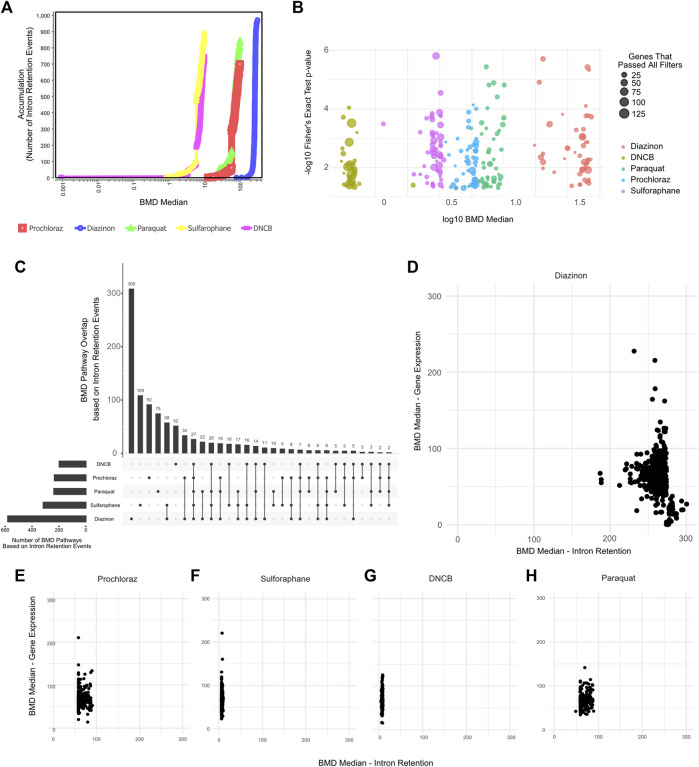 Figure 5
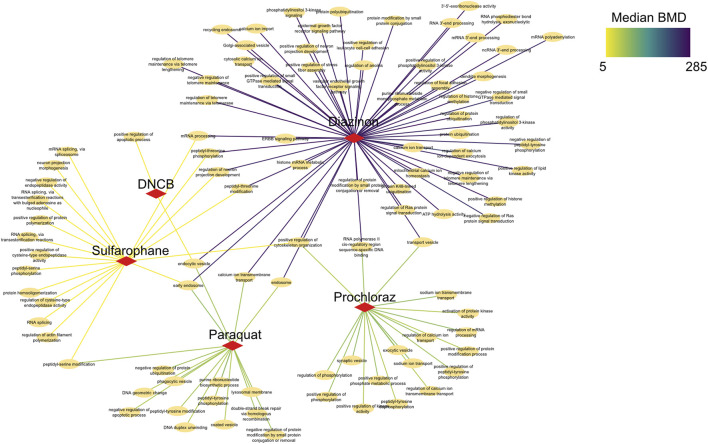 Figure 6
Peer Reviews
No public reviews on file for this paper yet. If you reviewed it on a platform where reviews are public (OpenReview, ICLR, NeurIPS, ICML), you can paste yours below so the community can read it here.
Videos
No videos yet. Explain this paper in a talk, walkthrough, or lecture? Add one.
Taxonomy
TopicsMolecular Biology Techniques and Applications · RNA Research and Splicing · RNA and protein synthesis mechanisms