Supported Biomembrane Systems Incorporating Multiarm Polymers and Bioorthogonal Tethering
Jesse A. Martin, Yue-Ming Li, M. Lane Gilchrist

TL;DR
This paper presents a method to create stable supported biomembranes using multiarm polymers and bioorthogonal chemistry to preserve membrane protein function.
Contribution
The novel approach combines multiarm PEG and bioorthogonal tethering to build functional supported biomembranes on microspheres.
Findings
4-arm-PEG20,000-NH2 provided optimal lateral diffusivity and coverage in supported biomembranes.
The system showed low nonspecific binding of proteins and antibodies.
Membrane structures were confirmed using advanced imaging and FRAP techniques.
Abstract
To functionalize interfaces with supported biomembranes and membrane proteins, the challenge is to build stabilized and supported systems that mimic the native lipid microenvironment. Our objective is to control substrate-to-biomembrane spacing and the tethering chemistry so proteoliposomes can be fused and conjugated without perturbation of membrane protein function. Furthermore, the substrates need to exhibit low protein and antibody nonspecific binding to use these systems in assays. We have employed protein orthogonal coupling schemes in concert with multiarm poly(ethylene glycol) (PEG) technology to build supported biomembranes on microspheres. The lipid bilayer structures and tailored substrates of the microsphere-supported biomembranes were analyzed via flow cytometry, confocal fluorescence, and super-resolution imaging microscopy, and the lateral fluidity was quantified using…
Genes, proteins, chemicals, diseases, species, mutations and cell lines named across the full text — each resolved to its canonical identifier and authoritative record.
Click any figure to enlarge with its caption.
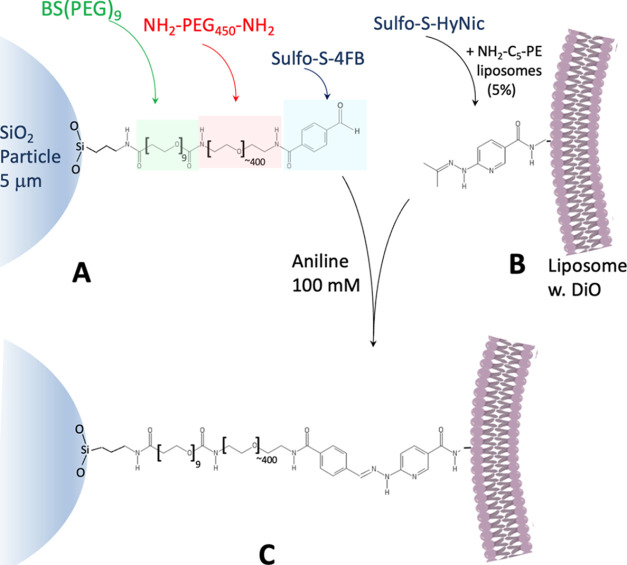 Figure 1
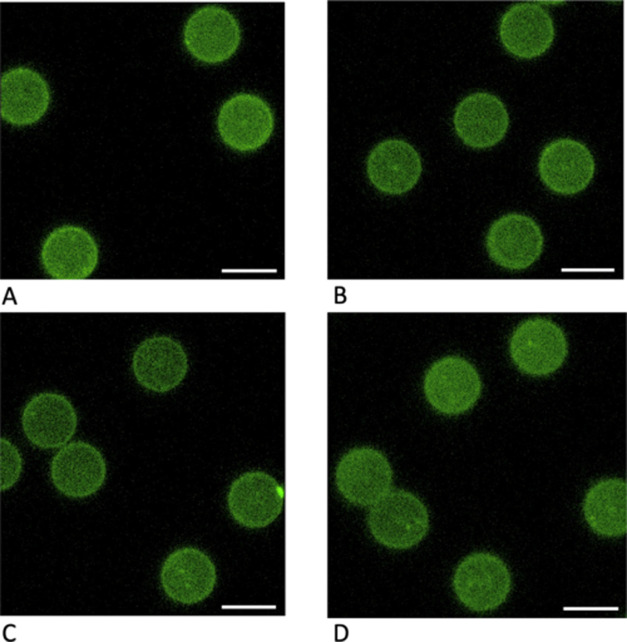 Figure 2
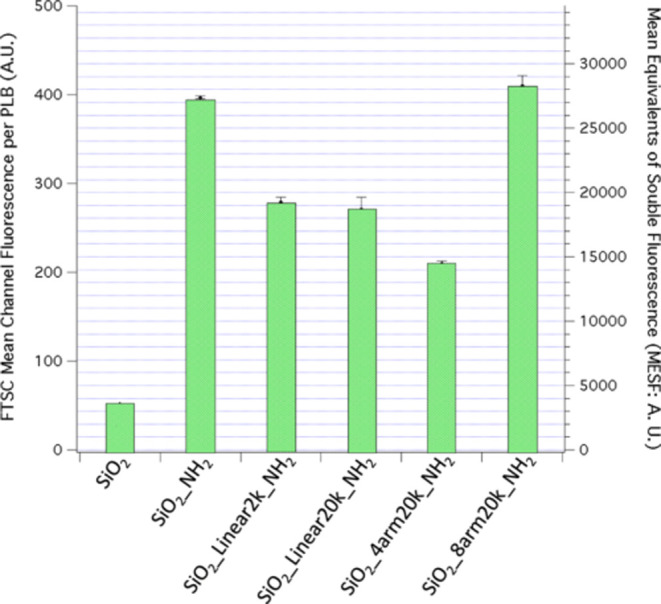 Figure 3
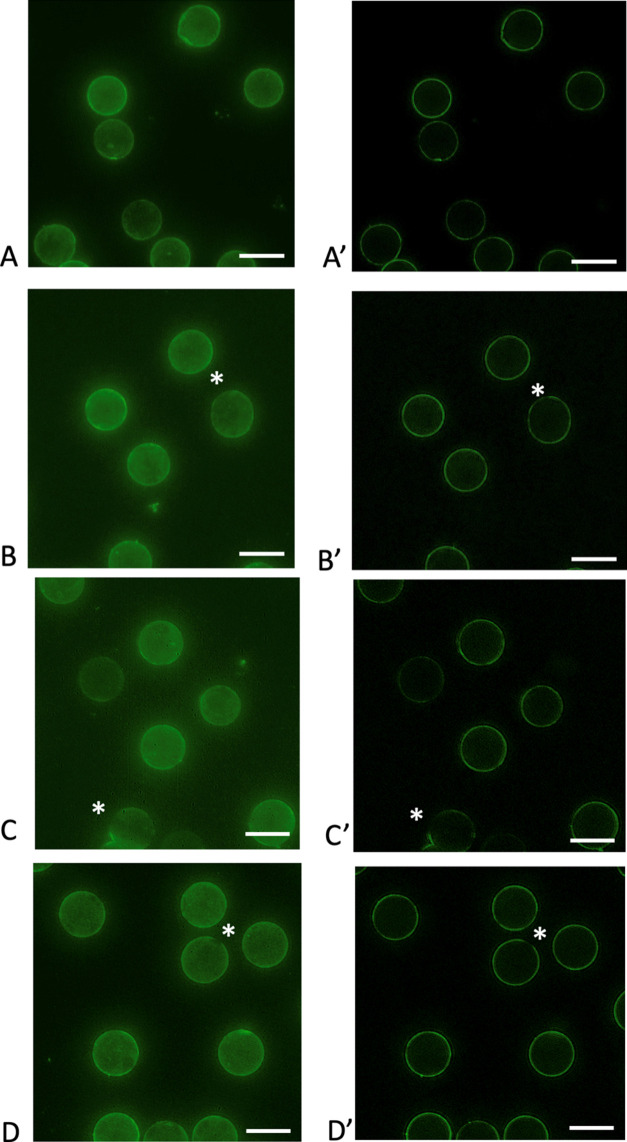 Figure 4
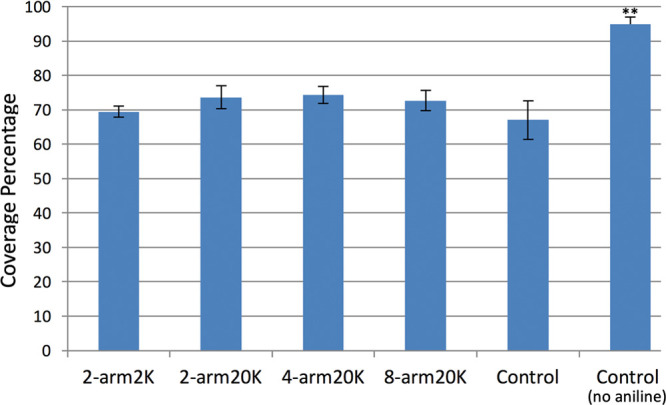 Figure 5
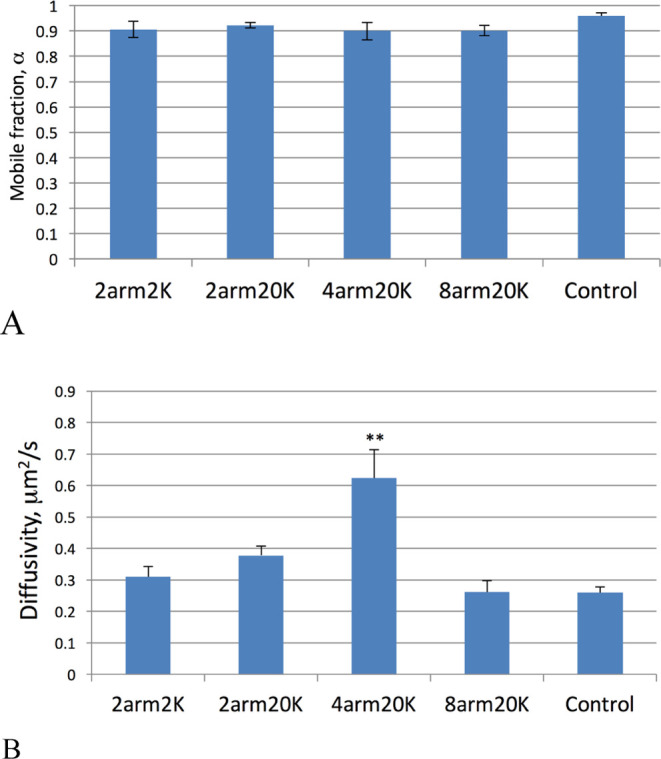 Figure 6
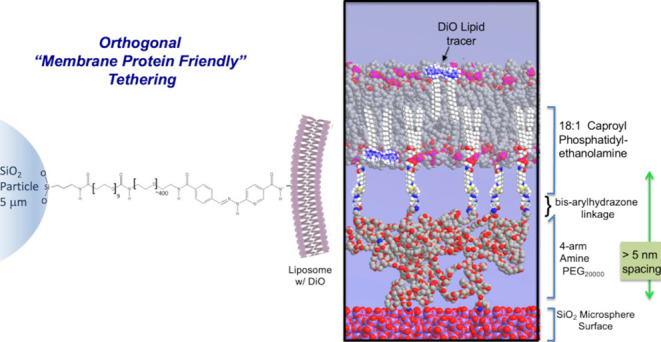 Figure 7
Peer Reviews
No public reviews on file for this paper yet. If you reviewed it on a platform where reviews are public (OpenReview, ICLR, NeurIPS, ICML), you can paste yours below so the community can read it here.
Videos
No videos yet. Explain this paper in a talk, walkthrough, or lecture? Add one.
Taxonomy
TopicsAdvanced biosensing and bioanalysis techniques · Supramolecular Self-Assembly in Materials · RNA Interference and Gene Delivery