In vivo non-contact regions of proximal scaphoid in six extreme wrist positions
Ren-Guo Xie

TL;DR
This study identifies the non-contact regions of the proximal scaphoid in six wrist positions to help surgeons choose the best screw insertion point during minimally invasive procedures.
Contribution
The study provides new empirical data on scaphoid non-contact regions across extreme wrist positions for surgical planning.
Findings
The non-contact region was smallest in extreme dorsal extension and largest in extreme palmar flexion.
Non-contact regions increased in a specific order across wrist positions.
Sufficient space was available for screw insertion via the dorsal approach in all wrist positions.
Abstract
Fractures of the scaphoid are the most common carpal injuries, account for 80-90% of all carpal fractures. 5-15% nonunion of scaphoid fractures were reported even with adequate primary treatment, which probably progresses to osteoarthritic changes several decades later. Researches regarding to scaphoid physiological characteristic in vitro and in vivo and kinds of trials in clinical practice are being kept on going, which contribute much to our clinical practice. With the advancing wrist arthroscopy, 3D-print patient-specific drill guide, and intraoperative fluoroscopic guidance, dorsal approach (mini-invasive and percutaneous technique) is being popular, through which we can implant the screw in good coincidence with biomechanics and with less disturbing tenuous blood supply of the scaphoid. Investigating the noncontact area of the dorsal proximal scaphoid in different wrist positions…
Genes, proteins, chemicals, diseases, species, mutations and cell lines named across the full text — each resolved to its canonical identifier and authoritative record.
Click any figure to enlarge with its caption.
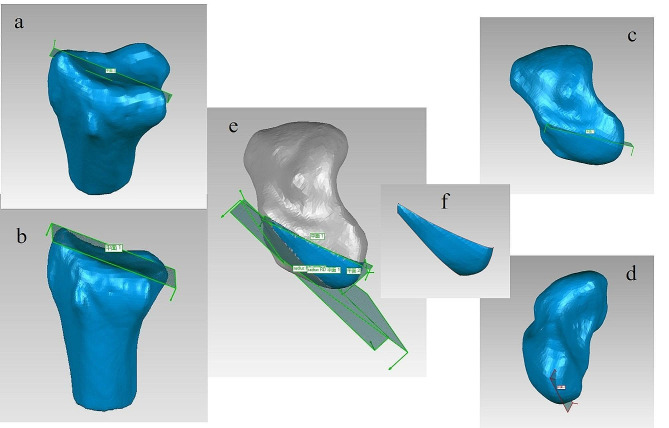 Figure 1
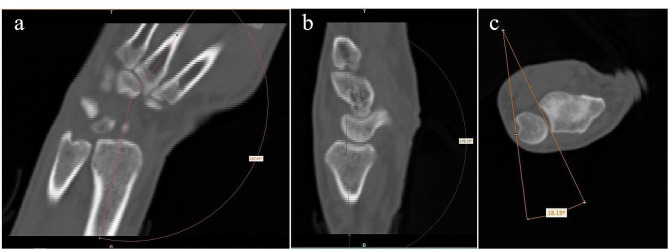 Figure 2
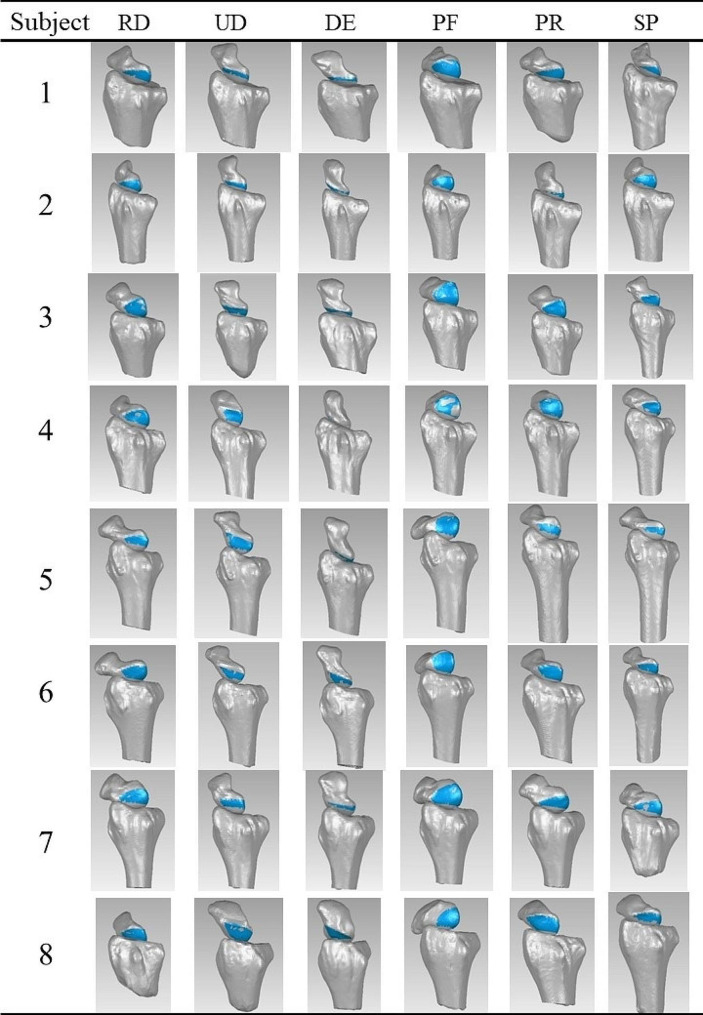 Figure 3
Peer Reviews
No public reviews on file for this paper yet. If you reviewed it on a platform where reviews are public (OpenReview, ICLR, NeurIPS, ICML), you can paste yours below so the community can read it here.
Videos
No videos yet. Explain this paper in a talk, walkthrough, or lecture? Add one.
Taxonomy
TopicsOrthopedic Surgery and Rehabilitation · Bone fractures and treatments · Medical Malpractice and Liability Issues