Optimizing Bothropstoxin-I-Derived Peptides: Exploring the Antibacterial Potential of p-BthW
Gabriela Marinho Righetto, Norival Alves Santos-Filho, Letícia Oliveira Catarin Nunes, Camille André, Julia Medeiros Souza, Adriano Defini Andricopulo, Paulo José Martins Bispo, Eduardo Maffud Cilli, Ilana Lopes Baratella da Cunha Camargo

TL;DR
Scientists optimized a peptide from Bothropstoxin-I to create a potent, low-hemolytic antibacterial agent with resistance-reducing properties.
Contribution
A novel peptide analogue, p-BthW, was synthesized with improved antibacterial activity and resistance profile.
Findings
p-BthW showed potent antibacterial activity at lower concentrations with low hemolysis.
p-BthW exhibited a quick bactericidal effect and prolonged post-antibiotic effect similar to polymyxin B.
The peptide's mechanism involves membrane depolarization and necrosis-like effects in Gram-negative bacteria.
Abstract
Antimicrobial peptides are an emerging class of antibiotics that present a series of advantageous characteristics such as wide structural variety, broad spectrum of activity, and low propensity to select for resistance. They are found in all classes of life as defense molecules. A group of peptides derived from the protein Bothropstoxin-I has been previously studied as an alternative treatment against multi-drug-resistant bacteria. The peptide p-BthTX-I (sequence: KKYRYHLKPFCKK) and its homodimer, linked by disulfide oxidation through the residues of Cys11 and the serum degradation product [sequence: (KKYRYHLKPFC)2], were evaluated and showed similar antimicrobial activity. In this study, we synthesized an analogue of p-BthTX-I that uses the strategy of Fmoc-Lys(Fmoc)-OH in the C-terminal region for dimerization and tryptophan for all aromatic amino acids to provide better membrane…
Genes, proteins, chemicals, diseases, species, mutations and cell lines named across the full text — each resolved to its canonical identifier and authoritative record.
Click any figure to enlarge with its caption.
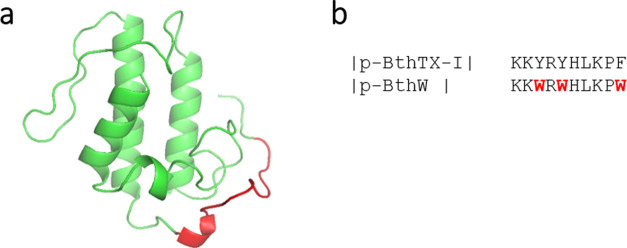 Figure 1
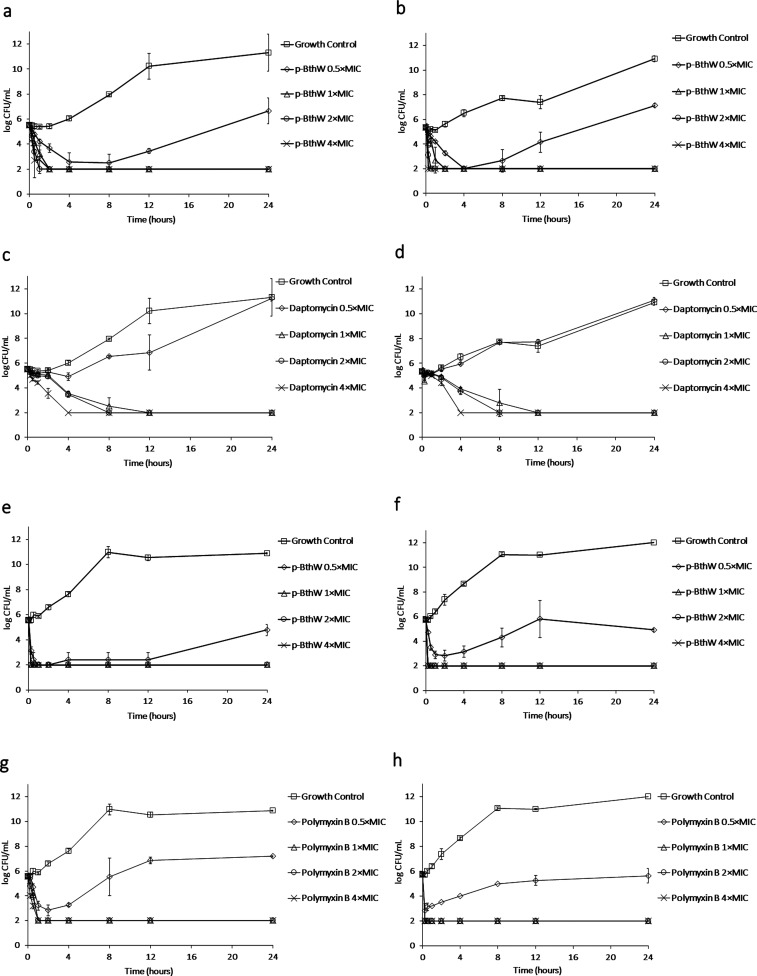 Figure 2
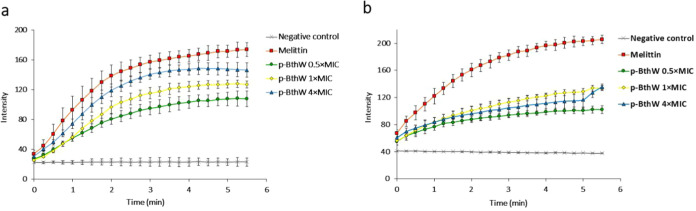 Figure 3
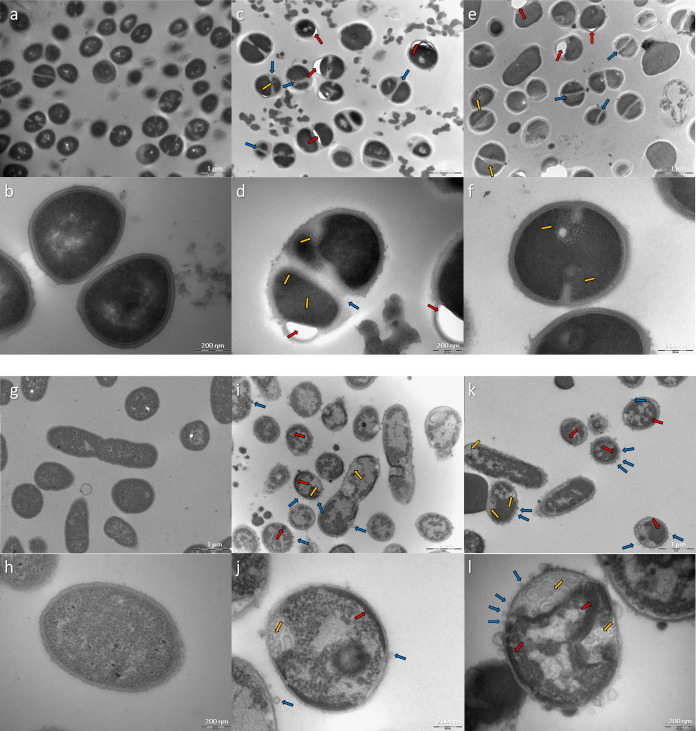 Figure 4
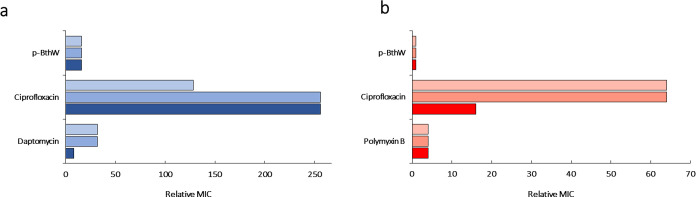 Figure 5
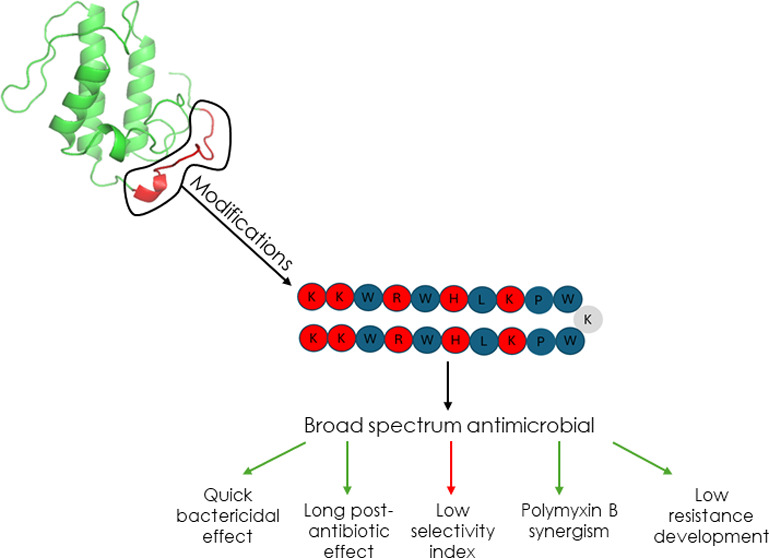 Figure 6
 Figure 7
 Figure 8
Peer Reviews
No public reviews on file for this paper yet. If you reviewed it on a platform where reviews are public (OpenReview, ICLR, NeurIPS, ICML), you can paste yours below so the community can read it here.
Videos
No videos yet. Explain this paper in a talk, walkthrough, or lecture? Add one.
Taxonomy
TopicsAntimicrobial Peptides and Activities · Biochemical and Structural Characterization · Chemical Synthesis and Analysis